A well-cared-for paver driveway can raise curb appeal, prevent water damage, and keep your property in Orlando or Central Florida looking its best. Yet, Florida’s harsh sun and heavy storms can take a toll. Knowing when to reseal isn’t always clear—until it is. At GCM Best Services, we’ve seen hundreds of driveways in every state of repair, and we know the difference a fresh seal can make.
When you notice these signs, it’s time to think about a professional reseal.
In this guide, we will cover the six telltale signs that your paver driveway needs resealing, why timing matters in Florida’s climate, and the impact that good maintenance has on long-lasting performance and appearance. We’ll share our experience, industry best practices, and lessons from official research including the Florida Center for Pavement Excellence and the University of Central Florida. We’ll also guide you through maintenance and care, and answer the most common questions at the end.
Why sealing your paver driveway in Florida matters
Florida is famous for sun, storms, and humidity. Each of these wears on your driveway. Sealing provides protection many homeowners underestimate until it’s too late. At GCM Best Services, we recommend routine paver sealing for three big reasons:
- Improves resistance to water, stains, and fading from UV rays.
- Prevents cracks, weeds, and erosion by locking joints and stabilizing the surface.
- Extends the usable life and beauty of your driveway, saving on major repairs later.
Sealing is not just about looks; it’s about protecting your investment. In our experience, a neglected seal can double your risk of joint erosion, paver shifting, and even drainage issues, especially in Florida’s rainy season.
The six signs it’s time to reseal your paver driveway
Not sure if you need to reseal? These are the signs we look for during free on-site assessments for clients in Central Florida. If any apply, schedule an inspection before the season shifts.
1. Fading color and loss of vibrancy
Driveway pavers should have rich color—reds, grays, beiges, and browns that brighten up curb appeal. Over time, sun and weather can make them look dull, washed out, or chalky. When the color fades, it’s usually because the last layer of sealant is breaking down. Without that barrier, UV light and rain erode the pigments, leaving your stones looking older than their years.
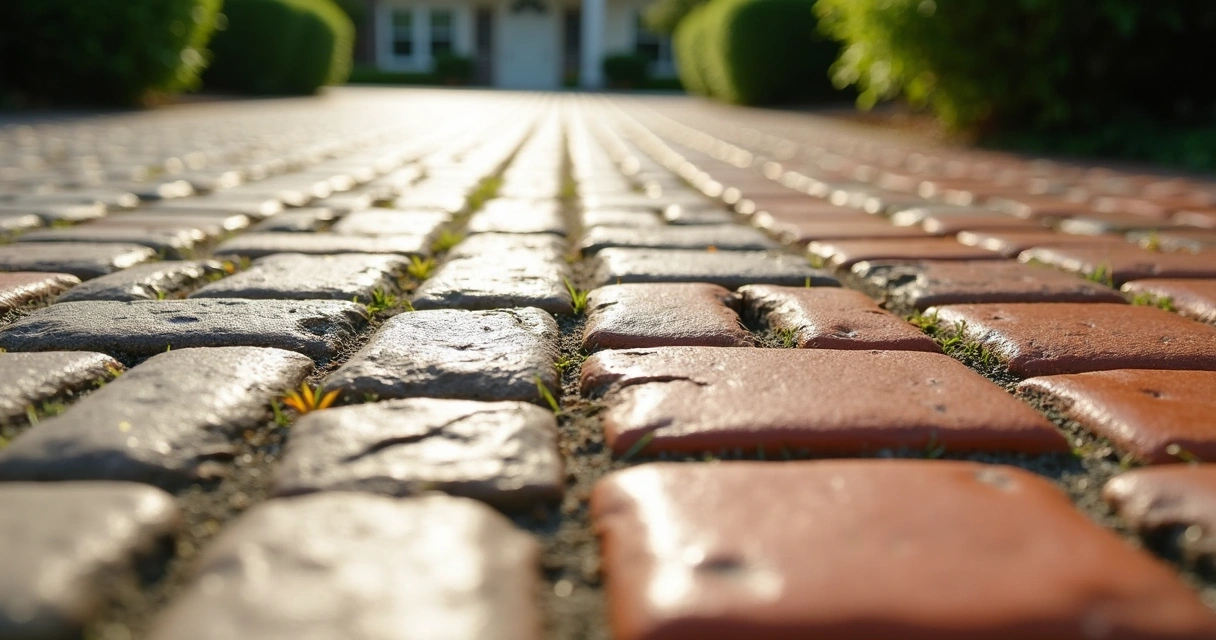
When your driveway looks pale or blotchy, it’s a clear visual cue that resealing is overdue. We often compare slabs in sun-exposed areas to shaded zones—the faded sections almost always need fresh protection. This issue tends to be even more pronounced at driveway entries or other high-traffic spots.
Resealing at the right time brings color back and adds a subtle sheen, making your home look cared-for again. Our recent project in south Orlando brought a homeowner’s pavers from dull gray back to the rich sand color that matched their landscaping. The transformation was immediate.
2. Noticeable staining and discoloration
Florida driveways attract all kinds of stains: motor oil, fertilizer, dirt, leaves, and even rust from sprinkler systems. A quality sealant forms a barrier, giving you time to clean up before the stain sinks in.
But once that sealant wears off, stains soak in deep and can become nearly impossible to remove fully. If you see:
- Dark oil spots that don’t come off with normal cleaning
- Rust streaks or orange marks around sprinkler heads
- Discoloration from mulch or fertilizer runoff
Your sealant has likely faded. We see this on driveways where fertilizers spill or cars sit for a while—and once moisture pushes contaminants into the pavers, the marks can last for years.
Stains that resist washing point directly to sealant failure. Resealing offers a second chance by filling pores and stopping further absorption. We always explain that periodic sealing prevents not just current stains but many headaches down the road.
3. Water is no longer beading on the surface
Sealed pavers repel water, so you’ll see droplets bead up and roll away in a rainstorm. If you pour a cup of water on your driveway and the liquid soaks in without forming beads, your sealant is gone. In Florida’s heavy downpours, this exposes your driveway to erosion and algae growth.
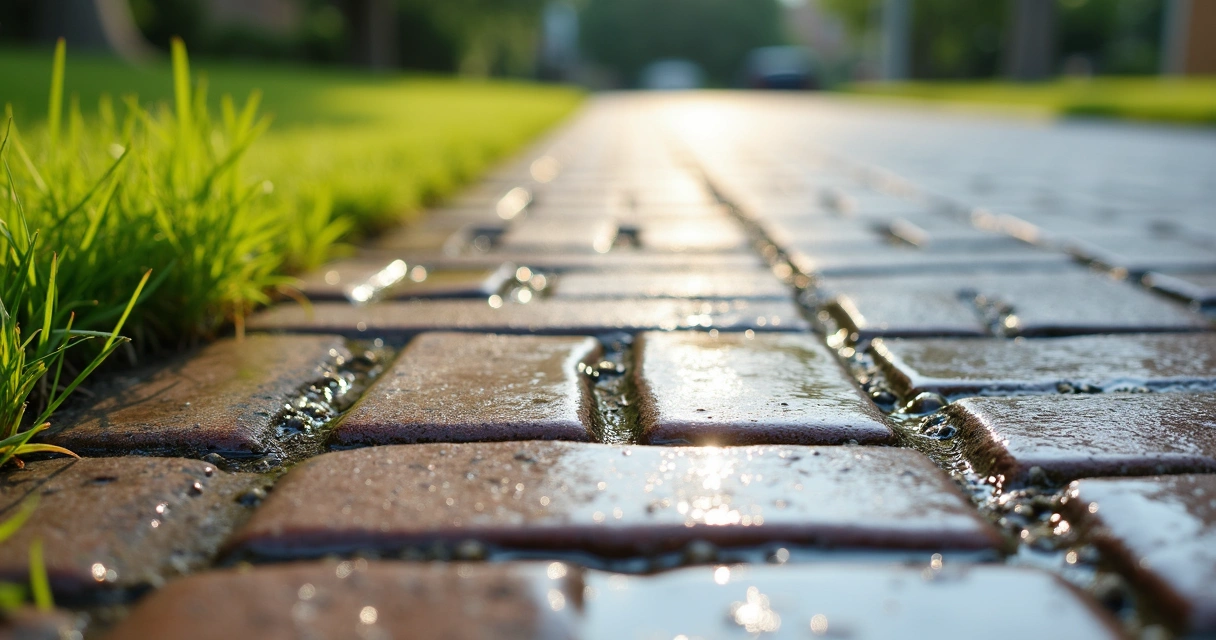
A loss of beading means:
- Moisture can seep into the paver, causing staining, mold, and shifting
- Repeated saturation can destabilize the joint sand or polymeric sand, increasing runoff issues as described by the University of Florida IFAS Extension
- Driveway can become a slip hazard as algae and mildew take hold
In our inspections, we use the “water bead test” on every project. The results are often surprising, especially when pavers look fine but have no surface protection left.
No beads? No protection. Time to reseal.
4. Sand or joint material is washing out
Joint sand, especially polymeric sand, locks pavers in place by filling the lines between them. Florida’s rain, pressure washing, and traffic grind this sand away over time. When sealant is worn, sand migrates faster, which can lead to loose stones, uneven surfaces, and rapid weed growth.
According to the University of Florida IFAS Extension, choosing joint materials that maintain permeability is key for stormwater management on your property.
We often encounter driveways where sand runs down to the apron after storms or finds its way onto sidewalks, making cleanup never-ending. If you’re seeing any of these, your driveway needs resealing:
- Gaps forming between paver joints
- Piles of loose sand after storms
- Pavers starting to shift or rock underfoot
Replacing joint material and resealing not only improves structure—it also prevents costly repairs. We’ve addressed this topic further in our guide on drainage solutions for brick paver installations in Florida’s climate.
5. Increased weed growth or ant infestation
Unprotected joints are an invitation for weeds, moss, and even ant colonies. As the sealant fades, seeds and insects find their way between pavers. In Florida’s moist climate, this happens quickly.
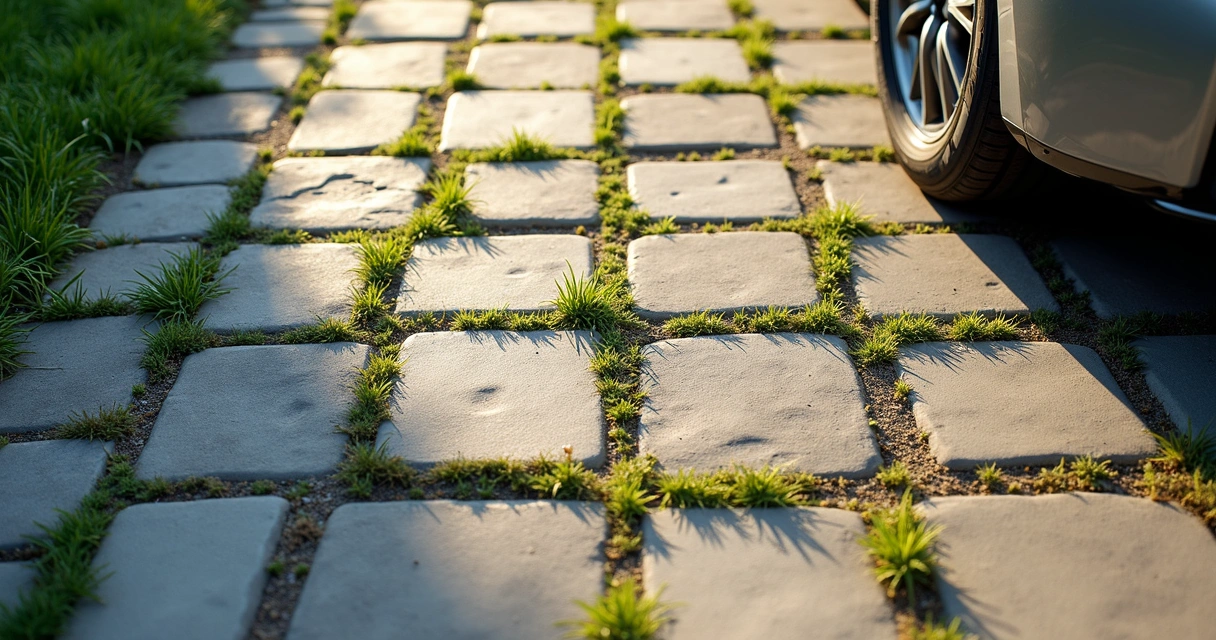
If weeds or insects are becoming a constant headache, the protective barrier needs attention. Not only does resealing hinder weed growth by stabilizing the joints, but it also reduces the risk of pests undermining your driveway foundation. We recommend regular cleaning and prompt sealing for the best results—see our recent article on preventing weeds between pavers in Orlando for more.
Ignoring these issues can result in long-term damage due to roots or burrowing insects. Resealing is a simple step with long-term payoff.
6. Slippery surface, algae, or mildew buildup
Florida’s warmth and rain nurture more than just palm trees—driveways often become slippery green with algae, especially in shaded or wet corners. When sealant wears off, even routine washing can’t keep this growth in check.
- Pavers become slick, increasing injury risk
- White, green, or black patches appear after every rainstorm
- Daily cleanup becomes a chore—mildew returns faster each time
Slippery or stained surfaces are often the first sign the sealant isn’t doing its job. Resealing helps shed water and prevent the organic growth so common in our climate.
For properties with trees or partial shade, we suggest resealing more frequently—sometimes every year, depending on exposure. Regular maintenance, such as pressure washing, can double infiltration performance, making your driveway both safer and easier to maintain.
How often should you reseal your paver driveway in Florida?
Climate, traffic, sun exposure, type of paver and sealant, and even how often you pressure wash all impact timing. Our local conditions often require more frequent resealing than cooler, less rainy states.
For most homes, we recommend resealing every 2–3 years. Heavy traffic, full-day sun, or constant moisture can shorten that window to only 1–2 years. Watch for the signs above—never just assume the original application is still working.
The Florida Department of Transportation recommends systematic maintenance for durable pavement performance, echoing our experience in the field.
Should paver sealing be DIY or professional?
We often get this question, and our answer is honest: proper sealing is much more than rolling on a coat. Preparation includes stain removal, algae treatment, joint inspection, and sometimes the addition of sand or polymeric stabilizer. Application requires care to avoid haze, bubbles, or patchiness. The skill, equipment, and high-grade sealants make a clear difference in both appearance and durability.
At GCM Best Services, we provide thorough on-site assessments and walk our clients through the process. We manage drainage assessments—read more in our driveway and patio paving guide—and explain maintenance routines. Our work is always backed by written warranties and photo documentation.
With the right process, resealing restores and protects—giving your driveway years of new life.
The impact of regular maintenance and timely repairs
Great paver driveways require ongoing care, but the payoff is clear: fewer cracks, less shifting, a consistently beautiful appearance, and better drainage. The Florida Center for Pavement Excellence confirms that maintenance and rehabilitation are key to extending pavement performance and saving on long-term repairs.
If you notice cracks between pavers, remember we also offer resources on how to prevent cracks in Florida concrete and paver driveways and professional paving in Orlando for more complex needs.
Don’t wait until damage requires full replacement—the signs above are a gentle warning that action now can prevent much greater expense later.
Tips for making your paver driveway last longer
- Perform routine visual checks for color, stains, and sand loss
- Schedule pressure washing at least twice a year, especially after the rainy season (just avoid extremely high pressures that can damage joints)
- Avoid letting mulch, fertilizer, or yard waste sit on pavers for long
- Refill sand or polymeric joint material as needed, especially after cleaning
- Keep surface graded for proper drainage (standing water shortens sealer life dramatically)
- Reseal promptly when you notice any of the six warning signs
Proactive care locks in lasting beauty and performance, regardless of Florida’s challenging climate.
Conclusion: It’s time to protect your paver driveway investment
At GCM Best Services, we know a well-sealed paver driveway in Orlando or Central Florida can stand strong through summer storms and bright, sunny winters. By paying careful attention to color, stains, water behavior, sand loss, weed growth, and slippery spots, you can keep your property safe, beautiful, and welcoming year after year.
Don’t wait for irreversible damage. Take a moment to check for the signs—or let us inspect your driveway at no obligation. We bring expertise, communication, and a guarantee on every project.
Ready for a professional quote? 📞 (407) 250-1948 • 24–48h • Orlando, Tampa & area.
Learn more about GCM Best Services and our commitment to lasting, honest, and beautiful exterior upgrades for Central Florida homeowners.
Frequently asked questions
What is paver driveway sealing?
Paver driveway sealing is the application of a protective, transparent coating that bonds to the surface and joints of your paver stones, blocking water, stains, and UV damage. It helps maintain color, prevents sand from washing away, and safeguards against mold, weeds, and fading. At GCM Best Services, we use sealants tailored for Florida’s sun and storms, applied after proper cleaning and joint inspection. The result is a driveway that repels moisture, resists staining, and stays attractive longer.
How often should I reseal pavers?
In Florida, we recommend resealing pavers every 2–3 years under normal conditions. For driveways exposed to heavy sun, frequent pressure washing, or constant moisture, you may need to seal as often as every 1–2 years. Timing depends on the type of paver, sealant used, and your specific location. Watch for signs like fading, staining, and sand loss to know when it’s time.
How can I tell sealant is fading?
You can tell sealant is fading when the pavers lose their rich color, water stops beading on the surface, and stains appear more frequently and are harder to remove. Other warning signs include sand loss from joints, increased weed growth, and the appearance of slippery algae or mildew on the surface. Use the water bead test by pouring water on several spots—if it soaks in quickly, it’s time for a reseal.
Is it worth resealing my pavers?
Absolutely. Resealing pavers prevents costly repairs, extends your driveway’s lifespan, and maximizes curb appeal. Proper sealing saves money by stopping weed damage, keeping joints stable, and blocking deep stains. With Florida’s climate, resealing regularly is far less expensive than major repairs or full replacement. Most homeowners are surprised by the instant boost in appearance and ease of cleaning after a fresh seal.
How much does driveway sealing cost?
Driveway sealing in Florida typically costs between $1.25 and $2.50 per square foot, depending on the size of your driveway, the level of preparation needed, and the type of sealant chosen. Complex repairs or joint sand replacement can increase the price. At GCM Best Services, we always start with a free on-site assessment and present a detailed estimate. We back our work with written warranties and clear communication every step of the way.