Florida’s sun, rain, and lively pool culture invite us to embrace outdoor living. Yet, we all know how a slippery pool deck can turn a family afternoon into a close call. At GCM Best Services, we face this question often: “Which pool deck finish is safest for my home?” Slip resistance is not just a detail, it’s a key part of creating tranquil, beautiful outdoor spaces that are both safe and lasting. In this article, we compare the main pool deck finishes for Florida properties, focusing on real performance, durability, and style for Central Florida’s climate and lifestyles.
Safety and comfort can absolutely share the spotlight on your pool deck.
We’ll walk through the science of slip resistance, share tips from our on-the-ground work, and offer guidance to make the choice easier for you. Whether your deck is new or up for a refresh, understanding finish options could spare you years of frustration and maintenance costs. Let’s examine what sets each finish apart and why your decision matters for safety, lifespan, and curb appeal.
Why slip resistance matters for Florida pool decks
We’ve seen firsthand how the climate in Orlando and Central Florida brings out the best and worst of outdoor materials. Slip resistance is the measure of how much grip a surface provides under wet or dry conditions. It’s essential for pool decks due to frequent water exposure, especially during summer storms, and heavy foot traffic from children and adults alike.
- Safety: Falls near the pool can cause severe injuries.
- Legal requirements: Some HOAs and commercial pools require specific slip resistance values to meet code.
- Practicality: A slip-resistant finish means fewer poolside accidents and less stress for homeowners.
- Maintenance: Some textures trap less dirt or algae, simplifying long-term care.
Every year, we receive calls about slick tiles, worn-out coatings, or old concrete that can’t handle the Florida rains. The goal: keep the party going without scraping up knees or risking lawsuits.
How is slip resistance measured?
You might have heard terms like “COF” or “R-value” tossed around. Here’s how we make sense of them:
- Coefficient of Friction (COF): This number, between 0 and 1, tells us how grippy a surface is. Barefoot pool areas should aim for a wet COF of at least 0.6–0.8. The higher, the better.
- Barefoot testing: Some surfaces may feel safe with shoes but not bare feet.
- Slip resistance standards: ASTM C1028 or ANSI/NFSI tests are sometimes referenced in Florida code or by inspectors, especially for commercial properties.
The bottom line: Numbers matter, but real-world feel, maintenance needs, and slip resistance when weathered are just as important.
Main types of pool deck finishes in Florida
Pool deck material options are broad, but several have proven their value for safety and longevity in our region. Here’s how the main finishes compare:
Broom-finished concrete: function and value
Broom-finished concrete has a classic look and is a favorite for new decks and affordable remodels. After the concrete is poured, we drag a special broom across the surface, leaving fine ridges. This technique is not new – it’s practical, tested, and still a top pick for many properties.
- Slip resistance: When installed well, a broom finish can reach a wet COF above 0.6, making it suitable for pool decks.
- Texture: Medium to coarse, depending on broom type and technique. Fine brooms give a less aggressive grip, while coarse brooms feel rougher underfoot.
- Heat retention: Light gray or white mixes stay cooler to the touch, which matters for bare feet on summer days.
- Durability: With correct sub-base and control joints, broom finishes can last for decades, especially with periodic sealing.
Maintenance is simple—usually just sweeping and seasonal power washing. While it isn’t flashy, a well-executed broom finish is still one of the most trusted solutions for both residential and commercial projects.
Curious about how to avoid cracks with broom-finished decks on Florida soil? Our guide on concrete crack prevention covers good tips for driveways, patios and pool decks.
Salt finish: texture from nature
Salt finishing brings a slightly pebbled, slip-resistant surface that feels comfortable while walking barefoot. During finishing, we broadcast salt crystals across wet concrete, then wash them away after setting. The salt leaves behind tiny indentations—great for both style and grip.
- Slip resistance: Irregular dimples add multi-directional grip, often matching or exceeding broom texture (wet COF 0.6+), especially when sealed correctly.
- Appearance: Subtle and organic, it blends beautifully with natural landscaping and pool waterlines.
- Heat retention: Still cooler than tile or stone, depending on color.
- Maintenance: Similar to broom, but routine sealing is critical to avoid algae in crevices.
Salt finish is a rare choice for interiors, but it shines outside where style meets safety, especially for decks with organic shapes and curves.
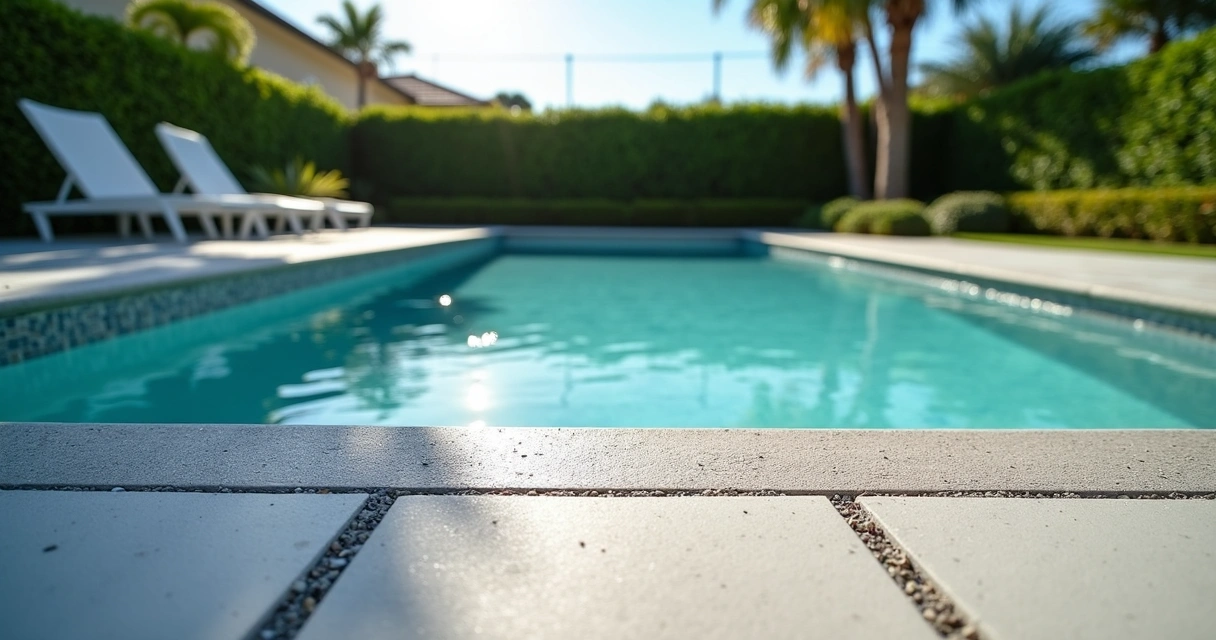
Exposed aggregate: decorative with grip
Exposed aggregate concrete finishes are chosen by those wanting added visual texture and slip protection. After the concrete is placed, we remove the upper surface paste to reveal pebbles, shells, or specialty aggregate blended in the mix.
- Slip resistance: Aggregates add “bite.” Non-polished surfaces achieve COFs at or above 0.7. The surface can be tuned to be less harsh under bare feet.
- Appearance: Eye-catching, with endless mixes of natural minerals, colors, or even recycled glass.
- Customization: Color, size, and material of aggregates can be tailored to any poolside theme.
- Maintenance: Sealers are a must, especially for protecting aggregates in sun and chlorine exposure.
When we design exposed aggregate decks, we carefully select aggregates that won’t become sharp or irritating, always aiming for comfort first. It’s a finish that often strikes the ideal balance between bold looks and wet safety.
Stamped concrete: the look of stone with engineered safety
Stamped concrete delivers the upscale visuals of slate, tile, wood planks, or stone, without the price or mess of individual pieces. During finishing, we emboss patterns into freshly-poured concrete and often use color hardeners for realism.
- Slip resistance: Slipperiness depends on sealers and stamp pattern. Some shallow patterns with heavy topcoat can feel slick. We always include a fine “shark grip” or polymer aggregate in the finish sealer for pool decks—lifting COF above minimum safety values.
- Visual choices: Mimics dozens of natural materials while providing a smooth (but not slippery) walking surface.
- Heat retention: Colors can run warmer than natural stone; lighter hues help mitigate this.
- Durability: Structural benefits of reinforced slab with a decorative protective surface.
Some clients tell us they love stamped concrete for how it ties in with their house architecture. It’s one of the most versatile finishes, as long as slip additives are included and maintained.
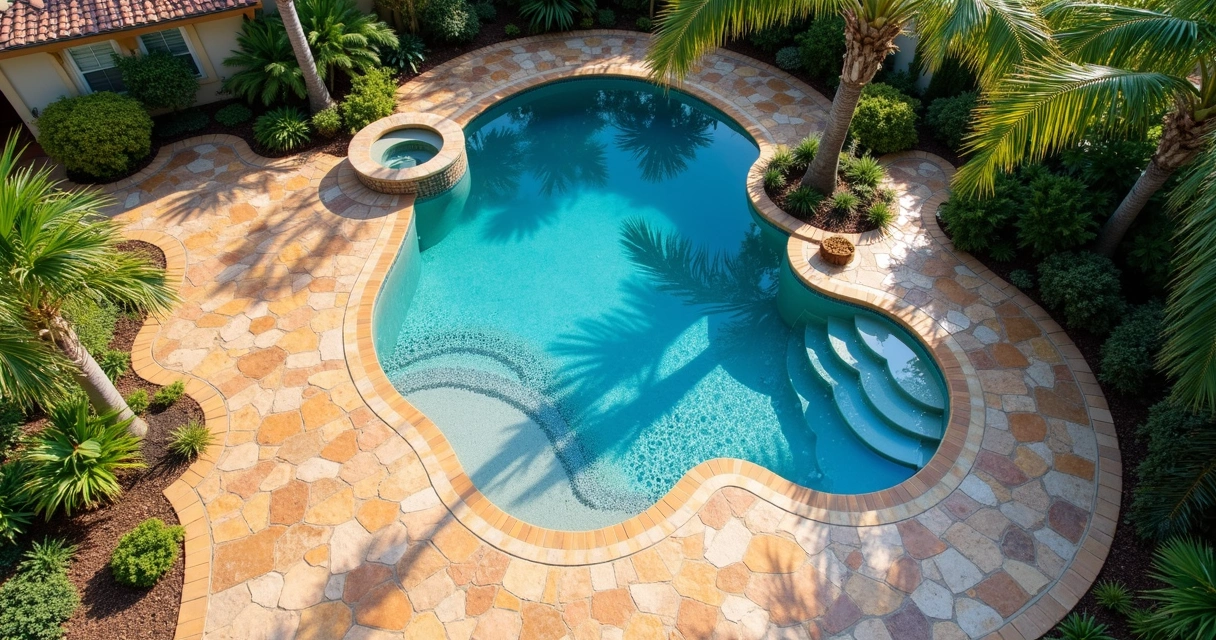
Pavers and bricks: modular and dependable
Concrete, stone, and brick pavers are common for Florida pool decks, thanks to their drainage channels and flexible finishes. Pavers can be set in sand or mortar, with sharp, compacted edges and polymeric sand filling the joints.
- Slip resistance: Textured paver surfaces and joint sand lines provide excellent grip. Manufacturers rate surfaces for wet and dry slip resistance, commonly meeting or exceeding the 0.6 COF standard.
- Patterns: From traditional herringbone to modern geometric layouts, design options match any home.
- Drainage: Joints between pavers make standing water rare, even after stormy weather.
- Maintenance: Easy to replace cracked or stained pavers individually, helping long-term appearance.
We recommend paver decks especially for properties requiring frequent utility access or with shifting ground, since individual pieces are easy to reset or swap. Our hardscape solutions show many examples of long-lasting, slip-safe paver installations.
Spray and texture overlays: non-slip retrofits
Not every client wants to replace their entire pool deck. A spray or texture overlay is often used to renew old or worn concrete. The process involves spraying or troweling a durable cementitious or polymer mix, then adding slip-resistant texture with trowels, brooms, or broadcast quartz.
- Slip resistance: Sprays and textures can be tuned for safety, often surpassing new broomed concrete in grip (COF 0.7+). Broadcast quartz or silica sand works especially well for aggressive texture without roughness.
- Customization: Endless combinations of colors, patterns, and textures.
- Heat retention: The “knockdown” finish often used is comfortable under bare feet and stays cooler than many stamped surfaces.
- Maintenance: Occasional resealing and gentle cleaning extend a quality overlay’s life.
Overlay systems are one of our favorite ways to salvage structurally-sound decks with poor traction. The right product, installed by professionals, transforms tired concrete into safe, elegant pool surroundings in just days.
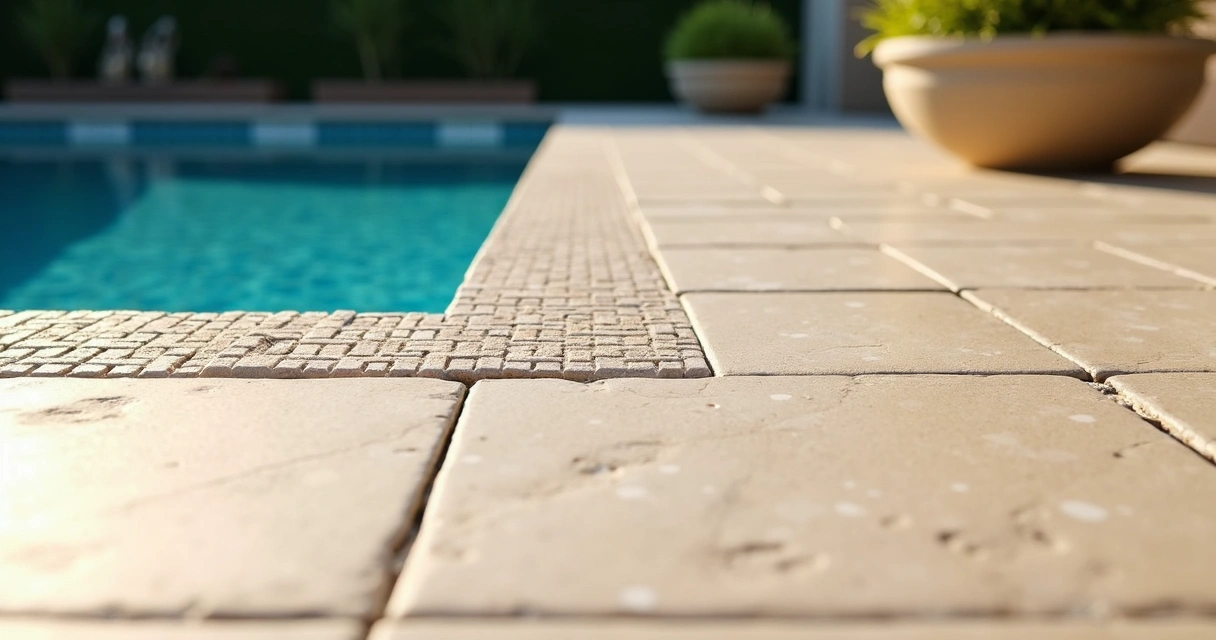
Epoxy coatings and polyaspartic floors: modern solution for covered decks
These coatings bring a contemporary look, fast cure times, and extreme durability. We apply 100% solids epoxy or polyaspartic systems after careful prep, grinding, and moisture testing.
- Slip resistance: These smooth coatings are slick unless we add anti-slip media, such as quartz, color flakes, or aluminum oxide grit. Once added, they perform well for both barefoot and wheel traffic.
- Customization: Color, pattern, and texture possibilities are nearly endless—flecked, solid, or metallic looks are common.
- Best uses: Most often chosen for covered lanais, outdoor kitchens, or shade pavilions, rather than exposed open decks.
- Care: Sweep and mop—coated floors are easy to keep clean.
While epoxy isn’t usually picked for large pool decks, it’s a great fit for transition areas or modern homes with screened enclosures. Our work frequently features these finishes in garages, warehouses, and residential sunrooms. You can see more about these specialty coatings on our dedicated coatings services page.
Key tips for maximizing slip resistance and longevity
No matter which surface finish you select, a few key choices can have huge effects on both safety and the life of your pool deck:
- Choose lighter colors: They reflect UV and stay cooler, reducing foot burns and deterioration.
- Add grit: Sprinkle non-slip aggregates into topcoats, sealers, or overlays for a tactile grip boost.
- Drainage matters: Grade deck surfaces to direct runoff away from the pool and house, preventing both slick spots and long-term water damage. Our patio paving solutions consider drainage first when designing any outdoor space.
- Seal and refresh as needed: Even the safest surface wears down. Regular sealing not only preserves color, but helps keep grip values up, especially on decorative finishes.
- Clean regularly: Algae, sunscreen, and Florida pollen can all turn a safe deck into a slip zone.
- Don’t forget the edges: Coping stones, steps, and transition areas see a lot of traffic. Non-slip nosings or grip tapes prevent most tumbles in these spots.
If you’re ever unsure, we recommend scheduling a professional assessment. A good installer will test the surface, advise on retrofit options, and provide a written warranty for both finishes and slip ratings.
Comparing finish costs and timelines
Cost and project time often shape your final decision. We’ve learned that comparing price alone rarely tells the full story for pool decks:
- Broom/salt finish: The starting point for most new slabs; also the fastest to install. Often lower cost, depending on site prep and grading needs.
- Exposed aggregate: Moderately higher cost due to custom aggregate and finishing process.
- Stamped concrete: Most complex and decorative, with cost reflecting extra labor, colorants, and specialty sealers.
- Pavers: Price varies by material and base, but allows for repairs and upgrades over time.
- Spray/texture overlays: Great value for updating old decks without demolition. Labor-intensive prep, but limited disruption and debris.
- Epoxy/polyaspartic coatings: Investment pays off in specific areas needing ultra-durable, stylish flooring.
Every property is different—edge details, curves, steps, and slopes can all shift labor and material costs significantly. Our approach at GCM Best Services always includes a clear schedule and written warranty, so you avoid surprises and costly delays.
Our process for slip-safe, beautiful pool decks
From our first walk-through on your property, to the final sweep and handover, we prioritize clear communication and on-time service. Here’s how we work:
- Free on-site assessment: We inspect both existing and proposed decks, check your drainage, shade, and traffic patterns, and recommend finishes based on your goals.
- Estimate and design: We provide a detailed quote, options for slip-resistant finishes, and color samples.
- Permits and scheduling: We coordinate with HOAs and local officials as needed, and confirm a work schedule that minimizes disruptions.
- Execution: Our licensed crews work cleanly and efficiently, sharing progress photos and updates throughout.
- Final walkthrough and warranty: We guide you through care and maintenance, offering a written warranty for peace of mind.
The right finish means years of worry-free gatherings by the pool.
Conclusion: The right finish for Florida’s unique pool decks
Slip resistance isn’t just a code requirement; it’s the difference between relaxing afternoons and ruined weekends. In Central Florida, your pool deck needs a finish that stays safe through sun, storms, and constant use. We’ve built, repaired, and upgraded hundreds of decks across Orlando, Tampa, and nearby areas—each one unique in its surface, color, and challenge.
With options like broom, salt, aggregate, stamped, spray overlays, pavers, and specialty coatings, every style and safety need is covered. Our advice? Choose finishes with proven slip performance, invest in clear drainage and maintenance, and always work with licensed, insured pros like the team at GCM Best Services. Start with a no-obligation site visit and let’s find the right solution for your space.
Ready for a professional quote? 📞 (407) 250-1948 • 24–48h • Orlando, Tampa & area.
See more about concrete finishes and outdoor living upgrades on our website.
Frequently asked questions about slip-resistant pool decks
What is slip resistance for pool decks?
Slip resistance is a measure of how much grip a surface provides for feet and shoes, especially when wet. For pool decks, higher slip resistance reduces the chance of falls in splash zones and keeps everyone safer. Values like the Coefficient of Friction (COF) factor into how a material is rated—wet COF of 0.6 or more is often recommended for residential pool surrounds in Florida.
Which pool deck finish is safest?
The safest pool deck finishes for most Florida homes are broom-finished concrete, pavers with rough textures, and spray texture overlays imbued with slip-resistant additives. Each offers wet traction, but the best choice depends on your deck’s shape, maintenance needs, and appearance preferences. Always ask your contractor to confirm slip resistance numbers and check for proper sealer application.
How to improve slip resistance on decks?
Improving slip resistance usually means increasing surface texture or adding anti-slip products. Techniques include broom or knockdown finishes, broadcasting quartz or fine grit, and choosing lighter colors to keep surfaces cooler and drier. For decks already in place, a spray overlay or special anti-slip sealer can upgrade safety quickly and affordably.
How much does a slip-resistant deck cost?
Costs vary based on size, materials, and prep needs. Broom or salt finish concrete decks typically cost less than stamped or paver options, while resurfacing overlays offer a cost-effective upgrade for worn-out areas. We advise clients to consider long-term value—safe, lasting surfaces often prevent more costly repairs down the road. For an accurate estimate, we recommend a free on-site quote.
What are the best finishes for Florida pools?
The best finishes for Florida pool decks are those that excel in slip resistance and weather durability. Broom finish concrete, exposed aggregate, spray texture overlays, and modular pavers all offer outstanding non-slip performance and can be tailored to a wide range of styles. Choosing an option that suits your pool and lifestyle ensures both safety and beauty for the long term.