Primary keyword: paver patio repairVariants: brick patio repair, patio restoration, fixing uneven pavers
Audience: Central Florida homeowners and businesses with paver patios, worried about safety, appearance, or longevity.
Pain/Benefit: Hesitation or confusion about when simple patio wear turns into a big problem—potential for water damage, tripping hazards, or permanent structural decline.
Summary: Paver patios bring beauty and function to Central Florida homes, but our climate and soil can take a toll. Spotting issues early can help avoid larger repairs and safety risks. We’ll share how to recognize the top five warning signs that mean it’s time to contact professionals, based on our hands-on experience at GCM Best Services and research-backed practices. If you act promptly, you can extend your patio’s life, restore safe footing, and protect your investment.
- Why patios degrade in Central Florida
- Warning sign 1: Major sinking or heaving
- Warning sign 2: Hazardous gaps, loose, or wobbly pavers
- Warning sign 3: Deep cracks, breaks, or crumbling edges
- Warning sign 4: Drainage problems and pooling water
- Warning sign 5: Joint sand gone or weed and moss invasion
- Why prompt repair matters
- How professionals (like GCM Best Services) address these issues
- What to expect from a repair project in Central Florida
- Conclusion and action
- Frequently asked questions
Little problems can quickly become big ones under the Florida sun and rain.
Why patios degrade in Central Florida
Let’s admit it: paver patios in Orlando, Tampa, and the wider Central Florida area face conditions that accelerate wear. Intense UV, heavy rain, sandy soils, and unpredictable tree roots create a tough environment. Over time, what starts as a perfectly smooth and solid patio may shift, settle, or crack—sometimes sooner than expected.
We’ve seen patios that looked flawless after installation start to deform or lose joint sand within just a couple years, especially with improper base prep or poor drainage. Central Florida’s combination of clay spots and shifting sand is notorious for uneven settling. When you add in occasional hurricanes or tropical storms, the risks climb further. In fact, technical guidance from the Federal Highway Administration shows that delaying repairs often makes problems multiply and safety hazards increase.
Yet, many homeowners hesitate to call in professionals early. We get it—no one wants to overreact. But when we wait, little issues don’t just sit there. Especially with patios, wear and tear compounds as time passes.
Warning sign 1: Major sinking or heaving
The ground beneath Central Florida’s patios is rarely as consistent or stable as it looks. Over time, sub-base erosion, poor initial compaction, or intruding roots can cause pavers to dip, bulge, or form bumps. We call this sinking (subsidence) or heaving (upward movement).
Telltale clues include:
- Sections of patio lower than others—water may pool here after rain
- Pavers sitting at different heights (may notice trip hazards)
- Bumps or raised areas, sometimes from roots beneath
Our technicians have seen patios drop by several inches after a single season of especially heavy rain. The 2007 Virginia Transportation Research Council study on brick paver installations found significant deformations as soon as 18 months after completion—often from base instability or drainage problems.
Sometimes, when we’re called for repairs, we see that surface pavers were reset again and again, but deeper issues were left untouched. If you see multiple uneven sections, wavy surfaces, or a patio that feels lumpy underfoot, it’s a clear warning sign to seek professional re-leveling.
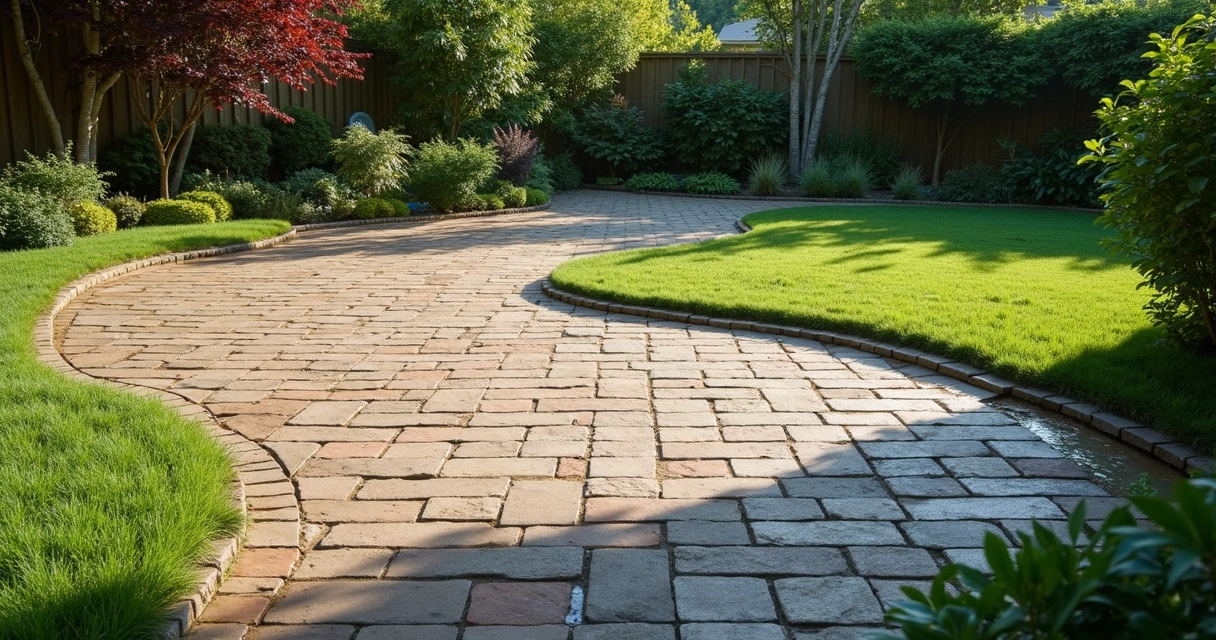
Warning sign 2: Hazardous gaps, loose, or wobbly pavers
Patios should always feel steady and cohesive. If you notice:
- Pavers that wobble, rock, or shift when walked on
- Visible, growing gaps between pavers
- Edge pieces pulling away, even detaching from borders
This means the interlock—the system that keeps your pavers tightly together—is breaking down. Our crews at GCM Best Services see this a lot after heavy rains or poorly compacted sand bases. In many cases, kids or visitors trip on these loose stones. If the instability is widespread, DIY fixes rarely hold up. Missing edge restraints or worn joint sand often turn small shifts into much larger repairs down the road.
One family told us their patio became a maze of loose stones after just two rainy seasons. The sand base had washed out, and tree roots were pushing whole rows of pavers upward and outward. In line with peer-reviewed research on tree root effects, root upheaval can quickly make patios both unsightly and unsafe. By the time we’re contacted, it usually takes more than just resetting a few bricks—we end up rebuilding entire sections and restoring the paver’s locking system.
When it moves under your feet, your patio is asking for help.
Warning sign 3: Deep cracks, breaks, or crumbling edges
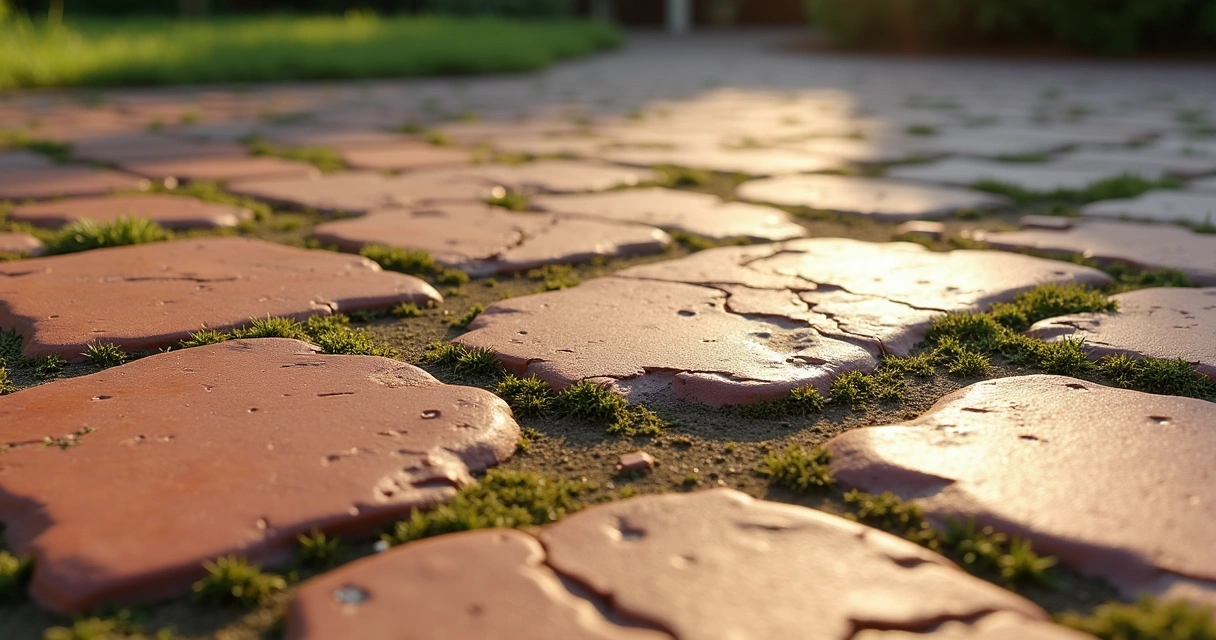
Some surface wear is normal, but cracks that go deep through pavers, broken corners, or disintegrating edges point to structural problems.
- Wide cracks, often several inches long or deep
- Pavers split or broken in half
- Edges that crumble away, turning sharp or jagged
- Surface flaking or “spalling”
This kind of material breakdown is rarely just about the pavers themselves. Often, it’s a clue that water is getting beneath and freezing, or that the base layers have shifted so much that pressure from above cracks the stones. Occasional heavy traffic (like delivery trucks on a patio not designed for weight), or sharp tools (edging, shoveling, snow removal even in Central Florida’s rare cold snaps), also accelerate breakage.
Studies from the FHWA on pavement maintenance highlight that spot repairs for cracks can keep damage contained if done early—but left alone, cracks become wide gaps, water seeps in, and entire patio sections may need replacement. We always recommend assessing any crack that reaches below the surface or runs through multiple pavers. Sometimes, it’s a symptom of problems that can’t be fixed with sealant alone.
We’ve even seen patios where so many edges have crumbled that weeds start to grow sideways through the gaps—making repair a much larger project than it would have been at first notice. Sturdy modern materials last longer, but no paver is immune to these issues when the base and drainage fail.
Warning sign 4: Drainage problems and pooling water
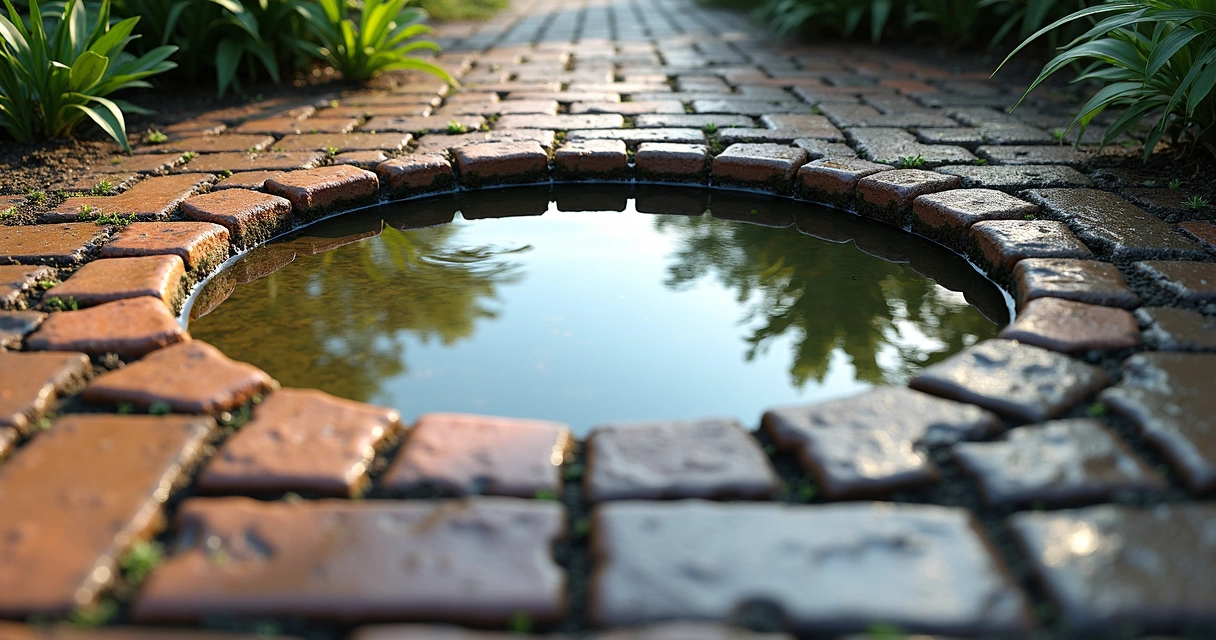
A well-installed patio should channel water away efficiently. Any standing water, puddles after irrigation, or green algae streaks mean your drainage isn’t working as it should.
- Pools of water remaining for hours after rain
- Water running toward your home’s foundation
- Algae or moss streaks forming in low spots
- Washed out sand at patio edges or under steps
Pooling water is never harmless. Florida’s nightly rains test patios constantly, and improper slope or blocked drains speed up sand erosion, base failure, and even subsidence. According to FHWA 2015 safety research, untreated drainage issues lead to both structural and safety risks. Worse, those soggy spots are prime locations for mosquito breeding or slippery algae films—making your outdoor area both unattractive and hard to use.
In our own work, we’ve found that fixing drainage often means regrading the area, rebuilding base layers, and installing proper slopes or drain channels. Sometimes the underlying problem is deeper, requiring disassembly and a new under-layer to protect your yard and nearby foundation from recurring water issues.
More tips about designing for long-term drainage in patios, driveways, and slabs can be found in our guide to preventing cracks in Florida patios and driveways. Proactive design makes a big difference here.
Warning sign 5: Joint sand gone or weed and moss invasion
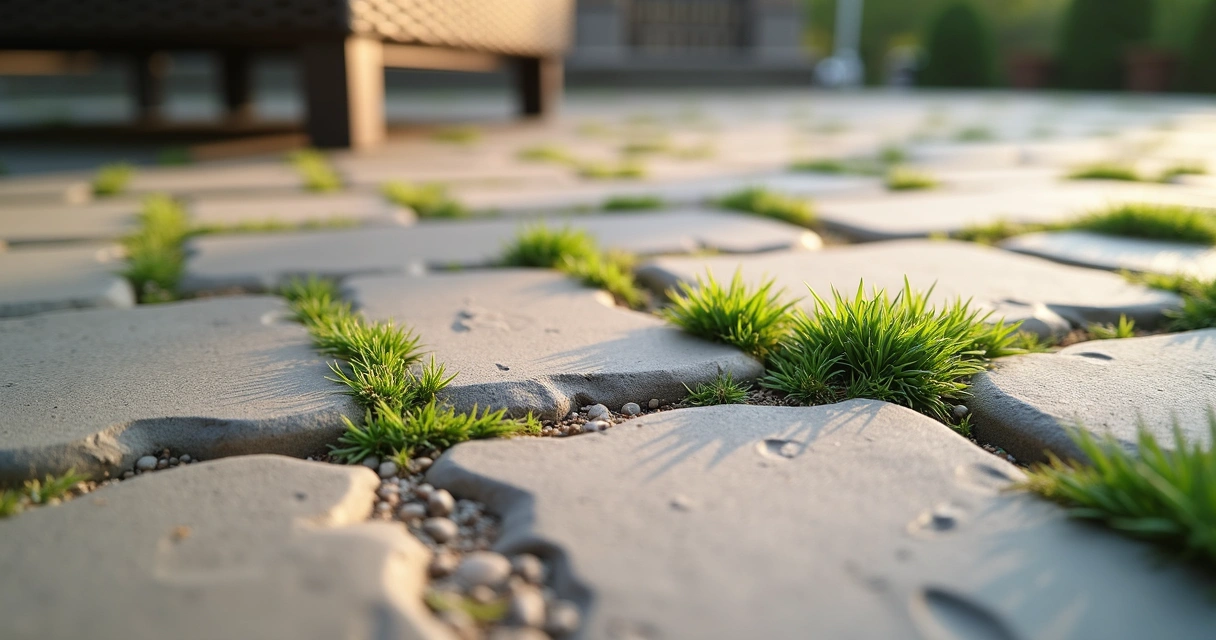
Finally, the smallest clues are sometimes the most telling. Over time, the special sand packed into the joints (gap-filling) between pavers gets washed out, blown away, or replaced by opportunistic weeds and moss. Joint failure never happens overnight, but creeping greenery and empty lines show moisture is finding a way in—and the patio is at risk.
- Visible empty lines or deep crevices between pavers
- Prolific weed growth or moss mats
- Ant mounds pushing up joint material
- Sand from joints washed onto surface after a storm
This problem might seem harmless at first, yet it’s one of the leading reasons we’re called to restore or repoint patios. Once sand washes out, pavers shift, gaps widen, and water reaches the supporting layers below. Before you know it, the patio feels loose, trips are more common, and visual appeal is lost. Florida’s humid, rainy climate makes this a near-universal struggle for local patios.
Addressing this early is always the best policy. Replacing polymeric or stabilizing sand and resealing can halt the cycle—if action is prompt—saving much larger repair bills.
Why prompt repair matters
Why act early? Because ignoring these warning signs leads to compounding problems. Research shows that prompt interventions—like joint refilling, leveling, or partial reconstruction—extend the life of paver patios and prevent much longer, costlier repairs or replacements (FHWA technical guidance on pavement maintenance).
There’s also a social sustainability angle that sometimes gets overlooked. According to a 2023 pavement deterioration study, neglected pavements lead to increased accident risks and can actually reduce the usable outdoor space for families. We see this when clients with limited mobility avoid their patio entirely because of uneven surfaces or trip hazards. Slippery algae blooms or loose stones become more than just a visual issue—they threaten safety.
And, not least, insurance and HOA requirements sometimes require safe access and tidy property appearance. Deferred repairs or evident hazards may expose homeowners to liability, or fines in managed communities. Doing repairs early is rarely only about cosmetics.
How professionals (like GCM Best Services) address these issues
Fixing a failing patio is more than just resetting a few bricks. Here’s what a professional team like ours at GCM Best Services brings:
- Thorough inspection. We assess base conditions, not just what’s visible on the surface.
- Drainage correction. If pooling or runoff is noticed, we regrade or install drains to solve root causes.
- Base repair and compaction. Poor or eroded sand layers are rebuilt, compacted, and checked for proper slope.
- Paver reinstallation. Damaged stones are replaced, loose ones are reset to proper height and alignment.
- New joint sand and sealing. We use specialized polymeric sand or stabilizers to resist erosion and weed growth.
- Edge restoration. Borders are rebuilt so pavers don’t drift outward or away after storms or repeated use.
Our warranty-backed process includes thorough site clean-up, photo documentation, and a final walkthrough to ensure no hazards remain. For projects with HOAs, we handle approvals and documentation. If you’re thinking about a new patio instead, it’s worth seeing the difference that high-quality hardscape and paving installation and ongoing care can make.
What to expect from a paver repair project in Central Florida
Concerned about what happens next if you call for help? Our local homeowners and business clients typically experience:
- On-site assessment and honest discussion of repair options (not every patio needs a full rebuild!)
- Written quote, timeline, and photo documentation along the way
- Handling of permits, drainage planning, and best-practice base compaction
- Clear jobsite, friendly crew, and disruption kept to a minimum
- Walkthrough and final checklist, with guidance for future upkeep
Each patio is unique. Some projects are one-day tune-ups. Others—especially if base and drainage have failed—may involve deeper work, like adding new compaction layers, correcting slopes, and resetting every paver. But in nearly all cases, prompt action keeps costs lower, downtime shorter, and the risk of wider property damage at bay.
For more information about ongoing patio care, visit our insights on hardscape care and see more discussions of successful repairs on our hardscaping resource page.
Conclusion and action
In our experience across Central Florida, the five warning signs—sinking or heaving, loose or unstable pavers, deep cracks or crumbling, drainage troubles, and missing joint sand (with weeds or moss)—are a reliable checklist for when your paver patio needs professional attention. Spotting these early means you can protect the value, safety, and enjoyment of your outdoor space for years to come.
We think the best patio is one you never have to worry about.
If your patio shows one or more of these warning signs, we’re here to help with repairs that last. Ready for a professional quote? 📞 (407) 250-1948 • 24–48h • Orlando, Tampa & area.
Frequently asked questions
What are common paver patio problems?
Common problems for paver patios include uneven or sinking sections, loose or shifting pavers, wide cracks or breaks, pooling water, and loss of joint sand with weed or moss growth. In Central Florida, shifting soils, heavy rain, and invasive roots are main causes. Sometimes, patios suffer from improper installation, erosion, or drainage issues, which we see frequently on repair calls.
How to know if my patio needs repair?
If you notice uneven surfaces, movement underfoot, tripping hazards, visible water pooling after rain, or widespread weed growth between pavers, it’s time to have your patio checked by professionals. Deep cracks, crumbling edges, and pavers pulling away from borders are also signs that repairs are needed. Usually, we can determine the scope of repair with a thorough on-site assessment.
Is it worth it to repair old pavers?
Most of the time, yes. Repairing an older patio is often more cost-effective—and environmentally friendly—than replacing the entire structure, especially if the base and most stones remain in good shape. Timely restoration prevents compounded damage and brings new life to the outdoor area. We recommend evaluating the base condition and overall drainage first, which our team at GCM Best Services includes in every estimate.
How much does patio repair cost?
Repair costs depend on the size of the problem, how much surface and base work are needed, and whether materials must be replaced or re-set. Simple joint sand replacement or isolated resetting might be affordable, but regrading or full section rebuilds can be more expensive. We always provide clear estimates, timelines, and options before starting work in Central Florida.
Where to find professional paver repair?
The best choice is to trust a licensed, insured contractor like GCM Best Services that specializes in local patio and hardscape repairs. We have years of experience with Florida’s unique conditions, and our process ensures work aligned with current code, proper HOA handling, and lasting results. You can learn about our approach, see case studies, or request an assessment any time.