Understanding your residential concrete warranty is more than reading small print; it’s the confidence that your driveway, patio, or sidewalk investment stands on solid ground. At GCM Best Services, we see how a clear warranty transforms uncertainty into trust for Central Florida homeowners. Let’s go step by step through the details that matter, so you’ll always know what’s covered, what’s not, and what actions secure your rights long after the concrete sets.
Why your concrete warranty matters
When you bring a team like ours into your Orlando-area project, you want peace of mind. A warranty is a promise: that your investment is protected, and that issues caused by workmanship or product faults will be handled professionally.
Most new home or improvement warranties are spelled out in contracts. As the Federal Trade Commission explains about builder warranties for new homes, these documents typically define specific coverage for components, coverage periods, and conditions that may exclude some types of damage. The language often seems tedious, but each clause has weight—especially when a problem arises.
A concrete warranty is not just paper; it’s the backbone of your project’s long-term value.
We see concrete projects as multi-year commitments. Reading that warranty right from the start, and knowing what is fair to expect, leads to fewer frustrations and more successful outcomes.
Primary sections of a standard concrete warranty
We’re often asked what “standard” means with a concrete warranty. While some variations exist, most reputable Florida contractors include similar key sections:
- Coverage period: Length of warranty, start and end dates.
- Scope of coverage: Which defects or failures are included.
- Exclusions and limitations: Problems or causes not covered.
- Homeowner responsibilities: Required care and maintenance.
- Procedures for making a claim: How you report issues and what steps follow.
- Remedies and contractor obligations: What actions the company will take if your claim is approved.
You’ll notice that language can vary. Some companies use “warranty,” others “guarantee,” but the format remains similar. Knowing these elements early makes reading any contract smoother.

What does your coverage period really mean?
The term “coverage period” can be misleading. Often, it means the time from final project completion (when you sign off after a walkthrough) until the end date listed in your warranty.
- Many Orlando-area contracts offer one year of coverage for concrete surface defects.
- Some specialized work, like reinforced structural slabs, can extend to two, even up to five years for certain aspects.
- Industry best practices, supported by FTC recommendations, suggest different durations for separate items—expansion joints or finishes may not share the same timeframe.
The start date is usually the date when the final payment clears, or when you accept the finished work at walkthrough. Be sure any handover comes with written confirmation.
If the warranty covers “materials only” past one year, this means the company covers the concrete (or other product) cost for defects, but not the labor. This clause can be hidden in the fine print—always ask!
Defining what’s covered—and what isn’t
Understanding the “scope of coverage” is fundamental.
Most concrete warranties cover:
- Major cracking (usually wider than 3/16”)
- Surface spalling and flaking unrelated to homeowner actions
- Delamination or scaling caused by mix or installation errors
- Improper sloping or drainage leading to water pooling
- Structural failures within the normal load design
However, you’ll notice there’s a “but” coming…
Standard exclusions often include:
- Hairline cracks (less than 1/8” or 1/16”, depending on the contract)
- Damage from overloading (parked heavy vehicles or machinery)
- Chloride/chemical attack from de-icing agents
- Cosmetic defects that develop over time (minor color variation, non-structural crazing)
- Settling from soil movement or erosion if outside specified compaction
- Neglected maintenance or improper home repairs
Here’s where reading carefully matters. We’ve seen people assume small cracks would be fixed by warranty—even though nearly all concrete, given Florida’s soils and climate, will show fine expanses, especially in the first year. This is natural. If you’re unsure, images and notes taken during the walkthrough help clarify future claims.
What are your responsibilities as the homeowner?
Reading your warranty is only the first step. You also have to play your part to keep coverage valid.
- Follow the care guide:We provide a concrete care and maintenance guide at project completion. This will cover curing time, cleaning advice, draining practices, and what not to do (like using chemical de-icers).
- Keep proof of maintenance:Save receipts if you hire someone for resealing, cleaning, or repairs. Even simple notes about cleaning frequency can help if a problem ever arises.
- Report issues promptly:If cracks, flaking, or drainage issues appear, contact us immediately. Most warranties require reporting within 30 days of noticing a problem.
Acting fast protects your coverage. Delay, and you may lose certain rights.
Our walk-through process helps set these standards from the start, but always keep your copy of the warranty, care guide, and project photos together for reference. This makes dealing with claims or questions much simpler down the road.
How exclusions and limitations impact claims
The exclusions list is where many misunderstandings happen. It’s easy to focus on the “what’s covered” highlights, but missing the “what isn’t” fine details can lead to frustration.
Common exclusion examples:
- Tree roots: Lifting and cracking caused by nearby tree or shrub growth is rarely covered.
- Irrigation: Flooding or erosion from sprinkler leaks or poor water control is excluded.
- Unauthorized repairs: Repairs done by anyone other than the installing contractor may void coverage.
- Extreme weather: Hurricanes, floods, and natural disasters are never covered under a workmanship/materials warranty.
Some homeowners believe regular wear and tear damage—like light tire marks or color fading from the sun—are defects, but these are natural aging processes and considered normal by industry standards.
The more precise the language, the less confusion later. We recommend reviewing our contractor guide (“Concrete Repair Near Me: Licensed Contractors Guide“) for more background on how professional documentation helps.

The claim process step by step
If you have a problem covered by your warranty, what should you expect? Each contractor may have a different process, but the usual claim path looks like this:
- Identify the defect:Take clear digital photos, note the date you first saw the issue, and measure cracks or affected areas.
- Notify the contractor:Send a written notice describing the defect, attaching evidence (photos, original warranty, and referring to your job number or address).
- Inspection:A team member reviews the site, compares it to your contract and warranty, and determines root causes.
- Decision and remedy:If it’s covered, the contractor schedules repair or replacement work, supplying a written plan. If not, they’ll provide an explanation based on the contract language.
Most reputable companies, like GCM Best Services, deliver this process in writing and photograph each step for your records. (We also submit HOA forms and city inspection reports when needed, as required in Central Florida.)
Timeframes can range from days to a few weeks, especially during the busy season or when specialty concrete materials are required for repairs.
Concrete finishes, drainage, and special Florida disclaimers
Our Orlando and Central Florida environment brings extra warranty considerations. With seasonal rains, sand-heavy soils, and occasional hurricanes, drainage and finish choices cause unique issues:
- Broom vs. stamped vs. exposed aggregate:Each finish has its own normal “wear in” look—some highlight minor cracks or color shifts more than others. These are typically not covered unless caused by installation errors.
- Drainage planning:Pooling or poor runoff caused by drainage design issues may be covered if included in your work order/design. Water erosion from landscaping or home alterations after installation is not.
- Local compliance:City and county building codes may affect what’s covered. For example, changes you make to your property that affect expansion joints or drainage can void parts of a warranty.
Curious about choosing the right company and design? Read our Orlando company selection guide for insights about documentation and code compliance.
The role of photos, walk-throughs, and communication
In our experience at GCM Best Services, open communication always wins. From the first visit, we take photos and share written notes—before, during, and after your project. These aren’t just for show: they serve as vital references should any warranty question arise.
- A thorough job-site walk-through with the installer before sign-off lets you spot anything that needs fixing before the clock starts ticking on your warranty.
- Project photos document finishes, joints, and slopes, proving what was delivered and how it looked on day one.
- Written maintenance reminders included in our process protect your coverage—and your investment—for years ahead.
Proper documentation is one of your best protections.
Pictures and paperwork keep expectations and outcomes aligned.
How to compare and ask about warranties before signing
Knowing what to ask upfront is empowering.
- Request a sample warranty in writing before committing.
- Ask which specific defects are covered and for how long.
- Verify if labor and materials are both included, and in what measure over time.
- Request details about exclusions, especially for settling, tree roots, or after-market repairs.
- Ask for confirmation that the project meets current city/county code and what changes would void the policy.
- Inquire about the exact process for making a claim, with typical timelines and required documentation.
We encourage homeowners to browse our concrete FAQ and guides to get more confident before reaching out or signing any contract. The difference between a simple “warranty included” statement and a detail-rich, easy-to-read warranty is dramatic—one builds trust, the other invites confusion.
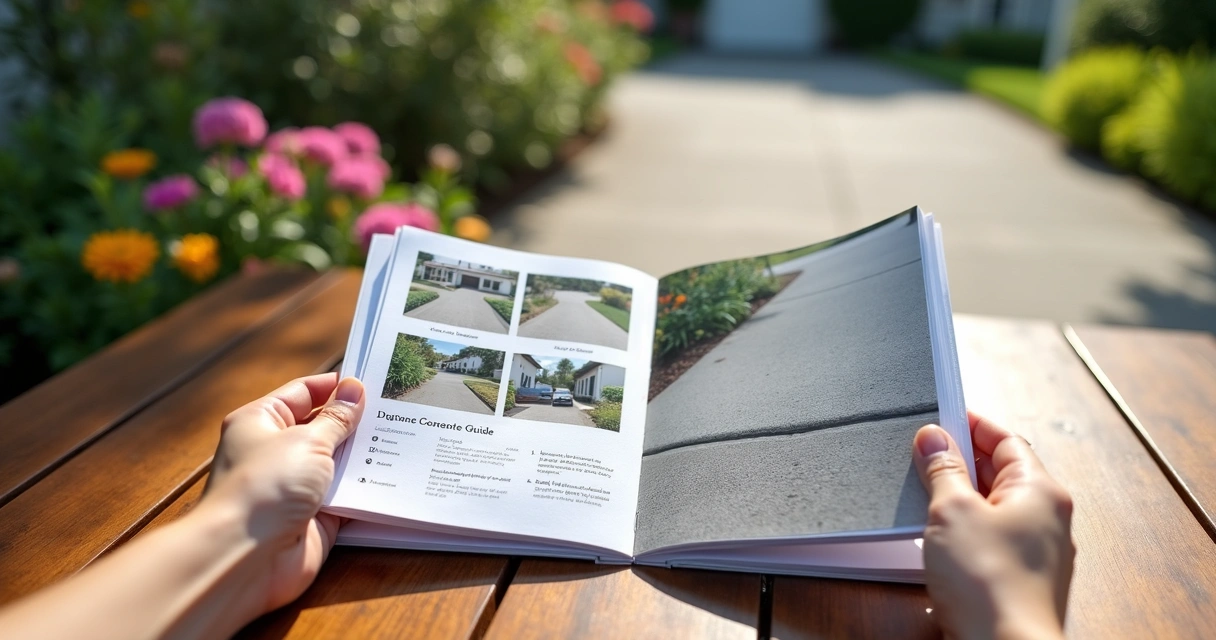
Maintaining value with regular care and periodic reviews
Once your concrete is installed and your warranty is active, maintaining value becomes a partnership:
- Stick to routine cleaning (gentle detergents only), and reseal every few years as advised.
- Avoid harsh chemical treatments or metal shovels for snow/ice or debris removal.
- Keep landscaping trimmed to prevent root intrusion.
- Watch for irrigation leaks or ponding; report standing water early.
Check in with your contractor if you’re planning any upgrades—like paver extensions, new drains, or added structures—since these can impact your coverage.
Homeowners seeking more proactive tips can find practical strategies in our article about how to prevent cracks in Florida patios and driveways. Even a small effort helps keep your project looking and performing its best for the full length of coverage—and beyond.
Putting it together: A homeowner’s quick checklist
At GCM Best Services, we believe you deserve reassurance at every step of your concrete journey. Here is a simple summary to keep nearby:
- Read your warranty fully—note coverage periods, what’s covered, and what’s not.
- Keep all paperwork, photographs, and job documents organized together.
- Follow the contractor’s care instructions, especially for early maintenance.
- Identify, document, and report defects promptly.
- If you have questions, ask for a clear written explanation before the project begins.
Clear knowledge today. Lasting peace of mind tomorrow.
For installation tips specific to your Central Florida neighborhood, check our St. Cloud installation guide and other local resources.
Conclusion: Secure long-term value with a clear warranty
We’ve seen just how much difference a thorough, understandable residential concrete warranty can make. It isn’t only a safeguard; it’s an investment in happiness and confidence. When you work with our team at GCM Best Services, every detail is explained, documented, and matched with clear processes from estimate to final walkthrough and beyond. Make sure your next project stands not just as a structure, but as a well-protected asset. If you’re considering new concrete work, repairs, or want to ensure your existing coverage does what you expect, we’re ready to help.
Ready for a professional quote? 📞 (407) 250-1948 • 24–48h • Orlando, Tampa & area. Get in touch and experience the difference detailed communication and a real warranty make.
Frequently asked questions
What is a residential concrete warranty?
A residential concrete warranty is a written agreement between the homeowner and the contractor stating what construction-related defects or failures will be repaired at the contractor’s expense within a set period after installation. It covers things like major cracking, spalling, and installation defects, but always comes with exclusions and limitations.
How long does a concrete warranty last?
Concrete warranties usually cover one year for most surface and material issues, though some contractor warranties—or different aspects of the work—can extend up to five years for major structural problems. Durations vary by component and by what the contract specifies, as noted in builder warranty standards from the FTC. Always check the exact start and end dates on yours.
What does my concrete warranty cover?
Your concrete warranty generally covers defects in workmanship or materials, such as major cracking, flaking, or failure from improper installation or poor drainage planning. It will not cover normal wear and tear, fine hairline cracks, damage from extreme weather events, or anything resulting from lack of proper maintenance or unauthorized repairs.
How do I file a warranty claim?
To file a warranty claim, document the problem in detail (take photos and measurements), notify your contractor in writing (with your project details and evidence), and arrange for a site visit or inspection. Follow their claim process, which will usually include a company review, decision, and written repair plan if your claim is approved. Quick reporting and good records increase the likelihood of your claim’s success.
Is a concrete warranty worth it?
In our experience, a clear concrete warranty gives peace of mind and helps protect your investment from unexpected problems caused by material or installation errors. Even if you never need a repair, this documented protection helps ensure your project is built to high standards and makes communication with your contractor much easier if issues arise.