If you’ve ever wondered why some concrete driveways and patios in Central Florida seem to last for decades while others crack by the next rainy season, the answer lies in the details. Quality starts long before the first truck rolls in. It’s about site prep, smart design, and applying proven techniques that match the region’s humid climate and sandy soils. This guide unpacks each step in the journey from bare ground to finished concrete, using standards outlined by major Florida agencies and the hands-on expertise of GCM Best Services. If your goal is a driveway or patio that stays safe, looks great, and weathers the years—read on.
Understanding what makes Central Florida concrete special
Building with concrete in St Cloud and surrounding areas isn’t quite the same as up north or out west. With our sandy, sometimes shifting ground, high water table, and daily summer storms, certain steps matter much more than you might think. Local code, FDOT requirements, and experience all point to the same thing: a strong foundation and careful planning prevent most problems down the road.
Strong concrete starts with a solid base.
Site preparation sets the stage
The first thing pros do? They don’t pour concrete. They prepare the ground. Here’s what that looks like around St Cloud concrete projects:
- Excavation and clearing: Remove any grass, roots, or old paving down to the desired depth—typically 8 to 10 inches for driveways in this region.
- Soil testing: Sometimes, testing for moisture and compaction is performed, especially if there’s a history of flooding or settling.
- Compacting the sub-base: For Florida soils, 6 to 8 inches of well-compacted crushed stone or lime rock base is best, as confirmed by FDOT Materials Manual. This step makes all the difference for stability and drainage.
- Edge forms set and leveled: These define the shape and keep the concrete in the right spot.
- Drainage planning: The site is graded so water always flows away from the house or building. Little tweaks now—like adjusting slopes just right—truly prevent headaches later.
At GCM Best Services, our teams often take “before” photos and track these steps for each client, so there’s a record of careful prep.
Choosing the right reinforcement and mix
Next comes what goes inside your concrete: the steel and the recipe. Here’s why both matter, and how to spot shortcuts that can cost you.
Concrete thickness
For most St Cloud driveways and patios, the slab should be at least 4 inches thick—sometimes 6 if heavy vehicles are expected. Sidewalks are often 4 inches, though areas crossing driveways may go deeper, following FDOT design standards.
Reinforcement: rebar and mesh
- Rebar: Usually #3 (3/8″) or #4 (1/2″) steel bars, spaced at 18–24″ on center both ways, set in the lower third of the slab for maximum bending resistance.
- Welded wire mesh: Sometimes used for patios and sidewalks, mesh adds crack resistance across the whole surface but isn’t as strong as rebar in driveways.
Mesh and rebar are sometimes used together for more demanding jobs. The goal: keep slabs together, even if the ground shifts a little.
Concrete mix selection
For Florida weather, a 3,000–4,000 PSI mix is typical. Driveways: 3,500–4,000 PSI for toughness. Patios and walkways: often 3,000–3,500 PSI. Mixes can include additives to speed up curing, boost strength, or resist moisture intrusion. These recommendations match the FDOT concrete acceptance process and are proven locally by projects we’ve seen hold up for years.
Step-by-step installation process
- Final grading and checks Just before the pour, crews verify slopes, check sub-base thickness, inspect compaction, and double-check drainage. Any soft spots or low areas get fixed now, not later.
- Placing forms and reinforcement Forms are locked in, level checked, then rebar or mesh is installed and elevated on small supports called chairs. These keep steel at the right depth so it does its job.
- Moisture barrier and testing For patios or garages, a polyethylene sheet might be laid down under the slab to stop ground moisture. Sometimes a quick field moisture test is done—if the base is too wet, it’s best to pause. This step lines up with advice from FDOT design update training.
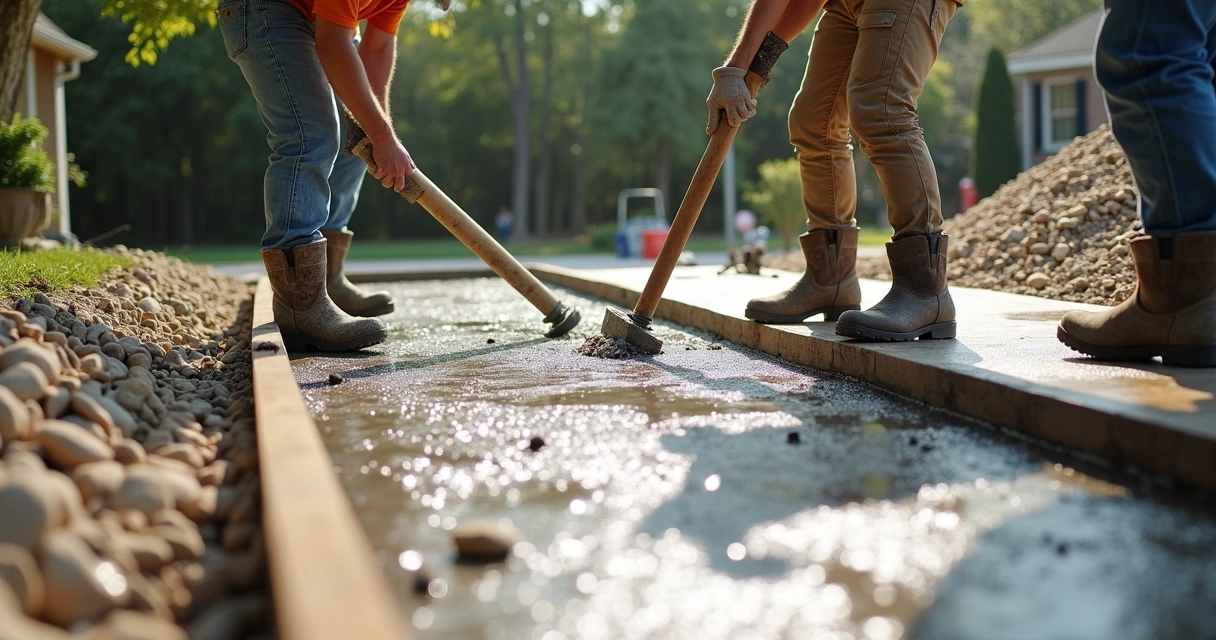
- Pouring the concrete Concrete arrives by truck, poured into forms section by section. Crews spread it quickly, making sure there are no air voids underneath or pockets that could weaken the slab later.
- Finishing and texture Most driveways get a broom finish for slip resistance and easy cleaning. Patios might be broomed or receive a stamp pattern or exposed aggregate. Edges are shaped smooth, control joints cut (or tooled) at tight intervals—typically every 8–10 feet for driveways—to control where cracks occur.
- Joint work and curing Expansion joints (with fiber or rubber strips) go where slabs meet structures or other slabs, letting concrete move safely. Control joints guide any future shrinkage cracks along a neat line.
- Initial curing Concrete is kept damp for about 7 days using gentle mist, curing blankets, or a spray-on compound. This makes it much tougher and less likely to form surface dust or weak spots.
 Why joint placement and curing matter so much
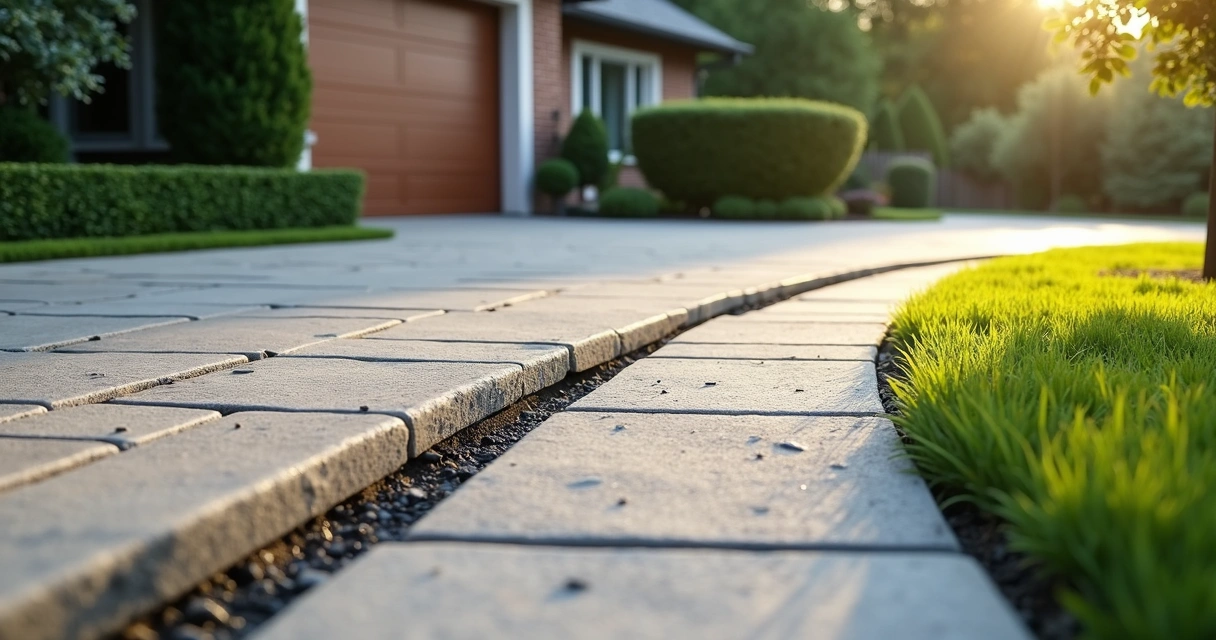
Joints are not just lines—they’re the reason a beautiful driveway doesn’t split into zigzags. Concrete wants to crack as it dries and shrinks; joints give it a safe place to do that without harming the slab. The FDOT design standards explain the best patterns and spacings. As a rule, joints are spaced 8–12 feet apart for driveways, a little closer for sidewalks or narrow slabs.
Proper curing stops surfaces from drying too fast, which can make them weak. It also strengthens the slab from the inside out, so heavy trucks and daily use won’t wear it out quickly. GCM Best Services always documents this phase—sometimes with time-stamped photos—so customers know it was done right.
Drainage planning: small details, lasting results
Water is concrete’s biggest long-term enemy. Standing water in low spots leads to stains, slipping hazards, and—even worse—freeze-thaw damage, although that last one is rare in Florida. Here’s how pro installers, using best practices and recommendations from resources like the FDOT construction project administration manual, fight back:
- Set forms so the slab always slopes slightly away (at least 1/8 inch per foot)
- Include surface drains or french drains where ground slopes back toward the house
- Avoid trapping water beside structures with careful grading and curbing
- Check gutters and downspouts nearby—they shouldn’t dump on or near the new slab
Good drainage now means fewer repairs later.
 Permits, HOA, and inspections: what to expect
No detail is too small when projects have to meet city codes and HOA standards. Here’s what usually happens:
- Permits: Nearly every new driveway, patio, or major repair in St Cloud requires a permit. This process checks for proper setbacks, thickness, and, in some cases, ADA compliance for walkways.
- HOA approvals: If you live in a community with covenants, color and finish choices, placement, or even the type of reinforcement may need written approval before starting. GCM Best Services manages these steps, submitting design layouts and photos for your records.
- City inspections: Expect at least one inspection before pouring and sometimes after completion. City or county staff check forms, base, drainage slopes, and reinforcement, following local standards.
It might seem like hoops to jump through, but when your finished patio is done fast, passes all tests, and comes with a permit sticker on file, you’ll see the difference it makes.
Finishing options: broom, exposed aggregate, and stamped looks
Finishing isn’t just about looks; it also affects safety and wear. Some popular finishes for St Cloud concrete projects:
- Broom finish: Classic slip-resistant parallel lines perfect for driveways or sidewalks.
- Exposed aggregate: Launders away the top paste, revealing pebbles or chips for an eye-catching, gritty surface—less slippery when wet.
- Stamped patterns: Mimic brick, stone, or tile, often with color. These look elegant for patios and pool decks but need strong sealing to avoid stains from Florida’s rainy season and oak leaves.
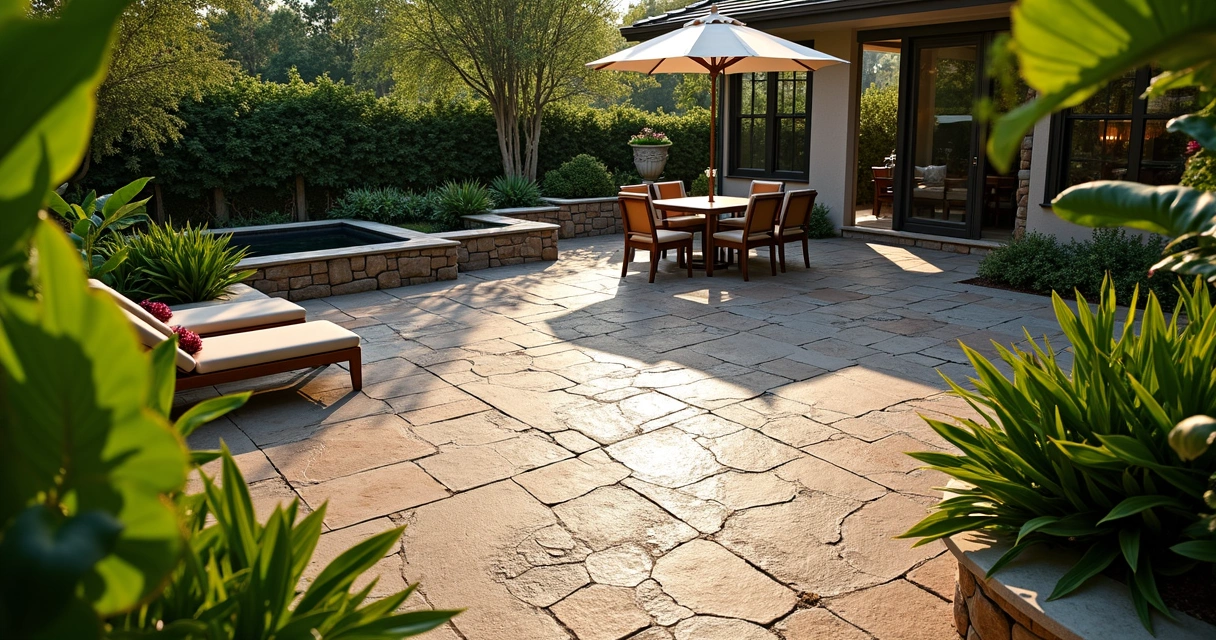 At GCM Best Services, we match the finish to your lifestyle. For families, kids and bikes mean slip resistance gets top rank. For entertainers, sometimes picking a pattern or color that fits the poolscape or garden is the main goal. There are choices for every taste and need.
Maintenance and repair: small steps, long life
Concrete is tough, but even the best driveways can develop little cracks or stains—it’s normal. A few things anyone can do to keep their patio or slab looking new:
- Clean with a hose or gentle pressure washer every few months
- Reseal decorative surfaces every 2–3 years (helps block stains and water)
- Fix small cracks with flexible filler as they appear to keep out water
- Avoid parking heavy trucks on thin slabs or using ice-melting salts (rare in Florida, but just in case!)
If you spot any signs of sinking or wide cracks, a concrete pro can often repair just that section—no need to replace the whole thing. GCM Best Services documents such repairs with before/after photos and stands behind them with a written warranty, so you see exactly what was fixed and how.
The value of written warranties and photo documentation
In a world of handshakes and promises, nothing beats a clear warranty and photos. Here’s why they matter for every concrete job:
- Photo documentation: You see every stage, from prep to finish—no guesswork.
- Written warranties: These spell out what’s covered and for how long. For GCM Best Services, that often means coverage on both labor and materials, plus maintenance tips to keep that coverage in place.
Having this paperwork helps if you ever sell your house or need to prove the job was built to standard for insurance or city questions. It invites peace of mind far beyond the first season.
Good records protect your investment.
Conclusion: turning plans into lasting results
There’s no magic in long-lasting concrete, but there is a clear process. Prep the ground, use the right mix, reinforce smartly, control moisture, and finish with care. Plan for drainage, document every step, and keep up with basic care, and your new driveway or patio can truly last. GCM Best Services uses these exact steps for each St Cloud concrete project, earning trust with thorough communication, full permits, photos, and real warranties.
If you’re thinking about a new concrete patio, driveway, or walk, don’t settle for second-guessing or shortcuts. Reach out for a free site visit and let our team craft the right approach for your property—one you can enjoy for years. Discover the difference skilled planning and real service can make.
Frequently asked questions
What is the best concrete for driveways?
Driveways in Central Florida do best with a 3,500–4,000 PSI mix rated for exterior use. This strength resists tire wear, stains, and cracking from our heat and storms. Reinforced with rebar or mesh, and finished with a slip-resistant broom texture, it’s the standard used by qualified contractors—exactly like those at GCM Best Services.
How much does a concrete patio cost?
Patio costs vary, usually from $7 to $14 per square foot, depending on thickness, reinforcement, finish type (broom, stamped, exposed), site grading, and whether decorative borders or drainage features are included. Access and prep can impact pricing as well, but most patios in St Cloud fall within this range. Estimates are always clearer after a site visit, which reputable teams often offer for free.
How long does concrete driveway installation take?
A typical two-car driveway takes 2–4 days from excavation to finished pour, plus about a week for curing before vehicles drive on it. Bigger jobs or complex designs may add a day or two. Weather or permit delays can slow things down, but clear scheduling—like the timelines GCM Best Services uses—helps avoid surprises.
Where to find quality St Cloud concrete services?
Seek out established, licensed, and insured contractors with local experience, clear written warranties, and a track record of past projects in Central Florida. GCM Best Services specializes in detailed driveway and patio installations with thorough documentation and ongoing support. Checking photo galleries and asking about process transparency helps too.
Is it worth it to seal concrete driveways?
Yes, especially in Florida’s climate. Sealing helps block stains, resists water intrusion, and makes cleaning easier. Decorative and stamped surfaces benefit even more. It’s simple, affordable, and can extend the lifespan and beauty of your concrete investment. Most pros recommend sealing every 2–3 years, and it’s a step GCM Best Services always suggests for best results.
Thank you for your sharing. I am worried that I lack creative ideas. It is your article that makes me full of hope. Thank you. But, I have a question, can you help me?