Outdoor concrete is everywhere in Central Florida—driveways, patios, sidewalks, pool decks, and more. Yet, between sunshine, storms, moisture, and changing trends, it is never as simple as “pour it and forget it.” We at GCM Best Services know firsthand how concrete can crack, fade, or grow slippery if not protected the right way, in the right place, and with the right care. So, what’s really new, what matters in 2026, and how can every property owner keep their concrete looking great year after year?
“Concrete is tough. But weather here is tougher.”
In this detailed guide, we’ll walk through selecting genuine weatherproof finishes—those that can handle UV rays, heavy Florida rain, and the wear-and-tear of everyday life. We’ll answer the practical questions you might not find in the brochures or ads. Whether planning new patios or fighting old stains, you’ll get our perspective from years of hands-on experience, local code knowledge, and hundreds of outdoor jobs across Orlando and Central Florida.
Why weatherproof finishes matter for outdoor concrete
Strong finishes do more than just look good or feel nice underfoot. At GCM Best Services, we’ve seen how the right sealers, coatings, and stains:
- Keep rain and humidity from soaking in, which means less cracking and less mold growth
- Stop fading and color loss from intense UV rays
- Improve slip resistance, which is especially valuable around pools and walkways
- Block oil, rust, and leaf stains that otherwise soak deep and never fully wash out
- Prevent concrete dusting, pitting, and surface wear from car tires or patio furniture
Over time, weatherproofing isn’t just saving you on maintenance. It protects the value of your property and extends the life of your investment. According to studies like those highlighted by Palm Beach County residential property-maintenance guidance, neglected exteriors affect not just your curb appeal but overall community safety and home resale value.
Understanding the Florida climate: unique challenges to outdoor finishes
No other place puts finishes to the test quite like Central Florida. Here, a sunny morning can turn to a 3 p.m. storm. Humidity stays high. Pollen, algae, and even salt spray (if you’re close enough to the coast) are daily realities. So, solutions that work up north, or even west, might not perform well for our local needs.
- UV intensity: Paint and pigment colors can bleach out quickly unless designed for high-UV zones.
- Rain and groundwater: Hydrostatic pressure forces moisture up—so coatings must block water from both above and below.
- Heat cycles: Frequent hot days and cool nights cause physical expansion and contraction, which tests flexibility and can cause cracks if coatings are too rigid.
- Growth risk: Mildew, algae, and moss thrive on damp surfaces unless finishes contain antimicrobial agents or are kept dry by design.
In our experience, even the best finish will fail if the prep and installation skip steps required for our local soils, drainage, or climate. That is why GCM Best Services always assesses sub-base compaction, runoff direction, and outdoor airflow before recommending any product or system.
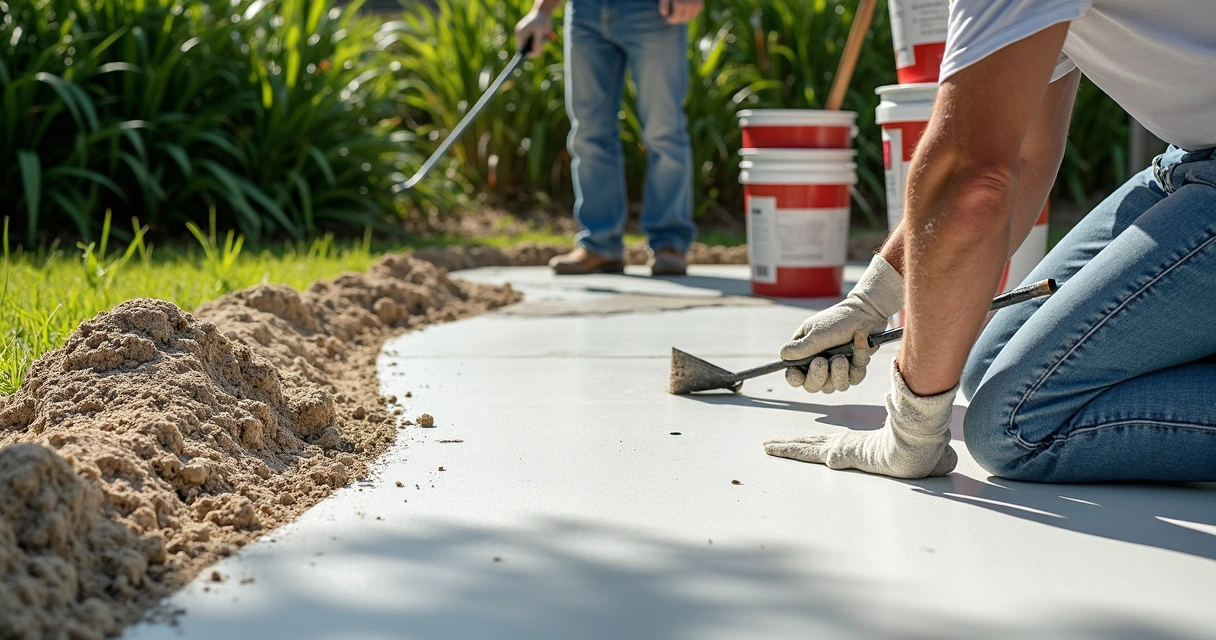
Types of weatherproof finishes and their uses
There isn’t just one answer when it comes to weatherproofing concrete. Each location, use, and budget calls for a certain approach. Here is a straightforward look at what’s available in 2026, plus our own take on where and why it should be used.
Penetrating sealers
These are invisible finishes absorbed into the concrete itself, not sitting on top. Think silane, siloxane, or siliconate types.
- Let concrete “breathe” but make it hydrophobic, so water beads up and rolls off
- Excellent for driveways wanting stain and freeze resistance with no change in color or texture
- Work well on slabs, walkways, or anywhere slip-resistance must be preserved
Penetrating sealers need re-application every few years, especially in heavy weather. But even on their reapplication year, you’ll notice leaves and puddles lift off easily instead of soaking in deep.
Film-forming and topical sealers: acrylics and polyurethanes
These build a protective film over the surface, creating a glossy, satin, or matte finish.
- Typical for stamped patios, colored concrete or pool decks where color and shine matter
- Modern water-based acrylics dry fast, don’t yellow, and resist UV (with the right manufacturer rating)
- Polyurethanes form a tougher, chemical-resistant layer but need perfect application—otherwise they can peel or bubble if moisture is trapped
In 2026, improved “breathable” formulas limit problems of trapped moisture, with some products inspired by the advances reviewed in protective coating materials for low-VOC and better weather resistance.
Epoxy coatings and polyaspartic systems
Epoxy offers extreme durability and high gloss, while polyaspartic formulas deliver rapid return-to-service—ideal for garages, warehouses, and high-traffic entries.
- Both systems must be installed on dry, thoroughly prepped concrete, usually after grinding and, often, moisture testing
- Polyaspartic products excel for their quick cure times and UV stability by 2026 standards
- Flake, quartz, or anti-slip media can be broadcast into the finish for color and traction
For public or high-traffic commercial areas, polyaspartic is now the gold-standard for both outdoor and indoor use—hard, flexible, and walk-ready fast.
Concrete stains and dyes
Stains don’t protect so much as decorate, but with a proper clear sealer atop (acrylics or urethanes), you lock in vibrant color and add a shield against spills, sun, and water intrusion.
- Acid stains react chemically for mottled, artistic effects
- Water-based stains and dyes allow more predictable color and patterns
- Essential for ornate patios, stamped driveways, or when matching new slabs to old
Elastomeric coatings and waterproof paints
Elastomeric paints expand and contract with the surface, giving them a big edge on exterior walls or verticals, especially around waterproofing details like utility penetrations or the base of enclosures as pointed out in regional property codes.
Waterproof masonry paints, often latex-based, add color with a strong weather seal. They’re easy to maintain, resist fading, and are a cost-effective way to tidy up old surfaces.
Emerging and sustainable material options
“Eco” is not just a buzzword. In 2026, more clients actually request sustainable alternatives. We see lightweight aircrete and hypertufa popping up in garden features and planters. According to extension articles on sustainable hardscaping options, these mixes use less raw material, cut transport energy, and provide unique drainage for plantings, especially when paired with water-permeable edge restraints. While not always suited for heavy-use slabs, they add versatility to landscape design.
What to consider before choosing a weatherproof finish?
Your choice shouldn’t start with a product—it starts with your project’s needs. Here’s what we recommend considering before you even look at a can or pail:
- Location: Is your concrete walked on, parked on, or mainly decorative? Pool decks, driveways, and shaded patios all face different wear challenges.
- Drainage: A flat or poorly drained slab will collect water, regardless of how great the coating is.
- Appearance: Do you prefer a natural look? A colored or stamped surface? High gloss or matte? Some finishes highlight concrete’s character, others bring bold color.
- Maintenance time and budget: We see many customers pick a low-upkeep finish after struggling to pressure-wash unsealed slabs season after season.
- Building codes and HOA rules: New neighborhoods or commercial spaces may dictate certain slip resistance, color, or reflectance levels, and Florida’s own mixtures of wind and rain create specifics you must meet.
Frequently, our first step is to visit on-site, get a feel for traffic flow, microclimates, and aimed use. It’s rarely “one size fits all,” which is why we encourage reviewing process guides on our knowledge section, like this guide to preventing cracks in Florida concrete.
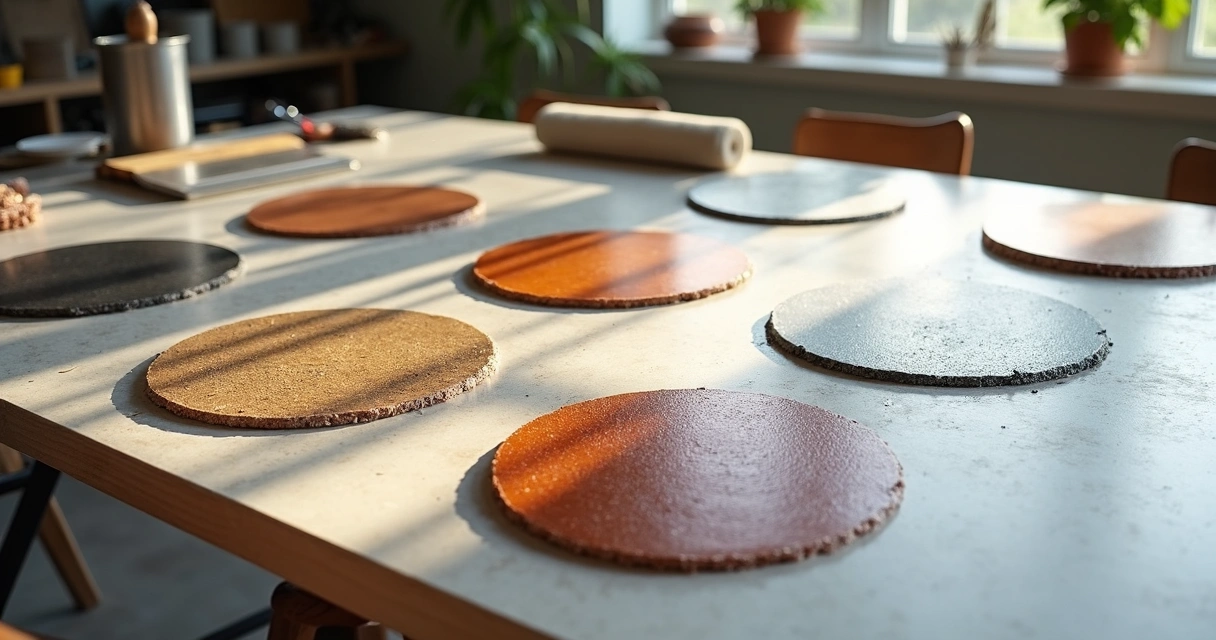
The GCM Best Services approach: Preparation is everything
Nothing ruins the promise of a 10-year finish faster than poor preparation. At GCM Best Services, we always:
- Assess base compaction, drainage angle, and already existing cracks or moisture intrusion
- Test surfaces for moisture using tools that detect humidity deep within the slab
- Repair all cracks and joints; even a new pour needs a keen eye for hairlines
- Clean and mechanically profile (often via grinding) the surface for maximum adhesion
- Apply primer or base layers as specified – skipping these steps voids most manufacturer warranties
We also advise our clients about how local code and community rules will impact finishing choices—and how sustainable options can be included without sacrificing weatherproof results.
Popular finish scenarios for Central Florida properties
After surveying hours of interviews, on-site jobs, and local code guides, here’s how we typically approach popular project types:
Driveways and vehicle areas
Our preferred system is a penetrating sealer on well-profiled concrete, followed by a high-wear film or polyaspartic topcoat. This blend shields against oil stains, resists tire marking, and stays UV-stable season after season. Non-slip additives maintain traction during storm season.
Want more design? Color flakes or subtle stains, sealed under a clear layer, keep the surface fresh and durable, as explained in our concrete driveways and patios installation guide.
Patios and pool decks
Here, we focus first on texture. For slip-resistance, exposed aggregate or textured broom finishes receive a two-step sealer: penetrating, then a breathable film. For decorative patios, stains and acrylic sealers let the color shine while locking out rain and organic stains. Check more real results in our concrete project showcase.
Commercial entries and walkways
Durability and fast curing count most in public spaces. Polyaspartic and hybrid coatings mean less delay for foot traffic. Night crews can apply these products at off-peak hours, minimizing downtime and disruption for businesses.
Outdoor kitchens and hardscapes
We handle custom finishes that blend stain, sealer, and heat-resistant coatings—a natural stone or smooth “concrete countertop” look that also holds up to grill heat and Florida sun.
How long do weatherproof finishes last?
Lifespan varies wildly by product, use, and climate. Here’s what we typically advise our clients in Central Florida:
- Penetrating sealers: 2–5 years before re-application
- Acrylic film sealers: 1–2 years on driveways, 3–5 years on patios (if shaded)
- Polyaspartic/epoxy: 8–10 years or more, especially if reapplied before bare spots develop
- Stains and dyes: indefinitely, but always protected by a fresh clearcoat every few years
- Elastomeric paints: 8+ years on verticals, subject to touch-ups where mechanical damage occurs
Keep in mind, even when warranties last long, routine inspection and simple maintenance—like cleaning soon after oil or leaf decomposes—will lengthen service life even further. Learn how to recognize early warning signs of finish failure in our guide to concrete repairs and licensed contractors.
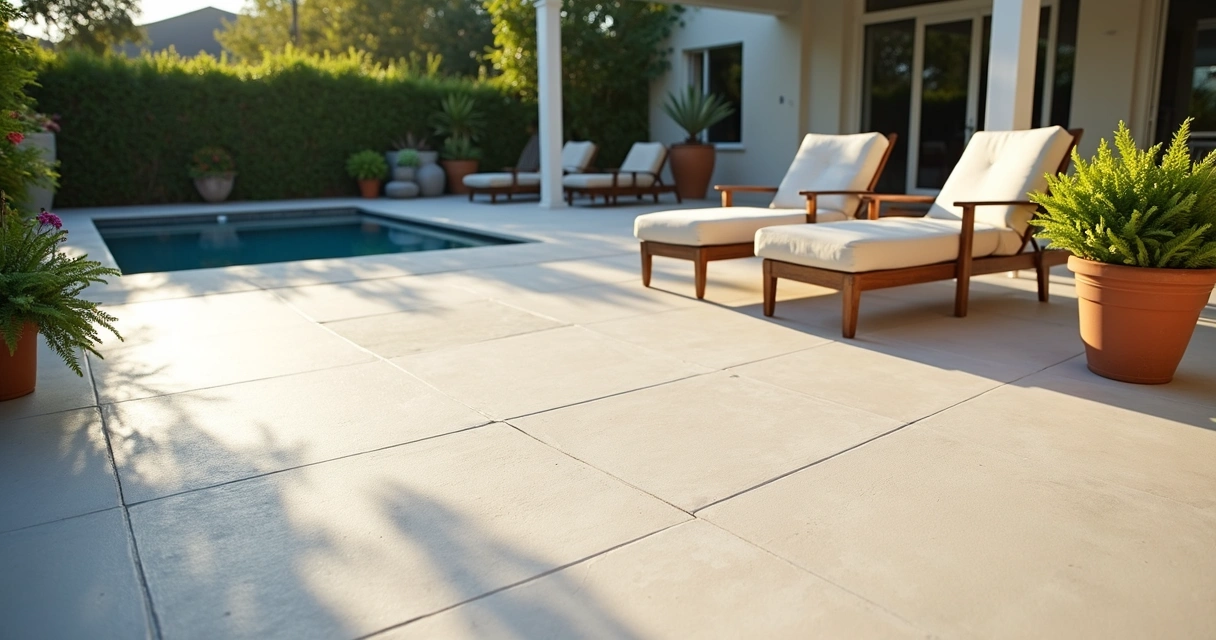
Top mistakes to avoid when choosing or applying weatherproof concrete finishes
We have seen projects fail, even with quality products, when shortcuts are taken. Here’s what we always tell our clients and crews alike:
- Never apply coatings to uncured or “green” concrete—it must first dry fully, sometimes taking 30 days or more, or moisture vapor will bubble the finish.
- Don’t ignore joint sealing and edge treatments. Water finds every weak spot first.
- Resist the urge to over-apply. More product doesn’t always mean better protection—too thick can actually peel or crack faster.
- Always read mixing ratios on multi-part coatings: incorrect blends lead straight to delamination, especially in our climate.
- Do not skip cleaning and surface preparation, especially removing oils and existing sealant. Two hours saved now can mean two years’ loss of finish later.
Environmental and health considerations for 2026
Many property owners are now asking, what’s safest for families, pets, and the environment? We see dramatic improvements in:
- Low- or no-VOC (Volatile Organic Compound) finishes, which don’t off-gas into the yard or home
- Water-based products for both sealers and stains
- Materials that use recycled or renewable content (such as recent polymer coatings and aircrete, as described in research on eco-friendly protective materials)
- Better packaging and waste recycling options on large-scale jobs
By 2026, most reputable finishes meet these high safety and sustainability standards—but always check manufacturer documentation and require written guarantees.
Maintenance tips for extending finish life
Even the best finish benefits from simple, planned care. Here’s what we teach our customers:
- Wash off leaf and plant debris quickly—these can stain or hold moisture
- Clean spills (oil, berries, lawn products) within hours when possible
- Schedule gentle pressure-washing or soft-brushing at least twice a year
- Monitor for early signs of gloss loss, haze, or darkened patches, which signal the need for fresh sealing
Routine maintenance doesn’t have to be complicated—after all, a good finish is meant to save work, not make more.
For those who prefer to leave annual checks to professionals, our maintenance plans provide written documentation and photos, which help with warranty claims and resale.
Our process for delivering lasting weatherproof concrete finishes
When you contact GCM Best Services, here’s what you can expect:
- Free on-site assessment: We measure, inspect, and discuss your goals
- Written estimate and design: Clear pricing, no hidden fees
- Full permit and HOA management
- Daytime or nighttime scheduling to limit disruption
- Clean, OSHA-compliant worksites; daily progress photos if requested
- Final walkthrough and a written warranty, with a maintenance guide
Our goal is not just to deliver a finish, but to deliver peace of mind—ensuring your property stands out, looks great, and performs for years.
For details or to get started with our no-obligation visit, you can view our checklist for choosing a concrete company in Orlando.
Conclusion: Choosing the right finish for your outdoor concrete
As we head into 2026, the selection of weatherproof finishes for outdoor concrete is more advanced and more necessary than ever in Central Florida. Nature will always throw the unexpected at your property—intense heat, downpours, humidity, and shifting seasons. That is where the experience and local insights from our GCM Best Services team make all the difference.
No matter the use or design, choosing the right finish, preparing the surface the right way, and following through with care will keep your outdoor spaces strong, safe, and attractive year after year.
Ready to take the next step? Schedule your on-site assessment with GCM Best Services. Let our concrete experts recommend the best, weatherproof solution for your home or business in Orlando and Central Florida. Everybody deserves concrete that lasts—and looks as good as it did the first day.
Frequently asked questions
What is a weatherproof concrete finish?
A weatherproof concrete finish is a coating or treatment designed to protect exterior concrete surfaces from rain, sunlight, temperature changes, stains, and physical wear. It can be a clear sealer, colored coating, or water-repellent treatment, all intended to keep moisture and damaging elements from penetrating the concrete. Some finishes also provide added slip-resistance and UV protection, especially valued in climates like Florida’s.
How to apply weatherproof finish on concrete?
Applying a weatherproof finish starts with proper surface preparation, including cleaning, crack repair, and, often, mechanical profiling like grinding or etching. The chosen finish—be it a sealer, coating, or stain—is then applied according to manufacturer instructions, with attention given to mixing ratios, drying times, and environmental conditions (such as temperature and humidity). Some finishes require multiple coats or special primers. Professional application helps guarantee the finish adheres well and lasts the expected lifespan.
Which weatherproof finish lasts the longest?
Polyaspartic coatings and some high-end epoxy systems typically offer the longest lifespan, often lasting 8–10 years or more with minimal maintenance, especially on well-prepared surfaces. Penetrating sealers may need more frequent reapplication, while film-forming acrylics have a lifespan of 1–5 years depending on location and exposure. Choosing the best product depends on your specific usage, climate, and maintenance plan.
Is it worth it to seal outdoor concrete?
Yes, sealing outdoor concrete extends its life, improves safety, and helps preserve appearance by protecting against water damage, stains, and UV fading. In Florida, with its heavy rain and sun, even basic sealing delays cracks and maintenance, making it a smart investment for nearly any slab, driveway, or patio.
Where to buy weatherproof concrete finishes?
Weatherproof concrete finishes are available from local building supply stores, specialty coating distributors, and through professional service providers like GCM Best Services. Our team sources products that meet the latest VOC, slip, and durability standards for Central Florida, and we’re happy to recommend or install finishes that fit your goals and site needs.