Preparing for a concrete delivery is not something we can leave to improvisation. At GCM Best Services, every driveway, patio, or slab we build begins with careful groundwork—long before the first truck arrives. Setting up the right staging, planning site access, and managing timing are the difference between a smooth placement and one filled with delays, cost overruns, and even safety risks. For Central Florida property owners and project managers, understanding each piece of this puzzle can save you time, stress, and money—all while delivering a better finish that will last.
Preparation is the foundation for a trouble-free pour.
In this article, we walk you step by step through concrete delivery preparation: from site clearing and access routes, to choosing staging locations, communication with your concrete contractor, and what to expect on pour day. Drawing from our years working in the Orlando area, and data-based studies on logistics and safety, you’ll find practical strategies, safety tips, and local context. If you plan a project soon, let’s start building a plan together.
Why preparation matters for concrete delivery
Many people think the main job is to order the concrete and “just wait.” In our experience, most concrete delivery issues in Central Florida happen because key details are missed: the access path is too narrow or soft, the staging area isn’t ready, or the schedule gets squeezed by delays elsewhere. Good preparation helps you avoid costly downtime, ensures quality, and keeps everyone on site safe and productive.
- Timely pours reduce risks of “cold joints” and surface flaws.
- Clear access prevents trucks getting stuck or property damage.
- Proper staging allows smoother workflow and safer crew movements.
Local conditions also play a part. Florida’s sandy soils, unpredictable rain, and HOA or permit rules are extra layers we plan for, as part of our process at GCM Best Services. We’ve learned the hard way—sometimes you only get one shot to place the concrete right.

The main steps before delivery day
Preparation does not happen overnight—or on delivery morning. We break it down into several focused steps, each one aimed at preventing headaches before they start.
Site inspection and planning
Before we schedule a single yard of concrete, our team conducts a full walk-through. We look for utility lines, check soil conditions, and measure site slopes. This lets us address issues such as pooling water, soft ground, or hidden pipes that could later be damaged.
- Confirm area for pour is properly graded.
- Identify overhead power lines or trees that could block trucks.
- Verify legal access for large delivery vehicles.
- Plan for drainage, especially on patios and driveways (see our tips at prevent cracks in Florida patios).
Permits and HOA requirements
We handle city permits and HOA approval as part of every exterior concrete project. This ensures your project passes inspections and can start without last-minute roadblocks.
- Forms, rebar, and compaction should all be certified before pour.
- Good planning includes documentation for inspectors.
Site prep: Clearing and creating access
Concrete trucks are large and heavy. They often weigh over 60,000 pounds loaded, and require 10 to 12 feet of clear width, with no tight corners or low-hanging branches. Vehicles need a stable surface—soft Florida lawns or unpaved sand can become a trap after rain. As part of our job at GCM Best Services, we help owners map out the best route from street to pour site.
Access and a solid route are just as critical as the formwork itself.
How to create a safe entry route for trucks
- Remove obstacles: cars, portable basketball hoops, bins, stray landscaping.
- Trim trees and high shrubs to provide headroom for the truck’s chute.
- Reinforce soft ground with plywood or steel plates.
- Mark hidden obstacles, like sprinkler heads or septic tank lids, with cones or flags.
- Alert neighbors about delivery schedule to avoid blocked streets.
When a site lacks good access, we may use pump trucks, wheelbarrows, or buggies, but these increase cost and time. Planning the main route is always priority one. As shown in the research analysis of ready-mixed concrete truck incidents, accidents often happen when staging or access points are not checked for safety hazards or load capacity. We make safety part of every conversation with owners and crews.
Staging the site for efficiency
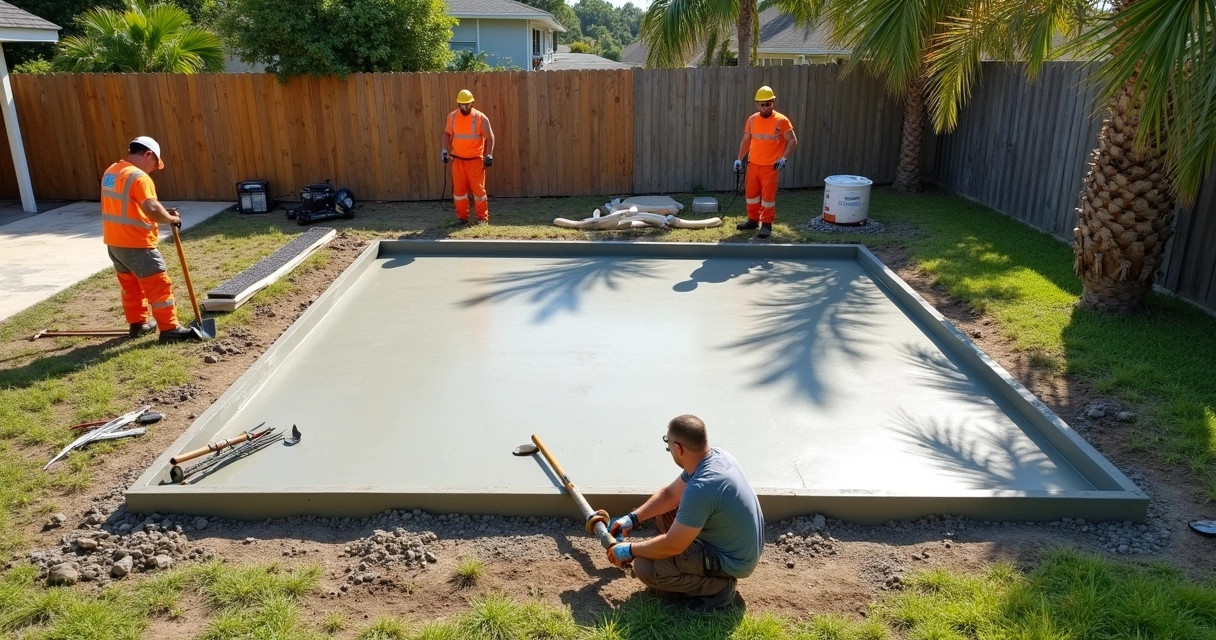
The term “staging” means setting up the worksite layout for safe and efficient concrete delivery and placement. Staging covers the location for the mixer truck, where tools are stored, and how workers will move during the pour. Getting this right means fewer interruptions and a cleaner, better job.
A well-staged site saves steps, saves time, and reduces mistakes.
Key points for concrete staging
- Reserve a sturdy parking area for the truck, as close as possible to the formwork.
- Plan clear movement lanes for workers carrying tools, wheelbarrows, or hoses.
- Keep the path from the truck to the forms short and unobstructed.
- Stage extra supplies—like rebar, mesh, sealers, or finishing tools—nearby but out of the truck’s swing radius.
- Prepare a washout area: all concrete trucks must clean their chutes on-site, so set up a safe, contained space for wash water.
We walk our crew members through a “mock pour” to check all these items. If anything feels tight or risky, better to adjust a day early than mid-pour.
Planning timing and scheduling
Concrete is unforgiving with time. Most ready-mix batches can sit less than two hours before quality suffers. Traffic, weather, and crew delays can turn a perfect morning into a concrete crisis. That’s why we plan to have all hands and materials in place before the truck even starts its engine.
Tips for scheduling your delivery
- Choose a delivery window early in the day when possible—avoiding heat, rain, and afternoon traffic.
- Coordinating with your contractor for backup supplies and extra labor in case of delays.
- Make sure forms, reinforcement, and utility marking are complete the day prior.
- For multi-phase jobs, stagger deliveries to match crew speed and weather forecasts.
- Keep open communication with the concrete supplier and the project lead.
According to concrete delivery optimization datasets, well-planned staging and scheduling can reduce delivery delays and the risk of cold joints, which affect appearance and long-term durability.
Communication and contingency planning
Even the best plan can hit a snag: a flat tire, a neighborhood parade, or a sudden storm. We stay in close contact with both our supplier and our clients. Our crews have a simple rule: “If you spot a problem early, speak up—never wait for someone else to notice.”
What to discuss with your contractor
- Confirm delivery number, mix type, and volume 48 hours before pour.
- Agree on back-up access routes and alternate staging spots.
- Identify the person authorized to accept delivery and sign tickets.
- Review rain protocols and re-scheduling options.
We recommend a visual check-in the evening before and 1 hour before delivery. This gives time for final tweaks—and ensures your project runs on schedule.
Preparing for environmental factors in Central Florida
Florida’s climate rewards careful preparation. Rain, humidity, and heat are all concrete “enemies,” and must be managed at every step. At GCM Best Services, we’ve summarized the best steps for our region.
- Cover wet ground with visqueen or tarps if rain is expected before pour.
- Keep shade tents handy for workers during summer pours.
- Use boards or walk mats to protect lawns and minimize rutting.
- If possible, wait for a dry spell to avoid muddy access for trucks.
- Check temperature limits for your selected mix with your provider.
If rain starts mid-pour, we cover placed concrete with plastic sheeting and direct drainage away until the surface has set. Fast action here can be the difference between a great slab and a splotchy, weak outcome.
What happens on delivery day?
The morning of the pour, everything shifts into action mode. These are the steps we follow at GCM Best Services, based on hundreds of successful residential and commercial projects in Orlando.
- Crew arrives early to double-check forms, rebar, and supplies.
- Truck arrival time is confirmed, with updated ETA if traffic changes.
- Access route and staging area are cleared and dry.
- Safety walk-through—everyone knows their position and duties.
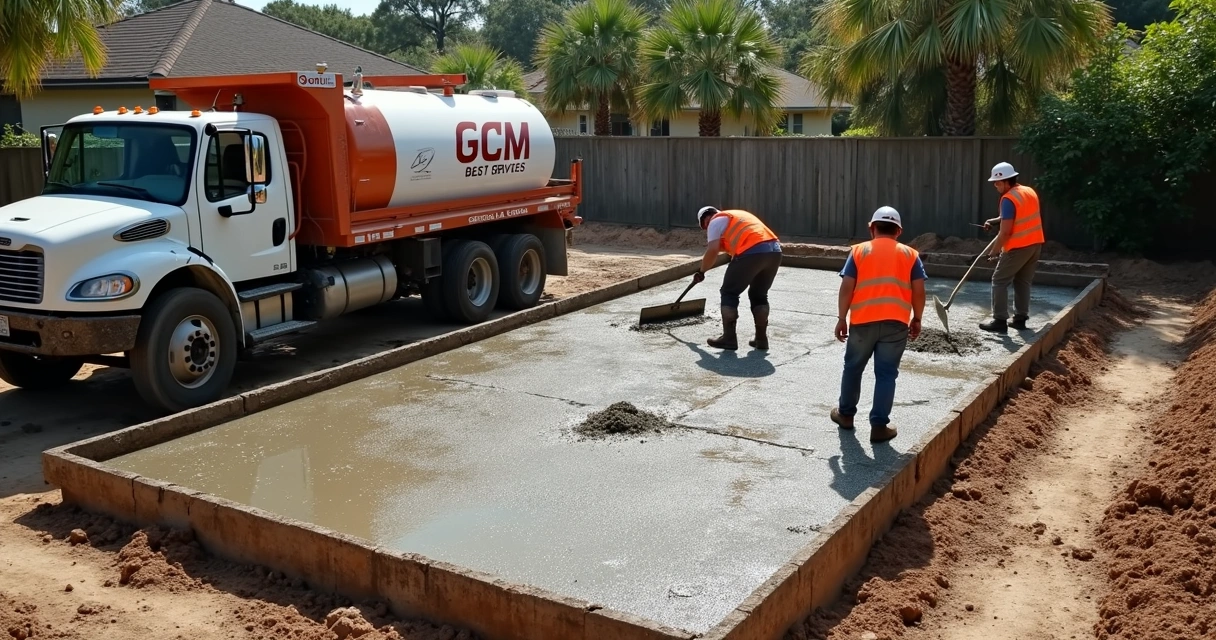
- Once truck arrives, chutes are set up and the pour begins.
- Extra hands clean up spills, broom surfaces, and manage edges.
- Truck is washed out in the designated spot; no run-off allowed onto lawns or drains.
- Final inspection before crew leaves; photos and notes are taken for warranty records.
We share an open line with owners for any urgent questions or changes. You should expect updates as your project progresses. When using a licensed contractor, you’ll find peace of mind during every phase. If you are not sure what to look for in a contractor, we encourage you to read our guide on choosing a concrete company in Orlando.
After the pour: Post-delivery cleanup and inspection
Just because the truck leaves doesn’t mean the job is done. The last steps matter for both safety and appearance:
- Remove all unused concrete before it sets anywhere unintended.
- Store tools, tarps, and boards for pickup—don’t leave old lumber or bags behind.
- Direct water run-off from cleaning chutes to a contained area.
- Mark caution tape or barriers around new concrete for at least 24 hours.
- Inspect the surface for cracks, honeycombing, or drainage issues.
- Document the finished job with photos for HOA, warranty, or inspection.
For tips on ongoing care and repair, see our detailed recommendations at our concrete repair guide and browse further resources from our concrete services blog.
Common pitfalls we help you avoid
Preparation is really the first stage of quality control. Over the years, we’ve learned to spot the “red flags” that lead to jobsite disruptions:
- Not checking site access after rain—soft ground may look dry on top, but sinks under heavy trucks.
- Overlooking nearby power lines or eaves—high trucks can snag or be blocked, causing delays or accidents.
- Last-minute form construction—good formwork takes time, and rush jobs rarely pass inspection.
- Assuming materials/tools will arrive “on time”—we always have extras on site, just in case.
- Ignoring HOA or city requirements—permits and approvals prevent headaches down the road.
One missed step today could mean a costly repair tomorrow.
When in doubt, we encourage owners to reach out and ask questions early. We see this as part of our commitment at GCM Best Services—to build trust with every project, from Orlando to St. Cloud and throughout Central Florida.
How to choose a professional for your next delivery
We believe a good contractor should make the prep process easy, not confusing. This means clear communication, on-time execution, and documented warranties when the job is done. As a fully licensed and insured Orlando contractor, we handle staging, access, permits, and final walkthroughs for every job. Our step-by-step process and local experience protect your property and budget—delivering results you can count on.
If you want a more detailed project guide or to see examples of our work in Central Florida settings, explore our advice for new installations at St. Cloud concrete driveways & patios.
Conclusion: Plan, prepare, and pour with confidence
At GCM Best Services, we know that concrete quality begins with careful preparation—not just great materials. From clearing the path to timing the delivery, each step builds the foundation for a smooth, lasting finish. A good plan helps you avoid wasted time, costly fixes, and unsafe sites.
Plan your delivery. Protect your result.
We invite you to reach out for a free, no-obligation site assessment. Our team can recommend the right staging, access, and timing for your next Orlando-area project—so your new driveway, patio, or slab stands the test of time.
Ready for a professional quote? 📞 (407) 250-1948 • 24–48h • Orlando, Tampa & area.
Frequently asked questions
How to prepare the site for delivery?
To prepare for concrete delivery, clear a path and staging area large enough for the truck, remove any obstacles, ensure the formwork and reinforcement are ready, and provide a washout spot. Solid ground prevents trucks from getting stuck, and safety checks avoid damage to hidden utilities or landscaping. Mark the delivery route with cones if necessary, and check that permits or HOA approvals are complete.
What is staging in concrete delivery?
Staging in concrete delivery is the process of setting up a worksite layout where the concrete truck, tools, workers, and supplies are positioned for efficient and safe delivery and placement. This includes designating a parking zone for the mixer truck, planning worker movement paths, and setting up areas for cleaning tools and chutes.
How can I improve truck access?
You can improve truck access by widening entrance points to at least 10 feet, removing obstacles along the truck’s route, reinforcing soft ground with plywood or steel plates, and trimming overhanging branches or obstructions. Mark any nearby hazards, like low wires or septic tanks, with high-visibility cones or tape. Pre-pour communication with neighbors can help keep the street and driveway clear.
How long does concrete delivery take?
Most small or residential concrete deliveries take between 30 minutes to an hour for the truck to discharge its load and complete cleanup. Larger or multi-phase pours may require two hours or more, especially if access is limited or delivery is spread across several loads. Timing can be influenced by site readiness, traffic delays, and weather issues.
What to do if delivery is delayed?
If your concrete delivery is delayed, the best step is to quickly notify your contractor, keep the crew ready, and protect the site from weather or drying-out. Avoid starting the pour until all materials and workers are present. Communicate with your supplier and, if possible, reschedule the batch order if a major delay (over an hour) is expected. Check your forms, keep reinforcement in place, and cover the area if rain threatens.