Epoxy floors are more popular than ever in Orlando and throughout Central Florida. Still, we hear the same misconceptions and half-truths repeated by homeowners and property managers every year. Epoxy is not new—it’s been trusted for decades in industries, garages, and homes. Yet, because technology and techniques have changed, what people think they know is often based on outdated information or internet myths.
As a licensed contractor serving the region, we at GCM Best Services have installed 100% solids epoxy and polyaspartic coatings everywhere from private garages to busy retail spaces. Over the years, we’ve collected questions, witnessed expectations, and watched trends shift. Here, we’ll break down the seven most common myths about epoxy floors, show what the facts really are, and help Central Florida property owners make confident decisions.
Myth 1: Epoxy floors are slippery and unsafe
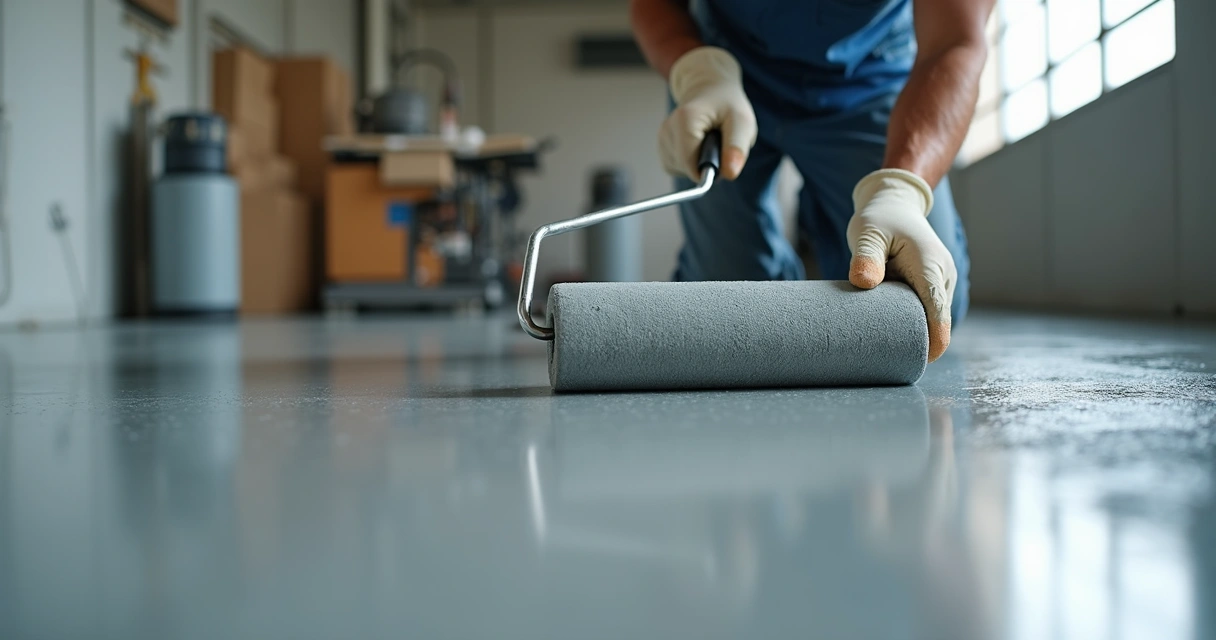
The word “epoxy” often makes people think of slick, glassy surfaces you can slip on. We understand why. In older, poorly prepared installations, some did become hazards when wet. But modern epoxy floors can be engineered for slip resistance through several different strategies.
Common methods include:
- Adding broadcast flakes or quartz sand for texture
- Mixing anti-slip additives into the final coat
- Choosing a matte finish over a high-gloss look
Even our garage and warehouse floors allow you to choose your level of texture—perfect for safety in both commercial and residential settings.
Epoxy can actually improve overall safety when compared to bare concrete, especially in garages and workshops where oil or water spills would otherwise soak in or go unnoticed. We always design our floors with real-world use in mind because we live and work in Central Florida, too.
Myth 2: Epoxy coatings do not last under Florida conditions
Florida’s humidity, temperature swings, and heavy traffic are a challenge for any building material. It might sound logical to think epoxy would peel or fail quickly, but this simply isn’t true—when installed professionally, with good surface prep and correct chemistry.
We don’t just sweep and coat. Our team at GCM Best Services is trained to:
- Grind and clean the concrete base
- Test for moisture vapor emissions
- Repair cracks and address drainage before applying epoxy
- Match our 100% solids epoxy or polyaspartic blends to each situation
Following these steps, and using proven 3,000–4,000 PSI mixes, leads to floors lasting 10-20 years in residential garages, and 5-10 years in tough commercial use.
Epoxy isn’t likely to crack or delaminate when the slab is in good condition and the job is done right. That’s why we manage permits and drainage design, preventing common failures that less-experienced installers might overlook. We even provide photos and written warranties, so there’s no guesswork about expectations.
If you want to learn more about Florida’s unique concrete needs, we suggest reading our guide on how to prevent cracks in concrete patios and driveways.
Myth 3: Epoxy floors only work in garages and warehouses
Some still believe epoxy is “industrial only”—not welcoming enough for homes or retail. But with today’s technology, epoxy floors come in hundreds of customizable colors, textures, and sheens suitable for every space.
We’ve installed seamless floors in:
- Home kitchens, bathrooms, and living spaces
- Game rooms and home gyms
- Shops, showrooms, and offices
- Medical and veterinary clinics
- Outdoor lanais and pool decks (with UV-stabilized formulas)
When customers in Orlando ask us about style and comfort, we show them samples—everything from neutral gray flake blends for a classic garage look, to bold colors and metallic finishes that turn floors into an asset.
Epoxy’s design freedom isn’t just visual. Its seamless nature prevents dirt and allergens from hiding in cracks, and with the right finish, it’s both pet- and kid-friendly. So, epoxy absolutely does have a place beyond the workshop.
Myth 4: Epoxy is a quick weekend DIY project
Internet videos sometimes make it look as easy as mixing two cans and rolling it on, but the reality is much more involved. Achieving a long-lasting, beautiful epoxy floor requires:
- Concrete surface preparation, often with mechanical grinding
- Moisture and pH testing to avoid bubbling or delamination
- Crack repair and patching
- Mixing two- or three-part chemicals precisely
- Controlling temperature and humidity during cure time
Not to mention, personal protective equipment is necessary, as there are some health and safety concerns. There are documented cases, as shown in the Finnish Register of Occupational Diseases study from 2005–2016, of epoxy compounds causing allergic reactions among workers due to improper handling.
Poorly-applied epoxy often fails within a year—peeling, yellowing, or even trapping moisture inside the slab. We’ve remediated many such jobs for Central Florida families and businesses who assumed it was simple. Our process, from on-site assessment to written warranty, is built around preventing these problems before they start.
Myth 5: Epoxy floors have a strong odor and are bad for your health
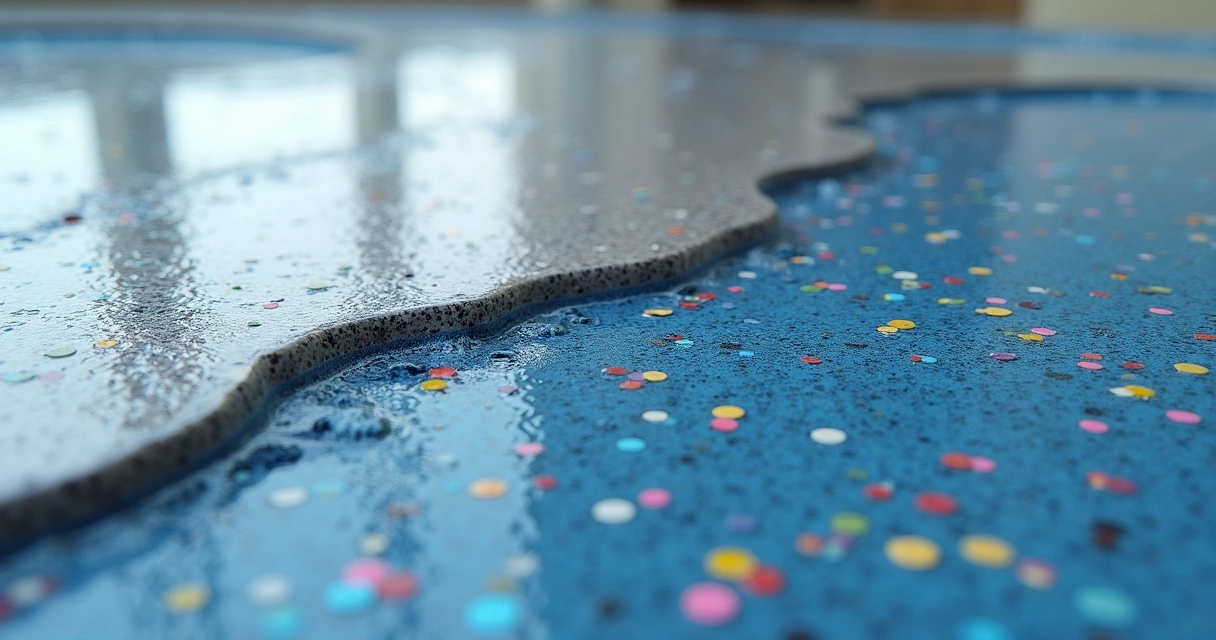
It’s true that older epoxy formulas—especially solvent-based types—had strong odors, and could irritate eyes, skin, or lungs during installation. With advances in chemistry, most modern residential and commercial systems use water-based or low-odor high solids epoxies. These options have far fewer fumes, especially when installed with proper airflow.
Still, we take safety very seriously. Journal of Occupational Health research demonstrates that workers applying epoxy resin coatings must use ventilation, exposure controls, and PPE (personal protective equipment). At GCM Best Services, we always wear respirators, gloves, and ensure spaces are thoroughly ventilated before, during, and after the job.
For those sensitive to chemicals, we offer fast-curing polyaspartic systems, which reduce jobsite exposure. And, once cured, epoxy floors emit no odors or toxins, and are considered safe for both children and pets. Our projects, from homes to veterinary clinics, stay healthy and attractive for years.
Myth 6: Epoxy floors are expensive and not worth the investment
This is perhaps one of the most frequently misunderstood issues—people assume that epoxy is a luxury only for auto shops and high-end retail, too costly per square foot for the everyday home.
But when we look at long-term performance and lifespan, epoxy can be extremely economical, especially in Florida where it helps protect against water, stains, and chemical damage. Unlike tile or carpet, which often require regular replacement or deep cleaning, a professionally installed epoxy floor lasts 10 years or more with basic sweeping and mopping.
Value is not just about installation costs but about what you get in return:
- Easy cleaning and fewer professional cleanings required
- No grout lines or joints to harbor mold or grime
- Higher resistance to scratch, chip, and liquid stains compared to wood or vinyl
- Boosted resale value for homes with attractive, modern floors in garages and living spaces
Florida’s stormy weather can quickly ruin porous flooring—not so with properly installed epoxy, which resists water and humidity. We also back our work with a written warranty to make the investment worry-free.
If you’re planning a new flooring project and want to compare options, our licensed contractors’ guide to concrete repair has more advice on costs and decision factors.
Myth 7: Epoxy floors never need maintenance or repairs
While epoxy floors are tough and low-maintenance, they are not completely “set and forget.” Every surface in your home or business benefits from simple care.
The good news is, epoxy is much easier to maintain than most other flooring types. Just basic sweeping and occasional mopping with a gentle cleanser will keep it looking new. For stubborn marks (like tire tracks or chemicals), scrubbing with a soft pad usually removes them.
A few practical maintenance tips:
- Use floor mats at entry points to catch grit
- Wipe up spills promptly, especially solvents or acids
- Inspect for scratches or gouges and have repaired quickly to prevent further damage
- Reapply a clear topcoat every few years in high-traffic areas to refresh gloss and sealing ability
At GCM Best Services, we always include a maintenance guide post-installation and are happy to provide advice or emergency repair. Unlike carpet or tile, where replacement is routine, epoxy often only needs minor touch-ups to last for years.
If you want to better understand how concrete and coatings interact, our article on concrete projects in Central Florida has more background and tips.

Putting myths to rest: What really matters for your epoxy floor
We’ve seen first-hand how fast the epoxy flooring industry moves, especially here in Central Florida. Technology, experience, and safety guidelines are always improving—but so are the stories and warnings people share online or in HOA meetings.
Here’s what over two decades have taught us:
- The right prep, product, and installer are the difference between trouble-free epoxy and early failure.
- Modern epoxies are beautiful, safe, and versatile for nearly any indoor or outdoor space.
- With basic cleaning and a little care, epoxy floors go the distance in both looks and durability.
We’re proud to offer fast, clear communication, on-time schedules, and guidance on choosing skilled contractors in Orlando. As part of every project, our team provides honest advice, files for any needed permits, and recommends solutions that fit your goals and budget.
If you’re in St. Cloud or the surrounding area, our concrete and coatings installation guide is another helpful read for local owners planning a project.
The truth is, properly installed epoxy flooring adds beauty, value, and peace of mind.
Ready to see what modern epoxy can do for your home, garage, or business? Request a professional, no-obligation quote today and experience the clarity and reliability of GCM Best Services.
Ready for a professional quote? 📞 (407) 250-1948 • 24–48h • Orlando, Tampa & area.
Frequently asked questions about epoxy floors
What is an epoxy floor?
An epoxy floor is a layered surface made by applying a two-part resin (epoxy) over prepared concrete, which cures to form a seamless, durable, and often decorative finish. This floor type can be customized with color, texture, and additives for both visual appeal and safety. Epoxy floors are popular in both commercial and residential settings, including garages, showrooms, and kitchens.
How long do epoxy floors last?
With professional installation and routine care, epoxy floors typically last 10–20 years in homes and 5–10 years in commercial spaces. Longevity depends on factors such as the quality of surface preparation, type of epoxy system, humidity, and exposure to heavy loads or chemicals. Regular sweeping and occasional topcoat refreshes can add even more years to your floor’s life.
Is it worth it to install epoxy floors?
Epoxy floors are a worthwhile investment for spaces requiring durability, easy cleaning, and modern aesthetics. They resist stains, moisture, impacts, and most household chemicals better than traditional flooring. Over time, lower maintenance and long-lasting performance can make epoxy more cost-effective than alternatives like tile or carpet, especially in garages, workshops, and high-traffic rooms.
How to clean and maintain epoxy floors?
Basic cleaning is all that’s needed for most epoxy floors. Sweep regularly to remove dirt and grit, mop occasionally with a non-abrasive cleaner, and avoid harsh chemical detergents. For stuck-on debris or tire marks, a soft-bristle brush and water usually work. Use mats at entrances, wipe spills promptly, and have minor scratches repaired early to extend your floor’s life even further.
Are epoxy floors safe for homes?
Fully cured epoxy floors are safe for homes, including those with children or pets. Modern high-solids formulations have little to no residual odor and do not emit harmful VOCs after installation. Safety can be increased further by adding slip-resistant textures and ensuring proper airflow during application, as our team at GCM Best Services always does. Having a professional handle installation reduces risks dramatically.