<linearGradient id="sl-pl-stream-svg-grad01" linear-gradient(45deg, #000, #803100 49%, #800000 50%, #000)
0%
Loading ...

When you’re dreaming of adding a backyard patio in Florida, you might picture summer evenings, cookouts, or simply a spot to relax after a long day. But before concrete is poured or pavers are laid, there’s an important question that could change your project plan: do you need a permit for a backyard patio in Florida? Based on our professional experience as GCM Best Services, we know the answer isn’t always straightforward. Local codes, HOA requirements, and the specific work being done all play a role.

In this guide, we’ll walk step-by-step through how permitting for patios works in Florida, when it’s needed, what can happen if you skip it, and the best way to ensure your outdoor upgrade lasts—and keeps you in the clear with local authorities. Our detailed look draws from years of building patios, walkways, and hardscapes for Central Florida homeowners. Let’s clarify the process and what you need to know, so you step onto your new patio with total peace of mind.

Why local regulations matter in Florida

When we talk about backyard patios in Florida, state building codes lay down the foundation, but they don’t tell the entire story. Your city or county often has additional rules that affect whether you need a permit. Many homeowners new to Florida are surprised at the range in requirements—for example, what’s allowed in Orlando might differ from Sanford or Kissimmee.

Florida’s unique climate, including sandy soils and frequent storms, means local authorities pay close attention to drainage, stability, and wind resistance. Poorly built patios can lead to water pooling, trip hazards, or even property drainage issues affecting neighbors.

Permits aren’t just about red tape—they protect your safety, property value, and investment.

Every municipality aims to prevent long-term damage, liability, or disputes between neighbors. That’s why we always prioritize getting the details right before any work begins.

Permit basics for backyard patios in Florida

When is a permit required?

Most Florida cities and counties require a permit if your patio involves permanent concrete, pavers over a prepared base, or changes to drainage or grade. If you’re simply placing loose pavers on sand in a temporary or movable way, a permit may not always be required. But the line between “portable” and “permanent” is not always clear.

Who enforces the permit process?

Permitting is handled by your local municipal building department or county office. Each Florida county and city publishes their own code clarifying what projects require permits, setbacks from property lines, and other specifics.

Why does it depend on location?

In Central Florida, locales like Orlando, St. Cloud, Tampa, and Orlando suburbs set their own thresholds for when permits are needed. This can depend on:

We always advise checking with your specific building department’s website or making a quick call—they’ll answer whether your proposed patio requires official approval.

Backyard with a permit sign and patio construction materials

What the permit process looks like

Step-by-step overview

At GCM Best Services, we handle all these steps on your behalf. Many homeowners find this process overwhelming if attempting a DIY patio. Errors or missing paperwork can cause costly delays, or worse, require removing the finished patio.

Why inspections matter

It’s common for new Florida residents to be surprised by how seriously inspectors check patio projects. Their job is to verify:

An inspector can halt the project or require changes if any of these rules are broken. Documented inspections keep the process fair and safe for everyone in your neighborhood.

Common features that trigger permitting

Some Florida backyard features are almost certain to qualify as permit-requiring improvements. If you’re considering any of the following, expect to start with a permit application:

We always explain this early to customers. If your patio plans extend to covered areas, outdoor lighting, or kitchen equipment, permitting becomes even more critical.

How do Florida building codes affect patios?

The Florida Building Code regulates structural integrity and safety for all “permanent” installations. For patios, this relates to:

Staying aligned with these requirements protects both your home investment and the community at large. Any reputable contractor, including GCM Best Services, should design and build with current local and state code in mind.

Concrete patio installation with workers in Florida

What can happen if you skip the permit?

Skipping the permit isn’t just risky—it’s something we never recommend.

If a patio is built without the correct permit in Florida, local authorities may:

Even if a patio “looks good,” selling or insuring a home with unpermitted work can cause major headaches. Lenders, realtors, appraisers, and title companies may all require proof that the patio was built to code and passed city inspection. When it comes time to sell, undocumented work can lower offers or slow down the closing process.

Some homeowners ask us if it’s possible to “retro-permit” a project after it’s built. While it can be done in certain cases, this process is more expensive and stressful than simply securing the permit beforehand.

Does my HOA require approval for a patio?

Beyond city or county building departments, many homeowners live in communities with Homeowners Associations (HOAs) that set their own rules. Review your HOA’s architectural guidelines before planning any backyard patio project. It’s common for HOAs to require:

Our process at GCM Best Services always includes collaboration with HOAs as needed. We submit plans, answer committee questions, and keep everyone informed to avoid disputes down the line.

Are certain surfaces easier to permit?

Concrete patios

Because of the structural and drainage implications, concrete patios almost always need a permit in Florida. Requirements include compacted sub-base, proper mix (usually 3,000–4,000 PSI), and reinforcement. We specialize in managing this process, including edge forms, rebar, and finish options such as broom or stamped patterns. Interested in learning more about the installation process and code alignment? Explore our detailed installation guide for concrete patios in Central Florida.

Paver patios

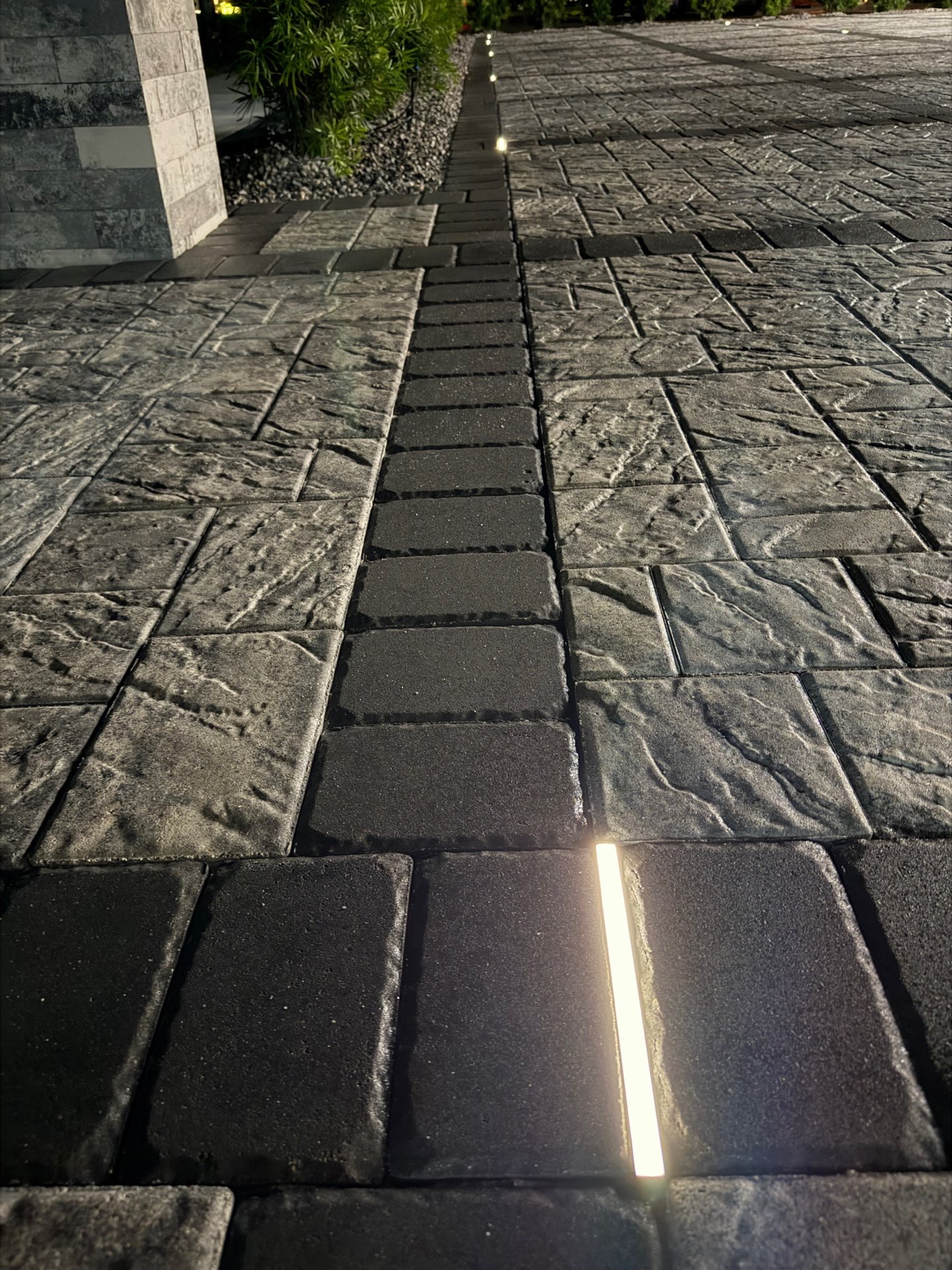
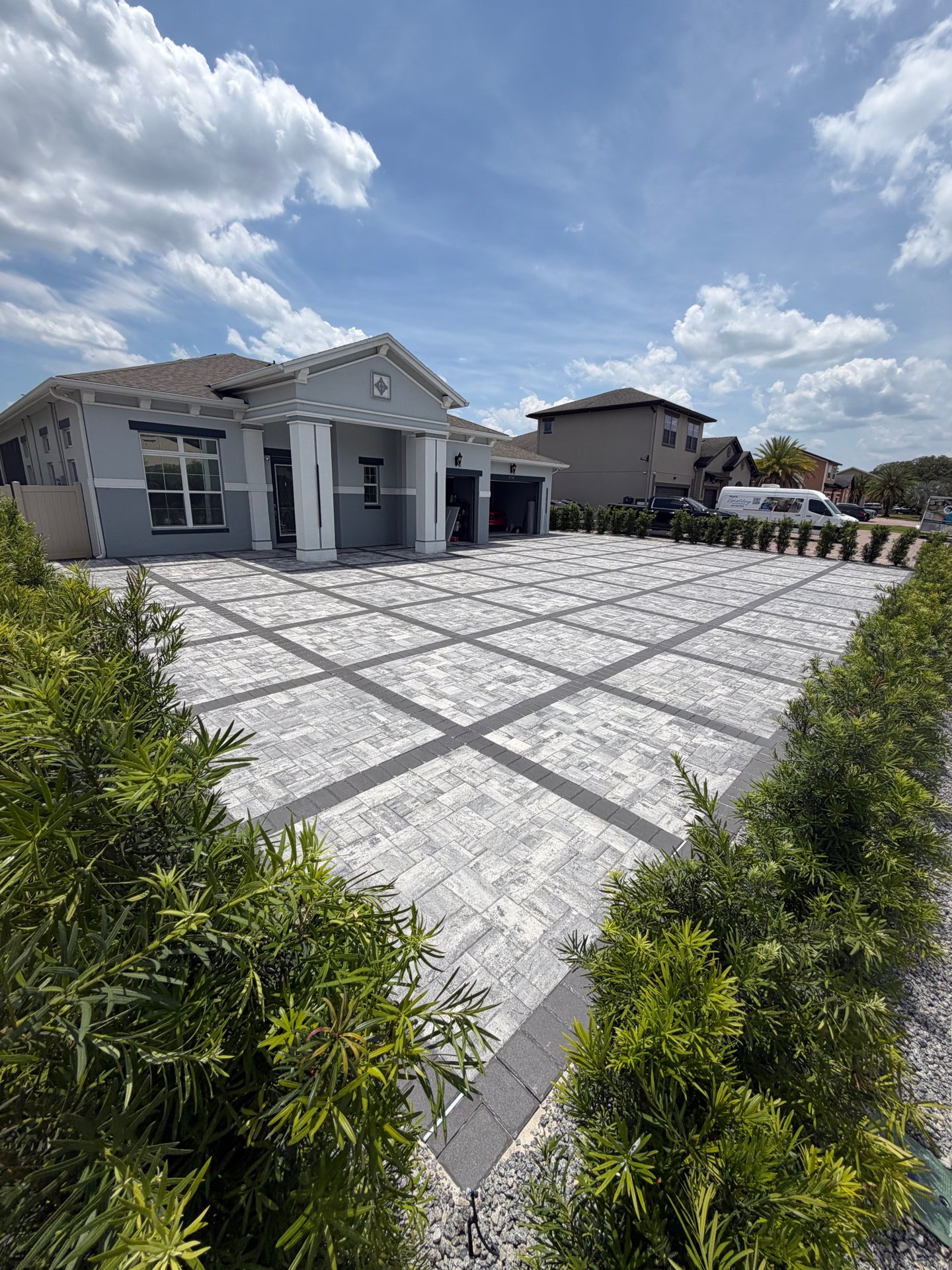
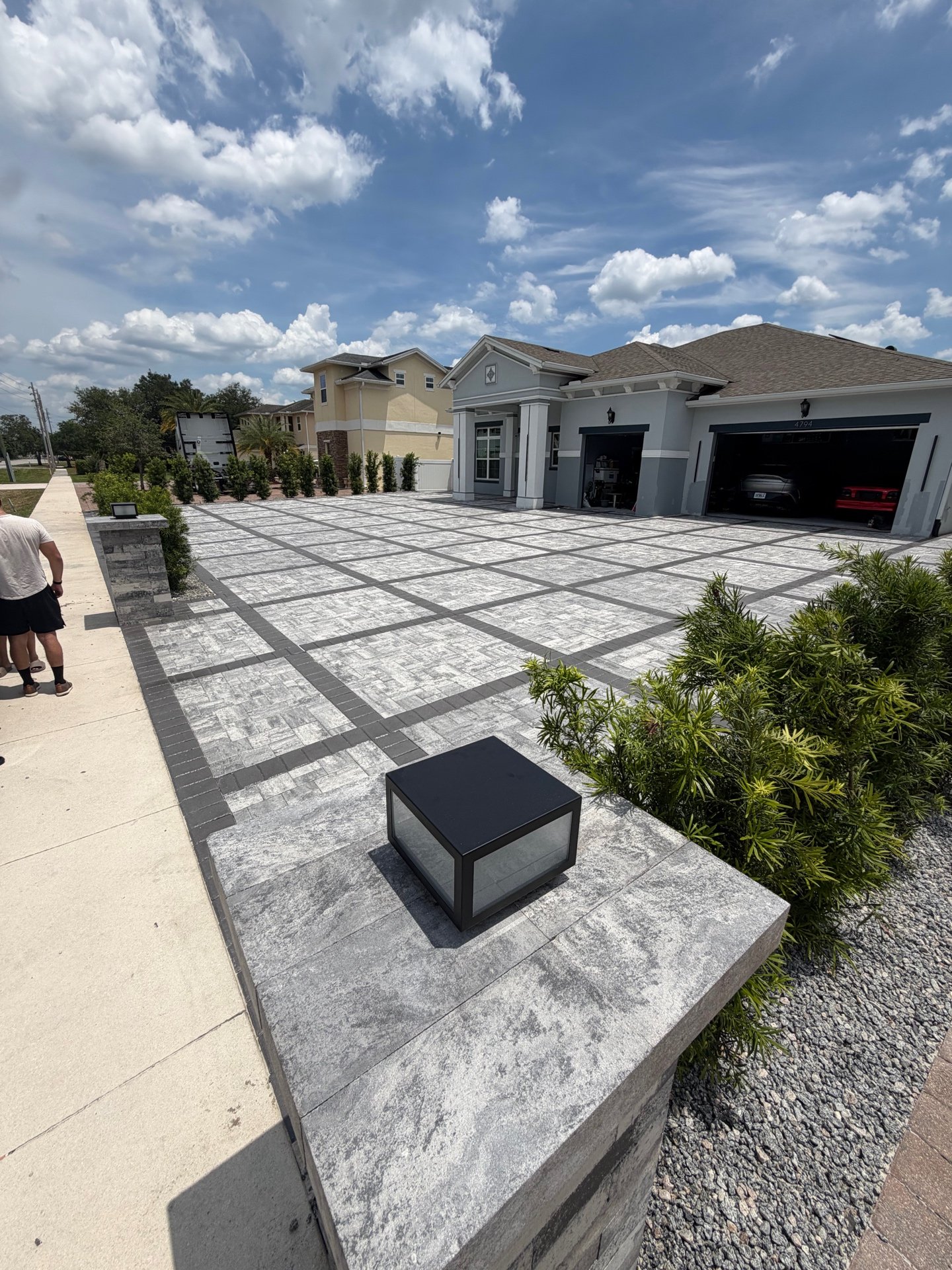
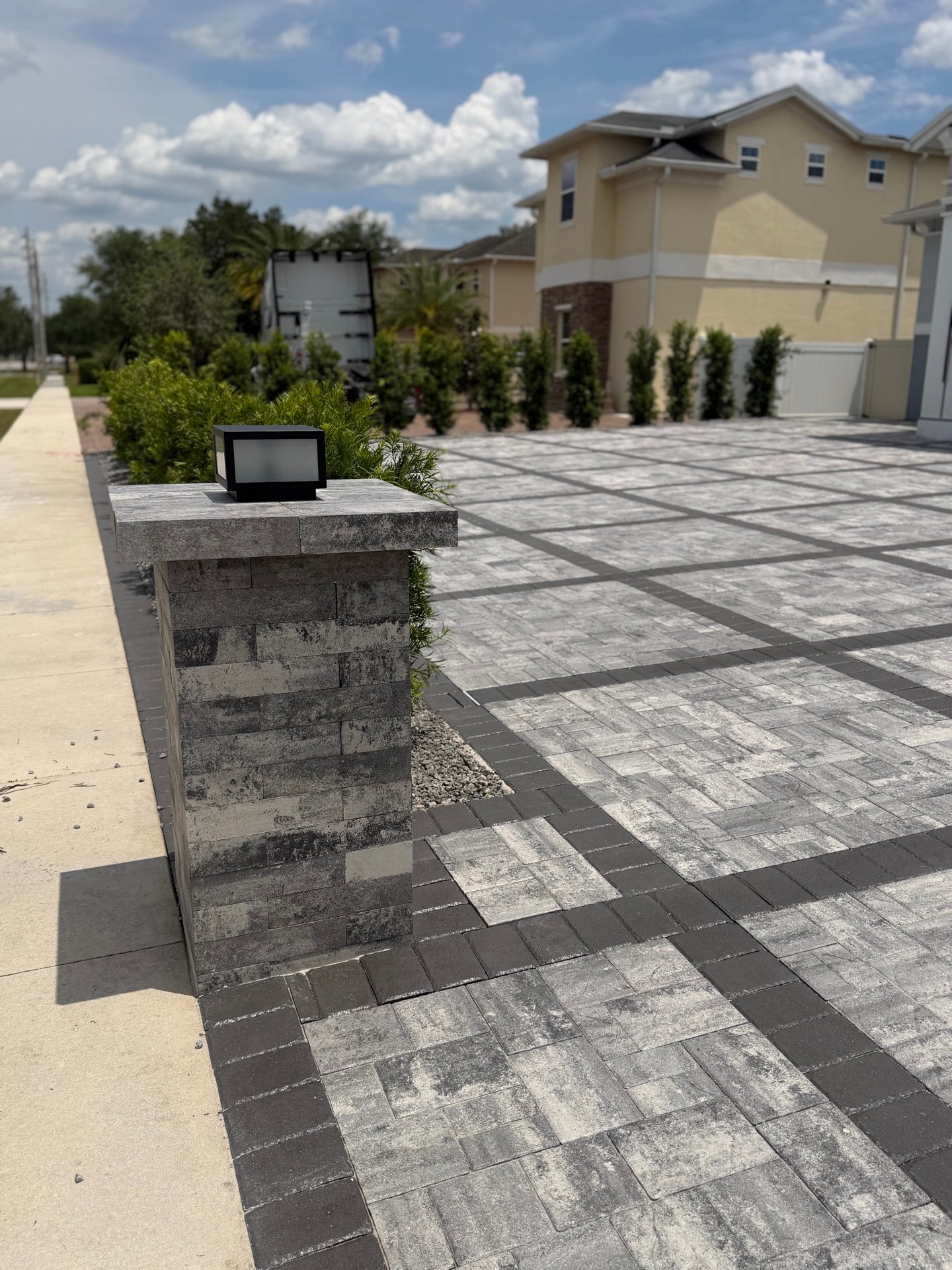
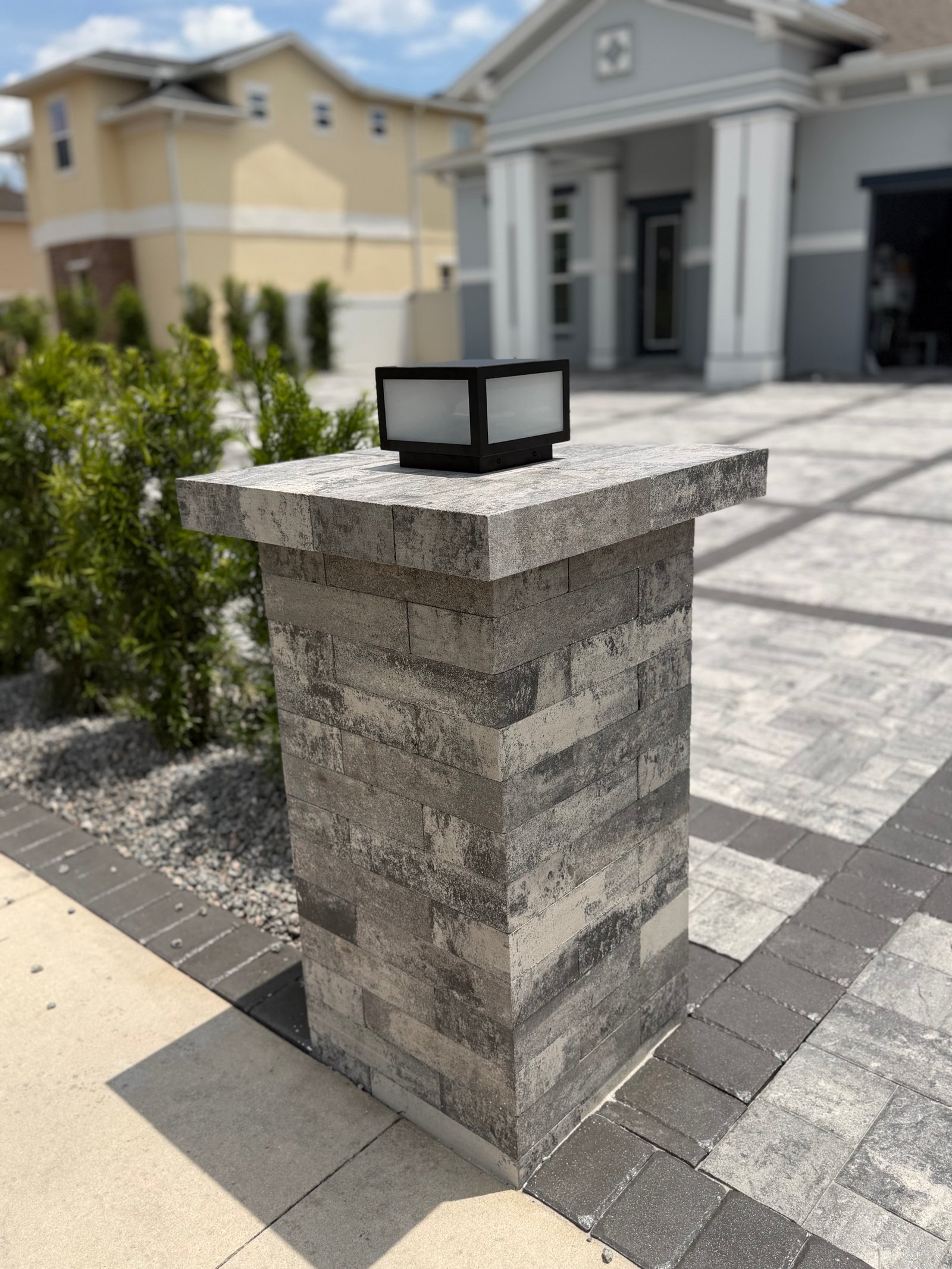
Pavers add style and flexibility, but when professionally installed (with compacted gravel base, edge restraints, and drainage features), they also typically require a permit. The rules are similar for driveways— when used for patios, setback and surface water rules still apply. Get more details about permits and process for new driveway and patio pavers at our paver installation guide.

Artificial turf patios

The popularity of artificial turf for outdoor living areas is growing in Florida. In most cases, if the turf is installed over a well-draining, stabilized base and no concrete is poured, permitting may not be required. However, if edging, lighting, or significant drainage work is planned, permits might still come into play. We’ve found it is always safest to check with your local office before work begins.

Modern outdoor kitchen on a Florida backyard patio

Drainage and site grading: hidden factors in permitting

A major focus of Florida patio permits is managing water.

If a new patio changes how water moves on your property, a permit is likely required.

Improper drainage can create standing water on your patio, flood flower beds, or cause costly damage to your home’s foundation. When we design patios at GCM Best Services, our crew grades surfaces precisely and includes features like:

Many cities review drainage plans as part of the permitting process. By having your contractor prepare plans that anticipate site-specific water movement, you save time and avoid surprises during inspections. Read more about how professional drainage design prevents patio cracks and water pooling in our article: Preventing cracks and standing water in Florida patios.

Setbacks, easements, and other restrictions

One of the first questions your building department will ask: where on your property do you want to build the patio? Most communities enforce the following:

These requirements aren’t negotiable, and unpermitted patios built in restricted zones may need to be removed. For pavers, curbing, or outdoor kitchens integrated with hardscape, we take these boundaries into account at every design and permit stage. Our hardscape services page explains how professional planning keeps projects compliant and attractive.

How professional contractors help streamline permits

It can be tempting to rush a patio project to take advantage of the weather, but cutting corners on permitting rarely saves time. Partnering with a licensed, insured contractor like GCM Best Services brings several advantages:

Customers consistently tell us that the small upfront investment in a permit pays off with peace of mind, fewer delays, and a better result in the end.

Protecting your investment for years to come

A patio should last for decades, becoming a central feature of your home’s outdoor living. Getting the permit is a simple but powerful step in protecting that investment. When patios are inspected and approved, you know the foundations are solid, drainage works properly, and no legal or insurance surprises await down the road.

Patio permits also give you leverage years later. If problems arise with settlement or water movement, you have a clear record of proper installation. If you add a pool, screen enclosure, or summer kitchen in the future, authorities will have confidence your site is already up to code.

Special considerations for unique patio projects

Outdoor kitchens and integrated features

Adding features like built-in grills, sinks, or lighting takes your patio from pleasant to exceptional. However, every new utility—water, gas, electrical—adds permitting complexity. City staff may require separate sign-offs for plumbing and mechanical work. Our summer kitchen planning covers every detail, so you don’t have to coordinate multiple permits yourself.

Screen enclosures

Screened patios and pool cages are common in Florida, adding comfort and safety by keeping bugs and debris out of your living space. These enclosures have special wind-load engineering requirements, including specific fasteners and hurricane-rated anchoring. Permits for screens usually require engineering drawings and strict inspection to ensure safety during storms.

Drainage upgrades and site improvement

If your yard suffers from poor runoff, permitting a new patio may be a perfect chance to solve drainage issues. We include subtle upgrades in our patio projects—like permeable base layers, retaining edges, or stormwater tie-ins—to keep your yard dry and code-compliant.

How to get started with a compliant patio

Deciding to build a backyard patio is a big step, but the permitting doesn’t have to be overwhelming. Here’s how we at GCM Best Services recommend starting:

If you’re curious about how other Central Florida homeowners have transformed their backyards, we recommend viewing project examples and best practices on our concrete project gallery.

Conclusion: Peace of mind is worth the permit

Through our years of experience serving Central Florida, we’ve seen time and again that proper permitting creates lasting, care-free patios. The process protects your investment, keeps you on solid legal footing, and ensures your project works in harmony with Florida’s climate and codes. Whether you’re dreaming of a simple concrete slab, a paver patio with landscape lighting, or a fully equipped outdoor kitchen, the right permit brings peace of mind and long-term value.

Are you ready to start your backyard transformation? Contact our team at GCM Best Services for a professional site assessment and clear permit guidance. Let’s make your Central Florida outdoor space everything you want—safe, beautiful, and built to last.

Frequently asked questions

Do I need a permit for a patio?

In most Florida cities and counties, you need a permit for any “permanent” patio—such as those built with concrete, pavers on a compacted base, or projects that change drainage patterns or property grade. Requirements can vary, so always check with your local building department. If you’re simply placing loose surfaces that can be easily removed and which don’t alter drainage, permits may not be needed, but it’s best to confirm in advance.

How much does a patio permit cost?

Costs for patio permits in Florida typically range from $50 to $250, depending on the size and complexity of the project, your municipality, and any needed site inspections. Some cities charge based on project value, while others have a flat fee. Fees for special engineering or separate utility permits (like electrical or gas for an outdoor kitchen) will add to the total. We always provide an estimate that includes all expected permitting fees before work begins.

Where do I apply for a patio permit?

You apply at your local city or county building department—usually in person or online. Each Florida city or county has its own permitting office. Check your city or county government website for permit application forms, document requirements, and instructions. If you work with a professional contractor like GCM Best Services, we take care of this step for you as part of our service.

What happens if I build without a permit?

Building a patio without the required permit puts you at risk for fines, stop-work orders, and orders to remove the structure at your own cost. Unpermitted work can complicate home insurance claims and cause major issues during resale, as title companies and lenders may require proof of proper permitting and inspection. Municipalities and HOAs may refuse to approve future projects until existing violations are resolved. It’s always better—and often less expensive—to secure the permit before starting work.

What size patio requires a permit in Florida?

Permit size thresholds vary by municipality. Many cities require permits for patios over 100 square feet, but some set the bar lower or higher. Even small patios may require a permit if they are made of concrete, set on a base, elevated, or impact drainage or property lines. We recommend always verifying your specific local rules—what’s true in Orlando may not be in other parts of Central Florida.

Ready for a professional quote? 📞 (407) 250-1948 • 24–48h • Orlando, Tampa & area.

One Response

Leave a Reply

Your email address will not be published. Required fields are marked *