Primary keyword: artificial turf permit delays
Variants: Central Florida artificial grass approvals, synthetic turf permit process, Orlando artificial turf codes
Audience: Homeowners and property managers who want worry-free artificial turf projects.
Pain/Benefit: The frustration of hitting roadblocks with city permits or HOA rules can slow project deadlines, but mastering these steps leads to smooth, on-time installations.
Summary: Navigating the permit process for artificial turf in Central Florida is often where homeowners stumble and see project timelines slip. Based on our years of experience in the Orlando area, we lay out step-by-step guidance to keep your install moving, avoid missed criteria, and prepare for 2026’s stricter zoning and environmental codes—all while keeping your project on schedule and stress-free.
- Introduction: Why permitting matters
- Understanding 2026 artificial turf permit scene in Central Florida
- Breaking down current rules in Orlando and Tampa
- Documentation prep—what you’ll need and why
- Handling the HOA: no more surprise rejections
- How sub-base, drainage, and engineering factor into permits
- Timing: when delays happen, and how to get ahead of them
- Planning for environmental and safety reviews
- Working with pros for worry-free approvals
- Recap and final action steps
- FAQ
Ready for a professional quote? 📞 (407) 250-1948 • 24–48h • Orlando, Tampa & area.
Introduction: The cost of permit delays for artificial turf
We have seen it too many times: a property owner invests in premium artificial turf, schedules their installation, and then everything halts for weeks—or months—waiting on permit approval. Missed rules, missing paperwork, or a single unchecked box on a city checklist can hold up an entire project. When summer thunderstorms hit or family gatherings are looming, those delays hurt.
Central Florida jurisdictions have responded to water conservation demands and stormwater rules by tightening oversight for synthetic lawns. This guide is designed to help you sidestep the most common slowdowns by knowing exactly what cities expect, how homeowners associations (HOAs) should be approached, and when to engage a contractor like GCM Best Services for compliance. Our focus is to keep your Orlando lawn project moving—and your new grass underfoot—on your schedule.
Understanding the 2026 artificial turf permit process in Central Florida
Permitting for artificial turf in Florida is rarely a one-size-fits-all process. Each city and county sets its thresholds, documentation, and review steps as local leaders respond to changing attitudes about turf in Florida’s climate and manage stormwater around new “impervious” surfaces.
Looking ahead to 2026, local permitting teams are increasing scrutiny on drainage performance, setbacks, and material sourcing. We see four main drivers shaping artificial turf permit timelines:
- Stricter review of sub-base compaction and drainage detail
- Requiring sealed engineering documents for larger-area installs
- Environmental assessment, with considerations for runoff and microplastic containment
- Extra attention to HOA bylaw compliance in new subdivisions
Permitting is about more than paperwork. It’s proof your install will stand up to Florida’s rain and protect your neighborhood’s watersheds.
Cities like Orlando review every application for ISR (Impervious Surface Ratio), location setbacks, and proximity to wetlands. Even a top-quality product lines up for rejection without the right plan and supporting documents. Based on our experience at GCM Best Services and ongoing updates from Orlando permit offices and Tampa’s regulations, these requirements will only become more exacting by 2026.
City spotlight: Orlando and Tampa permit rules decoded
Let’s break down the two largest Central Florida markets’ approaches—because success there almost guarantees success everywhere else in the region.
Orlando: Impervious surface ratios rule the day
Orlando treats artificial turf as an impervious surface. This means your project is reviewed like a concrete patio or driveway—not as a living lawn. Every permit hinges on calculating the Impervious Surface Ratio (ISR) for the entire lot and proving you don’t exceed the city’s development codes. Orlando frequently requests:
- Site plan showing total lot size versus total ‘impervious’ proposed (turf + patios + buildings)
- Property lines and labeled setbacks—installs are usually barred near lakes, ponds, and streambanks
- Drainage plan with details on base layers, edge restraints, and how water will flow after storms
- Engineering stamp for commercial or multi-unit properties
- Proof of HOA or community approval, if required
Permits are only granted after this detail-by-detail comparison—so early preparation is worth the effort. For reference, the Orlando permitting checklist covers every major document you’ll need for an approval.
Tampa: Size triggers, sworn statements, and more
For properties in Tampa, any artificial turf project over 150 square feet triggers a permit requirement. Here, applicants need to submit:
- A notarized verification statement verifying install details
- A scaled site plan with all dimensions and location of the turf relative to fences, sidewalks, and landscaping
- Materials list and installation specifications (especially for drainage and permeable backing)
- Final construction inspection—sometimes a mid-project inspection is also required
These specifics reflect Tampa’s focus on both technical and legal aspects of code compliance. Our own workflow at GCM Best Services always begins with a checklist built around Tampa’s artificial turf permit rules so that you never run into avoidable surprises mid-job.
In both cities, failure to obtain proper permits can result in citations, stop-work orders, or even the requirement to remove newly installed turf and start over.
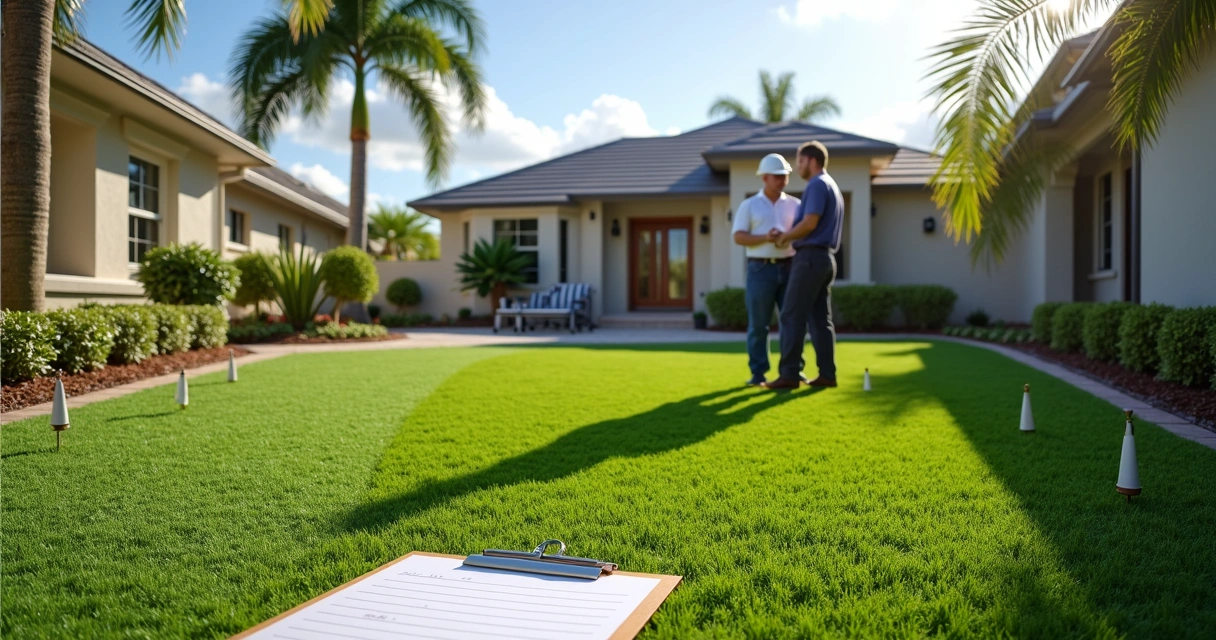
Document checklist: What’s required for approval?
Our experience shows the right document packet prevents 80% of permit-related delays. Each city lists its own requirements, yet most slowdowns come from missing, outdated, or incomplete documents during initial submittal. Here is what we prepare for every project—and what you should expect to supply or approve:
- Sealed, to-scale property site plan
- Specifications for the turf system (thickness, infill, drainage)
- Details for perimeter edging, base layer compaction, and drain placement
- Proof of HOA sign-off (with requirements for the specific turf brand/type, if applicable)
- Engineering analysis if required by city or for large jobs
- Application forms, owner details, and (in Tampa) a notarized verification
We recommend assembling this package before signing any install contract. This way, you can accurately estimate timelines and catch any missing data.
Find more on our approaches and project scope by visiting our artificial turf page or exploring market-custom articles for specific neighborhoods like Orlando, Kissimmee, and Sanford. Each area carries location-specific rules that we track for worry-free installs.
HOA and community review: Getting the green light every time
Even with perfect city paperwork, HOA denials are a hidden “gotcha.” Their own approval is often required before city reviewers even process the application. Miss this step, and you will face an automatic delay—if not a full rejection down the road.
HOAs in Central Florida may specify:
- Required turf pile height and material color
- Maximum square footage or percentage of yard permitted
- Rules for edge transitions, visible seams, and proximity to property boundaries
- Brand restrictions based on prior complaints or community aesthetics
We encourage customers to initiate HOA conversations before ordering any products. Share the full project plan and product literature, and lock in written approval for your records. Our team at GCM Best Services includes HOA assistance and communications as part of our standard process—letting you avoid this frequent pitfall completely.
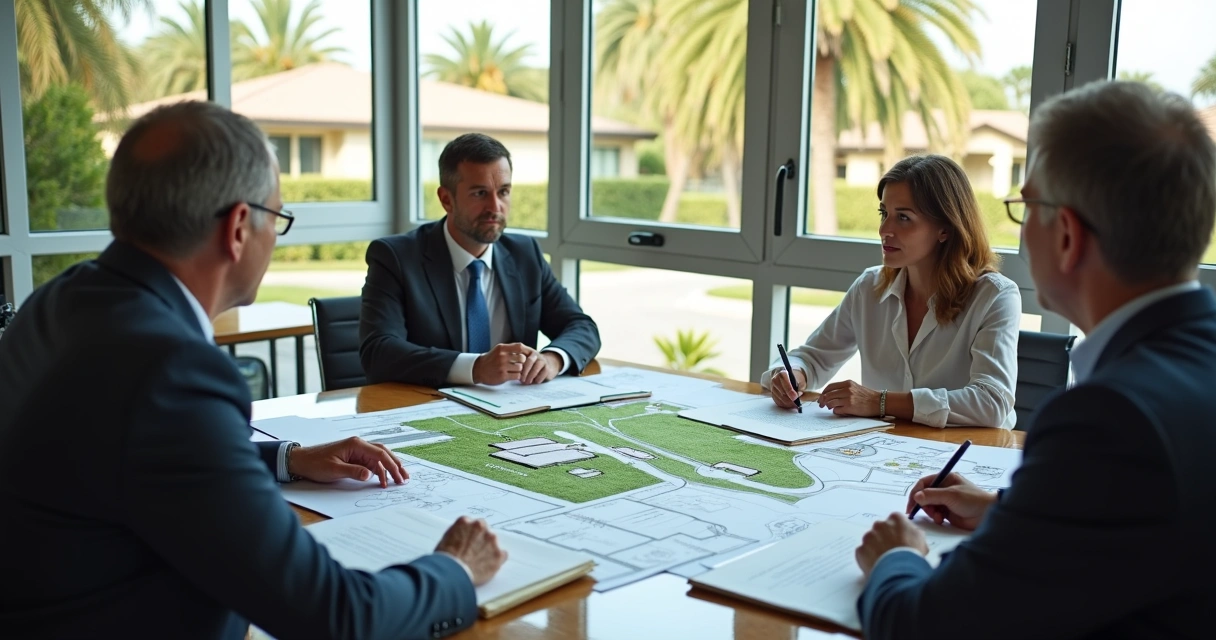
Engineering, drainage, and sub-base: Why they matter in permits
The fastest way to lose valuable time on a permit in Central Florida is to overlook site grading, drainage, and proper sub-base installation. As Orlando and Tampa treat artificial turf as “impervious,” their engineering departments are looking for proof that:
- Your base layer allows fast drainage and will not create runoff problems during Florida’s intense rains
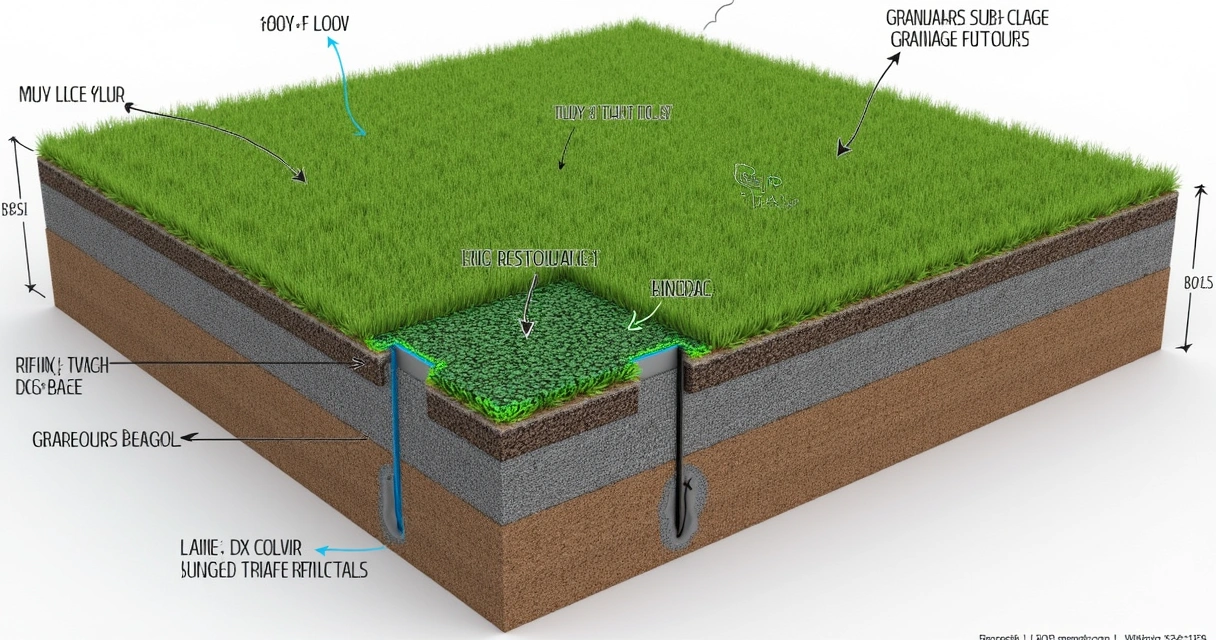
- Compaction, thickness, and materials align with code standards (for example, 4–6 inches of compacted aggregate beneath turf in most cases)
- Edging and infill will prevent migration of synthetic fibers and protect against pollution to neighboring properties or water bodies
- Large jobs may require stamped civil or structural engineering drawings, especially when existing site elevations are changed
Permit applications benefit greatly from the inclusion of drainage calculations and illustrations of the sub-base layers. This detail minimizes triggering plan review “holds” for clarifications and shortens the overall decision cycle.
Our process at GCM Best Services means we routinely design for drainage, sloping, and water management as part of the estimate stage—not as an afterthought once paperwork is filed.
Common causes of permit delays—and how to prevent them
Sometimes, even when we believe we’ve checked every box, the city finds a reason to pause. These are the most recurring reasons for permit stalls or denials for artificial turf projects:
- Submitting the wrong or outdated permit forms
- Site plans lacking scale, setback measurements, or labels
- Inadequate detail for sub-base, drainage, or infill
- Unapproved product substitutions after submission
- HOA sign-off not attached or missing
- New environmental reviews or questions about runoff, especially in flood-prone or near-water areas
- Coordination errors, like permit applicant and property details not matching
Preventing delays is about anticipating reviewer concerns and building extra review days into your overall timeline. We’ve found that prompt responses to city questions, fast provision of any requested changes, and full transparency with HOAs always smooth the way.
What to expect: Timeline for city and county permit reviews
In a typical Central Florida city, the review and approval process for an artificial turf permit can range from a week (best case) to several months (if plans require multiple technical or environmental clarifications). Expect longer timelines for jobs near waterfronts, in new developments, or during busy building seasons.
A realistic schedule in our experience:
- Document gathering and HOA approval: 1–2 weeks (some HOAs meet monthly)
- Permit submission, city plan review: 5–15 business days
- If questions or resubmittals are needed, add 3–7 business days
- On-site inspection scheduling: 1–2 weeks post-approval, weather-dependent
Pre-permitting reviews or consultations with a contractor such as GCM Best Services can shortcut much of this timeline. We often start on drainage design and survey before the rest of the application is even ready, saving time later.
Environmental review and safety: The 2026 outlook
As pointed out in environmental news reports about artificial turf, cities will strengthen reviews around runoff, heat gain, and microplastic release by 2026. Permits may require new documentation for:
- Proof that turf backing and infill meet stormwater and runoff standards
- Project designs that avoid creating urban heat islands (as heat complaints are a top contractor concern—see research by the University of Florida)
- Safety assurances for use in play areas or public places
- Non-toxic or recyclable materials, particularly in sensitive watersheds
- Detailed site plans that minimize the loss of natural landscape buffers
Our own installs include a review of drainage and hardscape integration so that turf areas perform well during Central Florida’s summer downpours and comply with the latest environmental expectations.
We expect that site inspections will continue to increase, especially for projects covering large areas or neighboring wetlands.
Why team up with experienced installers?
Professional contractors like GCM Best Services are fluent in local permitting language, know every documentation trick, and can respond rapidly when an issue arises. Our process includes:
- Pre-application assessment for possible red flags or missing documents
- Filing permit applications and responding to city/HOA questions
- Coordinating on-site meetings for drainage, base prep, and city inspections
- Ensuring that all work and warranty coverage meet or exceed permit standards
If you want peace of mind and timely completion, the right installer is your best friend for avoiding the kind of permit slowdowns that frustrate so many DIY projects.
Our team offers free consultations to walk you through permit prep, HOA engagement, base material choices, and city review logistics.
Conclusion: Stay ahead of permit delays for a smooth install
Artificial turf installations in Central Florida are easier, faster, and longer-lasting when you get permits right from the start. As we move toward 2026, expect more scrutiny on drainage, impervious surfaces, and material safety. City agencies and HOAs have become more meticulous—yet every delay is avoidable with the right guidance and a little preparation.
At GCM Best Services, we partner with you through the assessment, permitting, and installation stages. From engineered drawings to HOA presentations, our proven workflow keeps your turf project on the fastest track to completion—so you can enjoy your new yard, not chase paperwork.
Ready to beat the delays and get your artificial turf project underway? Connect with us for a no-pressure consultation, and see how we make approvals simple and stress-free across Central Florida.
Frequently asked questions
What documents do I need for permits?
Permit documents typically include a site plan showing existing and proposed hardscapes, turf details and installation specifications, drainage plans, engineering if required, and proof of HOA or community review where applicable. Some cities also request signed verification statements or supporting material samples.
How long do permits usually take?
In our experience, most city permits for artificial turf in Central Florida are approved within 1–3 weeks if submitted with all documents. Missing or incomplete materials can add days or even months, especially if environmental or engineering review is needed. Early preparation and contractor support often speed the process significantly.
What causes permit delays for turf installs?
Delays most often come from incomplete plans, missing scale or drainage detail, lack of HOA approval, or using the wrong permit forms. Site-specific issues such as proximity to water bodies, changes to grading, or increased city questions about environmental impact are also frequent causes of slowdowns.
How can I speed up permit approval?
Submit a complete document package up front, including site plans, engineering detail (if needed), and all HOA sign-offs. Respond quickly to city or HOA questions, use approved and documented materials, and consult experienced contractors who know local code expectations. Preparing for environmental questions and including drainage calculations up front further eliminates risk of “holds.”
Is professional help needed for permits?
While DIY applications are possible for small projects, we’ve seen that professional contractors nearly eliminate permit headaches. Experts handle all the technical drawings, coordinate with your HOA, and answer city questions rapidly, resulting in fewer delays and on-time installations.