When planning an outdoor project—like a new driveway, patio, screen enclosure, or summer kitchen for your Orlando property—the process usually starts with a vision of improvement. However, successful results go beyond design and craftsmanship. Permits and regulatory compliance shape the outcome from the ground up. Knowing what to check before you hire anyone to handle your outdoor project permits can save you from costly delays, fines, or even having to redo work. Drawing on our experience at GCM Best Services, we’ll guide you step-by-step so your project is safe, legal, and built to last in Central Florida’s unique climate.
Why outdoor projects require permits in Central Florida
Many homeowners or property managers have a moment of surprise when learning that even “minor” projects like patios or small enclosures need permits before breaking ground. Here’s why that’s the norm:
- Protecting public safety and ensuring proper drainage, load-bearing capacity, and hurricane resistance
- Confirming that the project matches current building codes and zoning
- Establishing records of improvements for insurance and resale
- Facilitating city or county inspections at project milestones
U.S. Census Bureau data (2022) shows that over 99% of privately owned residential buildings were constructed in places that issue building permits—emphasizing the critical role of permits in ensuring code compliance and tracking construction activity for projects like driveways, patios, and additions. This data, as outlined in the U.S. Census Bureau’s building permit tool, makes it clear: almost no legitimate residential improvement proceeds without regulated oversight.
Yet, permitting requirements aren’t always crystal clear to the average property owner, particularly in Florida, where local ordinances may differ by city or county, and HOA rules add another layer. This is where an experienced, licensed contractor like GCM Best Services proves valuable by navigating these rules efficiently.
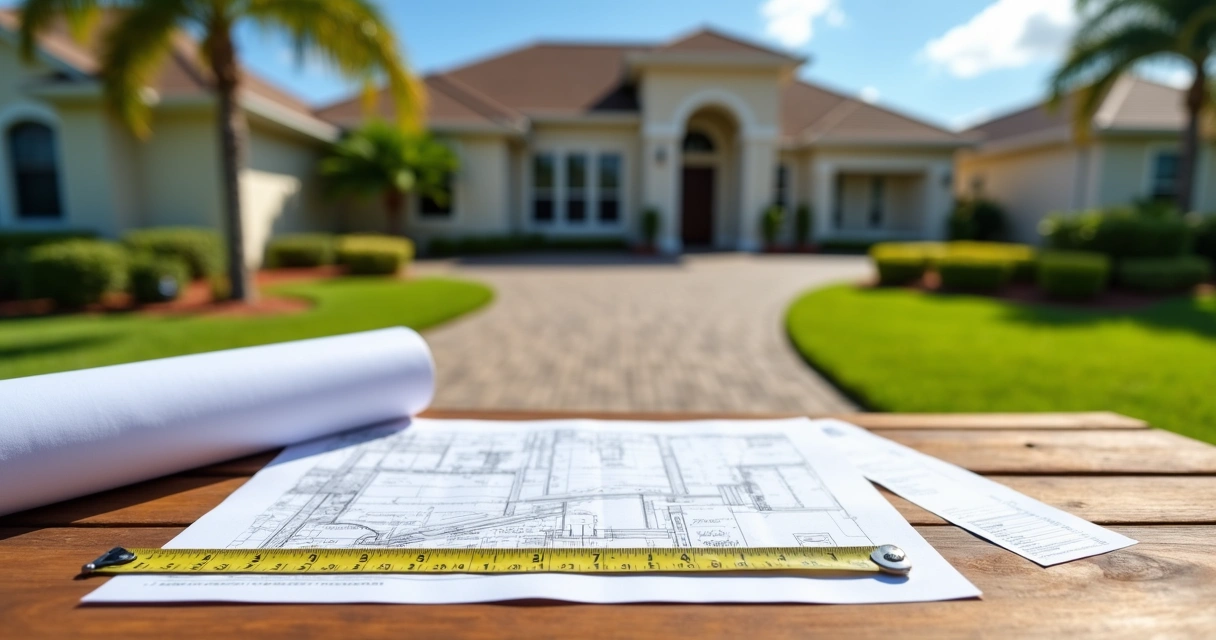
Key questions to answer before hiring a contractor for permits
Before moving ahead, there are several core questions that every property owner should consider. These ensure your chosen contractor is ready not just to build, but to deliver on compliance and reliability. Let’s lay them out and break down why each matters.
Does the contractor hold the right license and insurance?
Checking licensing isn’t just about following state law—it protects you from unqualified work and financial risk. Florida requires contractors to be licensed for trades like concrete, screen enclosures, and electrical work. Insurance (general liability and workers’ comp) shields you in case of jobsite accidents or property damage.
- Ask for the contractor’s license number and verify it with the Department of Business and Professional Regulation (DBPR).
- Request certificates of insurance and make sure they’re current.
- Check whether the contractor’s license covers the specific project scope you have in mind (e.g., structural, painting, or paving).
Licensing and insurance are your first safety net.
Will the contractor handle permits and inspections, or is that your job?
Not all contractors include permitting in their standard offerings—some leave it to the client, which can be a risky path. Ask whether the company will handle the application, coordinate with your HOA if needed, schedule mandatory inspections, and address any issues that arise during official reviews.
At GCM Best Services, managing permits, HOA paperwork, and inspections is built into our process for every exterior project. This reduces errors and saves you many headaches.
What experience do they have with local codes and zoning?
Qualified contractors should not only know the Florida Building Code but understand how local modifications (like Orange County wind-load requirements) impact your project. For example, paver installations in areas with high water tables or screen enclosures in wind-prone zones each need tailored design and documentation.
- Ask about recent projects in your area and how they satisfied permit and inspection requirements.
- Request references or case studies specific to your city or neighborhood.
- For HOA-governed neighborhoods, check their knowledge of typical association rules.
Can they provide clear documentation and communication?
Projects stall when paperwork is missing or unclear. Choose a contractor who provides detailed written estimates, project schedules tied to permitting timelines, and photo documentation of key milestones. These records not only help with the permit sign-off, but will be useful if you want to prove compliance or quality years later.
The permit application cycle: What to expect
If you’ve never undertaken an exterior project before, the permit process might seem confusing. While cities and counties in Central Florida each have their form or web portal, the main steps usually look like this:
- Drafting plans and site maps (may require engineer’s stamp for structural work)
- Permit application (with fees, plans, insurance, license info, and sometimes HOA approval)
- Initial city/county review
- Corrections or comments (if needed)
- Permit issuance (the “green light”)
- Scheduled inspections at various stages (foundation, framing, final, etc.)
- Final approval and closeout, with official certificate
Delays most often arise due to incomplete or incorrect plans, missing documents, or non-conforming designs (such as improper drainage slopes for a patio). An experienced contractor prevents many of these problems by working closely with local building departments and inspectors from the start.
How plans and code details affect approval
Submission standards have grown stricter in recent years. It’s not enough to provide a sketch; details like sub-base thickness for driveways, rebar location, drainage paths, and fastener specs for hurricane wind-loads must be spelled out. For example, hardscape projects involving pavers or concrete need notation about joint placement, edge restraints, or compliant slopes.
If your outdoor upgrades involve utilities—gas, electrical, or plumbing—these add another tier of review. GCM Best Services plans for these at the estimate and design phase, not as an afterthought.
Red flags and risks: How to avoid setbacks
In our work across Orlando and Central Florida, we see the hardships clients face when contractors skip steps or “work under the radar.” Sadly, the short-term savings quickly unravel:
- Failed inspections, requiring expensive rework after concrete or pavers are in place
- Municipal stop-work orders, fines, or forced demolition of non-compliant construction
- Voided warranties on work or home insurance refusal
- Costly repairs if drainage is not designed per code, leading to ponding and cracking
Let’s be clear: Unpermitted work is almost always discovered, sooner or later, and the costs exceed the initial permit fees.
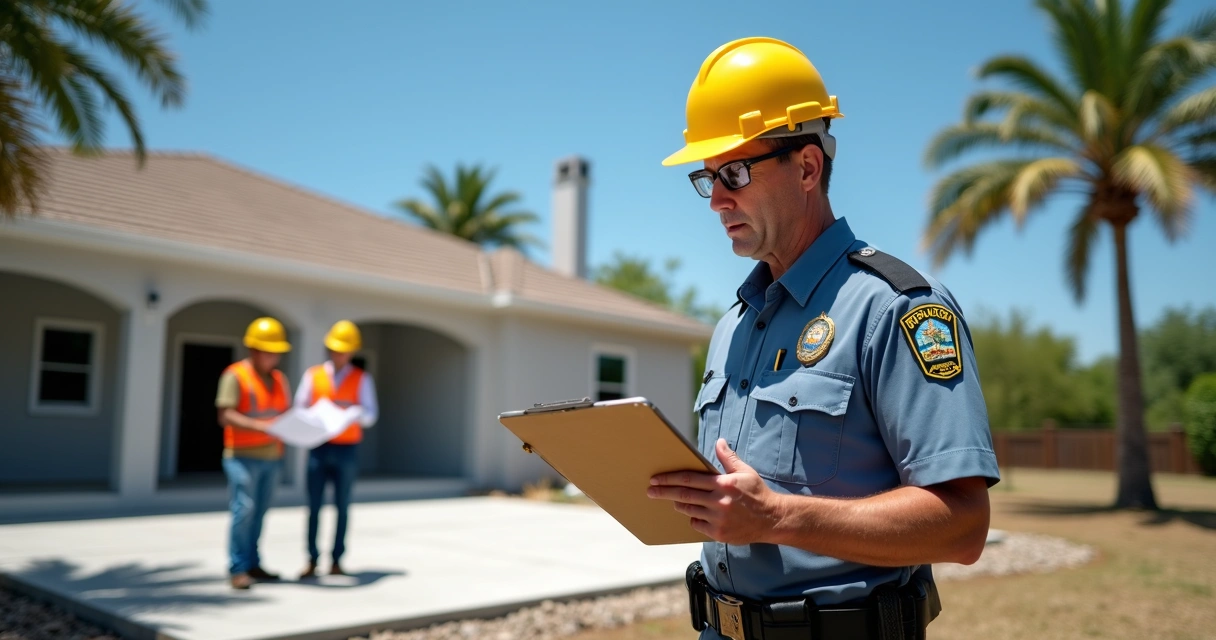
Ensuring jobsite safety and compliance during the build
Permit approval is only half the story. The actual construction phase needs strong safety practices and disciplined compliance with OSHA standards. OSHA construction compliance guidance highlights the most frequently cited safety violations (such as fall protection, scaffolding, and PPE), reinforcing the importance of safe practices even for smaller exterior projects. For more detail, see the OSHA construction compliance guidance.
At GCM Best Services, we keep jobsites clean, secure, and OSHA-compliant so that projects run smoothly and risks are minimized. This clarity is especially important for work happening close to public sidewalks, neighbors’ properties, or roadways.
- We use crew safety briefings at each stage
- We display visible permit and inspection documents on site
- We maintain photographs for each phase, from excavation to final finishes
Compliance is continuous, not just a box to check.
How HOA approval fits with municipal permits
In many planned communities or subdivisions in the Orlando area, homeowners associations (HOAs) set their own standards for exterior changes. Sometimes, these are stricter or more detailed than city or county codes (for example, limits on colors, finishes, or where you can place new structures).
Our clients often ask, “Is HOA approval separate from the permit?” Yes—it’s a parallel process, and you need both. Most permit departments will ask to see HOA sign-off before issuing their own authorization. Be prepared for extra time if your HOA requires a board meeting to review plans.
At GCM Best Services, we factor HOA timing into our schedules, and we prepare documents so review boards can see exactly what’s being built. This avoids many of the miscommunications that can stall a project.
Special permitting for outdoor features: What’s different?
Some outdoor projects have permit requirements that are unique, reflecting the technical or environmental challenges they present. Here’s a breakdown of some common examples:
- Concrete driveways & slabs: Need grading/drainage plans, sub-base details, compressive strength specs, and joint locations. Weak designs crack quickly on Florida soils.
- Paver patios/walkways: Drainage, compaction, and edge-restraint specs all factor into approval. For more details on paver design and steps, see our post on driveway and patio paving.
- Screen enclosures: Must pass wind-load calculations per code and include permitted anchor systems, especially after recent hurricane code updates.
- Outdoor kitchens: Coordinating gas, electric, water, and ventilation in one structure increases permitting complexity.
- Artificial turf: Base stabilization and drainage must be outlined to show no negative impact to neighboring properties or public right-of-way.
Our expertise has shown that final inspections for these features are far less stressful when all these considerations are addressed and included in the initial permit plans.
Drainage, pavers, and Florida’s rain: The inspection focus
Proper drainage is a frequent cause of permit revisions. On projects like paver installations or turf replacements, inspectors look for run-off that could affect neighbors or public areas. We design for this by integrating drains and slopes into every project plan, a topic we discuss in detail on our page about effective drainage for brick paver installations in Florida’s climate.
By getting drainage right up front, we avoid mid-project changes or costly post-installation fixes.
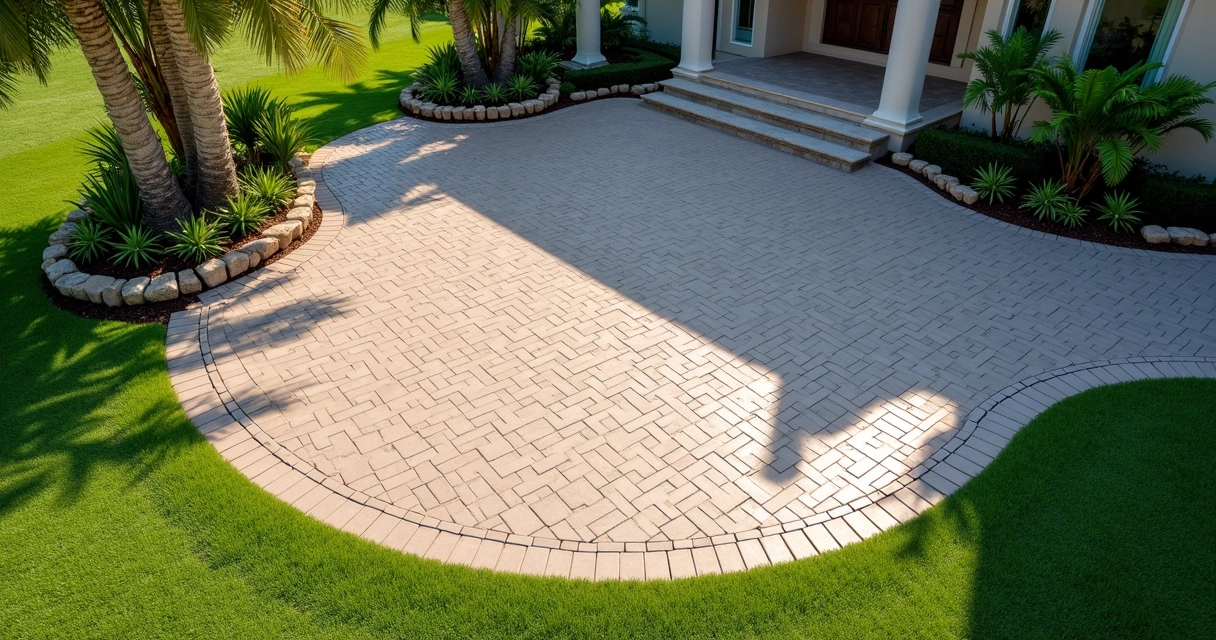
How to verify quality: References, warranties, and maintenance
Once permitting is underway, how do you know you’re getting good work? In our experience, satisfied clients look for contractors willing to provide:
- Written warranties covering craftsmanship and materials
- References from recent jobs with permit numbers (so you can cross-check city records if you wish)
- A maintenance guide after the work is done
GCM Best Services offers written warranties, backs all major projects with documentation, and supplies a care plan so your new improvement stands up for years to Central Florida weather.
When should you start talking permitting with your contractor?
We believe the answer is—at the very start. Permitting affects more than law; it shapes everything from materials to the project budget and schedule. Even seemingly simple choices like paver arrangement or enclosure finish type may change if HOA or city rules conflict with your plans.
For step-by-step guidance, our recommended project flow looks like this:
- On-site assessment and needs discussion
- Concept plan and estimate (with options for upgrades or budget choices)
- Site-specific code research and HOA review
- Permit filing and documentation
- Scheduled, OSHA-safe execution
- Final walkthrough and handoff, with all approvals and warranty
Wrap-up: Getting permitting right protects your investment
Taking the time to check for the right licenses, insurance, permit experience, and local code knowledge will save you from common pitfalls and deliver confidence in results that last. At GCM Best Services, we believe that compliance is not just a hurdle—it’s the foundation that high-quality outdoor projects are built upon in Central Florida.
If you want to learn more about hardscaping and outdoor improvements, read our guide on how to prevent weeds from growing between pavers in Orlando, FL or browse broader topics in our hardscaping resource center.
Are you ready to move forward confidently with your Orlando or Central Florida outdoor project? Let us help manage the permits, compliance, and construction—so you get the results you want, on schedule, and with peace of mind.
Ready for a professional quote? 📞 (407) 250-1948 • 24–48h • Orlando, Tampa & area.
Frequently asked questions
What permits do I need for outdoor projects?
The permits required depend on the type of project and local regulations. In Central Florida, you typically need permits for new driveways, patios, screen enclosures, summer kitchens, and major landscaping changes. Additional permits may be needed for work that impacts utilities (gas, electric, or water), or changes the property’s structure. Your contractor should be able to list and obtain each one for you.
How long does the permit process take?
The timeline varies by project size and the responsiveness of local authorities, but most residential outdoor project permits in the Orlando region are issued within two to six weeks. More complex or multi-trade projects (such as those involving utilities or structural changes) can take longer, especially if HOA review is involved.
How much do outdoor project permits cost?
Permit fees are set by local municipalities and generally depend on the project’s size, scope, and value. For basic concrete or paver projects, fees may be as low as $100–$300. More complex work (like a fully equipped summer kitchen or large enclosure) might have fees ranging from several hundred to over a thousand dollars. Always ask for a written fee breakdown.
Who is responsible for getting the permit?
In most professional projects, the contractor takes responsibility for obtaining all required permits and coordinating inspections. However, if you hire a contractor who asks you to pull the permit “as owner-builder,” you may assume liability for compliance, injury, and insurance—so always check who will be listed as the official permit holder.
What happens if I skip permits?
Skipping permits exposes you to significant risks: uninsurable work, code violations, fines, and possible forced demolition or repairs. Projects discovered post-construction without permits are often flagged during appraisals, refinancing, or real estate sales, creating legal and financial complications that can far outweigh the permit costs.
Thank you for your sharing. I am worried that I lack creative ideas. It is your article that makes me full of hope. Thank you. But, I have a question, can you help me? https://www.binance.com/register?ref=IXBIAFVY