Picture the scene: Friends gather on a summer evening, laughter floating across your patio. The subtle glow of well-placed lighting guides guests from the lawn to the summer kitchen, while cozy lanterns and soft spotlights turn simple moments into lasting memories. Behind the scenes, great lighting controls make it all come together. But how do we choose the right controls for outdoor entertaining areas that suit our space, save energy, and fit the Central Florida lifestyle?
At GCM Best Services, we’ve worked with countless homeowners, hospitality spaces, and retail owners across Central Florida. We’ve seen how the right approach empowers comfort, style, and long-term value. Let’s share our experience to make sure outdoor lighting doesn’t just brighten an area—it completes it.
Lighting controls transform outdoor spaces into welcoming retreats.
Why lighting control matters for outdoor entertaining
Lighting controls do much more than flip the lights on or off. They’re about flexibility, atmosphere, energy savings, and hassle-free use—often all at once. Here’s why they matter for outdoor entertaining:
- They help set the perfect mood—whether that means soft, dimmed light for dinners or bright safety lighting at night.
- They save power. The U.S. Department of Energy notes that advanced controls like dimmers and timers reduce energy bills by lowering output or shutting lights off when not needed.
- They offer convenience. Timers, occupancy sensors, and smart controls mean we spend less time fiddling with switches.
- They improve safety—illuminating walkways and dark corners only when needed, even from a distance if using smart controls.
In our work at GCM Best Services, these features enable homeowners and businesses to use their outdoor areas more often, in more ways, with fewer worries about cost and upkeep.
Understanding the basics: Types of lighting controls
With advances in outdoor lighting, the range of controls can be overwhelming. Most fall into several main categories, each with practical benefits and unique use cases.
The classic option: Manual switches
Simple, inexpensive, and widely used, standard switches are often the default. While not particularly sophisticated, they offer:
- Immediate, tactile user control
- Reliability, with nothing to “reset” if the Wi-Fi is down
- Direct adjustment when you’re physically at the location
However, with manual switches, flexible scheduling or remote access aren’t available. For many, this is a limitation, especially if the goal is seamless entertaining and energy management.
What makes dimmers useful?
Dimmers allow us to adjust light intensity, setting the mood for any occasion and extending fixture lifespan. They can be standalone or integrated into smart controls. Outdoor-rated dimmers are a must, given Florida’s humidity and temperature swings. This fine-tuned control gives hosts the flexibility to adapt lighting for early evening mingling or late-night gatherings.
Automatic timers and programmable schedules
Timers do exactly what you’d expect—control lights by the clock. In our experience, these are especially handy for:
- Pathway lights that need to run from dusk to dawn
- Summer kitchens and patios used at regular hours
- Security lighting that turns off in the day, saving energy
Programmable models allow for more granular schedules, including combinations of on/off times and varying routines for weekends or holidays.
Occupancy and motion sensors
Sensors trigger lights when movement is detected. We use these for:
- Walkways or gates—lighting up only as people approach, saving energy
- Security—deterring intruders in darker areas
- Kids’ play zones—for hands-free operation and safety
This “on-demand” approach contributes significantly to savings. The UC Davis Smart Lighting Initiative reduced exterior lighting energy use by 60% with adaptive, motion-triggered LED systems.
Smart controls and connected systems
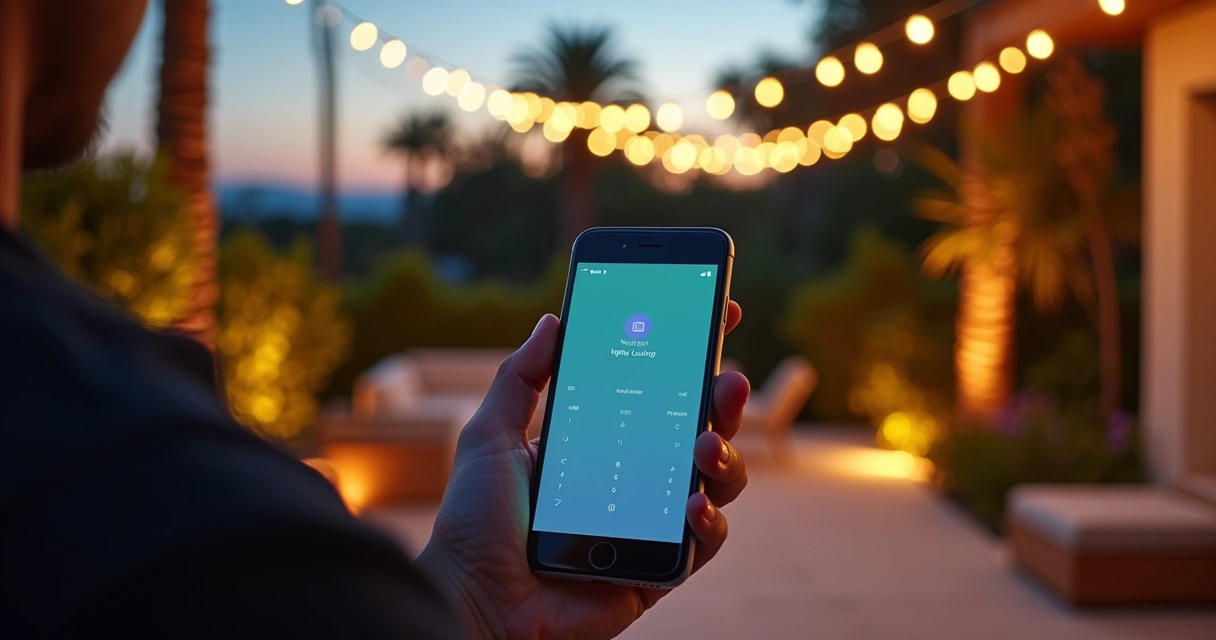
Smart controls, including wireless remotes, smartphone apps, and voice-activated devices, are rapidly growing in popularity. Their appeal comes from features like:
- Remote control from anywhere—whether at home or away
- Customization—change scenes, colors, or brightness with a tap
- Integration with other smart home systems—linking lights to music, security, or irrigation schedules
- Adaptive routines that adjust based on sunlight or occupancy
Studies like the Virginia Tech Transportation Institute confirm that adaptive outdoor solid-state lighting with instant-on and dimming options can reduce consumption by over 50% while minimizing the effects of light pollution.
Matching controls to outdoor spaces and needs
Every outdoor entertaining space in Central Florida brings its own set of challenges and preferences. At GCM Best Services, we help clients choose controls that suit each type of area and its most common uses. Let’s break down a few possibilities:
Patios, lanais, and decks
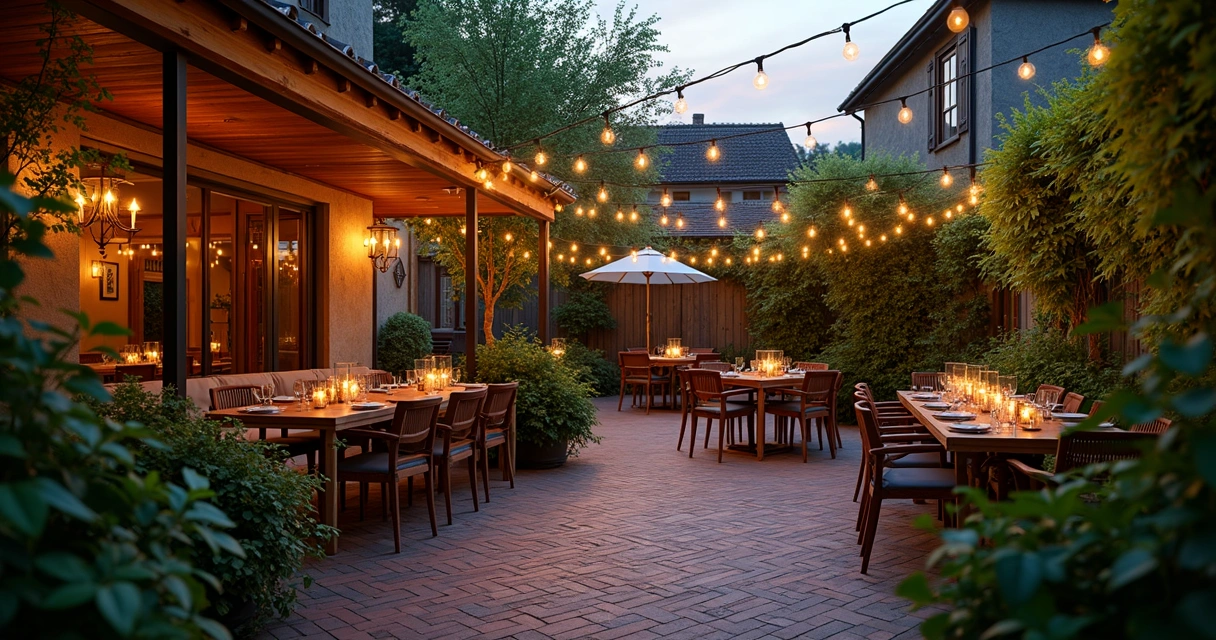
Gathering spaces benefit from flexible scenes and adjustable brightness. We often recommend:
- Dimmer switches or smart dimmers for mood-setting at parties or quiet evenings
- Smart controls for remote and scheduled operation
- Group controls to easily manage multiple fixtures—string lights, sconces, built-in overheads, etc.
On covered lanais or screen enclosures, integration with other systems (such as ceiling fans) adds even more comfort and usability.
Pathways, driveways, and entrances
Here, security and safety are paramount. In our projects, effective options include:
- Motion sensors for gate and entry lighting
- Timers for routine dusk-to-dawn illumination
- Photocell sensors that turn lights on at sunset and off at sunrise, without manual input
These systems limit wasted light, maximize safety, and reduce the amount of time spent managing outdoor controls.
Yards, artificial turf, and play areas
Play and pet spaces need well-lit zones that don’t intrude on the calm rest of the yard. For clients installing artificial turf, we mix:
- Spotlighting for focal points (like trees or play equipment)
- Low-level pathway lights to define edges
- Sensor-based lighting to operate only during use
The result: a space that’s fun and safe without constantly running high-power lights. For more on landscape and turf innovation, see our article on integrating artificial turf in Orlando.
Outdoor kitchens and entertainment zones
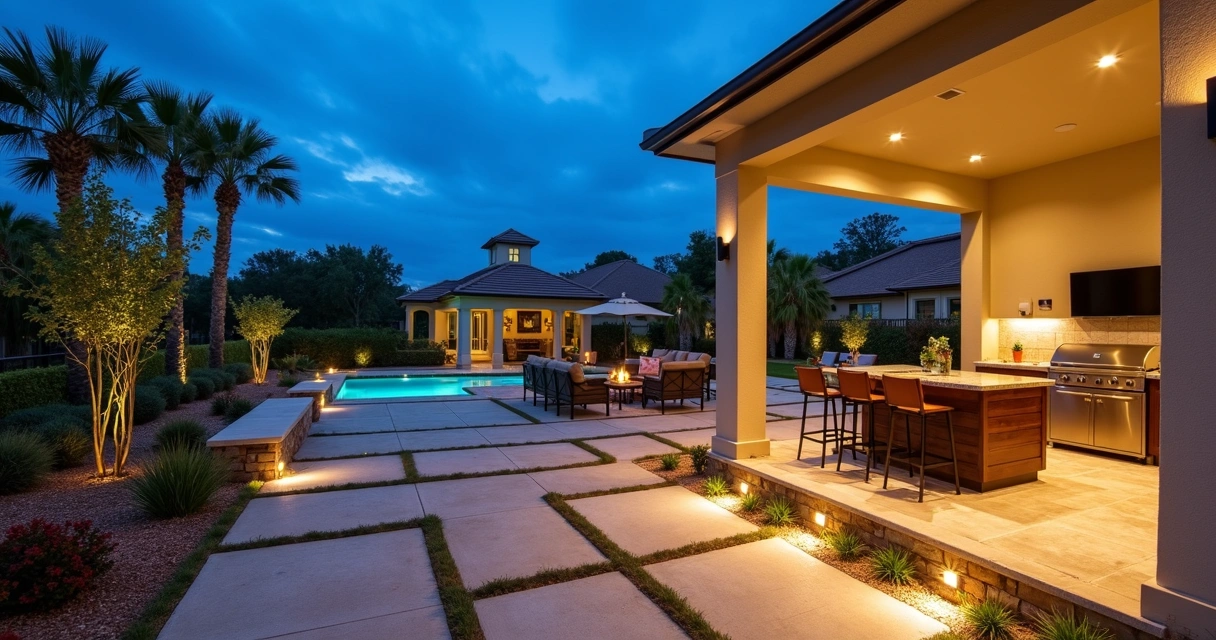
Food prep and gathering spots call for lighting that adjusts to tasks—meal prepping, serving food, cleaning up. We advise:
- Layered lighting—overheads, task lights, and accent fixtures
- Grouped controls: dimmers for accent lights, switches for work zones
- Smart scene setting—one scene for cooking, another for entertaining
This flexibility gives users complete control, making entertaining seamless and adaptable to every occasion.
Choosing outdoor-rated controls: Weather, safety, and durability
Central Florida’s weather presents challenges: high humidity, sudden storms, intense sun, and temperature swings. Using indoor-rated controls or fixtures outside is a common mistake that we see often.
When selecting controls, we prioritize:
- Weatherproof rating (look for NEMA 3R, 4X, or better)
- UV and corrosion resistance (especially for enclosures and faceplates)
- Proper installation—weather-tight boxes, protected mounting, and GFCI circuits as required by code
- Clear labeling for circuits and controls, for safety and ease of use
Only install outdoor-grade controls where rain, humidity, and sun exposure are factors.
Regular maintenance, such as checking seals and cleaning sensors, keeps things working smoothly through the seasons.
Energy savings and sustainability with advanced controls
The Department of Energy notes that lighting makes up about 15% of an average household’s electricity cost; for outdoors, the share can be even higher where large yards or multiple entertaining zones need long hours of illumination (U.S. Department of Energy).
Switching to LED lighting is the first step; adding controls multiplies savings. Studies from the DOE’s Lighting Market Characterization highlight that LED penetration in outdoor use jumped from 8% in 2010 to 23% in 2015, driven in part by improved controls and cost benefits. At GCM Best Services, we see clients save hundreds of dollars per year by upgrading not just fixtures, but the way they’re managed.
The Virginia Tech Transportation Institute confirms that adaptive solid-state outdoor lighting systems—those with dimming and instant-on capabilities—can cut energy use by more than 50% and minimize environmental concerns like light trespass and skyglow. That actually matters, especially in tightly packed communities or where preserving a starry night is a shared goal.
Even among commercial properties, the General Services Administration reported a 43% reduction in LED lighting energy use with advanced lighting controls. For homes with landscape or entertaining lighting, these kinds of changes add up—less electric waste, lower bills, and longer-lasting equipment.
Smart controls: Features, limits, and practical use
Smart systems bring features we couldn’t have imagined a decade ago. We’ve seen clients smile when they discover they can set lights to adjust at sunset, schedule scenes for different days, or get an alert if something malfunctions. Features worth considering include:
- Geofencing—lights turn on as you arrive, and off as you leave
- Vacation modes—lights mimic normal activity while away
- Integration—lighting connects with music, security, pool, or irrigation controls
- Voice control—compatible with platforms like Alexa, Google Assistant, or Apple HomeKit
- Scene control—preset different lighting setups for dinner, parties, or quiet evenings
There are some considerations. Not all fixtures, especially older models, are compatible with smart dimmers or color-changing bulbs. Wi-Fi reliability or limited outdoor range can sometimes affect smart controls. We usually recommend reviewing electrical panels and existing wiring during any major upgrade.
Smart controls change the user experience. They are not just for tech enthusiasts—many are straightforward and simplify the daily use of outdoor areas. But the level of investment and “smart” integration matter more for some outdoor spaces than for others. We always discuss needs and expectations to ensure the right fit.
Lighting control design tips for Florida homes
Here’s what we prioritize when guiding customers through lighting control design:
- Layer lighting—combine ambient, task, and accent lights, each on separate controls
- Group similar functions—for example, all pathway lights on one scene or timer
- Differentiate public and private zones—for instance, keep dining or lounge lights adjustable but automate security lights
- Use landscape features like retaining walls and patios to hide fixtures and control units—see our article on hardscaping in Central Florida for ideas
- Plan wiring routes before installing new patios or driveways—trenching after concrete or paver installation can be costly. Guides such as our concrete driveways and patios installation guide can help with hardscaping prep.
- Install spare conduits for future-proofing—technology changes, and it’s easier to run new wires now than later
- Label controls—make it easy for guests and family to manage lighting
Planning controls for new outdoor installs or upgrades
Whether you’re planning a new entertaining space or thinking about updates, considering lighting controls early is the simplest way to avoid regrets—and unexpected costs.
- Work with your project designer or contractor to specify control types before pouring concrete or laying pavers. Good planning avoids digging up finishes later.
- Identify all areas you’d like to illuminate—think beyond just the lounge or kitchen spaces to walkways, entry gates, landscape highlights, and potential future additions.
- Balance technology with practicality. If guests or kids will frequently use the space, choose controls that work for all ages, not just the tech-savvy.
- Plan drainage and fixture placement together. Poor drainage can prematurely age controls and connections—our page on driveway and patio paving talks more about laying reliable bases.
- Check local codes and HOA rules; Central Florida communities may have guidelines around outdoor lighting brightness, color, or usage hours.
We find that integrating lighting decisions at the start ensures a better outcome—one that matches how the space will actually be used after the dust clears.
Common mistakes to avoid with outdoor lighting controls
We’ve witnessed these pitfalls, often after the fact when a homeowner calls us to fix an issue:
- Installing indoor-rated dimmers or timers outside
- Placing control boxes in low spots prone to flooding
- Grouping too many areas on one switch, losing the flexibility of “zones”
- Skipping manual override options—sometimes you need a failsafe!
- Neglecting spare wiring or pathways during hardscaping
Expert planning and a bit of foresight keep systems working well, rain or shine, for years to come.
The GCM Best Services approach for Central Florida projects
Our team approaches each outdoor project with a process that covers:
- In-person assessment: We walk the space and discuss use, style, and safety needs.
- Detailed estimates: Every option from classic switches to advanced smart zones is described.
- Design and permits: We manage HOA submissions and align with local lighting codes.
- Professional installation: Jobsites are kept safe and tidy, with draining and wiring planned upfront.
- Clear documentation: Controls, scenes, and maintenance instructions are all labeled, handed over, and warrantied in writing.
From concrete patios to artificial turf, screen rooms to paver walkways, lighting controls always play a part in our Central Florida outdoor living projects. For inspiration and case studies, our hardscaping blog has real-world stories from the region.
Conclusion: The right lighting controls for every gathering
Outdoor entertaining in Central Florida is about comfort, hospitality, and creating spaces where people want to return again and again. The right lighting controls make the difference between an area that simply looks finished and one that truly works for gatherings long after sunset.
We’ve helped clients create patios, kitchens, lanais, and backyards where lighting is as smooth and reliable as the company. From basic dimmers to the latest smart systems, outdoor areas benefit from a thoughtful approach to control—ensuring safety, savings, and style.
Ready to plan your next outdoor project or upgrade your lighting? Let’s bring it to life together. Start with a no-obligation quote, and let GCM Best Services recommend solutions matched to your home or business.
Transform your outdoor space—call us for a professional quote: 📞 (407) 250-1948 • 24–48h • Orlando, Tampa & area.
Frequently asked questions
What are the best outdoor lighting controls?
The best outdoor lighting controls depend on your needs, space layout, and desired convenience. For most patios or entertaining areas, weatherproof dimmers, smart switches, and timers work well. Larger spaces or those needing complex zones benefit from connected systems with remote access and programmable scenes. Always choose products rated for outdoor use in Florida’s humidity and storms.
How can I make lights dimmable outdoors?
You can make outdoor lights dimmable by installing compatible LED bulbs and outdoor-rated dimmer switches. Ensure both the fixtures and controls are rated for damp or wet locations to avoid safety issues. Many modern dimmers also work with smart home platforms, enabling app or remote-based dimming for added flexibility.
Is it worth it to use smart controls?
Smart controls add flexibility and convenience that many find valuable for entertaining and security. Features like remote control, adaptive brightness, integration with other smart devices, and programmable scenes can save energy and make outdoor areas easier to use. While initial costs may be higher, energy savings often provide a good return over time. Studies from UC Davis demonstrate significant energy reductions with advanced controls.
How much do outdoor lighting controls cost?
Outdoor lighting control costs vary from about $20–$40 for basic switches or timers, $50–$100 for dimmers or motion sensors, and $80–$250+ per unit for smart controls or centralized systems. Installation and wiring can add to the budget. More complex systems with app integration and zoning cost more but often save more energy over their lifespan, as noted in the GSA’s federal test-beds. It’s wise to get a tailored quote from a local contractor who understands Florida’s requirements.
Where to buy outdoor lighting control systems?
You can buy outdoor lighting control systems through licensed electrical or outdoor living contractors, specialty lighting retailers, or reputable home improvement stores. For Central Florida, many customers prefer working with a contractor like GCM Best Services to ensure products are properly sourced, installed to code, and covered by warranty. Professional service also provides design support and troubleshooting, ensuring the right control for your outdoor space.