Concrete construction stands as the backbone of countless spaces across Central Florida, from driveways and patios to commercial slabs and decorative hardscapes. As experienced contractors at GCM Best Services, we’ve seen how the smallest details in concrete work can impact durability, appearance, and the peace of mind of every property owner. No topic illustrates this more than the question of cold joints in concrete—those telltale lines where two pours meet but fail to bond as a single, unified mass. In our years of service, these joints have sparked more questions, concerns, and curiosity than almost any other aspect of concrete work.
Through clear communication, close attention to best practices, and a deep respect for site conditions in Orlando and the wider Central Florida area, we aim to help clients understand every facet of their exterior project—including the development, prevention, and management of cold joints. In this detailed guide, we’ll answer what cold joints are, how they form, the risks they bring, and what we can do, both as contractors and informed property owners, to achieve safe and beautiful concrete surfaces that stand the test of time.
Proper knowledge about cold joints means fewer surprises and a stronger finished product.
What are cold joints and how do they form?
Cold joints are visible or invisible separations within a concrete structure, occurring when a batch of concrete starts to set before the next batch is placed alongside or above it. The result? Instead of merging into a single solid mass, the two pours meet at a line of weakness. In its most classic appearance, a cold joint runs horizontally (in layers) or vertically (at column or wall transitions), showing as a faint seam or sometimes as a slight change in color or texture.
Several situations can lead to cold joints:
- Delays between pours—from unexpected travel times, equipment breakdowns, or weather changes.
- Concrete batches set at different rates because of temperature swings, admixture use, or varying water contents.
- Job site interruptions such as equipment cleaning, scheduling mix deliveries, or waiting for inspections.
In our experience at GCM Best Services, Florida’s warm weather can be a double-edged sword. It speeds up the set time of concrete, meaning even a short gap between truck loads can raise the risk of forming a cold joint. The situation is even trickier on larger patios, driveways, or foundation pours where the logistics of sequencing and bringing in multiple trucks come into play. When discussing your project, we always address this factor in our planning and communication.
Why do cold joints matter in concrete structures?
On the surface, a cold joint may look like a harmless cosmetic imperfection—a faint line running through an otherwise solid mass. However, its true impact runs deeper.
Cold joints represent a zone where the concrete is not fully bonded, forming a potential channel for moisture intrusion, chemical ingress, or even movement under load. That weakness can spell bigger trouble over time, especially in the presence of stressful weather cycles, freeze-thaw exposure (admittedly rare for Central Florida but possible northward), or heavy use. Joints in load-bearing elements, such as suspended slabs or structural walls, are especially sensitive and need close attention.
Cold joints are not necessarily intentional—they are different from planned, engineered joints like control or expansion joints. Planned joints help manage where cracks will occur or allow movement; cold joints are typically unintended and can undermine both looks and longevity if left unaddressed.
Science and research on cold joints
Studies from research institutions offer valuable insight into the nature and effect of cold joints in concrete.
- The journal Materials highlights that, especially in modern techniques such as 3D-printed concrete, cold joints (interlayers) running parallel to the direction of load can significantly lower the structure’s resistance to stress. The weak link? Lack of chemical and mechanical bond at the interface.
- Research from the University of Washington reviewed over 500 experimental studies of cold joints in concrete and found that traditional strength models often overestimate their strength, which highlights the need for proper construction methods and inspections to confirm performance.
- A study from Purdue University showed that cold climates can create even more pronounced cold joint issues. Poor drainage around joints can result in water buildup, which, during freeze–thaw cycles, leads to further deterioration and cracking.
While Central Florida doesn’t face the intensity of harsh winters, standing water and rapid drying remain just as much a risk. Good drainage, moisture management, and timely pours are fundamental to resilient concrete in our local setting.
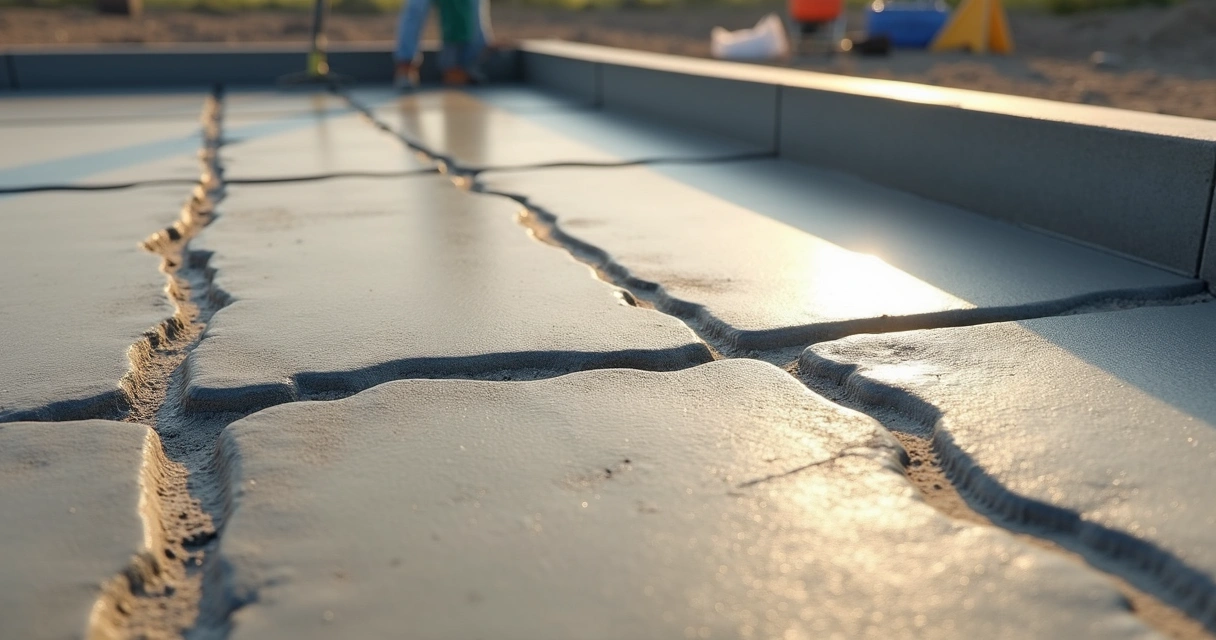
The visual signs of cold joints
Most property owners first notice a cold joint visually, either during construction or after curing. We’ve seen clients point out the following symptoms on various projects, from patios to slab floors:
- A faint or visible line running through the concrete, often lighter or darker than the surrounding surface
- A change in surface finish or slight stepping, especially with broomed or stamped decorative concrete
- Small cracks forming along the line after a few months
- Moisture tracking (dampness or staining) along the joint line during heavy rains
While these signs do not always mean a performance issue is guaranteed, we always recommend getting them looked at during your next maintenance check or warranty walkthrough. As we emphasize during our final assessments, cold joints are best addressed before significant cracking or spalling develops.
Structural risks and long-term implications
Certain cold joints are little more than optical differences, while others risk undermining the strength and service life of the concrete. How do we decide which is which?
- Location and Load: If the joint is in a high-stress zone (garage door approaches, suspended slabs, columns), its impact is far greater than if it sits in a lightly loaded patio corner.
- Bond Quality: Was proper preparation (roughening, cleaning, use of bonding agents) performed between pours? A “clean” joint is much stronger than one left dry and dusty.
- Environmental Exposure: Is the joint exposed to frequent wetting, freeze-thaw, salt, or chemicals? In retail or warehouse coatings, the presence of an unbonded joint may allow for blistering or peeling.
Cold joints rarely cause catastrophic failures, but their presence increases the risk of surface cracking, water ingress, and reduced durability—problems that can impact resale values, user safety, and overall satisfaction with your space. At GCM Best Services, we’ve seen firsthand how addressing these issues early can save both money and hassle.
How we plan to prevent cold joints at GCM Best Services
Prevention remains the gold standard—careful planning during the construction or repair phase means most cold joints can be avoided altogether. Here’s how we minimize risk on every project, large or small:
- Batch sequencing: Work with reliable suppliers to maintain a steady flow of concrete. We time orders so there are no unexpected delays.
- Site readiness: Before the first truck arrives, forms, reinforcement, and drainage features are set, inspected, and ready for immediate work.
- Temperature management: On hot Florida days, we use admixtures or water reducers to slow down initial set times, ensuring overlap at the critical zone.
- Surface preparation: If an unplanned joint becomes necessary, our crews roughen the surface of the old pour, clean away debris, and apply a bonding agent before bringing in the next batch.
- Minimized interruptions: We manage inspections and HOA communications ahead of the pour to prevent site shutdowns during this window.
On particularly large projects, such as commercial slabs or pool decks where uninterrupted pours aren’t always possible, our team plans construction joints in advance, aligning them with intended control joints or areas of lower stress whenever feasible.
Every project is unique, and our detailed process—free assessments, careful scheduling, written estimates—ensures these best practices are built into your job from day one.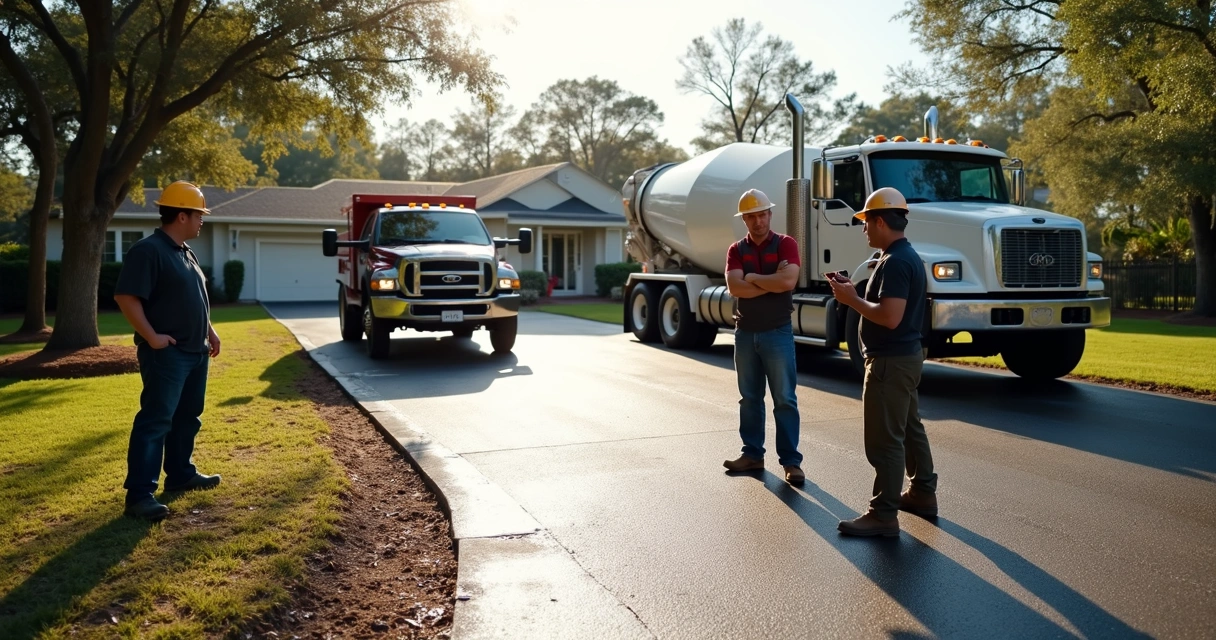
What to do if a cold joint forms
Sometimes, even with careful planning, real life throws us a curveball—a traffic jam, a sudden storm, or an equipment failure. If a cold joint does develop:
- Document the location and timing: Accurate notes and photos help for warranty, future repairs, or resale disclosures.
- Inspect the bond: We check for voids, dust, or inadequate bonding.
- Finish the surface carefully: Decorative textures should be continued across joints to disguise their appearance. We often use extra effort with stamped or broom finishes to keep everything visually consistent.
- Consider protection: If water might get in, professional sealing or joint fillers can slow down deterioration and limit moisture transmission.
- Monitor over time: We recommend watching these areas for the first rainy season and reporting any cracking, movement, or changing appearance so we can inspect or repair as needed.
For clients interested in repair methods or deeper technical guidance, our licensed contractor’s guide to concrete repair covers patching, epoxy injection, sealing, and other approaches tailored to different types of concrete work.
Comparison: Cold joints vs. control and expansion joints
It’s easy to mix up cold joints, planned control joints, and expansion joints, but their roles are distinct:
- Cold joint: An unplanned interface from a paused or interrupted pour, often a line of weakness.
- Control joint: A deliberately cut or formed groove that allows controlled cracking as concrete shrinks, helping the slab crack in a predictable, non-damaging way.
- Expansion joint: A flexible barrier (often felt or foam) that lets two separate sections move independently, absorbing movement from temperature swings.
All three may appear as lines on the concrete surface, but only the latter two are part of an engineer’s plan. Understanding these differences can inform better decisions for maintenance, repair, and design. When you see a line on your driveway or patio, context is everything.
Integrating drainage and design to reduce cold joint risks
As shown in research from Purdue University, poor drainage at joints amplifies issues by trapping water and encouraging damage. In Florida, stormwater and rain can flow across slabs or pool on the surface if not properly managed.
Our approach at GCM Best Services includes:
- Grading slabs and patios for positive drainage
- Including trench drains, gutters, or sloped finishes where needed
- Using waterproofing on sensitive joints or seams around enclosures and pools
For outdoor living areas, drainage strategies to prevent cracks go hand-in-hand with our cold joint prevention and repair philosophy. That means a longer service life and less worry, no matter what weather Orlando delivers.

Cold joints in decorative and coated concrete
As popular as patios and garage coatings have become in Central Florida, the aesthetic and functional impact of a cold joint is doubly significant where appearance or surface performance matters.
- Coated surfaces (epoxy, polyaspartic): Joints can telegraph through coatings, showing as visible lines or even causing delamination if not properly handled. Surface grinding and transition techniques are vital before applying any floor coatings.
- Stamped or colored concrete: Joints interrupt surface texture and colors. We align joint patterns, feather textures, or use subtle color shifts to help disguise unplanned cold joints whenever possible.
Whether we’re handling a simple sidewalk or a complex summer kitchen slab, attention to these details makes a dramatic difference. Our projects routinely incorporate these techniques into every design, schedule, and finish selection—something we feel proud of at every final walkthrough.
Cold joint management in repairs and additions
Many property owners in Orlando and surrounding cities look to expand their spaces, whether by adding a patio next to an old slab, joining two driveways, or repairing a cracked section. These projects almost always introduce a cold joint. Here’s how we approach them at GCM Best Services:
- We cut, roughen, and clean the old surface before adding new work
- We apply modern bonding agents designed for structural durability
- We coordinate new joints with control or decorative seams for a visually pleasing, strong finish
- We review compatibility of old and new concrete to avoid shrinkage mismatches
For guidance on these types of projects, our installation guide for concrete driveways and patios in St. Cloud lays out step-by-step recommendations. Every home and business is different, and we treat each addition with the care it deserves.
Regulations, codes, and warranty considerations
Cold joints, particularly on slabs or structures supporting walls, are subject to inspection by local authorities and to HOA approval. We manage:
- City permitting and recordkeeping for all structural concrete pours
- Inspection scheduling so that pours are uninterrupted and sequenced correctly
- Written warranties that clarify which surface issues may be due to unavoidable joints versus workmanship defects
Clients rely on us to handle code compliance and agency requirements, so you can feel secure in both safety and resale considerations. More about our process is detailed in our piece on choosing a concrete company in Orlando.
When to call a professional for assessment
If you are concerned about a visible cold joint—or unsure whether a “line” on your slab or driveway is cosmetic or structural—professional assessment is a wise step. Warning signs include:
- Cracking, spalling, or uneven settlement along a joint
- Recurring dampness or water entry at seams
- Misalignment (one slab higher or lower) where two pours meet
We offer free on-site assessments with no obligation. During these visits, we investigate the history, perform moisture testing if needed, and recommend tailored repair strategies. And of course, every project comes with a written warranty for peace of mind.
Conclusion: Partnering for concrete that lasts
Concrete is a complex material, and cold joints are an understandable concern for property owners in Central Florida. With attentive planning, careful craftsmanship, and ongoing support, we believe that cold joints can be controlled, minimized, and when needed, repaired effectively. As always, the key is teamwork—between our crews, our clients, and a long-standing knowledge of local conditions.
Expert handling of cold joints creates safer, longer-lasting, and better-looking concrete for every property.
If you have questions about your next concrete project—be it a residential driveway, a patio addition, or a large-scale commercial job—our team at GCM Best Services is ready to guide you to the right solution. Start the process with us. Your peace of mind, comfort, and satisfaction are always our top priorities.
Ready for a professional quote? 📞 (407) 250-1948 • 24–48h • Orlando, Tampa & area.
Frequently asked questions about cold joints in concrete
What is a cold joint in concrete?
A cold joint is a visible or invisible line in concrete where two pours meet but do not chemically bond into a single mass. This occurs when there is a delay between placing batches of concrete, leaving one set before the next arrives. Cold joints are zones of relative weakness, potentially affecting both appearance and performance.
How can I prevent cold joints?
The best prevention is careful scheduling and continuous placement of concrete, so each batch is poured before the previous one sets. At GCM Best Services, we prepare the site, coordinate with suppliers, and use admixtures to control setting times, especially during hot weather. If delays are inevitable, we roughen, clean, and bond the surface before adding the next pour to improve strength.
Are cold joints a structural problem?
Not all cold joints threaten structural safety, but they can create pathways for moisture or cracks and may reduce long-term durability. Joints in high-load areas deserve special attention, and in some cases must be evaluated by qualified professionals to determine if repair or reinforcement is needed.
How to fix a cold joint in concrete?
Repairs depend on the type and severity of the joint. Options include cleaning and sealing, applying epoxy fillers, patching with repair mortars, or in severe cases, cutting and replacing sections. For aesthetic issues, decorative overlays or coatings can help disguise the line. Each method is covered in our licensed contractor’s guide to concrete repair.
What causes cold joints in concrete pours?
Common causes are delays in concrete delivery, equipment breakdowns, weather interruptions, or pausing pours for inspections. Fast-setting mixes (especially in hot climates) also accelerate set times, raising the risk. Good planning, communication, and experienced crews are your best defense.