If you are planning a patio in Central Florida, choosing the right foundation is a decision that will shape durability, cost, and even your day-to-day comfort. At GCM Best Services, we have seen how the choice between a concrete slab and a pier foundation changes how a patio feels and lasts—especially with the challenges of Florida’s climate. With that experience, we want to lay out the real pros and cons so you can make the decision that fits your plans and your property.
Understanding the basics of patio foundations
Let’s start with a quick look at what a patio foundation actually does. Its major role is to support the weight of the patio surface, furniture, grills, foot traffic, and sometimes even heavy features like a summer kitchen or fire pit. It also acts as a barrier against shifting soils, water, and Florida’s sometimes unpredictable storms.
Two foundations dominate patio construction in our area:
- Concrete slab: A continuous, solid layer of poured concrete that covers the patio area, with a graded, compacted sub-base below and, if built well, steel reinforcing and expansion joints.
- Pier foundation: Load-bearing piers (usually concrete or masonry blocks) arranged under key points of a raised structural frame. The gap between the earth and the patio surface helps with drainage and keeps things off the ground.
Let’s look at each, with honest pros and cons drawn from decades of serving Orlando and Central Florida.
What is a concrete slab patio?
A concrete slab patio is a flat, monolithic surface made by pouring a prepared concrete mix into a formed area. When built to our standards at GCM Best Services, this means:
- 6-8 inches of compacted sub-base for stability and drainage
- 3000–4000 PSI concrete mixes suitable for Florida’s moisture and heat
- Rebar or welded wire mesh where needed to prevent cracking
- Expansion and control joints for movement
- Broom, exposed aggregate, or stamped finishes
A well-built slab looks seamless and feels rock solid underfoot.
Concrete slabs are the default for patios across Florida for a reason. Still, it pays to weigh the pros and cons.
Pros of concrete slab foundations
- Strength and stability: A continuous slab resists settling and distributes heavy loads smoothly. It won’t flex, shift, or creak under weight, which means chairs and tables sit flat and steady. This is especially true when the sub-base is properly compacted and engineered for local soils.
- Durability: When poured with the right mix, reinforced, and sealed, a slab can last for decades with little maintenance. It won’t rot, warp, or attract pests like wood.
- Low maintenance: Cleaning usually means just a broom and a hose. Once sealed, it resists stains, mold, and moss much better than porous materials.
- Level surface: The flat, solid finish is ideal for dining, lounging, and entertaining. It’s also better for accessibility, rolling carts, or wheelchair access compared to raised decks.
- Design flexibility: Concrete can be colored, stamped, or textured. It can be shaped to almost any outline—curves, square corners, or even integrated with drains and lighting.
- Inexpensive for large footprints: For bigger patios, the per-square-foot cost of a slab becomes more attractive compared to the labor and materials needed for piers and deck framing.
- Resistant to movement (when properly built): Proper subgrade, correct thickness, and good drainage are key to keeping slabs crack-free, as covered in our post on preventing cracks in Florida concrete.
Cons of concrete slab foundations
- Susceptible to cracks if not built right: Poor base prep, thin slabs, or lack of joints leads to cracks. With Florida’s clay and sand soils, movement from water, tree roots, or sinkholes is always a risk.
- Drainage must be managed carefully: Concrete is impermeable. Without the right slope and drainage system, water pools on the surface—or worse, collects at the slab edge and causes erosion or foundation problems.
- Not easily repaired or modified: If utilities need to be run or the patio expanded later, cutting into or adding onto a slab is loud, messy, and expensive.
- Hard and unforgiving underfoot: Concrete doesn’t “give” at all. This can be tough on knees during long barbecues or outdoor dance nights!
- Potential heat build-up: In summer, slabs can get hot under bare feet—darker colors even more so.
For more detail on patio concrete design, finish options, and upkeep see our concrete resources.
What is a pier foundation patio?
Pier foundations use columns—usually concrete or masonry blocks—placed beneath key points of a patio’s deck or frame. Above, a structure of beams and joists supports the decking (wood, composite, or sometimes pavers). The patio surface sits raised above the ground, typically 8–24 inches higher, leaving air space beneath.
This foundation is common for raised wood decks, platforms where the ground isn’t even, areas subject to frequent flooding, or where drainage is a big challenge. In Central Florida, we often recommend piers for backyards with difficult grades or tree roots everywhere.
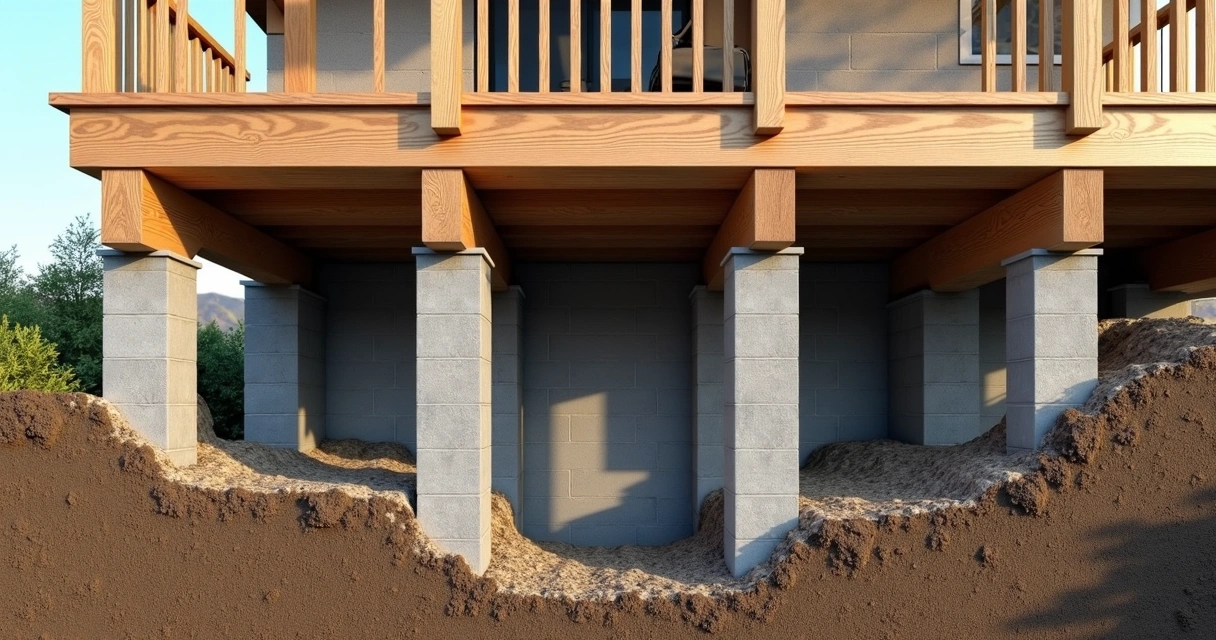
Pros of pier foundations
- Great for uneven or sloped ground: Piers let us “bridge” hills, roots, or uneven patches. This avoids the huge excavation needed for a slab, which can save landscaping and mature trees.
- Improved drainage: Water moves under the deck and can’t pool on the surface. No mud or puddles under the table after heavy rain.
- Flexibility for adding features: Running electrical, gas, or irrigation lines under a deck is simple compared to cutting through concrete.
- Easier repairs and upgrades: Single sections of deck can be accessed or replaced without major demolition.
- Cushion underfoot: A wood or composite deck surface gives and flexes, which is more comfortable for standing and playing.
- Air circulation: Raised decks help prevent moisture problems on the surface, mold below, and sometimes even keep bugs at bay.
- Lower initial cost for small patios: Because there’s less material (no big slab) and sometimes less excavation, piers can be less costly for petite, basic patios where requirements for support are lower.
Cons of pier foundations
- Piers have load limits: According to the US electronic code of federal regulations, concrete block piers are limited in how much they can support (around 8,000–16,000 lbs), and bigger weights require engineered designs. Heavy features, like outdoor kitchens, may push you past standard piers.
- Potential for movement: Pier columns rest on their footings. If the soil beneath wasn’t compacted or gets saturated, piers may settle or tilt over time, throwing the whole patio out of level.
- Periodic maintenance needed: Wood surfaces (especially those not composite) need regular sealing, staining, and sometimes replacement due to Florida’s humidity and insects.
- Vulnerability to storms and earthquakes: As explained by U.S. Geological Survey findings, pier/post foundations transmit wind and seismic forces differently than slabs, making them less ideal in areas where hurricanes, tornadoes, or even rare earthquakes are a concern. For patios, this mostly means wind resistance is something to consider with coverings.
- Not flush with grade: Raised decks are a trip hazard if steps aren’t carefully designed. Accessibility can be more complicated too.
- Pest habitat: The gap under a deck can attract unwanted visitors—snakes, rodents, or insects—if not screened or sealed off.
How Central Florida climate affects your choice
Our weather isn’t gentle on patios. We see scorching heat, torrential summer rains, and soils that can range from dry sand to heavy, swelling clay. These factors shape which foundation works best.
- Rain and flooding: Low-lying yards or those with poor drainage are quick to flood in storm season. Slabs in those settings need expert-level drainage design—a service we routinely provide at GCM Best Services—while pier-based patios avoid some of those challenges by sitting above it all.
- Tree roots and shifting soil: Slabs are tough, but roots and shifting sand can crack them. Piers let us simply “float” over hardscaping hazards or trouble spots.
- Humidity and rot risk: Any wood deck or frame must be built from rot-resistant materials and kept up. Composite options can help but raise the initial price.
- Heat reflection and comfort: Concrete absorbs sunlight and gets warm by mid-afternoon. Wood or composite, having air below, stays a bit cooler on bare feet.
Good drainage is your best friend in a Florida backyard.
Construction process: What to expect
Slab construction steps
When GCM Best Services builds a concrete slab, we:
- Excavate and level the site, removing soft/organic material
- Install and compact 6–8” gravel or crushed stone as a sub-base
- Lay forms for the patio shape, install rebar or mesh
- Pour, finish, and cure 4+ inches of high-strength concrete
- Add expansion joints and proper slope for water runoff
- Seal the surface for stain and weather resistance
Inspections typically come before and after the pour. When pouring near homes or hardscapes, we include control joints to prevent unsightly cracking. We also manage HOA and permit paperwork.
Pier foundation steps
Building a pier-supported deck-like patio involves:
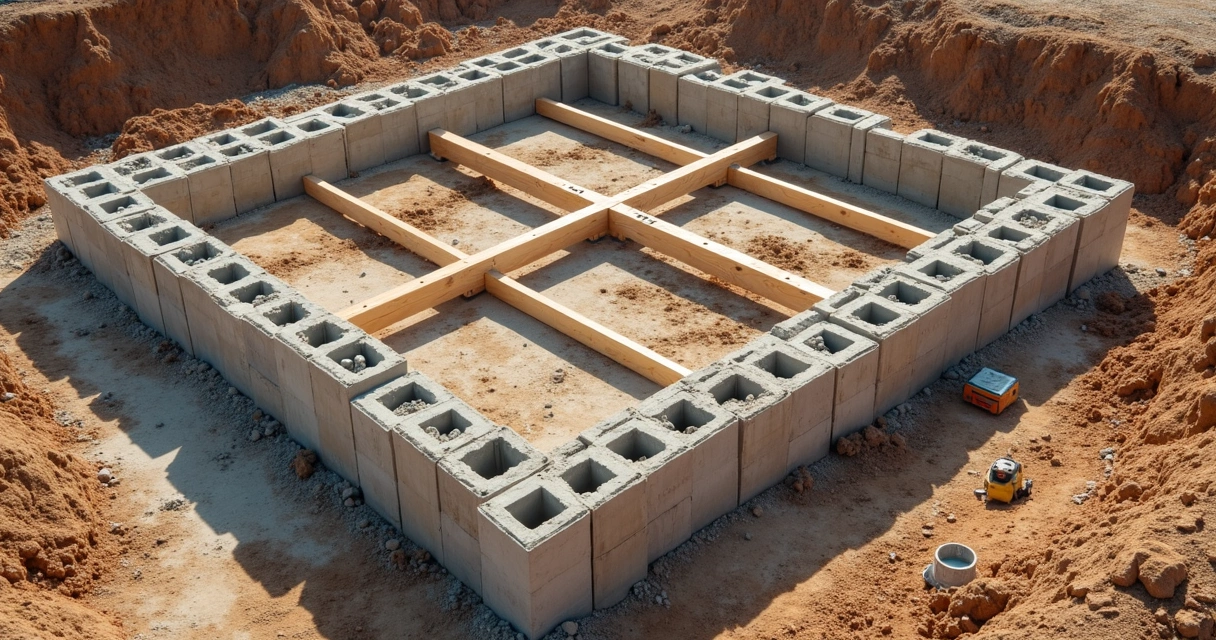
- Marking out pier locations based on structural needs and patio size
- Digging holes below the frost line, installing and compacting footing material
- Placing concrete piers or block columns, ensuring they are level and properly spaced
- Setting beams, joists, and then attaching the deck or paver surface
- Building in stairs, railings, or skirting as needed
This process, while less disruptive to landscaping, needs a sharp eye for keeping everything plumb and square.
Cost comparison: Slab vs. piers
Budget matters, and the price difference depends on several factors—size, site conditions, and finish level.
- Small patios (under 150 sq. ft.): Piers with a simple deck may cost less because there’s no large concrete pour or major excavation. The savings evaporate fast as deck features and engineered supports are added.
- Large patios (over 200 sq. ft.): Concrete slabs usually win on price here, especially for large, open entertaining areas.
- High-end pavers/decking: Fancy finishes or composite decking can cost as much or more than a nicely finished slab.
- Maintenance: Slabs cost very little year-to-year, except for sealing. Decks may need re-coating or board replacement every few years in Florida (more details on finishes at our driveway and patio paving page).
Pay now or pay later—build it right, and enjoy peace of mind for years.
For current price estimates for patios in Central Florida, contact us for a quote that matches your vision and your yard.
Longevity and repairs
Both foundation types can last for decades when installed properly. However, the risk and cost of repairs differ:
- Slabs: Once cracked, repairs are tricky and patches are often visible. Jointed and sealed slabs can last over 30 years with only minimal touch-up needed.
- Pier decks: Boards or framing can be replaced piece by piece. The risk comes more from wood rot or termites, so routine inspection is part of owning a deck in Florida.
GCM Best Services backs every new patio with a written warranty and a walkthrough so you know exactly what to watch for and how to care for it.
Customizations, accessibility, and other features
Building a patio isn’t just about the foundation. It’s also how you want to use your space:
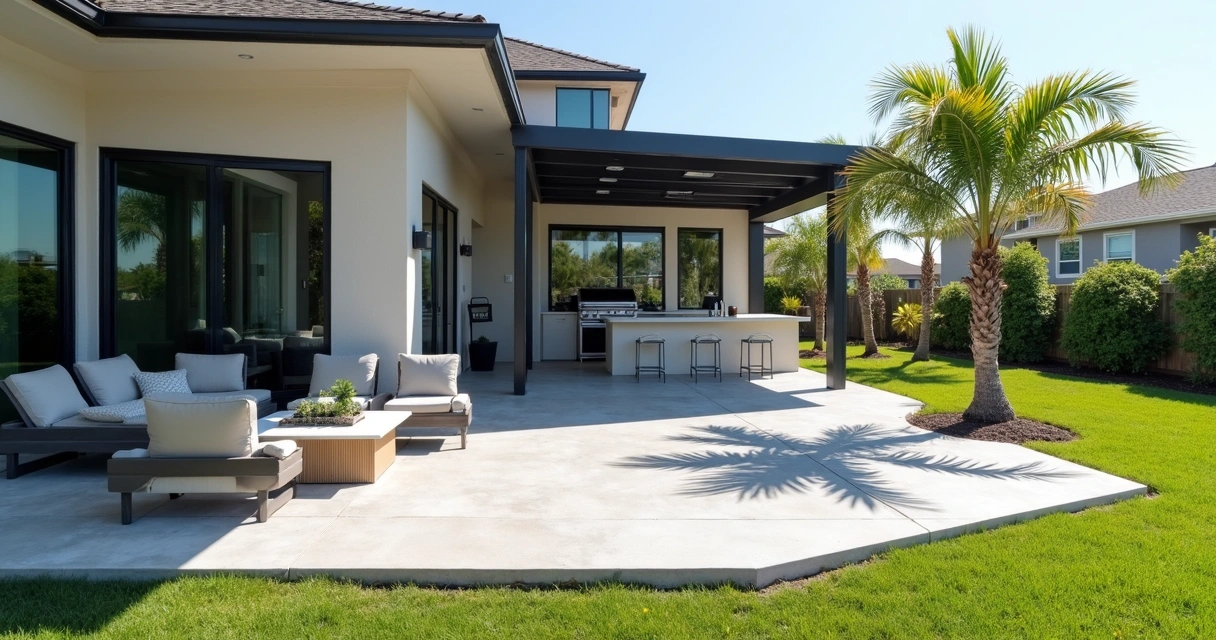
- Outdoor kitchens and heavy features: Slabs are better for holding up grilling stations, pizza ovens, or hot tubs, due to their higher load capacity.
- Screen enclosures and lanais: We frequently anchor screen walls and aluminum frames to slabs, making them less prone to movement during storms.
- Accessibility: Slabs are easier to match with door thresholds from the home. Raised decks require steps or ramps.
- Style: Concrete offers a modern, continuous look, while decks (on piers) feel more relaxed or rustic. We often blend these styles by framing borders or integrating turf and pavers, as seen in some of our hardscape projects.
When should you choose a slab, and when should you choose piers?
The best foundation should fit the lot and your intended use—there’s no one-size-fits-all answer. Based on our experience:
- Pick a concrete slab if:
- Your yard is already level or can be graded easily
- You want the lowest patio possible (no steps or ramps needed)
- You plan to add masonry features (kitchen, fireplace, planters, etc.)
- You want concrete, stone, or paver finishes without deflection
- Choose a pier/deck foundation if:
- Your yard is sloped or has tree root zones you can’t disturb
- You want a raised surface for appearance, airflow, or easier drainage under the patio
- You need access for utilities, or flexibility for future upgrades
Every site, every yard, and every patio is different.
We always start with an assessment and help you compare the options for your specific situation.
Key takeaways as you plan your patio
- Both slabs and piers can create strong, durable patios when installed correctly for Florida soils and weather.
- Slabs are best for high loads, flush entries, easy cleaning, and long-term value.
- Piers (deck-style) offer cost savings in small or difficult yards, better drainage, and easier upgrades or repairs, but need more maintenance and careful engineering if you want heavy features.
- Drainage, soil prep, and the finished height should drive your final decision. Get help from professionals familiar with Orlando and Central Florida codes and soil.
If you want to read more on foundation best practices and patio inspiration, don’t miss our guide to concrete patio installation and our hardscaping resources.
Conclusion: Building patios that last in Central Florida
Making the right foundation choice comes down to more than just budget—it shapes how you use your patio for years. Drawing from our work across Orlando’s neighborhoods, we know the details that make patios comfortable, easy to maintain, and ready for anything Florida throws at them. Whether you lean toward the strength and permanence of a concrete slab or prefer the flexibility and drainage advantages of a pier-supported design, starting with smart planning will always pay off.
We’re here to help with detailed assessments, clear communication, and the solid warranties our clients trust. If you’re ready to start your patio project with confidence, see what GCM Best Services can offer—tailored for Central Florida.
Ready for a professional quote? 📞 (407) 250-1948 • 24–48h • Orlando, Tampa & area.
Frequently asked questions
What is a pier foundation for patios?
A pier foundation for patios uses a series of load-bearing piers or columns—most often made from concrete or masonry—to support a raised frame or deck above the ground. This design leaves open space beneath the patio surface, which helps with drainage and allows for easier installation of utility lines. Piers are ideal for uneven or sloped lots and when you want to avoid a large area of concrete.
How much does a concrete slab cost?
The cost of a concrete slab patio in Central Florida typically ranges from $7 to $15 per square foot for basic construction, with upgrades (decorative finishes, thicker slabs, heavy-duty rebar) increasing the price. In our work at GCM Best Services, smaller or irregular sites tend to cost more per square foot than large, open areas due to formwork and prep time. For exact pricing, always start with a professional site visit and estimate.
Is it worth it to use piers?
Piers are worth considering for patios on challenging ground, where drainage is a concern, or when you want the option to change or upgrade your patio later. They are especially cost-effective for small or raised decks, but may not be the best value for large, ground-level patios with heavy features. Site-specific conditions dictate what works best—there’s no universal answer.
Which foundation lasts longer for patios?
A quality concrete slab, properly built and maintained, can last 30 years or longer with minimal repairs. Pier-supported patios with wood or composite decking tend to need parts replaced or refinished more frequently, but minor fixes are easier. If maximum lifespan is the top priority and the site is suitable, slabs usually have the edge for durability.
How to choose between slab and piers?
Choose a concrete slab if you need high load capacity, a flush entry, and easy maintenance. Choose piers if your site is sloped, drainage is a top concern, or you want a raised deck with flexibility for upgrades. We recommend a professional assessment of your yard and potential patio location before making the final call—each property is unique, especially in Central Florida.