When we think about updating or improving our properties—concrete driveways, a fresh coat of paint, or installing a new screen enclosure—our focus is usually on the finished project. The process seems simple: plan, hire, build, enjoy. But there’s a bureaucratic checkpoint that can’t be ignored if you live in a community governed by a homeowner’s association (HOA): the approvals process. In Central Florida, and especially the Orlando metro area, HOA rules are everywhere. Skipping HOA approval for exterior work might feel harmless or like a way to save time. However, behind this decision can be years of headaches, financial penalties, project re-do’s, stalled sales, and even legal action.
We at GCM Best Services have worked through thousands of HOA approvals for everything from stamped concrete patios to hurricane-ready screen enclosures. This experience has shown us, time and time again, that the cost of bypassing HOA requirements is much higher than most homeowners realize.
Skipping HOA approval is a gamble with high stakes.
Why do HOAs require exterior work approval?
HOAs are tasked with keeping community property values up and ensuring a uniform look across the neighborhood. In practice, this means any change to your home’s exterior—whether it’s pouring a new patio, upgrading your summer kitchen, or painting the exterior—usually needs to pass through an approval process. It’s about much more than aesthetics. Drainage, compliance with city codes, and structural integrity all factor in.
- HOAs protect shared investments: Every homeowner’s property is impacted by their neighbors’ choices.
- Approvals help maintain curb appeal and property values.
- They ensure safety and local building code alignment.
- The process is a way to avoid neighbor disputes and long-term legal conflicts.
The Florida Statutes, specifically Chapter 720, legally empowers HOAs to enforce these requirements. Sometimes, this means going back to redo or undo work that doesn’t fit their rules.
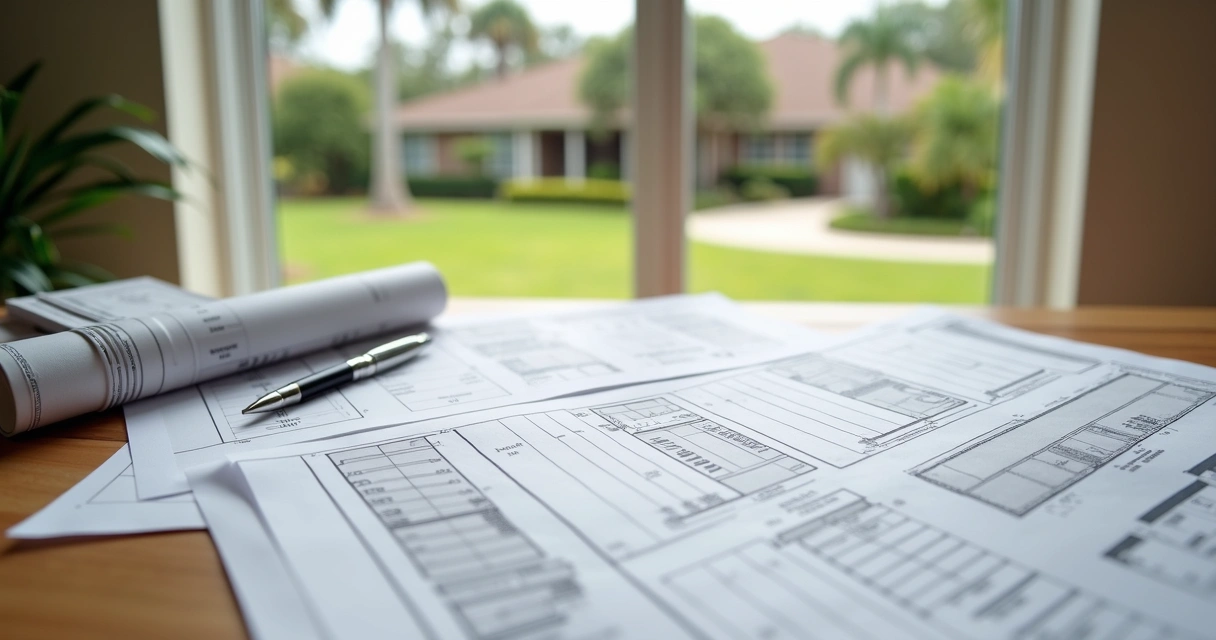
The hidden financial risks of skipping HOA approvals
At first, skipping HOA approval might sound like a shortcut. Maybe you’re in a rush, or perhaps you think nobody will notice a new walkway or screened lanai. But skipping this one step can expose you to financial, legal, and reputational costs.
Direct fines and penalties
In Florida, HOAs can issue fines up to $100 per day, with a $1,000 limit per violation unless the association’s rules set higher amounts. Fines may sound small at first, but if you ignore notices or fail to fix the issue, the bill quickly adds up.
- Failure to comply can lead to court action.
- Fines are often recurring and cumulative.
- Major or repeated violations can sometimes lead to liens on your property.
These procedures are detailed in the Florida Statutes, Chapter 720.
As we’ve seen in national studies like the Portland Auditor/Ombudsman report, seemingly minor code or HOA violations have led, through unresolved fines and enforcement, to debts as large as $30,000. It’s rare, but this risk is very real.
Costly forced removals and re-dos
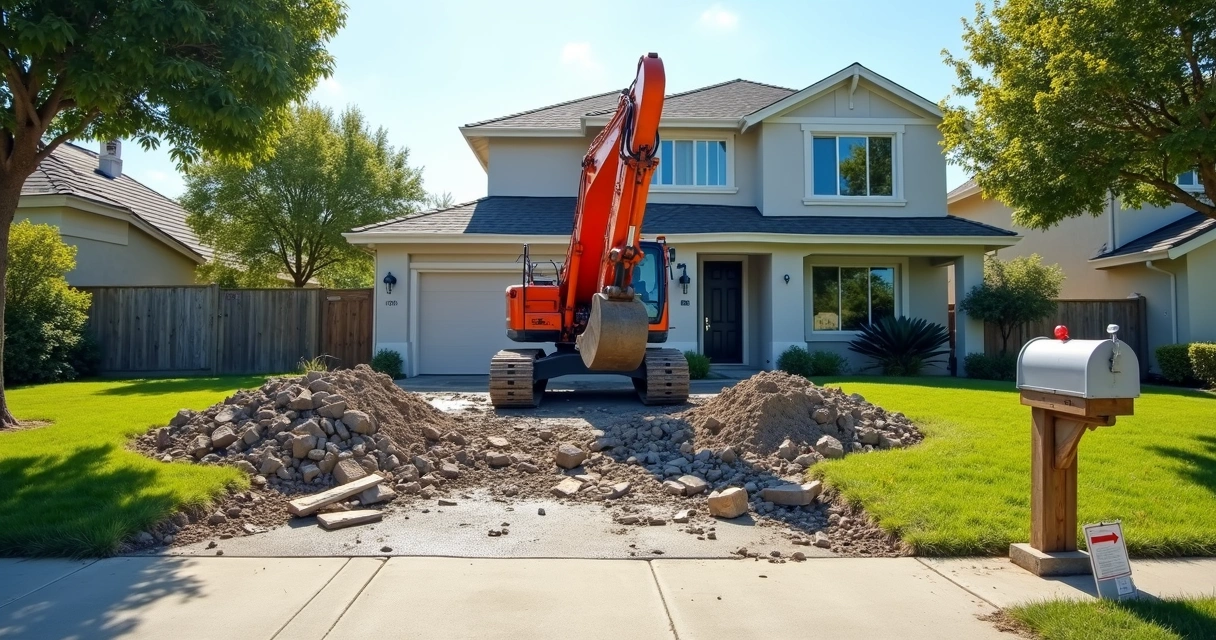
Imagine pouring a beautiful, exposed aggregate driveway or creating a modern outdoor kitchen—only to have the HOA step in and demand removal because the style, size, or finish isn’t approved. Removal costs almost always exceed original construction costs due to demolition, disposal, and then the rebuilding under strict oversight. We’ve witnessed cases where homeowners spent double or triple what they would have, just by skipping this regulatory step.
Legal and administrative costs
Legal disputes with HOAs rarely end quickly. If you challenge the HOA’s right to enforce rules or try to fight a lien, you could spend thousands in attorney fees, court costs, and mediation. Not to mention, unpaid fines can follow you during property sales.
Fighting the fine is usually more expensive than the approval process.
Loss of future sales or refinancing opportunities
If you ever try to sell your home, open HOA disputes and code violations show up on title searches. Mortgages and refinancing deals often stall or fail as a result.
- Unresolved violations can block timely closings.
- Buyers may demand a lower sale price or cancel the deal.
- Lenders may refuse refinancing on properties with outstanding violations or liens.
Impact on relationships and your reputation
HOA enforcement is often driven by neighbors’ complaints. Skipping approvals can strain neighborhood relationships, create noise, and start gossip or disputes. In tight-knit communities, word travels fast.
Real-world stories: When skipping HOA approval backfires
In our work across Central Florida, we’ve seen all types of HOA disputes. Sometimes, a client calls in a panic: construction had to stop mid-project after a neighbor contacted the HOA. Other times, we are brought in to “fix” a non-compliant installation after a costly legal letter arrives.
A homeowner in a local gated community had a driveway installed without prior approval. The HOA cited the finish for not matching the community standard, but also objected to the new sidewalk slope as a drainage risk. The HOA forced removal at the owner’s expense—this included engineering reports, permits, demolition, and new, compliant construction. The result? A projected $7,000 job ballooned past $20,000.
The HOA isn’t just bureaucracy; it’s enforceable rules that impact your wallet.
What does the HOA approval process look like?
Every HOA is different, but there are standard threads. Typically, the process includes:
- Reviewing your HOA’s Architectural Review Committee (ARC) guidelines.
- Preparing detailed descriptions and site plans for your project.
- Submitting paperwork, product samples, and possibly deposits or fees.
- Waiting for the committee’s decision—can range from days to a month or more.
- Addressing any revision requests or conditions before final sign-off.
Many HOAs require you to use licensed contractors with insurance, especially for major works like driveways, screen enclosures, or paver patios. Our team at GCM Best Services always provides detailed designs and specification sheets, making approval faster.
The approval checklist
- Detailed project drawings (for patios, driveways, enclosures, etc.)
- List of materials and finishes (e.g., paint colors, turf type, paver style)
- Land surveys for permanent structures or drainage changes
- Permit applications and contractor license information
- Drainage or grading plans for exterior improvements
Common exterior projects that always need HOA approval
In our experience, these exterior upgrades almost always require the HOA’s nod before work can start:
- Installing or replacing concrete driveways, patios, walkways, or slabs
- Painting exterior walls, trim, doors, and sometimes even window frames
- Building new screen enclosures (e.g., pool cages, lanais) or rescreening with different hardware
- Adding or replacing paver patios, walkways, or hardscaping with lighting
- Adding artificial turf to yards or play areas
- Constructing or remodeling summer kitchens/outdoor living spaces
You can find more on hardscaping requirements and exterior rules in our dedicated section on hardscaping trends and compliance.
The legal landscape: Local codes and HOA enforcement
Beyond HOA rules, local building departments also set standards for safety, accessibility, and water management. Sometimes, a project compliant with city code still violates the HOA’s rules about color, finish, or placement.
Double non-compliance—against both city/county code and HOA—brings even steeper costs. As the New York City Comptroller’s audit shows, property owners who ignored both types of rules faced fines well into the hundreds of thousands.
What types of liens and legal actions can occur?
- For amounts above $1,000, or when the HOA’s own rules allow it, property liens can be recorded. These are serious, as they cloud title and can lead to collection actions.
- HOAs may get court orders to enforce compliance, require demolition, or to collect on outstanding fines. Failure to comply with a court order has major consequences.
- Unlike municipal code violations, HOA fines under $1,000 cannot become a property lien under Florida’s current statutes. However, repeated screening, delays, and disputes create indirect costs, lost time, and added stress.
The ripple effect on home improvement budgets
A budget for a home improvement rarely includes line items for legal fees, demolition, or double labor. Yet that’s what happens if the HOA flags your project after the fact. Instead of spending $5,000 on a screened lanai, you could face $15,000 or more when adding removal costs, re-submission fees, and potential fines.
Upfront approval protects both your budget and your peace of mind.
For families trying to budget wisely for upgrades, the approval process is not simply paperwork. It’s an insurance policy.
Even for the most basic projects—like new turf or a painted door—clear documentation protects you at sale time. Documentation also increases buyer confidence.
What about permit requirements and city inspections?
Some exterior projects also require city or county permits in addition to HOA approval. These are entirely separate processes, but both are needed. At GCM Best Services, we manage permits, drainage designs, and inspections to eliminate the risk of code violations or “do-overs.” When choosing a concrete company in Orlando, for instance, working with a licensed, insured contractor—and following all HOA steps—ensures a smooth project. You can read our in-depth advice in choosing a concrete company in Orlando and explore our hardscape services overview.
How GCM Best Services protects your project from HOA pitfalls
With decades of combined experience, our team at GCM Best Services has learned that a well-planned approval process saves our clients money, time, and stress. Here’s how we help Floridians get it right:
- We review your HOA documents and clarify all guidelines before starting design.
- We prepare detailed site plans, finishes, and drainage specs to match both city and HOA requirements.
- We manage communication with HOAs, submit paperwork, and fast-track revision cycles.
- We stay involved until written approval is received—never just a verbal OK.
- We photo-document every stage for your records and warranty coverage.
- We provide ongoing support for future sales, refi, or insurance questions.
To understand the terms around our work and homeowner protections, see our clear project terms and conditions page.
Our process is designed to stop potential project hazards before they start. We believe that protecting your investment is just as valuable as the improvement itself.
Tips to avoid HOA approval pitfalls
Here’s what we suggest for a smooth, penalty-free home improvement:
- Never assume a project is “too small” to require approval—always check first.
- Collect samples, photos, and written descriptions for your application.
- Provide product specification sheets for paints, turf, concrete, and enclosures.
- Use only licensed, insured, and experienced contractors who know HOA processes.
- If work changes mid-project, amend your submission with the HOA as soon as possible.
- Keep copies of every correspondence—this documentation could protect you years later.
And if you’re searching for reliable concrete repair and upgrades by licensed contractors who truly understand HOA compliance, our licensed contractor’s guide can help.
Conclusion: The true cost is peace of mind
Skipping HOA approval can feel like a shortcut, but it is almost always more costly than it appears. From mounting fines to forced demolition, the real cost goes far beyond dollars. It means stress, strained neighbor relationships, stalled sales, and wasted time. In our experience at GCM Best Services, the right way is always the approved way. We’ve helped hundreds of Floridians enjoy their upgrades and keep their peace of mind—and we’re ready to help you, too.
The right process pays for itself in protection, value, and lasting pride.
If you want to start your next project without worry, consult our local experts first. We’ll handle the permits, the HOA process, the design, and the build—on time and with total transparency.
Ready for a professional quote? 📞 (407) 250-1948 • 24–48h • Orlando, Tampa & area.
Frequently asked questions
What is HOA approval for exterior work?
HOA approval for exterior work is a process where homeowners must get written consent from their neighborhood’s homeowners’ association before starting projects that alter the outside appearance or structure of their property. This includes work like driveways, patios, painting, screen enclosures, turf, and more. The approval is designed to maintain community appearance, property values, and legal compliance with the HOA’s published guidelines.
What happens if I skip HOA approval?
If you skip HOA approval, several consequences are likely. The HOA can issue fines, require the removal or correction of unapproved work, place a hold on property sales, or even initiate legal action. These steps can lead to extra costs, project delays, legal disputes, and damaged relationships with your neighbors and the HOA board.
How much are HOA violation fines?
In Florida, most HOAs can fine up to $100 per violation per day, with a typical cumulative limit of $1,000, unless their governing documents specify higher amounts. If these fines remain unpaid, some associations may escalate enforcement via legal channels, though fines under $1,000 generally cannot result in liens on the property according to Florida Statutes, Chapter 720.
Can I get HOA approval after starting work?
It is sometimes possible, but it’s much riskier and more expensive. HOAs are usually much stricter when reviewing work that’s already begun or finished without approval. They may require changes, more detailed documentation, or even demolition of the project. Retroactive submissions do not guarantee that you’ll avoid fines or penalties.
Is it worth it to risk no approval?
No, risking unapproved exterior work is almost never worth it. While the temptation to save time or effort is understandable, the legal, financial, and reputational risks outweigh any perceived benefits. Working with professionals who understand both permitting and HOA processes, such as our team at GCM Best Services, is the best approach to protect your investment and avoid unnecessary setbacks.