Primary keyword: flexible joint seal
3 variants: driveway joint sealant, concrete expansion joint seal, flexible driveway sealer
Audience pain/benefit (1 line each):
- Homeowners worried about cracks, weeds, or water in driveway joints.
- Looking for straightforward, lasting solutions for Central Florida soil and weather.
Summary:
Flexible joint seals are evolving as a must-consider solution for concrete driveways exposed to heat, wet seasons, and ground movement. We break down what flexible joint sealants are, how they work in 2026, the types on the market, new research, installation tips, and their realistic performance in Central Florida. Is this the missing link to a longer-lasting driveway? Decide with us, and see how GCM Best Services builds driveways ready for the future of Florida living.
Outline
- What are flexible joint seals?
- Concrete driveways and Florida’s movement: Why joint seals matter
- Types of flexible joint sealants and how they work
- What’s new for 2026: Research, materials, and code
- When do flexible joint seals make sense (and when not)?
- Installation: Good practices and pitfalls
- Flexible joint seal performance over time
- How GCM Best Services integrates joint sealing
- Conclusion: Should you choose flexible joint seals in 2026?
- FAQ: Flexible joint seals for driveways
Protect your driveway from cracking, water, and weeds.
What are flexible joint seals?
Flexible joint seals are materials applied to the gaps (joints) between concrete slabs, allowing them to move independently while keeping out water, debris, and plant roots. They create a resilient, watertight barrier that expands and contracts with the concrete, rather than hardening and shattering as the driveway ages.
Commonly made from advanced polymers (like silicones, polyurethanes, or polyaspartics), these sealants won’t become brittle or shrink under the strain of Florida’s sun or the subsurface movement typical to Central Florida soils. Compared to a rigid caulk or ‘backer rod’ packed with sand, flexible sealants can stretch, compress, and bend, maintaining performance through driveways’ daily cycles and storm swings.
Concrete driveways and Florida’s movement: Why joint seals matter
It’s no secret: Florida’s unique soil and climate set a rough stage for driveways. In our experience at GCM Best Services, the main threats include:
- Soil shifting: Orlando’s mix of sandy and clay-like soils mean slabs can settle, tip, or heave, producing cracks or gaps at the joints.
- Moisture and drainage: Intense storms send water gushing through open joints, undermining sub-base integrity and fostering weed growth.
- Temperature extremes and UV: While not as dramatic as up north, day-to-night heat swings cause expansion/contraction that taxes inflexible materials.
When these factors go unchecked, open or unsealed joints are the first place you’ll see trouble, be it loose slabs, stubborn weeds, mildew, or puddles where you least want them. Orlando’s humid season can turn minor separation into a maintenance headache faster than expected.
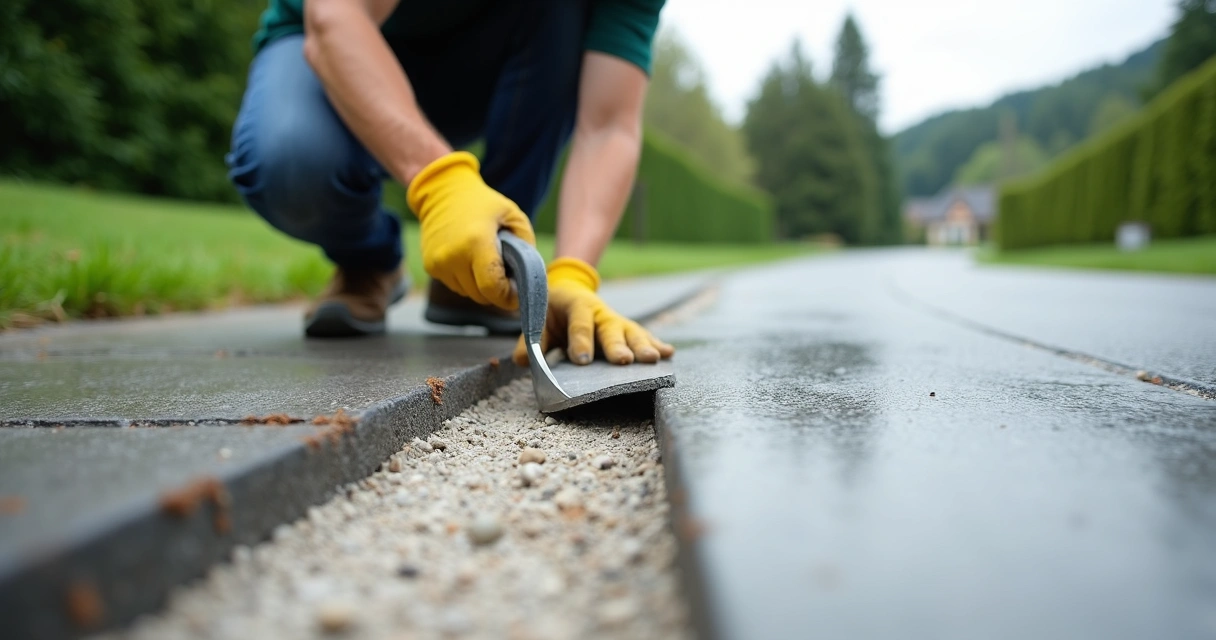
That’s why joint sealing isn’t just a “nice-to-have.” In many neighborhoods, homeowners’ associations and city codes now expect it, particularly on new projects or repairs. We’ve seen driveways last longer with the right joint materials, detailed install, and ongoing checks.
For more on this, our article on preventing cracks in Florida concrete addresses the deeper impact of climate and soil on your investment.
Types of flexible joint sealants and how they work
Today’s flexible joint sealants offer far more than the old black tar or basic caulks. The most common types include:
- Polyurethane sealants: These are durable, flexible, and adhere well to concrete, making them a go-to for many driveways. They resist water, moderate UV, and some mild chemicals.
- Silicone-based sealants: Excellent for UV and weather resistance, they stay flexible for years and are easy to apply, though sometimes pricier.
- Hybrid and polyaspartic blends: Blends or new-gen polymers combine features from the above, improving return-to-service times and stretch capacity.
Their main job? Fill the joint, bond to both sides, flex as the slabs move, and block intrusion of whatever Central Florida throws at them. Some newer products add antimicrobial or hydrophobic additives, helping keep growth and puddling to a minimum.
For longer or wider joints, backer rods (foam rods pushed in before sealing) are commonly placed to control depth and limit excessive joint fill, preventing future voids.
It’s not about which sealant is “best.” It’s about using the right one for your width, movement, weather, and budget—a balance we review in our consultations at GCM Best Services.
What’s new for 2026: Research, materials, and code
The science around driveway joints is changing, with several breakthroughs showing up in both research and building practice. What’s the forefront in 2026?
Advances in material performance
A 2025 Scientific Reports evaluation of polymer-based cement joint sealants highlights key findings: these sealants now offer robust resistance to water, acids, alkalis, UV aging, and cold exposure. Field and lab testing confirm that, if specified and installed properly, flexible joint seals continue performing under punishing Florida-like conditions much longer than older materials.
These advances help homeowners worry less about yellowing, delamination, or suddenly brittle joints, which plagued early-generation sealants after only a year or two.
Improved movement tolerance
Driveways get fewer cracks when joint sealant can stretch and compress as needed, even if big rains or droughts make slabs shift more than planned.
Recent Penn State research on joint opening reveals that joints seeing more movement than designed can suffer from adhesive failures if the wrong sealant is used—or if the gap isn’t sized and sealed right. The solution in 2026: careful pre-seal measuring, using new polymers formulated for major movement, and getting professional installation.
Local codes and HOA pressure
Orlando-area codes requests more attention to visible joint wear. Some HOAs require annual inspection or re-sealing if joints have shrunk, torn, or let weeds through. In our process at GCM Best Services, joint protection comes standard on new and re-done driveways, and we document the work with photos and reports for your records or HOA file.
New sealant technology means longer-lasting driveways.
When do flexible joint seals make sense (and when not)?
Not all driveways—or all problems—are best solved by joint sealing. From decades in the field, we find flexible joint seals useful when:
- Gaps are wide enough to invite water, weeds, or pest intrusion.
- The concrete is in good condition but joints are open, dry, or crumbling.
- You see early signs of edge chipping or movement, and want to stop bigger cracks before they start.
- You need a lower-maintenance, attractive surface (for homes, businesses, or rental units).
- The driveway is new and you want to meet the best modern construction standards.
But there are cases where flexible joint sealing is not the right first step. If the driveway is heavily cracked, shows sunken slabs, or has severe drainage issues, repair or replacement comes first—then sealant can be added. Issues like roots from major trees or poor sub-base don’t get solved by any caulk, no matter how advanced.
We always suggest a walk-through by a licensed Orlando contractor familiar with Central Florida’s quirks before sealing, to decide if it’s cost-effective or if bigger work is needed. In our step-by-step process we align solutions with both the durability needs and the expectations of local authorities and insurance records.
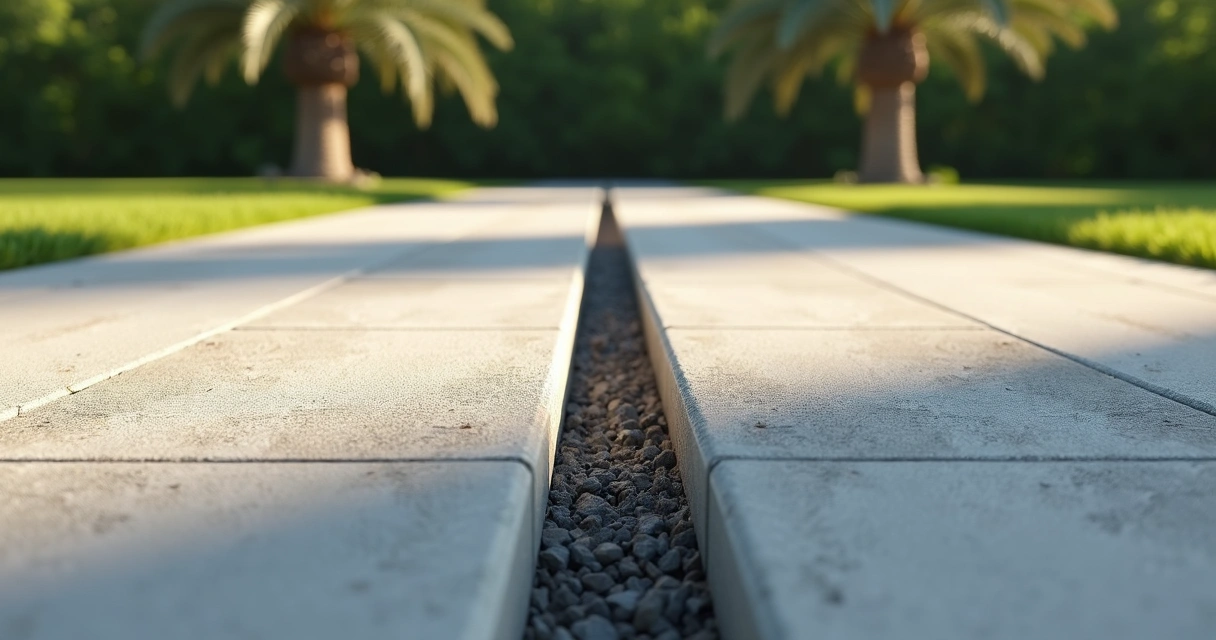
Installation: Good practices and pitfalls
A well-sealed joint will outlast a rushed or improper job every time.
Based on research, supplier guidelines, and hands-on fieldwork, here are our top installation practices:
- Clean, dry joints: Power-wash, brush out dust and weeds, and dry for proper bonding.
- Backer rod sizing: For joints deeper than wide, use round foam rods beneath sealant to control depth and avoid three-sided adhesion.
- Primer (when required): Some concrete surfaces need primer for optimum adhesion.
- Temperature: Apply sealant in the range specified by manufacturer—too hot or cold impairs curing and bond strength.
- Smooth finishing: Use specialized spatulas or trowels, not fingers or random tools, for a neat joint that sheds water and deters dirt build-up.
- Cure/protect: Limit foot and vehicle traffic until fully cured (which can be just hours for modern polyaspartics).
Mistakes to avoid:
- Sealing very wide or uneven gaps without appropriate material or prep.
- Leaving old, failed sealant beneath new product.
- Skimping on joint prep or using household caulks.
We believe in detailed, step-by-step jobs—because shortcuts just don’t last in Florida’s climate. This is why our warranty and re-inspection process is part of every driveway project.
For a comprehensive approach to concrete repair and best practices, see our licensed contractor’s guide to concrete repair.
Flexible joint seal performance over time
Modern flexible joint seals can last upwards of 5 to 10 years before needing maintenance, particularly with periodic inspections and prompt repair of damaged sections.
Our experience matches what research shows: sealant wear is faster where:
- Driveways see heavy vehicle traffic or parking on the joints.
- Subgrade movement or settlement is active.
- Poor drainage means joints are almost always wet.
On the other hand, if properly installed and cared for, today’s hybrid sealants retain their elasticity, color stability, and bond to concrete much longer than old-school products. Some hybrid formulas integrate UV blockers and fungicides—critical for Florida’s rainy, sunny cycle. Minor repairs (short refill or patch) are far simpler than repairing a cracked slab or cut-out, and cost a fraction as much.
If you’d like examples of beautiful, long-lasting driveways and patios using the full suite of modern protection, our driveway and patio paving projects show before/after transformations and durable design choices.
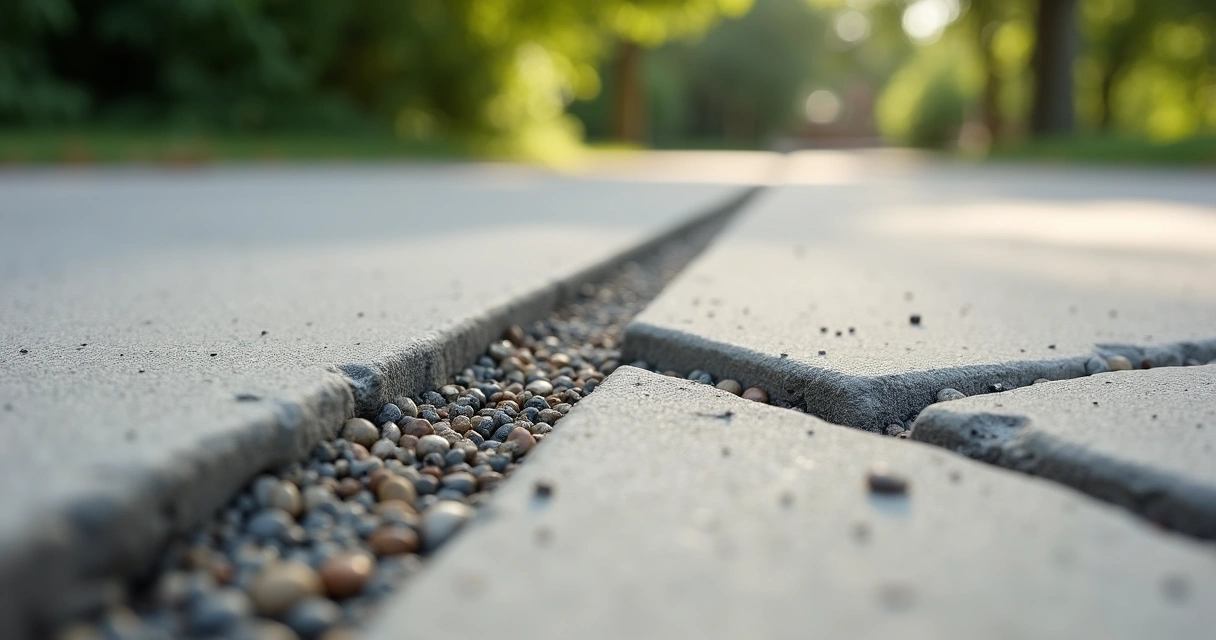
How GCM Best Services integrates joint sealing
At GCM Best Services, every driveway or patio in Central Florida gets a site-specific evaluation. We look at:
- Sub-base compaction and depth
- Concrete mix strength and thickness
- Drainage slopes and positive flow away from structures
- Joint design for both expansion and contraction (and when flexible sealants add protection)
Sealing joints is not just a step—it’s built into the process from permitting to warranty. We select suitable materials, handle surface prep, finish to spec, and return after curing for re-checks and documentation.
Our clients receive maintenance instructions (when to re-inspect, how to clear debris, and which cleaners are safe); we also offer scheduled check-ins on all full-driveway projects.
If you’re researching other innovations for driveways and hardscapes—such as pavers, drainage, or permeable turf borders—see our concrete solutions blog or hardscape project gallery for inspiration.
Conclusion: Should you choose flexible joint seals in 2026?
For most Central Florida driveways, flexible joint seals in 2026 offer a smart, value-driven way to defend against new cracks, weeds, and water—provided you start with a sound surface and quality install.
They aren’t a cure-all. But paired with a stable sub-base, up-to-date concrete mixes, and routine checks, they keep little joint issues from turning into replacement-level problems. With better polymers, field-proven methods, and a local team who stands behind each project, the answer for many is yes.
The only question that remains: Are your driveway joints ready for five more years of Florida’s weather, roots, and rain? If you want a straightforward evaluation, expert recommendations, or a no-pressure quote, we’re here to walk the drive with you.
Ready for a professional quote? 📞 (407) 250-1948 • 24–48h • Orlando, Tampa & area.
Frequently asked questions: Flexible joint seals for driveways
What is a flexible joint seal?
A flexible joint seal is an elastic sealant applied to the gaps between slabs of concrete—such as a driveway’s control or expansion joints—to keep out water, debris, and weeds, while allowing the concrete to safely move due to thermal changes or soil shifts. Most use chemical polymers (like polyurethane or silicone), which remain soft and flexible for years even in Florida weather.
How do I install flexible joint seals?
To install a flexible joint seal, clean out the joint (removing dust, loose concrete, and plant matter), insert a backer rod if the joint is deep, and apply the sealant using a caulk gun. The sealant bead is then smoothed with a tool to shape and ensure good adhesion. Allow curing per the product’s instructions—most are ready for light use within hours, but vehicle traffic should wait for full cure. If you need professional service in Central Florida, the process is detailed in our projects at GCM Best Services.
Are flexible joint seals worth it?
For driveways with open or compromised joints, flexible joint seals can prevent larger problems by blocking water, weeds, and dirt, making them well worth the investment—especially in places with active soils or wet climate. Their ability to expand and contract outlasts rigid caulks, reducing crack repairs and keeping driveways looking newer longer.
How much do flexible joint seals cost?
Prices vary based on joint length, width, condition, and preparation needed. Typically, material and installation cost ranges from $2 to $7 per linear foot for most common applications. Extensive cleaning or repairs can increase this price. Asking a qualified contractor for a home-specific quote is the wisest move.
Where to buy flexible joint seals?
Flexible joint sealants are available at many hardware and building supply stores, though selection and quality will differ. For long-term performance, choose contractor-grade brands recommended by professionals. For expert selection and installation in Central Florida, contact GCM Best Services for product advice or turnkey service.