Graffiti can appear anywhere—on concrete, brick, metal, stucco, or wood. For property owners across Central Florida, what starts as a small tag can quickly become both an eyesore and an expensive problem. The good news? There are solutions that don’t just clean up graffiti but actively help prevent it from becoming a recurring headache. At GCM Best Services, we see how anti-graffiti coatings make the difference. In this article, we share everything we think property owners, managers, HOA reps, and local businesses in Orlando and nearby areas need to know about these practical coatings—backed by real studies, professional insights, and our own hands-on experience working with concrete, pavers, and painted surfaces throughout the region.
Graffiti might be temporary—but its costs aren’t.
The annual spend in the United States to remove graffiti hits a staggering $12–25 billion, according to a Transportation Research Board report. Banks, shopping centers, apartment communities, schools, and local governments all feel the pinch. It’s no wonder anti-graffiti systems are gaining traction as a front-line strategy, not just for removal but for actively repelling new markings before they stick.
What are outdoor anti-graffiti coatings?
Anti-graffiti coatings are specialized treatments designed for exterior surfaces such as concrete, brick, and metal. We apply these coatings to make surfaces less porous, less sticky, and easy to clean if marked by paint, ink, markers, or adhesives. Some are clear and nearly invisible; others can be tinted to match or blend with existing finishes.
These coatings create a physical barrier between the surface and unwanted substances, so graffiti doesn’t bond deeply or permanently.
Main types of anti-graffiti coatings
Most outdoor anti-graffiti coatings fall into three main categories:
- Sacrificial coatings: These form a protective layer that is removed during graffiti cleaning—think of them as a disposable shield. Once the graffiti is washed off, the coating must be reapplied.
- Semi-permanent coatings: These offer longer-lasting results, typically with up to five cleanings before a reapplication is needed.
- Permanent (non-sacrificial) coatings: These are engineered for durability and resist repeated graffiti attacks and cleaning cycles without significant wear.
The best choice depends on surface material, location, weather, and desired longevity.
How do anti-graffiti coatings work?
Anti-graffiti coatings reduce surface energy, so paints, inks, and markers can’t penetrate deeply or stick as they do on untreated materials. Cleaning afterwards is usually as simple as spraying with a pressure washer and using a mild cleaner.
In our experience at GCM Best Services, we factor in Florida’s humidity, sun exposure, rain intensity, and temperature changes when choosing or recommending anti-graffiti products. Some coatings use waxes or siloxane blends (sacrificial), while others contain advanced polyurethane or fluoropolymer chemistry (permanent).
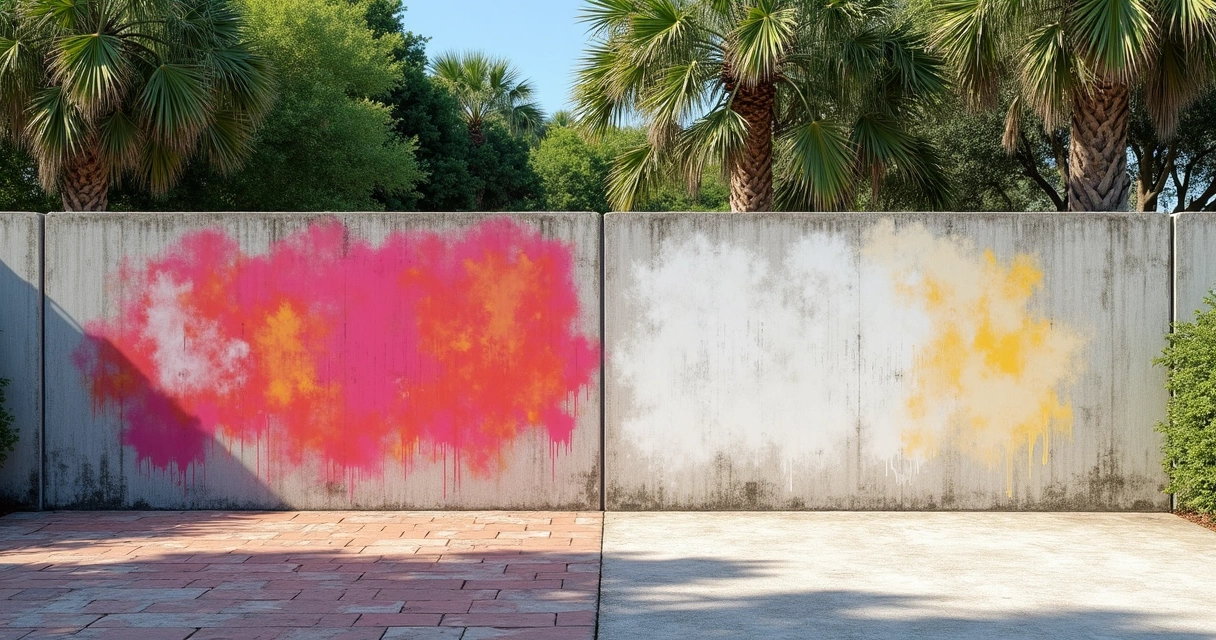
Common surfaces for anti-graffiti coatings
Not all outdoor surfaces behave the same when faced with spray paint or markers. Here’s where we most often recommend or install anti-graffiti coatings in Central Florida:
- Concrete: Driveways, retaining walls, sidewalks, parking garages, bridge abutments. See our concrete project gallery for examples of the types of surfaces commonly protected.
- Masonry & brick: Commercial building exteriors, historic signs, schools, columns, or decorative hardscaping. We integrate these treatments into paver and masonry projects, as covered on our hardscaping expertise page.
- Metal: Utility boxes, fences, railings, lamp posts.
- Painted and coated surfaces: Stucco, EIFS, painted block, even pre-finished metal panels.
Application on these surfaces not only discourages vandalism but can simplify routine cleaning, helping properties look newer for longer.
Why do property owners in Central Florida choose anti-graffiti coatings?
In our area, the sun, moisture, and urban activity all play their part. Here’s what we hear most from clients across Orlando and Central Florida about why they’re considering or installing anti-graffiti protection:
- Easier clean-up: Pressure washing and mild cleaners work for rapid removal, saving on special chemicals or abrasive scrubbing.
- Appearance: Coated surfaces look bright and uniform, often more resistant to dirt and weather staining overall.
- Reduced repair/repainting: Surfaces don’t suffer the deep etching, ghosting, or discoloration that graffiti leaves on bare materials after multiple removals. This means fewer cycles of repainting or patching.
- Lower long-term costs: By reducing property damage, cleaning time, and the need for constant repairs, coatings can help avoid the escalating costs seen in public and private budgets.
When we talk with HOAs, business owners, or property managers, the biggest question is always: Will coatings truly work—and are they a smart investment?
Do anti-graffiti coatings really work? What does the research say?
It’s natural to have doubts about a product promising long-term protection, especially with outdoor Florida conditions in play. Over the past two decades, research has caught up with what professionals see on the ground—including us at GCM Best Services.
- A recent peer-reviewed study on modern anti-graffiti coatings applied to acrylic-finished ETICS found that certain permanent and semi-permanent systems let cleaning teams remove graffiti while keeping color changes on facades below a “visible” threshold (ΔE*ab under 5). So, to the eye, cleansed zones often look almost as good as before graffiti appeared.
- A Clemson University thesis compared architectural topcoats for outdoor concrete and found that some clear protective sealers actually helped street art last longer, while others made painted surfaces easy to wipe clean without yellowing or ghosting. The key was matching the right product to the specific surface.
Based on both real-world field results and independent studies, our team sees repeatable improvements in graffiti resistance, cleaning speed, and overall curb appeal where coatings are correctly chosen and applied.
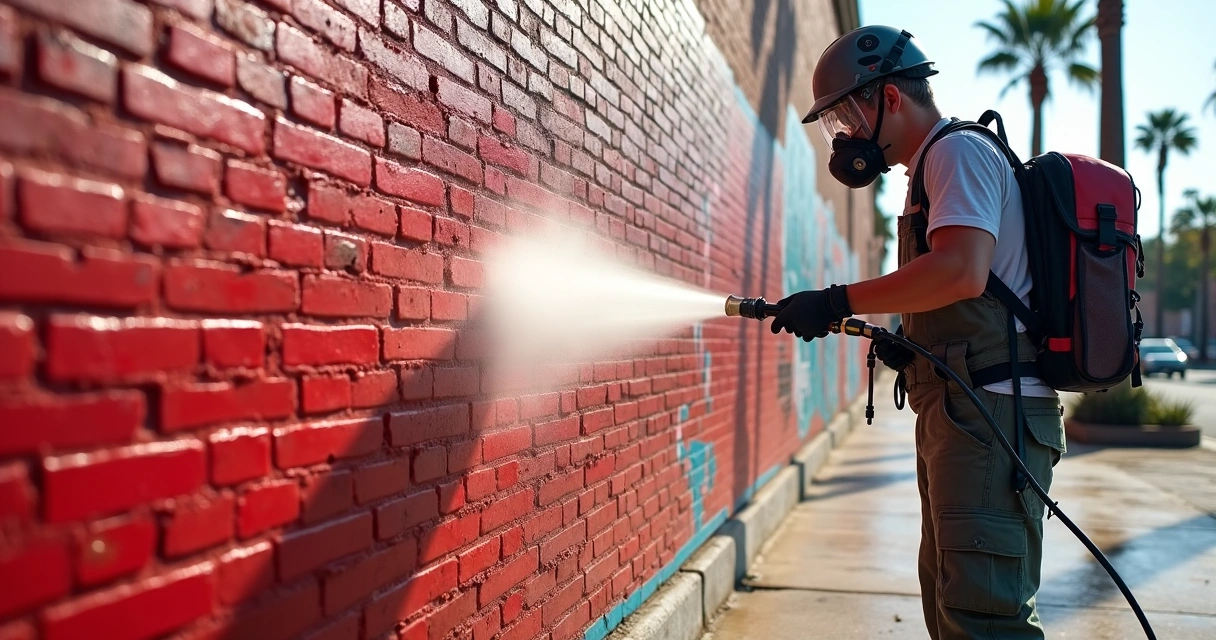
How are anti-graffiti coatings applied?
Part of what sets successful projects apart is not just the coating itself, but how—with the right prep—installers get it onto the surface. At GCM Best Services, our approach depends on what we’re coating:
- Surface preparation is critical: We always clean, degrease, and dry surfaces beforehand. For concrete, this often means pressure washing or light grinding (where appropriate), especially on old or stained areas. See our concrete repair process for context on how we address cracks or surface damage in advance.
- Primer use: Some surfaces, like bare concrete or brick, benefit from primer to improve coating adhesion and durability.
- Coating method: We use rollers, brushes, or professional sprayers depending on the product and the location. For perforated or grooved surfaces (such as exposed aggregate or stamped concrete), spray application ensures even coverage into crevices.
- Number of coats: Most products are designed for two or more thin, even layers, with full cure times from 2 to 24 hours in Florida’s climate.
Environmental conditions matter: temperature, humidity, and sun exposure can all affect drying, bonding, and overall performance. We always follow manufacturer recommendations and test for absorbency before the full application.
What’s different about anti-graffiti coating on concrete in Florida?
Florida’s concrete surfaces, especially in Orlando, face unique stress—from UV rays and sudden storms to variable moisture and tough urban use:
- UV resistance: Clear anti-graffiti treatments for concrete must hold up against intense sunlight, or risk yellowing, chalking, or peeling.
- Moisture control: Permeable treatments allow concrete to “breathe,” avoiding trapped water and spalling.
- Substrate movement: Expansion joints, thermal cycling, and settling soils mean coatings need flexibility.
We always engineer our concrete pours and repairs to be long-lasting, with attention to sub-base, reinforcing, and drainage. For those interested in how we help prevent long-term issues like cracks, our guide on preventing cracks in Florida concrete patios and driveways covers best practices aligned with coating use.
Surfaces beyond concrete
Anti-graffiti coatings also play an essential role on brick, pavers, and other hardscaping features throughout Central Florida properties. Layered coatings can give decorative pavers extra protection against unwanted markings or stains; proper installation and sealing—like the approach we outline in our article on choosing the right concrete company locally—makes a real difference in both performance and appearance.
What are the advantages and limitations of anti-graffiti coatings?
We think it’s only fair to look at both sides. Clients who are best served by anti-graffiti systems understand not just the potential, but the practical realities.
- Advantages:
- Quick and easy graffiti removal—often with no or mild cleaning agents
- Durability against multiple cleanings, especially with permanent systems
- Invisible or nearly invisible finish, so original look is preserved
- Protection from not only graffiti but street dirt, chewing gum, adhesives, and more
- Limitations:
- Upfront cost, which may deter owners with tight budgets
- Sacrificial coatings require reapplication after each “attack”
- Preparation time and specialized equipment can be needed for professional results
- Inefficient choice for heavily textured or crumbling facades—surface repair may come first
Anti-graffiti coatings are not a “one size fits all” solution—they need to be matched to the material, exposure, and level of risk.
Maintenance and cleaning tips for coated surfaces
How property owners care for coated areas directly affects long-term performance. Over years of projects at GCM Best Services, we’ve kept the following practices top of mind for maximum return on investment:
- Act quickly: The faster graffiti is removed, the lower the risk of staining, shadowing, or etching. Many anti-graffiti coatings let you clean markings within hours with nothing harsher than water and a soft brush.
- Use gentle methods: For routine cleaning, avoid harsh abrasives and acidic chemicals—these are not needed and may even degrade coatings over time.
- Inspect regularly: Walk your property after storms, events, or holidays. Look for fresh tags and check for coating wear, especially in busy or high-traffic areas.
- Touch-up as needed: On sacrificial and semi-permanent coatings, after a graffiti removal cycle, reapply to maintain continuous protection.
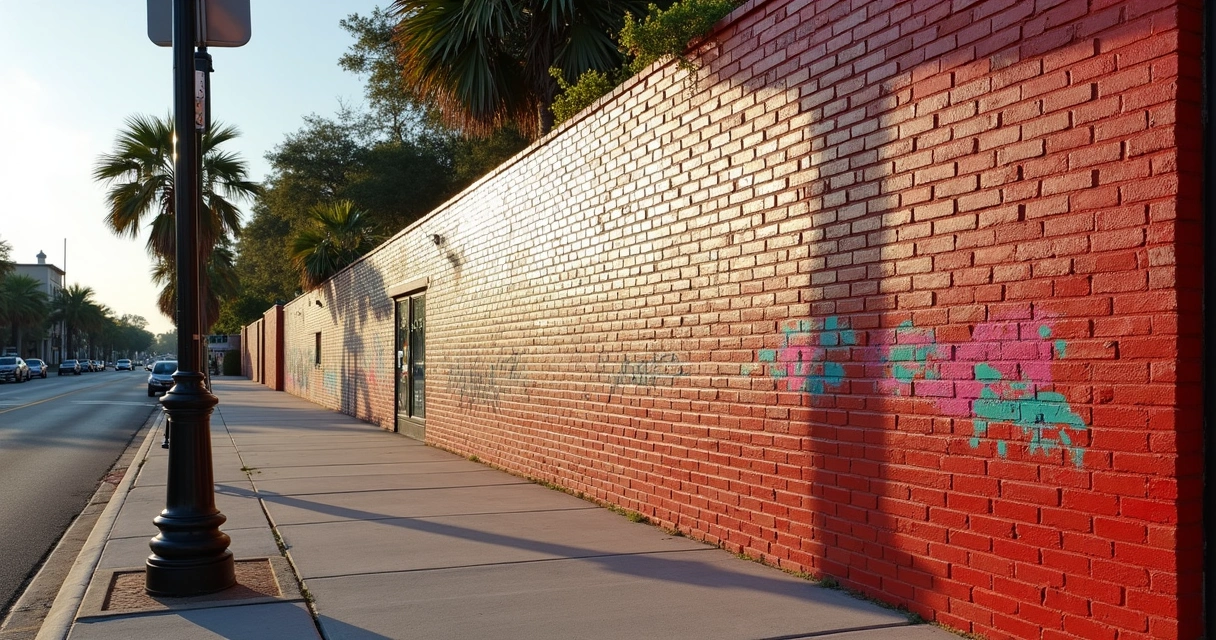
Cost and return on investment
The cost of anti-graffiti coating work depends on several things: square footage, surface material, product selected, and any necessary prep. Permanent coatings are usually the highest initial investment, but offer the lowest ongoing expense because of reduced cleaning and recoating.
Think about typical costs in Central Florida:
- Sacrificial coatings: lowest material cost, but more frequent maintenance
- Semi-permanent: moderate, with 3–5 cleaning cycles per application
- Permanent: highest upfront, but sometimes cost-neutral after just a few years if surfaces are repeatedly targeted
When graffiti removal is needed even once a year, coatings pay for themselves faster than repeated repainting or patching.
Local governments, business parks, and HOAs that document costs (see the statistics from the annual U.S. spend on graffiti removal) quickly recognize value in prevention.
Professional anti-graffiti coating vs. DIY solutions
While there are consumer products for small touch-ups, most exterior surfaces—especially those seen in commercial or multifamily settings—require commercial-grade coatings and pro-level tools. In our experience, key benefits of professional application are:
- Experienced prep for maximum adhesion and coverage (surface cleanliness and dry time are everything)
- Access to specialized, tested products not typically found at home improvement stores
- Warranty support and maintenance guidance—it’s comforting for our clients at GCM Best Services to know that support continues after application
For someone with a small, low-risk area (like a backyard wall), DIY might be an option, but for public-facing, larger value properties, we strongly recommend professional assessment and installation.
How anti-graffiti coatings support property value and community image
The effect of graffiti isn’t just cost—it can shape how visitors, tenants, and neighbors see a business, shopping center, or community. Properties plagued by graffiti may see lower rental rates, reduced foot traffic, and even increased crime, as noted in nationwide U.S. studies. Anti-graffiti coatings aren’t just about avoiding cleaning bills; they are about keeping neighborhoods inviting and well-cared for.
Appearance matters—especially when first impressions count.
We regularly hear from clients who, after coating and some improved lighting or landscaping, notice fewer repeat incidents and less vandalism overall. Coatings are one piece in the puzzle of property pride, layered in with good design and routine maintenance.
How to get started—Choosing the right anti-graffiti system
Choosing the best coating is rarely as simple as picking a brand off a shelf. We always recommend:
- Site assessment: Walk the property with a specialist and discuss both current issues and likely risks.
- Match system to the surface: Each surface—concrete, brick, pavers, painted block—can require different prep and coatings.
- Plan long-term maintenance: Understand how often cleaning occurs and what resources are available.
At GCM Best Services, we provide free, no-pressure visits, thorough estimates, and real-world recommendations for any Orlando or Central Florida property (residential or commercial). Our clients appreciate seeing the before-and-after difference—sometimes, the best protection is the kind you barely notice, until you realize you never had to worry about graffiti again.
Conclusion: Anti-graffiti coatings work when done right
Outdoor anti-graffiti coatings aren’t a silver bullet, but they are a strategic investment that’s backed by real results, both in research and in neighborhood streetscapes across Central Florida. For property owners, HOAs, and local businesses, these coatings mean faster clean-up, lower overall expense, and more curb appeal. When paired with skilled, professional application and regular care, they can flip a liability—graffiti—into something you control, not just react to.
If you’re ready to protect your property or want honest advice on the best system for your concrete, paver, or painted surfaces, our team at GCM Best Services is here to help. Quality surfaces, on-schedule work, and reliable warranties—that’s our promise. Contact us today to schedule your on-site assessment and see what hassle-free protection looks like in real life.
Frequently asked questions about outdoor anti-graffiti coatings
What is an anti-graffiti coating?
An anti-graffiti coating is a transparent or tinted treatment applied to exterior surfaces like concrete, brick, or metal to prevent spray paint, inks, or adhesives from sticking and damaging the surface permanently. These coatings form a barrier that makes it easy to remove unwanted markings, protecting against stains and preserving the original look of the material.
How does anti-graffiti coating work?
Anti-graffiti coatings work by reducing the surface energy so that graffiti materials, such as aerosol paints or markers, do not bond deeply to the substrate. When graffiti occurs, cleaning is simple—usually involving a pressure washer and gentle cleaners, without causing damage or requiring repainting. Permanent coatings can withstand repeated washings, while sacrificial types are reapplied after each cleaning.
How much does anti-graffiti coating cost?
Costs vary based on the type of coating, surface area, and prep needs, but typical prices for commercial applications in Central Florida range from $1.50 to $8 per square foot, including professional labor and materials. Sacrificial coatings are the least expensive up front, while permanent systems have a higher initial price but lower maintenance/cleaning costs over time.
Is anti-graffiti coating worth it?
For properties in areas targeted by vandals or where graffiti has already been a problem, anti-graffiti coating is a wise investment—especially compared to the repeated expense and hassle of repainting, paint removal, or patching. Numerous studies and our hands-on experience in Central Florida show faster cleaning, less property damage, and improved curb appeal, leading to a favorable long-term return on investment.
Where can I buy anti-graffiti coating?
Professional-grade anti-graffiti coatings are available from commercial contractors like GCM Best Services, as well as specialty suppliers focused on industrial and architectural finishes. Retail products for small projects do exist, but for best results on masonry, concrete, or pavers in outdoor environments, we recommend working with experienced applicators who understand local climate and code requirements for Central Florida.