If you’ve ever invested in a beautiful brick paver driveway or patio, you know how impressive hardscaping can look in Central Florida. But as many homeowners and businesses in Orlando learn, even the best-laid paver surfaces can start to shift, separate, or settle at the edges without the right support. The difference often comes down to the paver edging options used.
In our work at GCM Best Services, we’ve seen projects succeed—and sometimes fail—based on this critical detail. Let us share what we’ve learned about paver edging: the types available, how they stack up over time, and which option truly keeps your paver job looking strong and seamless.
The right paver edging is what keeps your dream patio from turning into a maintenance headache.
Why paver edging matters so much in Central Florida
Even though it seems like a minor detail, paver edging shapes how long your surface will last. Edging holds each brick or stone in place, preventing outward movement from daily use, weather, and the stresses unique to our region. Without proper edging, paver surfaces often loosen, leading to tripping hazards, washed-out sand, and costly repairs.
In Central Florida, our wet summers, sandy soils, and frequent tropical storms all put paver edges to the test. Rainwater can erode the bedding sand underneath. Waterlogged ground shifts. Even vehicles driving or parking close to the edge can nudge bricks outward. The best paver edging option is suited for both your surface and the local conditions.
We follow the most current guidance and building codes for paver edging, referencing resources like the GCM driveway and patio paving guide and national research from the Iowa Department of Transportation, which underscores the value of a proper edge course to maintain paver alignment and prevent shifting.
Types of paver edging: An overview
We want to demystify the choices. Not every option is right for every project, or every type of soil. Here are the common paver edging materials used in residential and commercial installations in Orlando and throughout Central Florida:
- Plastic or PVC edging
- Aluminum edging
- Steel edging
- Concrete edge restraints (poured or precast)
- Brick or soldier course edging
- Hardscape curb (integrated masonry)
- No edging or “soft edge” (rarely recommended)
Each of these options comes with benefits and some drawbacks. Let’s unpack what actually matters for preventing shifting and ensuring longevity.
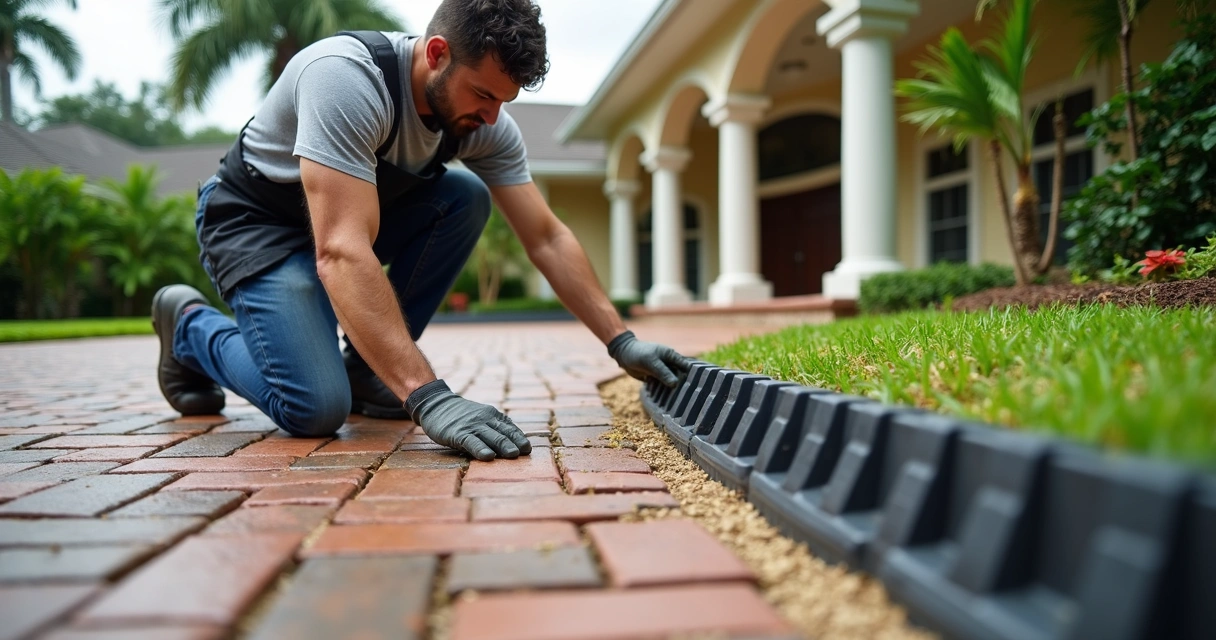 Plastic and PVC edging: Flexible, but not always firm
This is one of the most widely used edge restraints because of its low cost, flexibility, and ease of installation. Made of high-density plastic, usually black, these strips are staked into the ground along the edge of the paver surface. Some local homeowners try DIY installs with these, but performance can vary.
Strengths
- Relatively inexpensive
- Easy to cut and form around curves
- Quick to install with standard stakes
- Resistant to rot and rust
- Adequate when well-secured for pedestrian areas
Weaknesses
- Can lift or shift if stakes loosen in sandy, wet soil
- Not very effective for heavy traffic (driveways, commercial lots)
- UV exposure can make some plastics brittle over years
- Relies heavily on stake spacing and base prep
Plastic edging works best in landscape beds, garden paths, or paver patios away from vehicle traffic. In our experience, the only way to make it effective for driveways is with close stake spacing (12 inches or less), high-quality material, and a strong, compacted base. Even then, we’ve returned to projects years later and found “creep”—the subtle outward movement of pavers and separation of the joints.
It’s tempting to cut corners, but if your paver surface will see vehicles or sit over soft, shifting soil, we almost always recommend something stronger.
Aluminum edging: Lightweight, neat, longer-lasting
Aluminum is a step up, both in looks and durability. These are “L”-shaped extrusions in silver or black, also staked down. They combine some of the flexibility of plastic with greater resistance to deformation and weathering.
Benefits
- Higher strength-to-weight ratio than plastic
- Less visible above the paver surface for a clean look
- Doesn’t rust, rot, or warp
- Longer lifespan, especially near pools or moist areas
Downsides
- About 2–3 times the cost of basic plastic edge
- Still relies on stakes anchoring into soil or the base
- Sharp edges require careful handling and sometimes finishing
We often recommend aluminum edging for patios, walkways, and pool decks, particularly when aesthetics matter. It holds curves well and usually stays put a lot longer than plastic edge strips.
However, just like PVC, if the base shifts or the stakes come loose, even aluminum can “walk” outward a bit. Frequent wet/dry cycles and root intrusion can work stakes loose over several years. That said, for most low-traffic installs, aluminum offers a good compromise of lifespan and cost.
For more on the role of edge detail in creating lasting outdoor spaces, see our hardscape services overview.
Steel edging: Rigid strength, industrial grade
If you’ve got a surface that needs to withstand heavy forces—like the edge of a driveway, warehouse pad, or public walkway—galvanized steel edging is a reliable choice. It’s heavier, harder to bend into tight curves, and usually painted or powder-coated dark green or black to reduce rust and blend in.
- Nearly immune to flexing and bowing when installed deep and well-staked
- Can be driven deeper into loose or sandy soils
- Handles vehicles and riding mowers without visible damage
- Long life; surface rust can actually improve grip in the soil
- Moderately higher installation effort and cost
Steel edging is used in high-stress settings, including commercial spaces and the ends of long driveways. We like it for spots where aluminum or plastic might fail—just be cautious near pools, as even coated steel can eventually rust if constantly wet.
If the edge will ever see a vehicle tire, steel is our favorite edging material.
Proper staking is key; the best setups use rebar or extra-long steel stakes to minimize heave from frost or soil movement, which is rare in Orlando but possible after very wet periods.
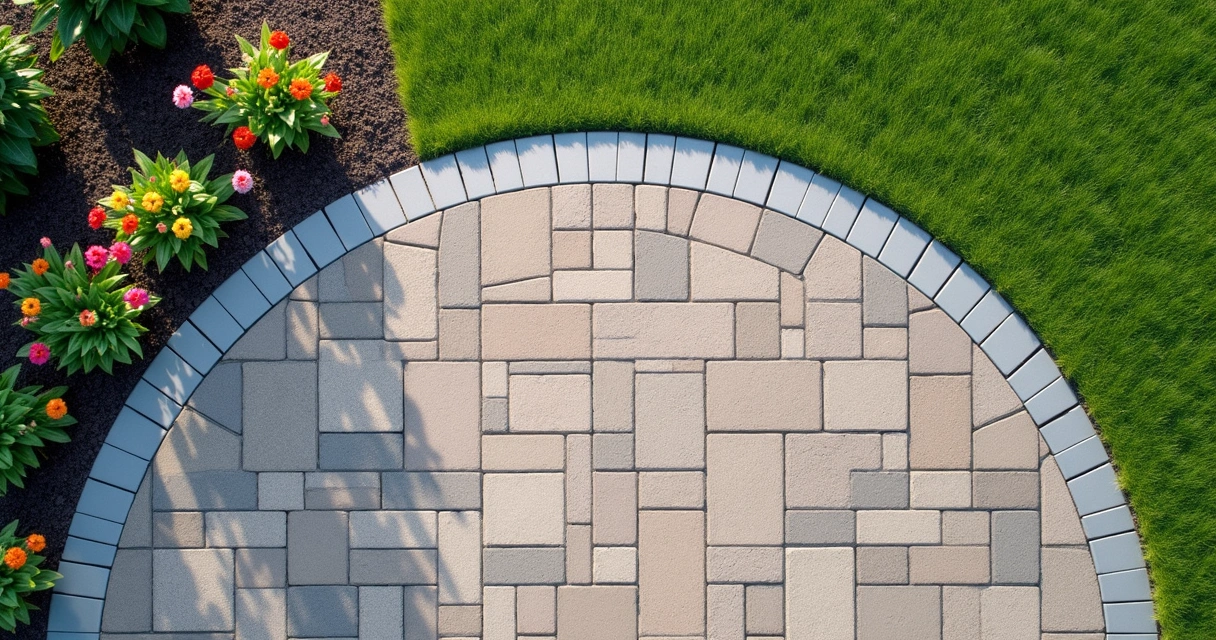 Concrete edge restraints: The “mortar curb” option
Some paver jobs—especially high-end driveways or patios meant to last decades—are finished with a poured-in-place concrete “curb” along the edge. This can be shaped to match the paver height, trowel-finished for neatness, or formed as a hidden restraint just below the surface.
Pros
- Permanent, won’t shift or rot
- Withstands vehicle loading and mowing better than plastic/metal
- Blends well with cement paver color or can be left hidden
Cons
- More labor and materials add cost
- Can crack if not properly reinforced or if drainage is poor
- Repairs are more invasive if the curb is damaged or sinks
We often suggest concrete edge restraints for driveways where nothing else will hold up to big trucks or frequent vehicle turnarounds. Our crews follow FHWA curb guidelines for shaping the restraint to shed water away, which also helps prevent base erosion and heaving.
Proper prep is everything. On Florida’s soft soils, that means compacting a minimum 6-8″ sub-base and sometimes adding rebar for long runs.
Brick or soldier course edging: Beauty, tradition, and performance
The “soldier course” refers to an edge row of bricks, pavers, or stones laid perpendicular (or parallel, depending on design) to the main pattern. Often, these are set on a thicker bed of concrete or mortar to create a more solid, continuous edge. This method is historically used in Europe and throughout the United States, even credited with reducing vehicle speed and beautifying city streets according to studies at the National Center for Biotechnology Information (NCBI).
Benefits
- Visually striking ribbons or borders
- Works as both edge restraint and design element
- Well-installed soldier courses are very resistant to shifting
- Easy to match with the main paver field
Weaknesses
- Higher cost due to labor and material
- Less effective if installed only on sand (mortar/concrete bedding improves performance)
- Grass/weeds can intrude if not sealed
When we set a soldier course at GCM Best Services, we do it on a strong bed of concrete and sometimes add a hidden plastic or steel edge underneath for double support. It’s not just strong—it looks fantastic and satisfies strict HOA rules about curb appeal in many Orlando developments.
Learn more about our best practices for edge layouts and integrated lighting in our hardscaping guide.
Hardscape curb and integrated masonry: The ultimate edge?
Some projects demand the strongest possible edge—think pool decks at luxury resorts, urban plazas, or HOA community entries. For these jobs, we build a true masonry curb: a concrete block or stone barrier at the outer edge, sometimes topped with natural stone, brick, or paver.
- Literally unmovable (when built right)
- Custom profiles and heights to match landscape features
- Withstands impacts, vehicle pressure, and soil movement for decades
Of course, cost and complexity are high. But if your paver project sits on a hill, borders a sloped yard, or needs “forever” durability, this is the way to go. Plus, hardscape curbs double as decorative elements, and can integrate lighting, house numbers, or drainage features for added value.
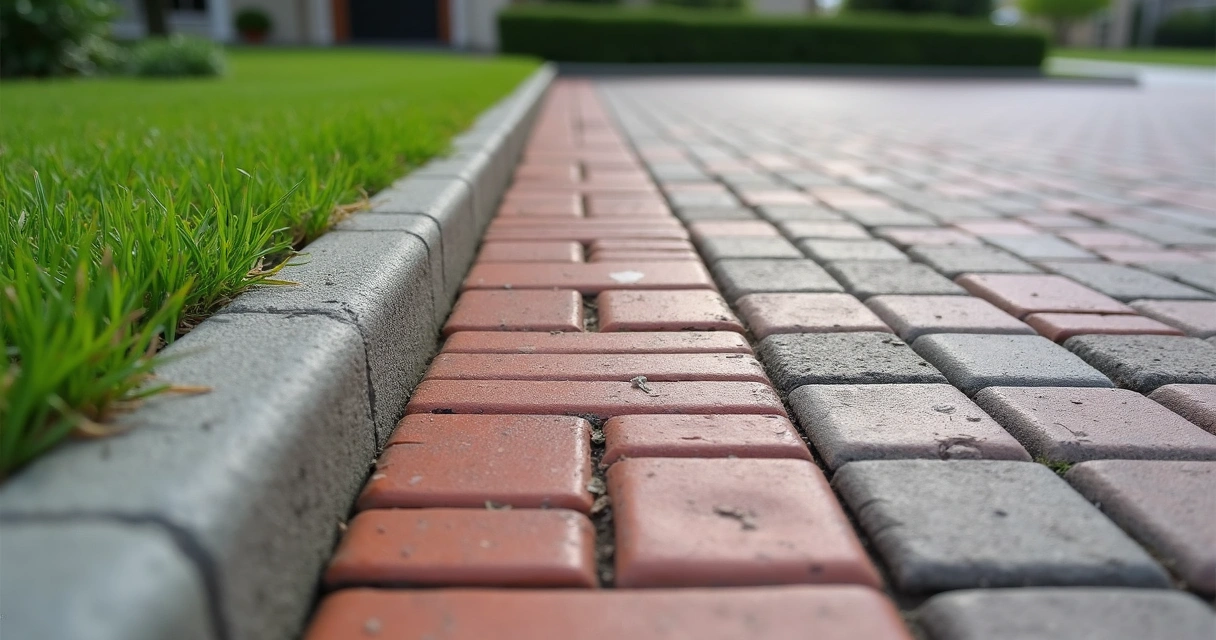 Proper installation: The overlooked factor in edge stability
No matter how strong your edging, it has to be supported by a stable base and regular drainage. We believe this often matters more than the edging material itself.
Here are a few field-tested tips drawn from our projects at GCM Best Services:
- Always excavate and compact the foundation beneath the edge deeper than for the main paver field—6″ minimum for patios, 8–10″ for driveways, with proper sub-base
- Lay edge restraints against fully compacted aggregate, not just soft sand
- Stake or anchor edges deeply and more frequently than the manufacturer suggests if working with sandy soil (avoid long gaps between stakes)
- Incorporate drainage slopes and outlets at the edge to avoid water pooling and soil washout
- Seal or finish the edge restraint as needed to prevent infiltration and weed growth
Following these steps dramatically reduces the chances of paver shifting, even during the intense storms common in Central Florida. You’ll also benefit from reading our article on drainage for brick paver installations for specifics on keeping edges dry and stable.
Which paver edging prevents shifting best?
We’re often asked for a one-size-fits-all answer. In truth, the “best” edging depends on your unique needs. However, in our experience:
- For driveways and heavy traffic: Concrete edge restraints (poured or precast), or a properly built soldier course on a mortar base, are hard to beat. Adding a concealed steel edge underneath is even better.
- For patios, walkways, low-traffic surfaces: Aluminum edging, if staked correctly, balances neatness and durability. Well-installed PVC will work for small areas, but not for driveways.
- For luxury, zero-tolerance installations: Hardscape curb or integrated masonry provides maximum stability and design flexibility.
Backing up this real-life knowledge, guidelines from the Iowa Department of Transportation reinforce that where driveways or large areas are placed against curbs or pavement, a proper edge course is required for full stability. Meanwhile, national safety research from the Federal Highway Administration found that even simple shaped pavement edges (“Safety Edge”) improve longevity and reduce hazards at minimal additional cost.
Above all, no edging material will compensate for poor base preparation. This is the unglamorous part of every paver installation that few homeowners see—until problems appear years later.
Special considerations for Orlando and Central Florida projects
Why does this region deserve special mention? The soils in much of Orlando and nearby areas are very sandy and drain quickly—sometimes too quickly—while high water tables and torrential summer rains can cause base settlement or washout. Edges need extra protection. Here’s what we focus on for local jobs:
- Use longer stakes or pins for plastic, aluminum, or steel edging in soft soil areas
- Add weed barriers and polymeric sand to joints to discourage plant growth
- Integrate subsurface drains near edges on sloped sites or low points
- Consider a thicker edge restraint and extra compaction for driveways or spots near street gutters
Our article on preventing weeds between pavers has tips that apply directly to keeping edges clean and looking sharp over time.
We have also found that using a “beveled” concrete edge—shaped to direct water away per FHWA guidelines—further helps avoid ponding and ground movement that can ruin even the best edge material over the years.
The role of edging in safety and aesthetics
Aside from preventing shifting, the right edge can actually make outdoor spaces safer and more beautiful. Edges discourage wheels from rolling off, keep sand in, and help those walking or pushing strollers stay safely on the path. Edges done well can create boundaries that slow traffic, frame flowerbeds, or tie together lighting and turf for a holistic outdoor room.
Historic paving materials—brick, stone, and curb borders—can even work to naturally slow traffic and improve pedestrian safety, according to scientific research on urban paving.
If you want a truly integrated, attractive edge, talk to us about tying in artificial turf, lighting, and drainage features that boost performance while enhancing curb appeal.
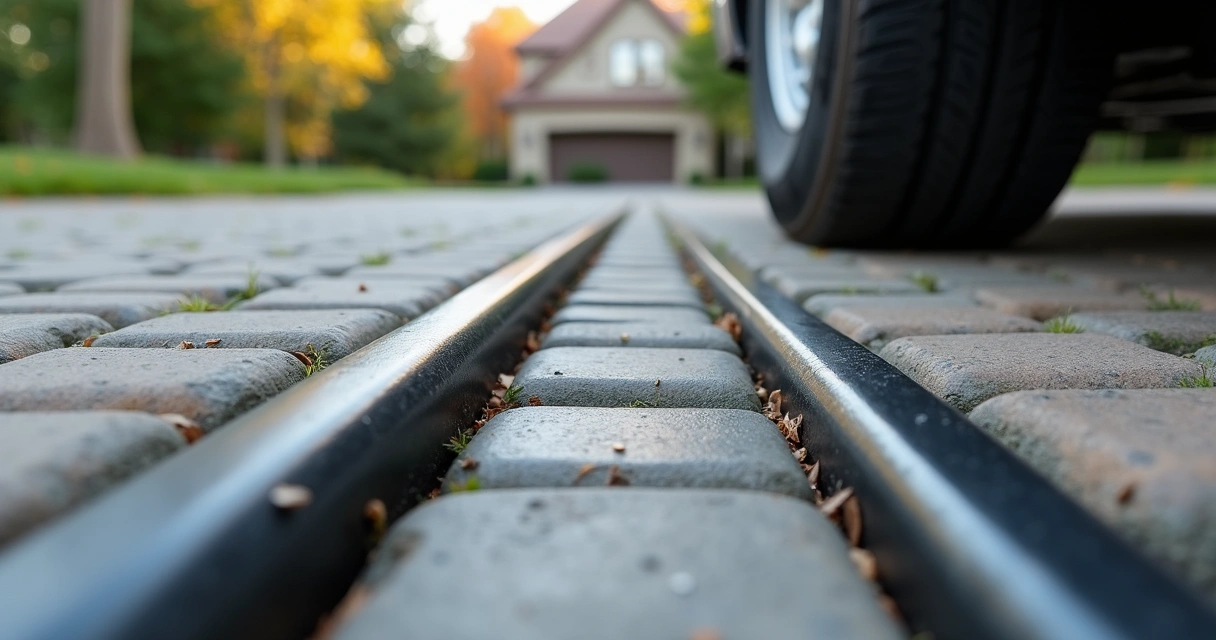 Our process at GCM Best Services: Quality through every step
We get it—a smooth, lasting paver surface is more than just attractive stones. From the first site visit, we assess soil conditions, traffic needs, and drainage patterns. Our standard process for paver edging includes:
- Thorough site prep, including proper excavation and sub-base compaction suited for Central Florida soils
- Edge selection based on usage, budget, and long-term expectations
- Installation of edge restraints using the best anchors and materials for each job
- Integration with lighting, turf, drainage, or hardscape as needed
- Final inspection, with photos and a written warranty for your peace of mind
We document each project with photos and always provide clear communication about how your edges were built. If you want to see examples or get more technical, check our hardscaping project gallery—real results, locally.
Conclusion: Picking the right edge for peace of mind
In every project, the choice of paver edging isn’t only about cost or appearance—it’s about how your investment performs over years of weather, use, and the unique challenges of Central Florida landscapes. At GCM Best Services, we recommend edge options tailored to your space, soil, and needs, always following best practices from the leading industry research. The “best” edge is the one installed right, for the right job, with the future in mind.
If you’re planning a new paver surface or want to upgrade an aging installation, don’t leave edging up to chance. Let’s talk about the perfect solution for you—and get your space looking better and lasting longer, with less worry, all backed by our local experience and warranty.
Ready for a professional quote? 📞 (407) 250-1948 • 24–48h • Orlando, Tampa & area.
Frequently asked questions
What is the best paver edging material?
The best paver edging material depends on the application. For driveways and heavy-traffic areas, we recommend poured concrete edges or a soldier course (brick or paver row on mortar or concrete). For patios and walkways, high-quality aluminum or steel edging is a strong pick if staked well. For luxury or high-durability needs, hardscape curb or integrated masonry edging wins for both strength and appearance. Always consider soil conditions and future maintenance when choosing.
How to stop paver edging from shifting?
To stop paver edging from shifting, start with a stable, compacted base. Use longer or more numerous stakes, especially in sandy Central Florida soils. Choose a restraint suitable for the paver’s use (driveway vs. patio). Add concrete or mortar bedding for extra holding strength. Make sure the edge ties into any existing curbs, gutters, or pavement. Finally, keep drainage directed away from the edges to avoid soil washout or settling.
Is plastic or metal edging better?
Metal edging (aluminum or steel) usually outperforms plastic in strength, durability, and lifespan, especially for high-traffic or vehicle areas. Plastic (PVC) edging can work for light-use paths or patios, but tends to deform or lift if not staked very securely or if subjected to heavy loads. Metal edges resist UV breakdown, hold tighter lines, and anchor better in soft Florida soils when installed correctly.
How much does paver edging cost?
Paver edging costs vary widely depending on material, installation method, and project size. As of this writing, basic plastic edge can run $2–$5 per linear foot; aluminum $4–$8; steel $5–$10; and poured concrete or soldier course $8–$18+ per foot, installed. Integrated hardscape curbs are the most expensive, but also the longest lasting. Local material prices and site conditions can nudge costs higher or lower. We always include a full estimate, with photos, before starting any project.
Where to buy durable paver edging?
For the highest quality and longest-lasting results in Central Florida, we recommend sourcing paver edging directly through contractors like GCM Best Services, who use only tested, project-appropriate materials. General hardware stores may offer basic PVC or aluminum options, but specialty suppliers and professional installers provide access to commercial-grade, warranty-backed products and ensure correct installation. Want guidance or sample options? We’re glad to help—just ask during your consultation.
Can you be more specific about the content of your article? After reading it, I still have some doubts. Hope you can help me. https://www.binance.com/id/register?ref=UM6SMJM3