Preparing for a concrete project in Central Florida means more than choosing the right finish or planning eye-catching outdoor spaces. In 2026, transforming driveways, walkways, patios, or slabs demands that each project is “permit-ready”—from the first sketch to the final walkthrough. Whether for residential or commercial properties, knowing the right steps can help clients avoid expensive delays and ensure a longer lasting result. At GCM Best Services, we’ve seen what works in the field and what causes headaches. Below, we share our time-tested approach for delivering permit-ready, code-aligned concrete solutions for Central Florida’s unique soil and climate.
Every great surface starts beneath the ground.
This is our proven, hands-on guide for 2026. Each step aligns with current codes, recent legislative updates, and our experience in Orlando and surrounding communities. We also weave in updated state requirements to make sure you’re not caught off guard by the evolving regulatory landscape.
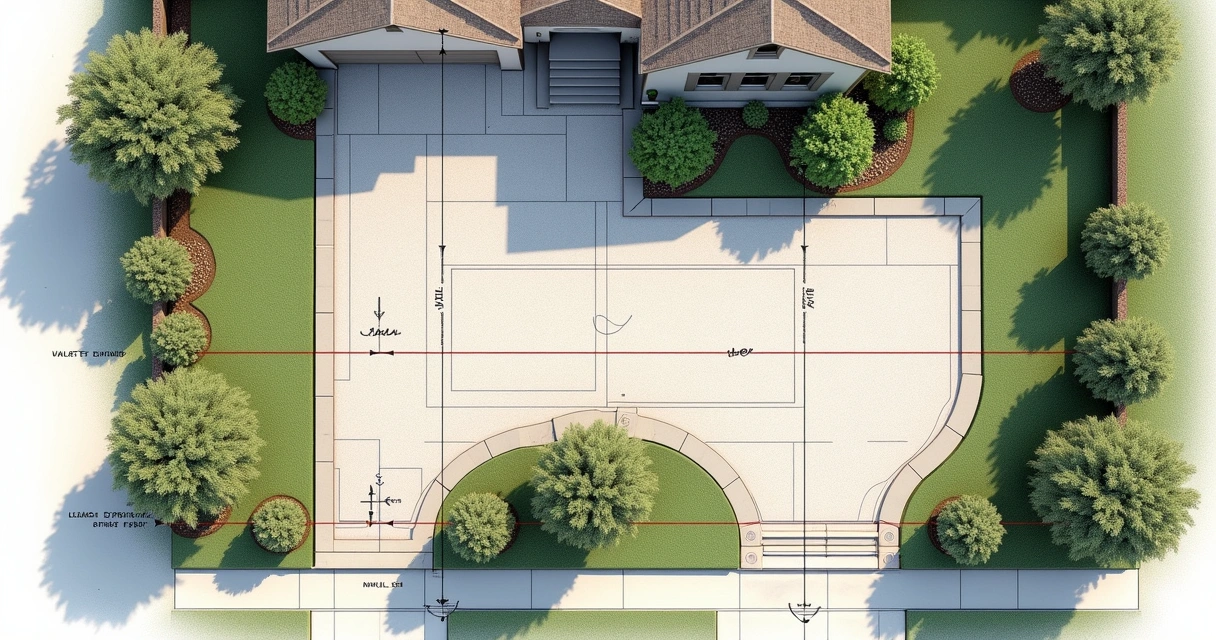 1. Define your project scope and site plan
Before moving a shovel, we always start by asking what problem we’re solving and what outcome you want. Deciding “why” helps focus every “how” for your concrete project. For many homeowners and property managers, the triggers might be replacing cracked driveways, extending patios for additional seating, or meeting strict property accessibility requirements. Commercial clients might need smooth truck aprons or ADA-compliant walkways. Each goal comes with its own set of rules for code, drainage, and final inspection.
- Clarify the type and size (driveway, patio, sidewalk, event pad, slab for structure, parking lot)
- Draw a site plan, either yourself or with our support. We flag setbacks, property lines, right-of-way access, and existing structures.
- Note all utilities and drainage features—the smallest mistake can lead to big surprises down the road.
- Decide on finishes early—broom, stamped, exposed aggregate—since stamping will require deeper base prep and added detail on plans.
Clear communication in the initial scope meeting cuts down last-minute permitting changes and helps everyone—from homeowners to inspectors—understand project limits.
Common questions at this stage
- How close can we pour concrete to the property line?
- Will impervious surface rules affect approval?
- Do you have HOA limits or drainage easements?
These early details, when marked on your site plan, become vital in the coming steps.
2. Check zoning, utility, and environmental requirements
The fastest way for a concrete project to stall? Missing a utility or zoning detail. Florida is strict: you must respect environmental and underground service requirements. We recommend:
- Calling 811 for a utility locate before finalizing plans—a buried fiber line or gas main can shift the scope dramatically.
- Consulting with local zoning or city planning departments. Some cities, especially around Orlando, now require specific runoff and stormwater notes even for driveways and patios.
- Verifying if the property is in a floodplain or a protected wetland zone.
For sites disturbing over one acre, you’ll need coverage under the Florida Department of Environmental Protection’s NPDES Construction Generic Permit. This requires a detailed stormwater plan and proper erosion controls. Even smaller jobs may prompt questions about water flow, especially in neighborhoods with past drainage complaints.
Skipping these checks can result in permit denials, stop work orders, or worse—having to remove and redo completed work.
Details we always double-check
- City or county flood maps
- Stormwater retention drawings for new developments
- Applicable overlays (historic district, urban core)
- Required green-space ratios or performance bonds
GCM Best Services staff routinely gathers this documentation, and we guide clients through it step-by-step. In our experience, showing clear plans for environmental protection—no matter the project size—makes for a much smoother permitting process.
3. Prepare code-compliant construction documents
Now comes paperwork. Every city and county in Central Florida works from Florida Building Code Chapter 553 guidelines, but each jurisdiction adds its local flavor. In 2026, full permit sets for driveways and slabs must often include:
- Stamped site plan or drawing, scaled and dimensioned
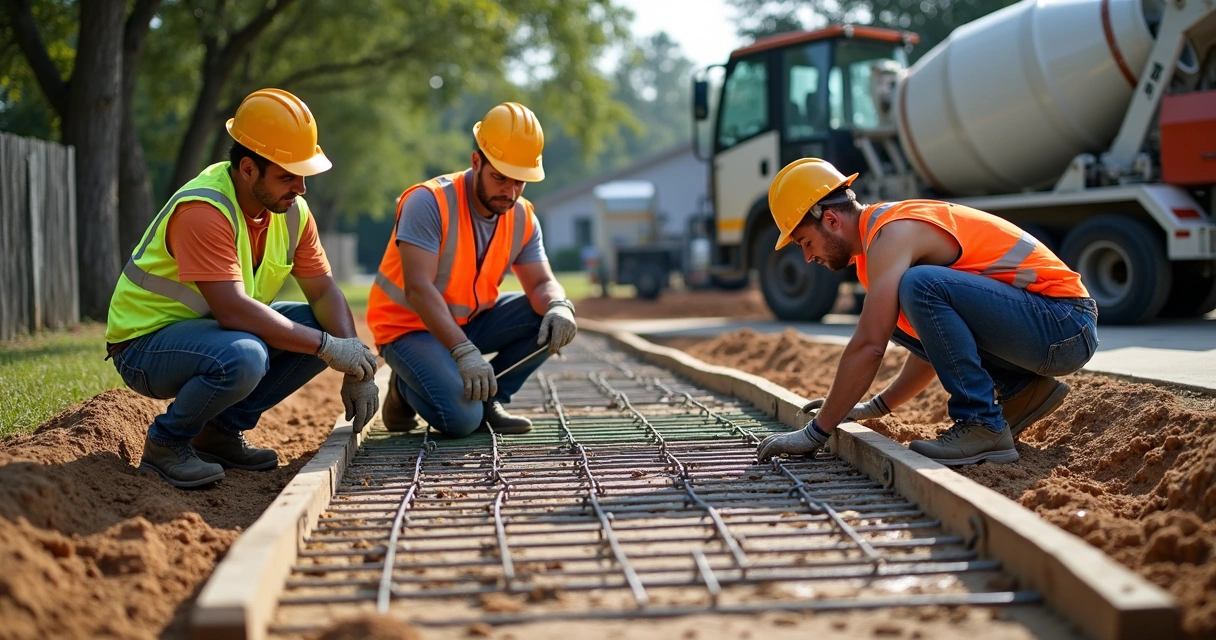
- Material specs: Sub-base thickness, concrete mix PSI, reinforcement details (rebar or mesh)
- Structural details for adjoining structures—especially when the slab supports a carport, screen enclosure, or wall
- Drainage notes and finished slope requirements
- Details about control, expansion, and isolation joints
- List of any decorative finishes or embedded features (lighting, sensor wires)
For commercial pours, disability access details (ADA slopes, tactile warning strips) are required even for outdoor surfaces, not just interior projects.
Florida Building Code is very specific on psi and reinforcement for slabs supporting structures. For example, footings for pool screens or shade structures need “special inspection” status and often require a separate foundation permit. According to Florida statute 553.79, plans without these details will be rejected—even preliminary permits demand structured review. We’ve learned to gather these specs upfront, never after submission.
 Which documents can you prepare yourself?
- Simple annotated sketches for small residential jobs (city-dependent)
- Photos of site with key features labeled
- Permit applications with scope-of-work written clearly
For anything more complex—or where a structure will sit atop the slab—we recommend letting our team or a licensed design pro create technical drawings. It avoids rework and aligns all details before application.
4. Organize and submit your permit application electronically
As of 2022, Florida statutes support digital submissions for building permits, provided each is signed with an electronic submission statement (penalty of perjury applies). In 2026, nearly all Orlando-area municipalities will require digital plans and forms via their online portal. This modern approach helps reduce permit office delays.
Our company always uses the following workflow:
- Gather digital files (PDF preferred) of drawings, specs, erosion control plans, and images of the property.
- Fill the correct county or city application—but don’t forget to check if HOA review is also needed.
- Sign and attach the required affidavits: property owner’s permission, right of way use, stormwater compliance statements.
- Submit the full packet via the official portal with electronic signatures and the correct permit fee.
Double-check every digital form for missing signatures or out-of-date insurance—these are the main causes of application holds in our experience.
One noticeable benefit: under Florida statute 553.792, local building departments must review and act on permits for most concrete structures within 30 to 60 business days, depending on size. Municipalities that miss deadlines now face fee penalties, so your approval doesn’t get lost in the shuffle.
What about resubmittals?
- If the municipality requests clarifications or corrections, reply digitally and keep correspondence organized.
- Once issued, print the permit package (if instructed) and post on site before starting any work.
We keep digital and paper copies backed up—because permits need to be available at every inspection point.
5. Prepare the site to code and schedule inspections
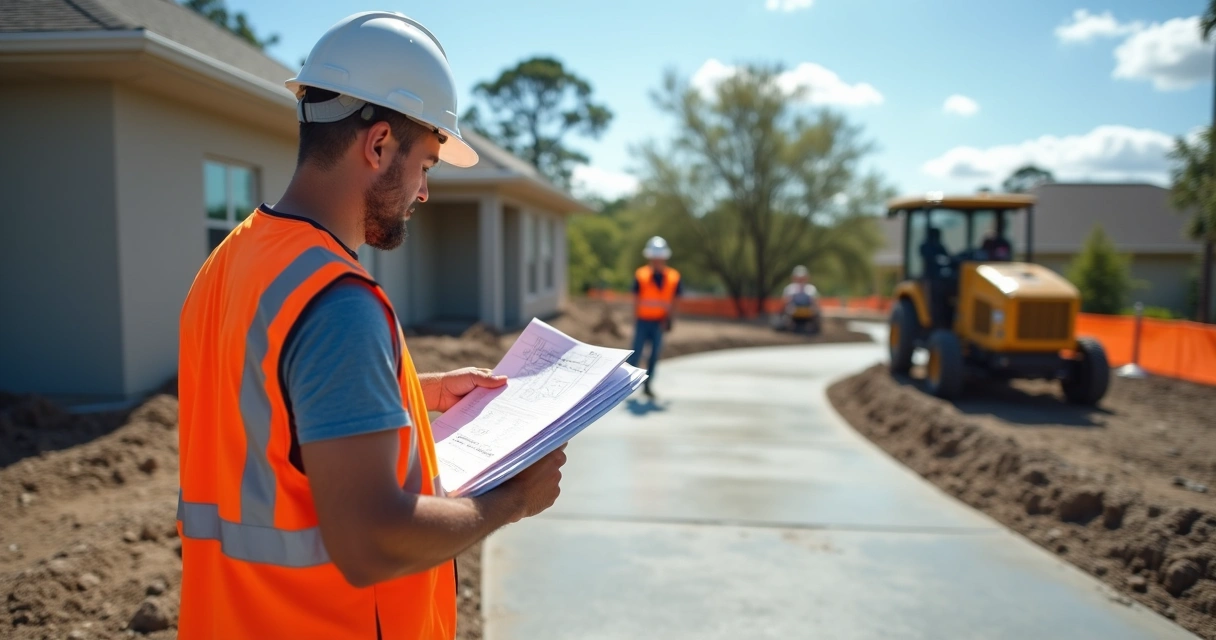
Now the real action happens in the field—but only after the permit is secured and posted. Here’s how our foremen ensure each GCM Best Services project meets current code:
- Mark layout with paint or stakes, confirming all setbacks and permitted dimensions
- Excavate to required depth (typically 6–8 inches below finished grade)—checking for unmarked utilities
- Compact sub-base; for Florida soils, we never skip this, as sandy, unstable ground needs special attention
- Install forms and reinforcement according to plan—no improvisations in field, as inspectors want to see “code as drawn”
- Apply any erosion controls (like silt fence) if needed, even for smaller properties when rain is imminent
We always photograph every stage—for both customer records and to prove to inspectors that work was continuous and code-compliant.
Extra prep always beats last-minute repairs.
Then, the initial inspection (sometimes called “form board” or “sub-base” inspection) must be scheduled through your permit portal. Inspectors check conformance to plans, verify setback, compaction, and reinforcement, then clear the pour. Scheduling requires 24-hour notice in most jurisdictions; we always plan enough slack to avoid rushing this. Any corrections from inspection must be addressed before moving forward.
 Working with HOAs or special overlays
Many Orlando-area neighborhoods now require HOA approval before or in tandem with permit issuance. These agencies can have their own specs on finishes and even wet weather disturbance, so we align all documents and give copies to the HOA board as needed.
6. Place, finish, and protect the concrete for inspection and longevity
Pour day arrives. For permit-required pours, every step gets documented. Here’s how we handle it at GCM Best Services:
- Verify site conditions match approved plan—inspectors may stop by at any time
- Deliver specified mix (3,000–4,000 psi, often certified by batch ticket in case city wants confirmation)
- Place concrete, striking off and screeding for final grade (minimum 2% slope away from structures if required)
- Install joints as drawn—control (to prevent random cracks), expansion (near hardscapes or abutting walls), and isolation (around columns or posts)
- Apply finish: broomed for slip resistance, stamped or exposed for decorative projects (with attention to release agents and depth)
- Cure concrete; cover as needed to protect against sun, wind, and unexpected rain common to Florida
We keep records of batch tickets, photos during and after pour, and notes on the weather—inspectors sometimes want evidence if defects appear post-pour.
After initial set, the final inspection is called in, typically within 24–72 hours. Cities may require proof that all debris is removed, forms taken up, and site is safe for use.
Don’t skip curing and protection
- Start curing immediately to prevent surface cracking—our crews often use a curing compound or water spray, especially in Orlando’s heat.
- Protect new concrete from vehicles, foot traffic, and sprinklers until inspection is cleared and strength is achieved (usually 7–14 days for standard drives).
As soon as the final inspector signs off, remove signage, grooved lines, and any temporary fencing.
7. Keep a detailed record, manage warranty, and plan maintenance
The permit journey doesn’t end at final inspection. A complete record helps resolve warranty claims, supports resale, and makes HOA/city reviews smooth for years to come. Here’s our protocol at GCM Best Services:
- Deliver a written warranty (including slab location, thickness, and structural details)
- Provide finished photos and all inspection tags to the customer
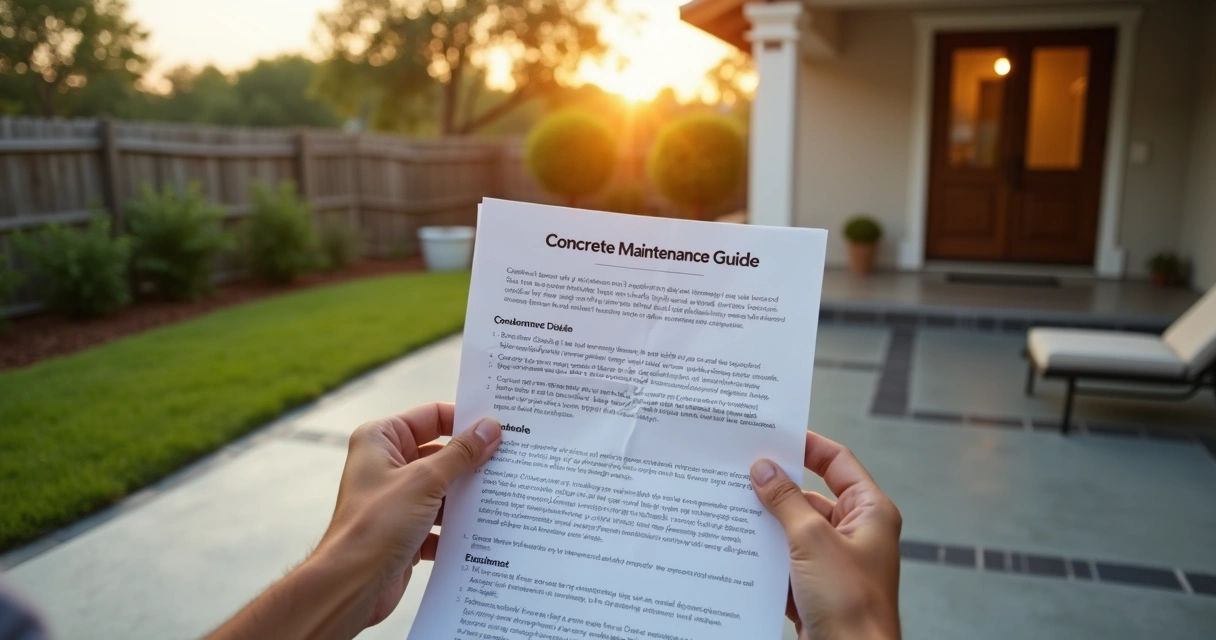
- Share maintenance tips for Central Florida (handling stains, pressure washing, sealing intervals, and addressing minor cracks)
- Archive a copy of all permit documents—digital storage is best, though some HOAs still want paper records
- Send out “care reminders” at key intervals (like re-seal prompts after 1–2 years for decorative surfaces)
Many property owners forget this last step, but written records and photo archives can save months of aggravation if you ever need to prove compliance, settle a neighbor dispute, or plan a future addition.
 Adapting to new Florida permit laws in 2026
Anyone starting a project this year should know that the Florida legislature updates building statutes frequently. In 2026, thanks to several key laws:
- Permit application timelines are now enforceable, forcing faster turnaround for both homeowners and developers
- Electronic submission rules allow for email and online plans, streamlining paper flows and enabling digital signatures
- Plan review requirements are stricter: every structural slab, even “preliminary only,” must follow updated standards
- Annual reporting under Florida Building Code statutes means cities now track approval and inspection numbers, driving better accountability
This environment favors those who prepare. At GCM Best Services, we keep a close eye on law changes and digital process rollouts—so clients aren’t the ones learning the hard way. If you have questions or run into shifting requirements mid-project, our team helps you steer through with real answers, not canned replies.
Planning ahead for future expansions or upgrades
Even if you’re just pouring a single section this year, thinking ahead can save time and money for future work. We help clients by:
- Pouring thicker “future pads” for later carports or screen enclosures
- Leaving conduit or sleeves in place for possible lighting, drainage, or irrigation
- Documenting all slopes, subsurface pipes, and power lines on the “as-built” plan, to make additions easier to permit
- Marking critical features (like control joints) for later reference during repairs or extensions
Small planning now translates to a smooth permitting path if, for example, you turn a patio slab into a full screened room next season. Plus, showing thinking ahead helps with HOA or building board discussions—no surprises means fewer objections.
Summary: The road to a permit-ready project in 2026
Here’s the truth: Nothing ruins a great concrete pour faster than skipping a permit step or missing a code detail. Our 20 years working across Central Florida, from Orlando’s downtown bungalows to sprawling business parks, has shown us that preparation pays off every time. This 7-step approach—scoping, checking zoning and utility, assembling code documents, submitting digitally, prepping the site, meeting inspections, and archiving records—keeps stress low, pricing honest, and surprises rare.
It costs less to prepare than to repair.
If you have a driveway, patio, or slab project coming up in Orlando or the wider Central Florida region and want the work done with the latest compliance and care, GCM Best Services stands ready to help. Our process saves you time, money, and those “what next?” moments when it comes to permits and code.
Ready for a professional quote? 📞 (407) 250-1948 • 24–48h • Orlando, Tampa & area.
Plan, pour, and enjoy—with GCM Best Services on your side.
Internal links
- Concrete driveways, patios & slabs
- Drainage solutions in Central Florida
- Screen enclosures & summer kitchens
- Epoxy floor coatings for garages
Meta title & meta description
Meta title: Permit-ready concrete projects: 7 steps for Central Florida 2026
Meta description: Learn the 7 steps for permit-ready concrete driveways, slabs & patios in Orlando. Comply with Florida codes in 2026 & avoid costly delays. Serving Central Florida.