Rust stains on outdoor concrete often appear as unsightly orange or brown blotches. They not only affect a property’s look but also hint at deeper problems. Here in Central Florida, with our humid air and sudden storms, these stains can show up fast—and stick around. In our work at GCM Best Services, we’ve seen many well-meaning property owners try shortcuts. Some help for a while. Most don’t last. So, how can you get ahead of rust stains and keep concrete looking its best, year after year?
We’ll take you through the practical steps, product choices, and smart routines that, when used together, really work. Our experience tells us: most stains can be avoided by doing things right from the start—then maintaining with some simple habits. But first, it helps to know exactly where these stains come from and why Central Florida presents special challenges. Let’s walk through what we’ve learned, job by job, and see how you can prevent rust before it ever has a chance to settle in.
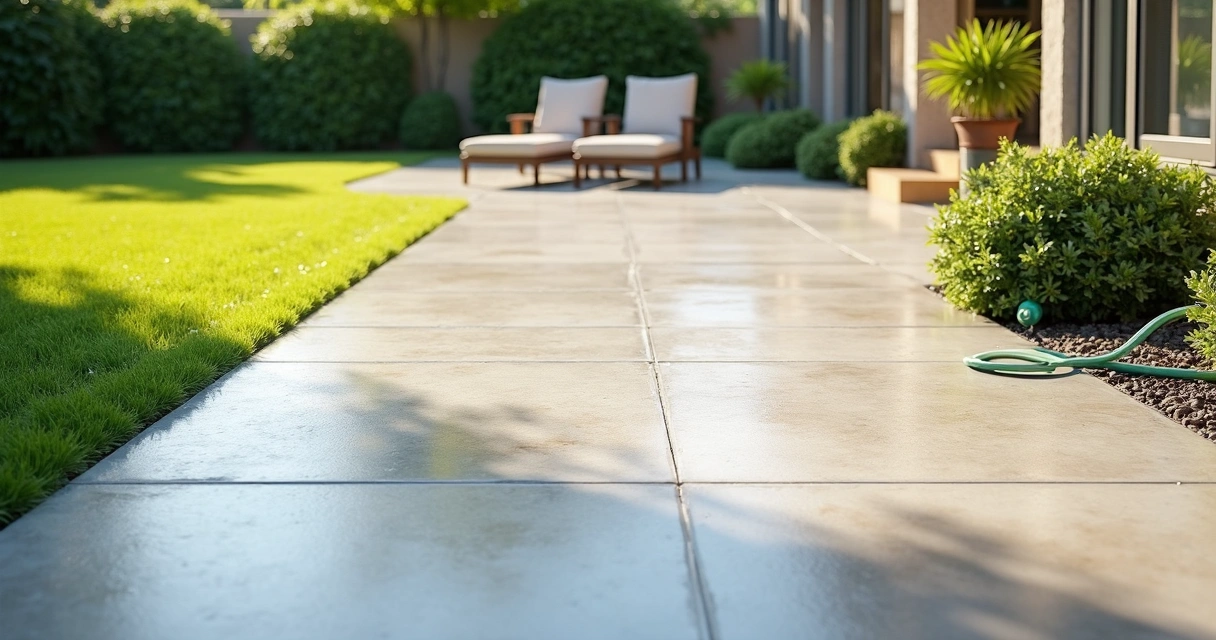
Why do rust stains appear on outdoor concrete?
Before we look at solutions, let’s focus on where these stubborn marks come from. In almost all cases, three sources turn up in Central Florida patios, sidewalks, driveways, and pool decks:
- Embedded metals: Rebar, mesh, bolts, or even small fragments left in or under the slab can rust over time.
- External sources: Patio furniture, tools, sprinkler heads, fertilizers, and vehicles can all leave rust marks if left in place during wet weather.
- Water contaminants: Well water with heavy iron content, or runoff carrying dissolved minerals, can deposit iron on the surface.
Rust forms whenever water, oxygen, and iron combine for long enough. On concrete, this process is more common than you might think.
According to information from the GSA’s resources on poulticing iron rust stains from concrete, three pathways cause these stains: rusting steel inside or on the slab, iron in curing or irrigation water, or iron sulfide minerals in the aggregate itself. So, knowing which one is active at your site is key to picking the right fix and prevention strategy.
Are some concretes more likely to stain in Florida?
We get this question a lot in our assessments. Our answer draws from both years of hands-on work and construction research specific to our region. Yes, some mixtures and installation methods are riskier than others.
- Poorly compacted sub-bases mean water pools under the slab, raising odds for rebar rusting—especially with our sandy or silty soils.
- Low-quality or recycled aggregates might contain bits of iron or pyrite. When these react with rain, rust stains form from the inside out.
- High water-to-cement ratios in the mix can cause the concrete to be too porous, so it stays damp after storms, keeping conditions ideal for rust.
- No vapor barrier or weak drainage is a red flag, especially for patios and pool decks in flood-prone neighborhoods.
Even strong, well-finished concrete can stain if metal items are left outside for long, or if irrigation is set too high. But freshly installed surfaces—like new driveways, slabs, and walkways—should not show rust in the first year or two. If that happens, something in the mix or method has gone wrong. Our process at GCM Best Services, for instance, always starts with compacted sub-base, high-grade 3,000–4,000 PSI mixes, and specified steel protection. If you ever want to compare installation methods, our guide on installing driveways and patios in St. Cloud explains how we approach these details for Central Florida soils.
First steps for preventing rust stains: Design and planning
Choosing the right materials
Planning ahead can stop many rust stains before they begin. These are decisions that happen long before a drop of water ever hits the concrete. When we take on a project at GCM Best Services, we look at every material and fastener that could eventually see rain, fertilizer, or lawn chemicals. What do we focus on?
- Rebar and mesh: Hot-dipped galvanized or epoxy-coated steel is much less likely to rust, especially in environments with lots of moisture.
- Fasteners and connectors: Per guidance from Purdue Extension’s advice on outdoor construction materials, the use of high-quality galvanized, stainless steel, or aluminum fasteners prevents premature rust at anchor points—while poor-quality nails can fail in months.
- Aggregates: Select non-reactive stone and sand for the mix. This helps avoid stains from iron sulfide minerals later on.
- Sealants and surface hardeners: Products made specifically for Florida’s changing weather help to slow water ingress and protect below-the-surface steel.
These choices might cost a little more at first, but avoiding the need for future stain removal or costly repairs almost always saves money in the long run.
Drainage matters more than you think
Another hard-earned lesson from Central Florida: poorly drained concrete is far more likely to develop rust stains, especially at joints or low spots. Our typical patio or driveway setup at GCM Best Services includes:
- Grading for positive drainage—so water flows away from the slab and never pools.
- Designing joint patterns to keep water moving off the surface.
- Integrating French drains, channel drains, or below-grade pipes in tricky areas.
Without these systems, rain sits on the concrete and soaks in. Over weeks and months, this creates ideal conditions for rust to develop, especially in hot and humid months.
Protecting concrete after installation
Sealing: A smart investment for Florida weather
We get afternoon downpours, sudden cold snaps, weeks of high humidity—and sometimes all in the same week. That’s why sealing new or freshly cleaned concrete makes a clear difference.
- Penetrating sealers soak into the pores of the slab, making it harder for both water and iron contaminants to get below the surface.
- Film-forming sealers (like acrylics or polyurethanes) build a slight sheen, adding a physical barrier that’s easy to sweep or rinse off.
- Specialty coatings (think: epoxies or polyaspartics) work for garage floors or warehouse slabs. These products are especially suited for high-traffic areas or where heavy equipment might scratch standard sealers.
Sealing isn’t just about blocking stains, it also slows weathering, protects against fertilizer burn, and can make cleaning much easier after storms or pollen season. In fact, NASA’s promising work on advanced primer coatings for rust inhibition hints at even better long-term protection for exterior steel—and we keep a close eye on these developments for future projects.
Regular maintenance: Small habits that pay off big
Even the best materials and perfect installs benefit from routine upkeep. Here are habits that really work:
- Rinse surfaces regularly, especially after storms, fertilizing, or mower use.
- Move patio furniture, grills, and tools off the concrete when not in use—especially if they’re metal or could corrode.
- Inspect irrigation heads and hoses for leaks. “Hard water” stains often signal iron or mineral-rich groundwater, which can deposit stains over time.
- Sweep sand, leaves, or mulch off the slab to avoid trapping moisture underneath them.
- Re-apply sealer as recommended (every 1–3 years, depending on weather and use).
One of our favorite stories from the field: We saw a client’s driveway stay pristine for years, mostly because they made a habit of quickly wiping up fertilizer spills and moving planters every week. Simple actions really add up.
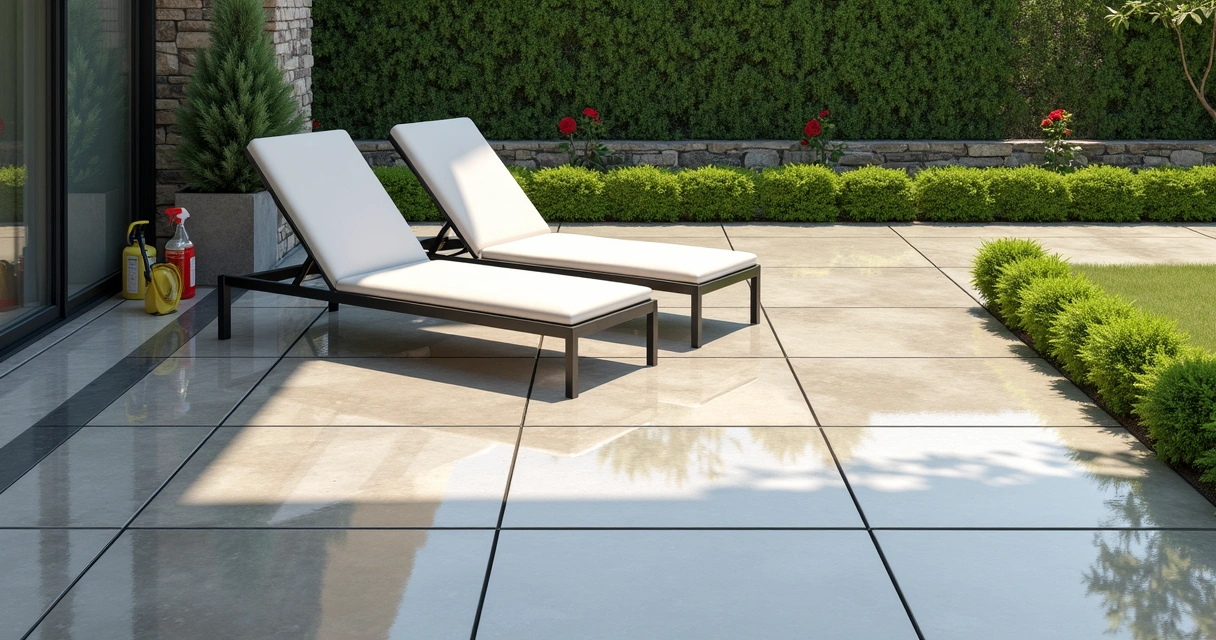
What to avoid: Mistakes that invite rust stains
Experience has taught us that most recurring rust stains can be traced back to a handful of recurring mistakes. Avoid these and you’re halfway to cleaner outdoor spaces:
- Using uncoated steel for patio furniture or fasteners in contact with slabs.
- Allowing fertilizer granules to build up on concrete surfaces.
- Not addressing irrigation leaks or drainage problems quickly.
- Skipping annual cleaning and sealant refreshes, leaving surfaces more porous with each wet season.
- Relying on untreated, recycled aggregates that may introduce iron sulfide minerals into the mix.
Breaking these habits is easier than constant stain removal.
If you want another practical guide for maintenance, our list of concrete repair best practices offers help on how to handle issues before they lead to deeper problems. For expert details, check out our guide to choosing licensed concrete repair contractors in Central Florida.
When deeper protection is needed: Upgrading steel reinforcement
What if your project demands even more protection—perhaps a pool deck upgraded for hurricane resilience, or a commercial slab in a coastal county? That’s where advanced techniques come in. For large jobs, NASA’s electromigration corrosion-inhibiting system offers interesting lessons. Their process drives corrosion inhibitors deep into embedded rebar, especially where normal concrete pH has fallen after years of weather exposure. In Florida’s climate, this idea (while specialized) shows there’s always a way to slow down rust, given the right technical approach.
- For residential needs, we might upgrade to dual-layer rebar, each tied with epoxy or hot-dipped galvanized wire, then protect all exposed cut edges with brush-on primers (see above primer studies).
- Caulk or backer rod at joints can keep water from reaching sub-slab steel.
- For new installs, always ask for vapor barriers and slab edge protection.
We regularly suggest these extras for high-end homes, pool enclosures, and retail sidewalks where stain prevention is non-negotiable. In our concrete patio and driveway recommendations for Florida, these steps can also help with future crack prevention.
How to spot and treat early rust stains
Seeing trouble early
Early detection keeps little stains from becoming permanent eye-sores. Look for:
- Orange, reddish, or brownish marks (often circular, under metal items or dripping points from furniture).
- Streaks running off patio chairs, grills, or railings after a rain.
- Small dark dots, especially near joints or cracks, which can spread with additional rain.
If you catch these marks early, you’ll save time and money compared to deep, set-in stains that reach down into the slab.
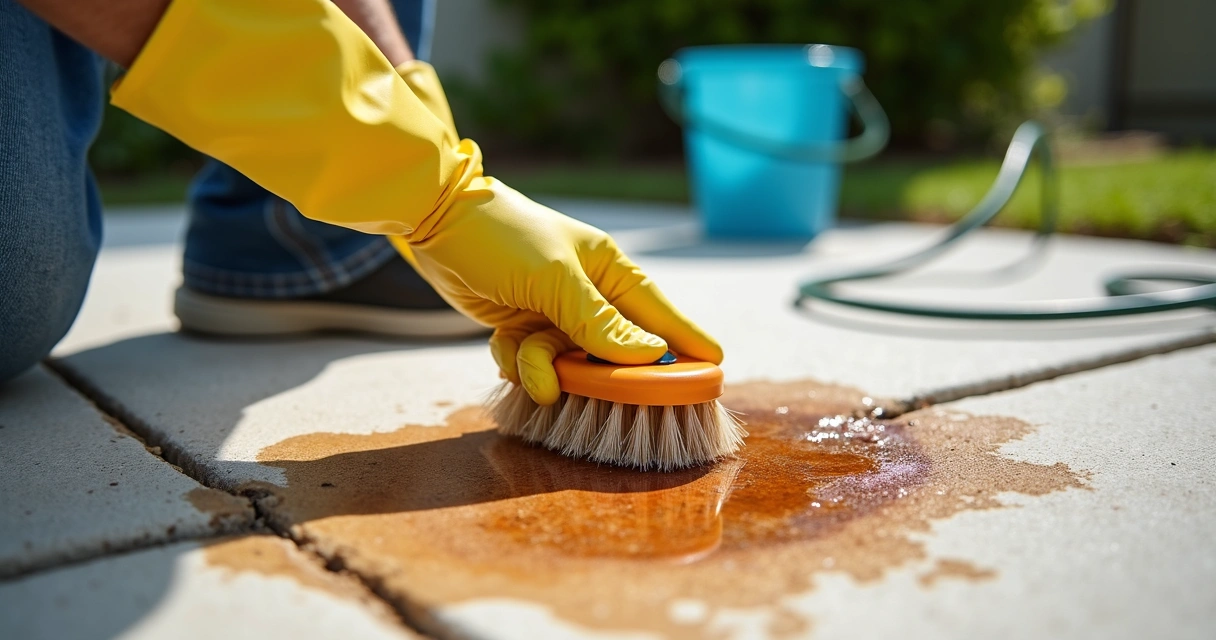
Treating minor rust stains: Safe DIY methods
For small areas of recent rust, we suggest:
- Scrubbing with a stiff nylon brush and a mixture of water and mild dish soap.
- For more stubborn marks, use a poultice technique as detailed by GSA, mixing a powdered cleaner or a mild acid with an absorbent (like powdered clay).
- Always rinse well, and wear gloves and eye protection if using any chemical solutions.
- Never use steel wool or wire brushes; these can leave particles that cause future stains.
For stubborn or recurring stains, professional help may be needed to avoid harming the concrete surface. Our crew at GCM Best Services can advise on stain-specific removers and re-seal the slab if needed.
The value of professional installation and maintenance
Many rust stains come when a slab is poured quickly, or when cheaper materials are used to cut corners. In our own work, from Orlando to Tampa, we’ve corrected dozens of driveways and patios where a bit of planning would have kept the surface spotless. Here’s what a professional approach means for you:
- Permitting, inspection, and clear communication on material selection—avoiding risky short-cuts.
- Keeping photographic job records so you know exactly how each step is completed.
- Written warranties that cover stain resistance and proper maintenance info, so there are no surprises later on.
- Expert advice on cleaning products and sealers chosen for our moist subtropical weather.
- Coordinating drainage, lighting, and landscaping integration—the “hidden” causes of many outdoor stains.
For more info about what goes into every project, including our process and how we manage HOA requirements and city codes, our article on choosing the right concrete company in Orlando breaks down what you should ask before your next outdoor upgrade.
Simple checklist: Keeping outdoor concrete rust-free all year
Quick reference for your maintenance calendar:
- Inspect all concrete surfaces for stains or new signs of rust every season.
- Keep metal items (especially outdoor furniture, planters, and grills) off the concrete when not in use.
- Test irrigation water for iron content if you notice frequent yellow or brown spots.
- Seal all poured surfaces within a month after install—or re-seal at least every two years.
- Sweep and rinse slabs after every major weather event or lawn care application.
- Address drainage issues immediately: pooled water is a warning sign.
Following this checklist prevents most stains and keeps your outdoor concrete looking new for years. If you need more background or want to see other concrete care guides, our concrete blog archive covers dozens of tips and techniques for Florida conditions.
Conclusion: Protecting your investment and outdoor spaces
Life in Central Florida is hard on outdoor surfaces, and rust stains can show up almost overnight if you don’t plan ahead. But with the right materials, good design, and regular care, your driveway, patio, or pool deck can stay clean and attractive for many years. We’ve seen how the right choices at every step—from rebar to sealant—make a visible difference. Working with experts like GCM Best Services gives you both a cleaner look today and peace of mind tomorrow. If you’re ready to protect your outdoor spaces, or want an assessment for your property, we can help from the first question to the last detail.
Ready for a professional quote? 📞 (407) 250-1948 • 24–48h • Orlando, Tampa & area.
Frequently asked questions
What causes rust stains on concrete?
Rust stains happen when iron or steel comes in contact with water and oxygen on or inside a concrete surface. Common causes include embedded rebar or mesh that isn’t adequately protected, contact with metal objects left on the concrete, and water containing iron. In Central Florida, our humid climate and frequent storms make these conditions even more likely. Even fertilizer granules or well water with high iron content can leave rust marks if not managed.
How to remove rust stains from concrete?
Small rust stains can often be scrubbed with a nylon brush, water, and mild soap. For tougher stains, a poultice made from an absorbent material and a mild acid (like oxalic acid) may work, as outlined in GSA guidance for stain removal. Always rinse thoroughly and wear protection. For deep or persistent stains, professional treatment and resealing may be the safest solution.
What products prevent rust on concrete?
Penetrating sealers, acrylic or polyurethane coats, and specialty primers designed to inhibit corrosion can help prevent rust stains. For areas near metal, look for sealers made for heavy-duty or coastal conditions. Advanced corrosion-inhibiting primers (such as those developed in NASA’s research) can protect steel, even if it already has some surface rust. For surface metals, use high-quality rust-resistant coatings and galvanization.
Is sealing concrete worth it for rust prevention?
Yes, sealing is a key part of keeping concrete rust-free in Florida’s climate. Sealers create a barrier in the surface pores that slows down water, salt, and iron from getting below the slab. This limits the chance for rust to start in the first place—especially when combined with smart design, good drainage, and regular cleanup practices.
How often should I clean outdoor concrete?
We suggest rinsing patios, driveways, and walkways monthly during the rainy season, and after any big storm, fertilizer application, or heavy use. For areas under trees or used for grilling, more frequent checks may be needed. Sweep and hose down regularly, and promptly address any stains or pooled water to avoid long-term discoloration.