Primary keyword: prevent tire marks on new concrete drivewaysVariants: stop tire scuffs on fresh concrete, avoid driveway tire stains, protect new concrete from tire marks
Audience: Homeowners and property managers in Central Florida worried about fresh driveways being stained or marked by tires.
Pain/Benefit: Worry about ruining new concrete’s appearance vs. enjoying a clean, strong driveway that looks professional for years.
Summary: Tire marks on a new concrete driveway can be frustrating, especially after investing in a premium installation. Our experience at GCM Best Services helps Orlando and Central Florida clients keep driveways beautiful by sharing expert advice on why tire marks happen, what steps to take before using your new driveway, and proven techniques to minimize and remove marks if they appear. You’ll learn practical, real-world strategies to preserve your concrete’s appearance and strength, referencing the local climate and typical driveway usage patterns.
Outline
- Why new concrete driveways are vulnerable to tire marks
- What causes tire marks: chemistry and physics explained
- Best practices during the curing period
- Sealing your new driveway: protective layers explained
- Preventive measures before parking your car
- Daily care tips to reduce the chance of marks
- What to do if tire marks appear: cleaning options
- Project process at GCM Best Services: Ensuring stain-resistant finishes
- Common mistakes to avoid after a fresh pour
- Long-term maintenance: Keeping your driveway pristine
- Conclusion: Partner with local experts for the best results
- FAQ: Proven answers to common questions
First impressions start in the driveway.
Why new concrete driveways are vulnerable to tire marks
We understand the pride that comes with a newly finished driveway. That bright, clean surface simply shines—at first. But new concrete is still developing strength and hardness during its “curing” phase, which makes it especially vulnerable. Freshly poured concrete is more porous and softer during the initial weeks, allowing tire compounds and oils to press in and sometimes leave lasting marks.
Most clients at GCM Best Services ask if they can use the driveway as soon as it looks dry. Visually, concrete does dry within hours, but chemically, the material continues to gain most of its strength for weeks. That means even light vehicle traffic early on can leave behind dark, noticeable lines that seem stubborn.
What causes tire marks: chemistry and physics explained
Tire marks appear for several reasons. We often see two main culprits when consulting on Orlando and Central Florida driveways:
- Tire plasticizers and oils: Modern tires contain chemicals to keep the rubber pliable. When these meet concrete—especially new, unsealed concrete—the chemicals can migrate from hot tires into the surface.
- Surface texture and porosity: A newly finished driveway may contain tiny air pockets and an open grain, making it easier for tire compounds to settle deeper.
- High heat and pressure: Hot weather and tire friction (especially after highway driving) heat the tires. High temperatures increase the risk of softening the rubber and literally imprinting it on the surface.
- Turning or abrupt stops: Instead of driving straight, sharp turning or turning the steering wheel while stationary puts localized pressure on the concrete, raising the risk of scuffs and marks.
When we troubleshoot marks, we look at the combination of all these variables, as even small actions can change the end result. If your driveway was poured on a humid, very warm day or with little shade, drying happens faster—but that fast drying can leave the surface less resistant to stains and tire impressions.
Best practices during the curing period
The first four weeks (28 days) after installation are key. Most homeowners understandably want to use their new driveways quickly, but exercising patience saves a lot of headaches. Here’s the approach we stand by:
- Keep vehicles off for at least 7 days if possible. Light foot traffic is usually safe after 24–48 hours, but vehicle traffic—especially heavy cars, SUVs, or trucks—should be avoided for as long as practical.
- Extend the wait in hot, humid Florida weather: Because local climate can affect concrete set times, add a couple of buffer days if we have a heat wave or thunderstorms.
- Apply gentle water misting once a day (unless there is rain), especially in drought conditions. This helps control the curing and reduces cracks that could encourage further marking or surface weakness.
We see better long-term resistance to tire marks in installations where the owner is patient during early curing. Even with concrete rated at 3000–4000 PSI (as is standard in our Central Florida projects), the surface can be more easily damaged in these first weeks.
Sealing your new driveway: protective layers explained
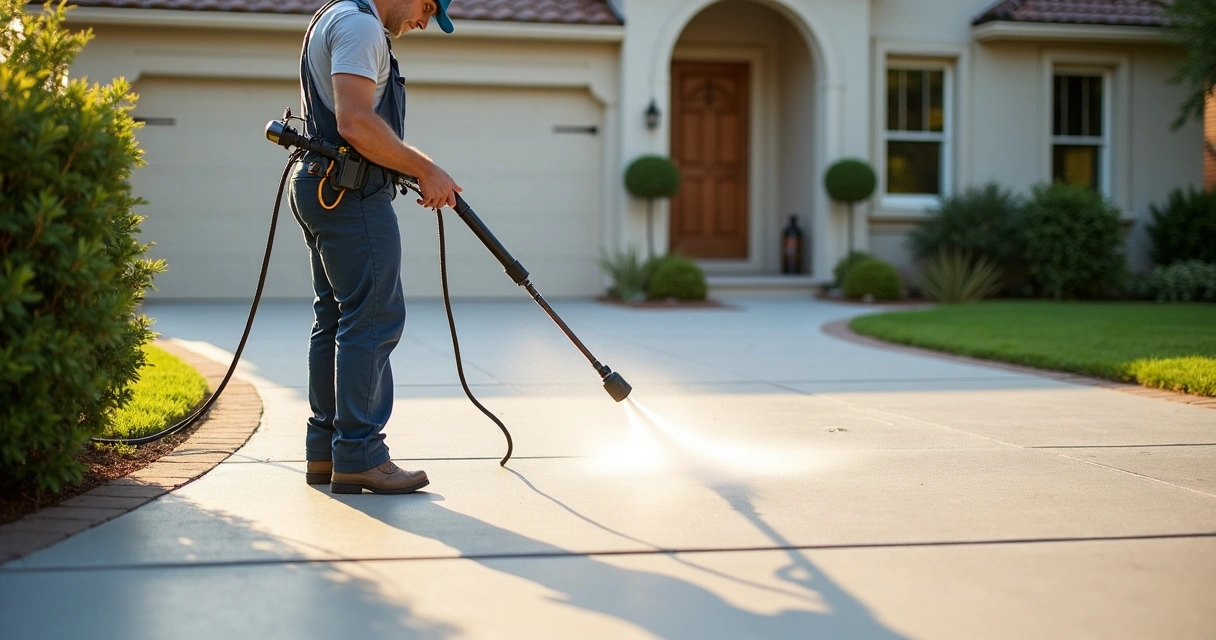
After the initial curing, a quality sealer acts as a barrier between tire compounds and your concrete. We always discuss sealers during project closeouts. The most common types are:
- Acrylic-resin sealers (solvent or water-based): Provide a breathable barrier, good balance of gloss and protection.
- Penetrating silane/siloxane sealers: Soak into the surface and provide invisible hydrophobic and stain resistance without altering the look or texture.
- Epoxy and polyaspartic coatings: Used for high-traffic areas but less common for outdoor driveways due to cost, though they can offer the most protection in commercial settings.
In our opinion, water-based acrylics or penetrating silane/siloxane sealers are usually the best choice for residential Central Florida driveways. They help prevent tire marks by reducing the driveway’s ability to absorb chemicals and rubber. Proper sealing won’t stop all marks, especially right after application, but it dramatically cuts down on the severity and permanence of any stains that do occur.
It’s always smart to wait until the first major curing phase is over—usually 28 days—before applying any sealer. Occasionally, we’ll use a light “cure-and-seal” right after finishing, especially if rain is in the forecast, but proper sealing comes later for most projects.
Preventive measures before parking your car
Homeowners often feel anxious about the first day they can park on their driveway. We don’t blame you—there’s something symbolic about that first parking session. Here’s what we encourage:
- Allow tires to cool: If you’ve just come from a long drive, especially on a 90°F day in Orlando, park on the street and allow your tires to cool for at least 30–60 minutes. Cooler tires are less likely to leave black residue.
- Avoid sharp turns while stationary: When possible, always pull in directly or back out with gentle steering. Spinning the steering wheel while the car is at a stop is one of the most frequent causes of visible black marks.
- Limit parking to the center of the driveway: If your car leaks oil or fluids, consider a drip pan or mat temporarily to prevent chemical staining, which can attract and “bake in” tire rubber later.
We also recommend talking with everyone in the household, including guests, about the temporary restrictions during this “settling in” phase—communication prevents accidents and disappointment.

Daily care tips to reduce the chance of marks
Daily habits make a world of difference. These are our top tips for “concrete care routines” in Central Florida:
- Rinse the driveway with water occasionally, especially after high pollen or dust events.
- Remove dirt and leaves promptly—organic debris can trap moisture, encouraging stains and even mold growth.
- If you spot fluid drips, sprinkle absorbent materials like cat litter or baking soda as soon as possible, then sweep and rinse off gently.
- Keep high-traction or textured floor mats under leaky or older vehicles, as they both protect and create a routine of care.
We think that these simple actions train everyone to treat the driveway with respect, making accidental tire “scrubbing” less common as well.
What to do if tire marks appear: cleaning options
Sometimes, even with the best planning, marks happen. That’s okay—there are practical steps to fix them, especially if you act quickly:
- Act as soon as possible: The longer marks sit, the deeper they become and the harder they are to remove.
- Try soapy water and a soft-bristle brush first: Mix a little dish soap and warm water, gently scrub the mark. Many light tire scuffs lift this way with regular, gentle effort.
- For stubborn stains, use a specialized concrete cleaner: There are products formulated to target rubber and grease. Avoid acids or harsh chemicals, which can damage or discolor concrete.
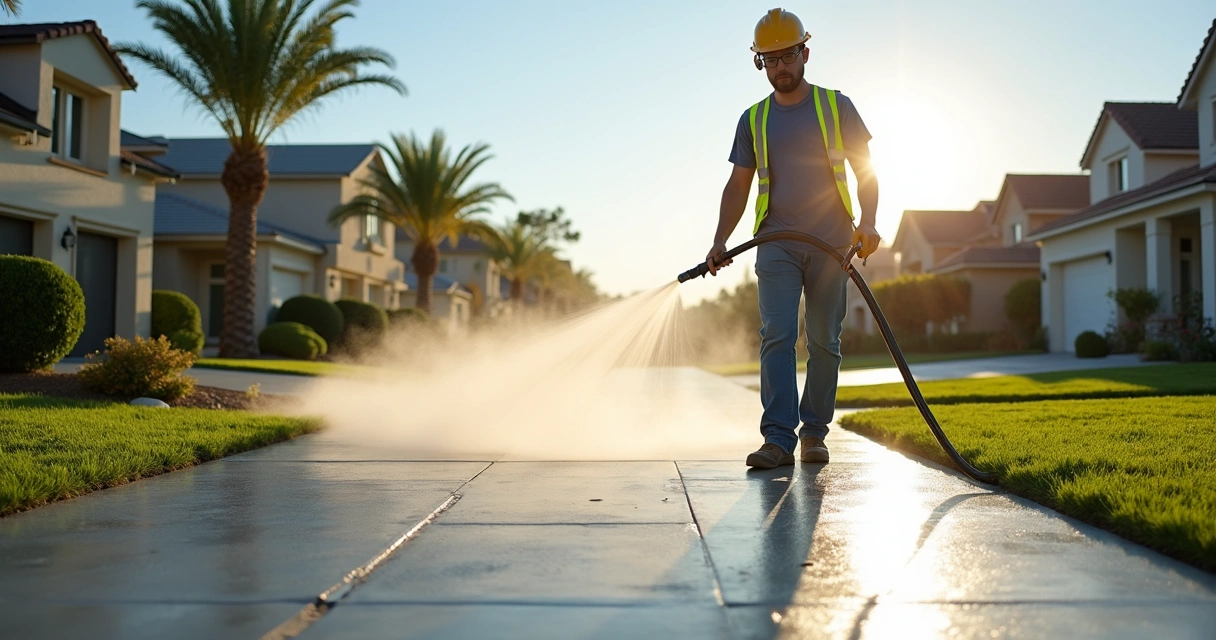
- Rinse with low-pressure water, not high-pressure: Pressure washers can etch or roughen uncured concrete, creating “hot spots” that may even worsen the appearance.
- Don’t use metal bristles or wire brushes: These scratch the surface, especially in the first months.
Our crew at GCM Best Services provides clients with a “first care” guide after every installation, including instructions for small stain and tire mark cleanup. We are always available to give custom advice for tougher challenges.
Project process at GCM Best Services: Ensuring stain-resistant finishes
Our systems are designed not only to construct driveways that last, but that keep looking their best. Here is how our process reduces the risk of marks and stains:
- We use 6–8″ of compacted sub-base and high-strength 3,000–4,000 PSI mixes that cure to a harder surface, less prone to deep tire impressions.
- Proper finishing, curing, and moisture management controlled by team leads using strict, written procedures.
- Joint design (for cracking control) is planned to protect high-traffic areas, especially at driveway edges and curves where turning usually happens.
- Professional sealing after curing, with a detailed color-matched finish for those who want custom style and function.
If you want to read about the technical aspects of our driveways or how we control cracking, we suggest this article on preventing cracks in Florida concrete driveways. It explains the internal structure and planning that impacts everything from stains to long-term stability.
Common mistakes to avoid after a fresh pour
We sometimes see clients eager to use their new space and accidentally invite problems. Here’s what to watch out for:
- Parking heavy vehicles too soon: Moving trucks, RVs, or trailers exert a lot more pressure than standard cars. Wait as long as feasible for these vehicles—preferably 2–3 weeks for best results. If you need guidance, our guide on choosing a concrete company in Orlando FL covers vehicle weight and surface needs.
- Letting children play with bikes or skateboards right away: These toys can leave streaks that are tricky to clean.
- Neglecting to keep pets and wildlife off: Animal claws (or even footprints) mar the still-soft surface, contributing to both marks and uneven curing.
- Not protecting from rain or irrigation splash during the first week: Water can discolor uncured areas and create inconsistent curing that will reveal itself through patchy patterns later—sometimes mistaken for tire marks.
When in doubt, a few extra days of patience pays off for years of cleaner, more attractive concrete.
Long-term maintenance: Keeping your driveway pristine
Proper maintenance is key to keeping your driveway free from tire marks, stains, and wear over the years. Here are our collective recommendations:
- Reapply a driveway sealer every 2–3 years, depending on sun exposure and use.
- Pressure wash only as instructed, using a low-pressure, wide fan tip and avoiding “digging” into any one spot.
- Regularly clean up leaves, acorns, or other organic debris, especially after rain.
- Touch up edges where landscape mulch or soil touches the concrete—organic matter can slowly stain or foster algae growth.
- Have cracks or chips repaired as soon as they are noticed. For a step-by-step approach, you might read our concrete repair guide: Concrete repair near me: Licensed contractors guide.
For property managers or homeowners that want even more details, our concrete knowledge base provides upkeep and troubleshooting tips for Florida’s climate—and the unique challenges it brings.
Conclusion: Partner with local experts for the best results
Preventing and removing tire marks on new concrete starts with knowledge, patience, and precision. As a licensed, insured contractor with deep experience in Orlando and Central Florida, GCM Best Services knows how to install and finish driveways that withstand local weather, heavy use, and real-world traffic. If you want a driveway that resists stains, tire marks, and wear, your best ally is a team that cares about every detail—and teaches you how to care for your investment. Whether you’re building new or improving your home’s curb appeal, we’re here to help. For friendly guidance or a quick, professional quote, reach out and start enjoying a driveway you can be proud of.
Ready for a professional quote? 📞 (407) 250-1948 • 24–48h • Orlando, Tampa & area.
For residents in St. Cloud or the surrounding communities, our installation guide for St. Cloud concrete driveways and patios shares region-specific tips worth reviewing before your next project.
Frequently asked questions
What causes tire marks on new concrete?
Tire marks on fresh concrete typically occur due to rubber compounds, oils, and heat from tires interacting with the porous, uncured surface. Hot tires—especially after driving—release plasticizers that transfer to the vulnerable driveway, especially if the concrete is not fully cured or not yet sealed.
How long to wait before parking?
We recommend waiting at least 7 days—preferably 10–14 days—for standard vehicles, and a full 28 days for heavy vehicles. Waiting allows the concrete to continue gaining strength and hardness. Always err on the side of caution, especially in warm, humid climates or during rainy periods, which can affect curing times.
What are the best sealers to use?
The best sealers for most Central Florida driveways are water-based acrylic-resin or penetrating silane/siloxane sealers. These products create a protective barrier that resists moisture, stains, and tire compounds. They are also easy to reapply and won’t significantly change the appearance or feel of your driveway.
How can I remove fresh tire marks?
For most fresh tire marks, start with warm soapy water and a soft brush, gently scrubbing the affected area. If the mark is stubborn, use a specialized concrete cleaner (non-acidic), and avoid high-pressure or abrasive cleaning tools to protect the surface.
Is sealing concrete worth it for prevention?
Yes, sealing concrete is one of the best preventive steps you can take to reduce the risk of tire marks and other stains. Proper sealing after the curing phase not only deters tire marks but also resists moisture, mold, and general wear, extending your driveway’s life and beauty.