Building a patio that lasts for years starts from the ground up. While colors, patterns, and finishing options spark excitement, the most powerful factor in long-term patio performance stays mostly hidden: the patio base. We have learned at GCM Best Services that proper compaction is where real value is built, reducing the risk of patio base failure and protecting your investment. In Central Florida, where sandy soils and unpredictable rains challenge every outdoor project, careful attention to the base makes all the difference.
Why patios fail: The overlooked threat beneath the surface
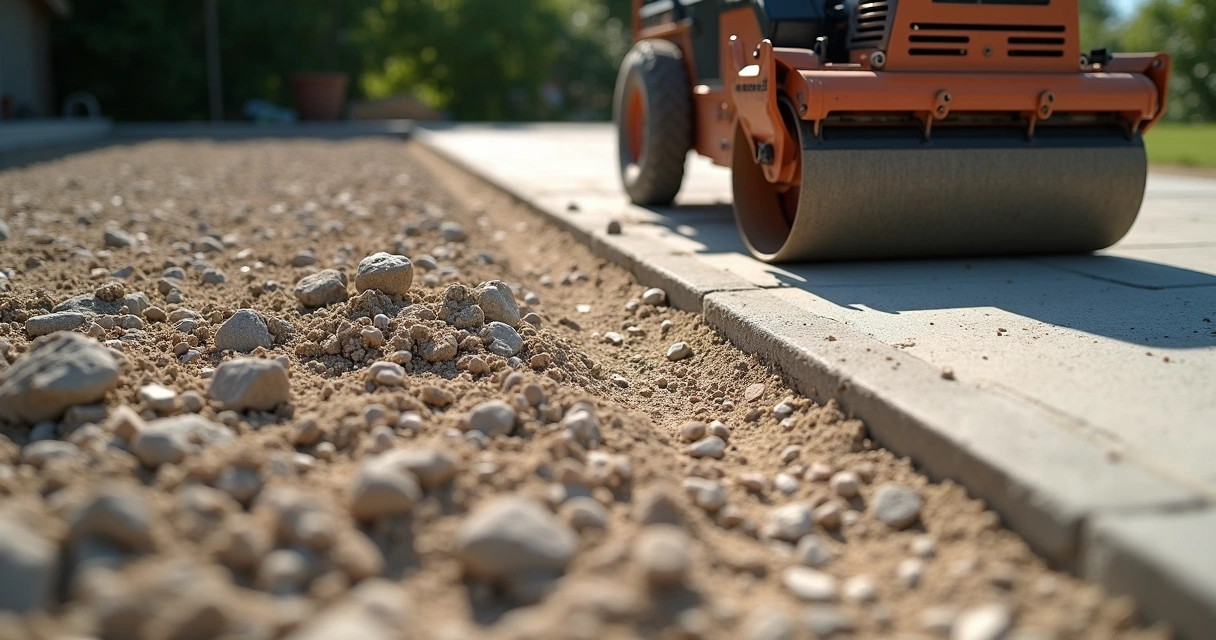
If patios always stayed as solid as they looked on day one, there would be far fewer calls for repair. But surface beauty often hides deeper trouble. The majority of failures in driveways, patio slabs, paver surfaces, and even outdoor kitchens result not from poor materials, but from what happens (or doesn’t happen) below the visible layer.
- Ponding water and uneven settlement. The classic “bird bath” in your paver or concrete patio indicates the base has sunk at one or more points, creating dips that trap rainwater.
- Cracks and trip hazards. Even thick concrete or robust pavers fracture when the ground shifts underneath them, leading to troublesome cracks and loose stones.
- Weed growth and root intrusion. Weak or loose bases let seeds, moisture, and roots penetrate joints, leading to unsightly growth and further breakage.
- Failed joint sand and separation. Pavers and bricks can move apart over time if their base flexes instead of supporting them firmly, making repairs endless.
What goes unseen under a patio base can cost you in repairs and frustration later.
We have seen projects where a stunning stamped concrete patio or intricate paver pattern is undone by depression and slab displacement just months after installation. Often, these issues arise when shortcuts are taken with base preparation or compaction. A beautiful finish can’t fix a base that shifts or settles unpredictably.
The science of compaction: Why it matters
Compaction, at its core, means squeezing out air and reducing the movement of soil, sand, or gravel particles. When the base is compacted properly, these particles lock together tighter. This limits their ability to shift or collapse over time, especially when loaded by patios, outdoor kitchens, or daily foot traffic.
Consider what happens during Florida’s rainy seasons: water filters through sand and subsoil, trying to find paths of least resistance. If your patio base is loose or uneven, water flow can wash out fine materials, causing slow but unstoppable settlement. As we prepare patios in Orlando and throughout Central Florida, proper compaction is as much about redirecting water as it is about supporting weight.
- Compacted base = less shifting and sinking
- Prevents water from pooling under the slab
- Reduces the gaps that allow weed and root intrusion
- Minimizes irregular paver or concrete cracks
Most failures trace back to spaces left between base materials. While these might feel stable during construction, when exposed to moisture and weight over time, they collapse. That’s why we treat every base layer with thorough compaction.
Common base materials: Which ones require compaction?
The kind of patio you choose will often dictate the required base, and each material behaves differently.
Granular bases for paver patios and slabs
For pavers and bricks, compacted stone (like #57 limestone or crushed concrete) forms the main support layer. On top, bedding sand helps position and lock the units. Both stone and sand must be compacted in thin layers. Failing to do so invites future movement, unevenness, and erosion.
Concrete slab bases
Even when pouring a thick 4,000 PSI slab, we start with a compacted sub-base—typically 6–8 inches of well-graded material. The reason is simple: concrete is strong, but not flexible. If the ground moves, the slab cracks. Reinforcement like rebar or mesh helps, but good compaction matters more.
Artificial turf and specialty bases
Artificial turf needs either compacted crushed stone or specialty sand screens to shed Florida’s heavy rain quickly. If skipped, the turf wrinkles, puddles, or invites weeds along seams and edges. Just as in patios, compaction is the first step towards drainage and stability.
Stages of compaction: What a proper process looks like
In our experience at GCM Best Services, patio base success comes from structure, not just strength. Here are the stages we never skip:
- Site clearing and stripping. We remove grass, roots, and topsoil until reaching undisturbed subsoil. Weak or organic materials are taken out, as they decompose and collapse over time.
- Establishing final grade and elevation. We set project elevations to direct water away from structures. Sloping the base surface prevents ponding, a leading cause of settling and slab damage. This is especially discussed in our concrete cracking prevention guide for Florida patios and driveways.
- Placing base materials in lifts. Layering base stone or sand in “lifts” (typically 2–4 inches each) and fully compacting between layers guarantees full consolidation. Dumping materials all at once leads to hidden air gaps that quickly become weak spots.
- Compact, then check compaction. Plate compactors, jumping jacks, or rollers are used as appropriate for each layer and material. We check compaction using simple drop tests or with a nuclear density gauge for critical projects.
- Edge restraints and final preparation. Plastic or concrete restraints hold edges while the final bedding layer receives focused compaction for surface flatness. At this stage, we address transitions to paving or turf, avoiding movement at seams.
It’s this staged approach—and never skipping a step—that delivers patios meant to survive Central Florida’s wet climate and shifting soils.
The Florida challenge: Soils and weather working against patios
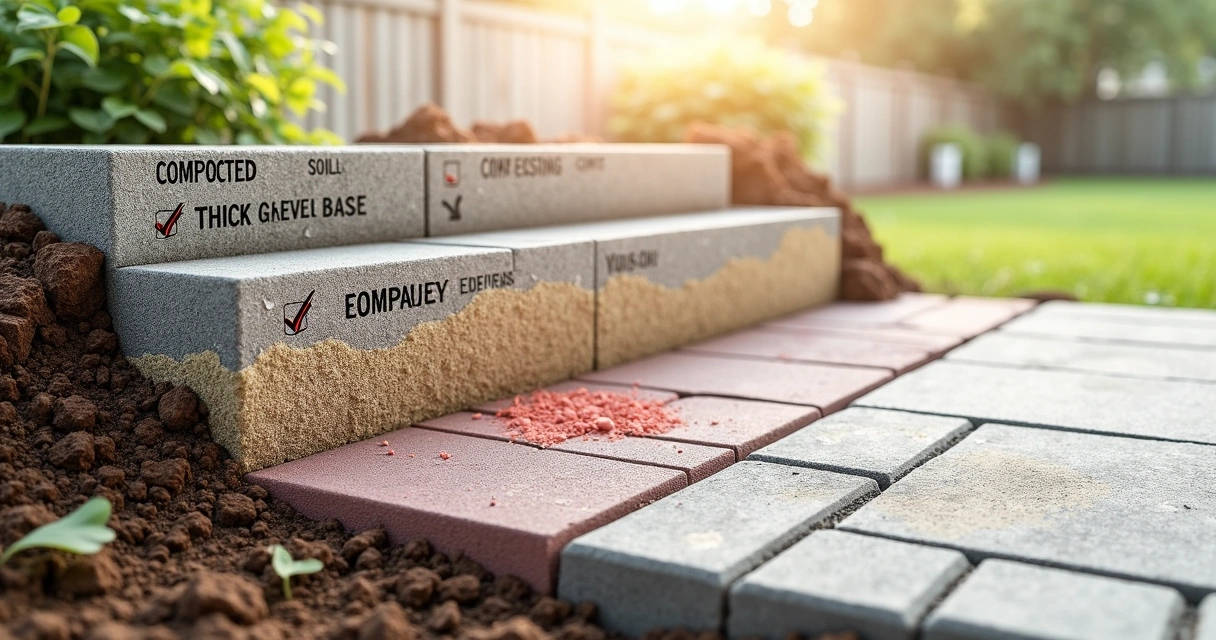
Building patios in Orlando and Central Florida brings its own set of demands. Our region is known for sandy soils, clay pockets, sudden rainstorms, and extreme heat. Each factor magnifies the risk of base movement and patio failure if not addressed.
Sand and loose fills
Florida’s sandy subsoils drain fast, but can shift without warning if not densely compacted. That’s why we often recommend higher compaction equipment and more base depth for these projects.
Drainage and heavy rain
Rapid rainfall—sometimes several inches an hour—tests every patio’s drainage path. If the patio’s sub-base is uneven, water will find its way beneath, softening the soil and creating low spots. We plan slope, drains, and base materials for local weather at every step.
Protecting against tree roots
Roots from palms, oaks, and landscape plants often push up through weak patios. Our firm, compacted base helps to resist these pressures, but we also plan root barriers or select planting zones away from patio structures.
For those interested in the specific ways we address soil and drainage, our patio and driveway paving process covers these key steps in more detail.
Warning signs of improper compaction
We are sometimes called in to fix patios that show the following warning signs:
- Wobbly or rocking pavers
- Dips and puddles that did not exist at installation
- Cracks radiating from patio corners or along expansion joints
- Joint sand washing out, leaving pavers loose
- Visible voids or gaps at the edge of patios
- Settling around drains, covers, or utility boxes
Seeing even one indicator above is cause for concern. The sooner the problem area is stabilized, the less extensive the repair. Comprehensive patio compaction prevents these headaches in the first place.
Test methods: How we know the patio base is ready
A base may look flat and even, but only proper testing shows if it’s truly prepared. At GCM Best Services, we rely on a few key checks:
- Probing and drop tests. After compaction, we probe or drop a heavy object on the surface. If it rebounds with little indentation, compaction is usually sufficient.
- Plate compactor passes. We make multiple passes at 90-degree angles, ensuring that each area receives focused pressure.
- Visual inspection for movement. Walking across the base, we check for shifting, sinking, or foot tracking, which means more compaction is needed.
- Nuclear density gauge (for engineered projects). On larger patios or those supporting heavy loads, we measure compaction density directly. This is often required for commercial work.
Our goal is always a dense, locked-together platform capable of supporting concrete, pavers, or turf for years—regardless of rain, roots, or regular use.
What can go wrong if compaction is rushed or skipped?
Sometimes, patio base compaction is dismissed as unnecessary, especially on smaller DIY projects. But in our repairs across Central Florida, we see the real results:
- Sections of paver patios “sink” within weeks after installation, especially where base thickness is uneven or only hand-tamped.
- Concrete slabs develop cracks around the edges as the ground gives way beneath them.
- Artificial turf wrinkles or shows clear dips after seasons of rain, exposing joint seams that should stay hidden.
These failures are not just cosmetic. They force homeowners into ongoing repairs, sometimes requiring complete patio reconstruction. When we rebuild, our process always begins with correcting base compaction—there’s no shortcut or substitute.
Best practices for lasting patio bases
Through years of installations, we have refined our method to achieve strong, long-lived patio bases in the challenging soils and climate of Central Florida. Here’s our checklist:
- Remove topsoil completely. Going deeper brings the patio to a firmer, unshifted base. Do not build over roots or soft materials.
- Build up with layers, not piles. Every layer (2–4 inches) must be compacted separately. If you lay it all at once, voids remain hidden.
- Use the right compaction equipment. For most patios, a plate compactor gives best results. In tight spaces or for deeper fills, specialty “jumping jack” tampers are ideal.
- Pay extra attention at the patio edges. Edges see the most stress and are most exposed to water and movement. Bonds and restraints need solid base contact.
- Focus on drainage from the start. Slope every layer to move water away from homes and foundations. Add drainage pipes or grid panels as needed.
Our step-by-step process is shared in our driveway and patio installation guide for St. Cloud and Central Florida. These extra steps might extend construction time by a day, but they add years to patio life.
Simple signs your patio builder understands compaction
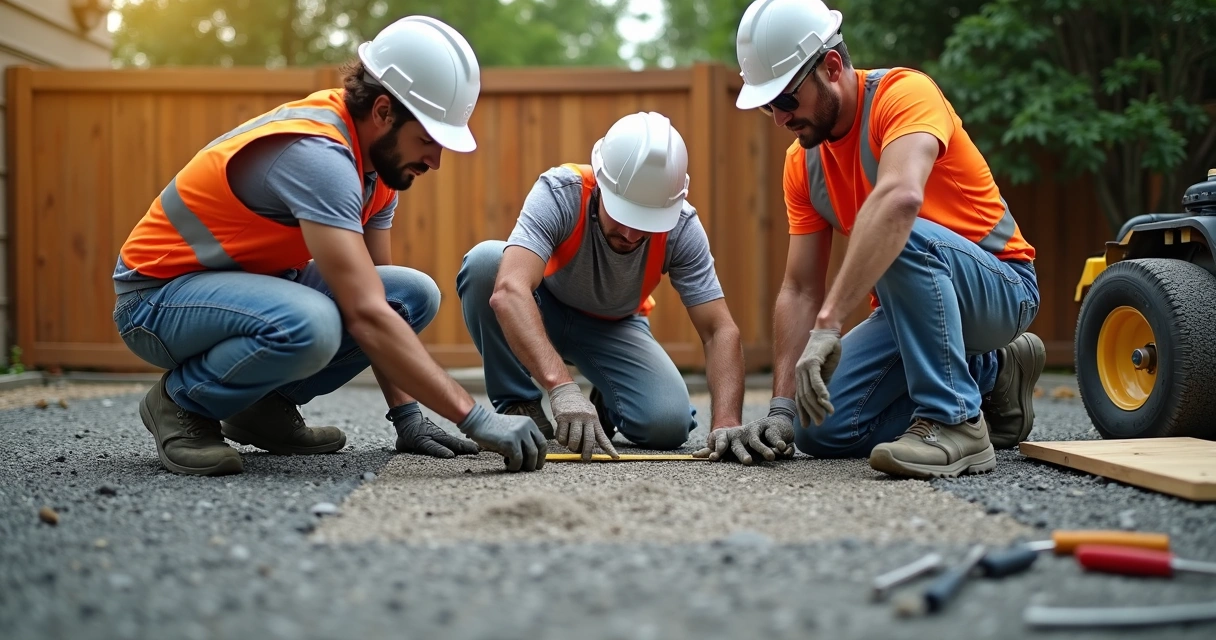
As we talk with clients throughout Orlando, Tampa, and Central Florida, we help them understand what separates a well-supported patio from one destined to fail. A few signs you have a builder who prioritizes compaction:
- They explain their planned base thickness in advance
- They use specialized equipment, not just hand tamps
- They show you each stage or invite you to inspect compaction as it happens
- They answer your questions about drainage, base materials, and settling without hesitation
- They offer written warranties covering both structure and surface—for more details see our concrete project resources
If your builder skips, rushes, or can’t explain their compaction process, the risks only increase as weather and time take their toll.
The benefits of getting compaction right—every time
Proper compaction does more than just add to concrete or paver longevity. It shows up every season and in every storm:
- Your patio remains level, draining well with no new dips or trip hazards
- Surface materials stay locked in place, making cleaning and maintenance easy
- Furniture and outdoor kitchens remain stable, even with heavy use
- Weeds, ants, and roots find no path through the base material
- Repairs, if needed, become far simpler, as the base stays firm below the surface
For customers considering long-term exterior investments, such as turf or hardscape, see our further articles under hardscaping advice at GCM Best Services.
A solid patio begins below the surface, not above it.
Taking the time—and care—for proper compaction is the silent guarantee that a stunning new patio will look and function perfectly year after year, regardless of the Florida skies above.
Conclusion: Invest in the base, enjoy your space
Patio base compaction is more than just a construction step—it’s a commitment to quality, comfort, and peace of mind. In Central Florida’s unique and sometimes unpredictable conditions, the difference between a lasting outdoor living space and one that struggles with every season can be measured in those extra passes with the compactor, attention to drainage, and the willingness to do the job right on the first try. At GCM Best Services, we believe in building patios that stand the test of time, weather, and use. Proper compaction is how we deliver on that promise with every project.
If you are ready to experience a patio or driveway built to last in Central Florida, trust our expertise and our proven process. Ready for a professional quote? 📞 (407) 250-1948 • 24–48h • Orlando, Tampa & area.
Frequently asked questions about patio base compaction
What is proper patio base compaction?
Proper patio base compaction means compressing base materials—like crushed stone, gravel, or sand—in thin layers to remove air and create a firm, stable surface that will not shift or settle under your finished patio, even in bad weather or after heavy use. This usually involves using mechanical compactors and testing each layer before adding more, achieving a tight, locked-together structure beneath your pavers, concrete, or turf.
How can I compact a patio base?
To compact a patio base, first remove all organic material and loose soil. Lay your base material in 2–4 inch layers (called lifts). After spreading each layer, use a plate compactor (for gravel) or a jumping jack (for sand/soil) to compact the material thoroughly. Repeat for each layer until target base thickness is reached. Finally, check for movement or soft spots before moving to the next installation step.
Why does patio base failure happen?
Patio base failure typically happens when the layers below the surface are not compacted well enough, allowing them to shift, settle, or wash out over time under the weight of the patio, heavy rains, or changing temperatures. This can cause pavers or concrete to crack, dip, or separate, leading to frustrations and costly repairs.
What tools are best for compaction?
The best tools for compaction are plate compactors, which are ideal for gravel or stone layers, and jumping jack tampers, which are better for cohesive soil or tight spaces. For minor jobs, a hand tamper can help, but for patios of any size, mechanical compactors save time and deliver much better results.
Is it worth hiring a professional?
Hiring a professional for patio installation is worth it because skilled contractors know how to sequence layers, test compaction, and address drainage for your local soil and weather conditions, which ensures long-lasting performance. At GCM Best Services, we see firsthand the difference that expert compaction makes—protecting both your investment and your peace of mind.