Old patios and driveways can do more than just drag down curb appeal—they can create lasting headaches, safety worries, and even legal risks. At GCM Best Services, we’ve spent years helping homeowners across Orlando and Central Florida spot the early warning signs before small problems turn large and costly. It’s not always easy to know when it’s time for a full replacement versus a minor repair. In this article, we guide you through the eight most telling signs that signal it’s time to update your outdoor surfaces for good—and what kind of results you can expect when you do.
Sometimes, an aging surface says all you need to know. We just have to listen.
If you’re unsure whether to invest in repairs or a total redo, we share practical stories, technical know-how, and proven local standards for Central Florida’s unique conditions.
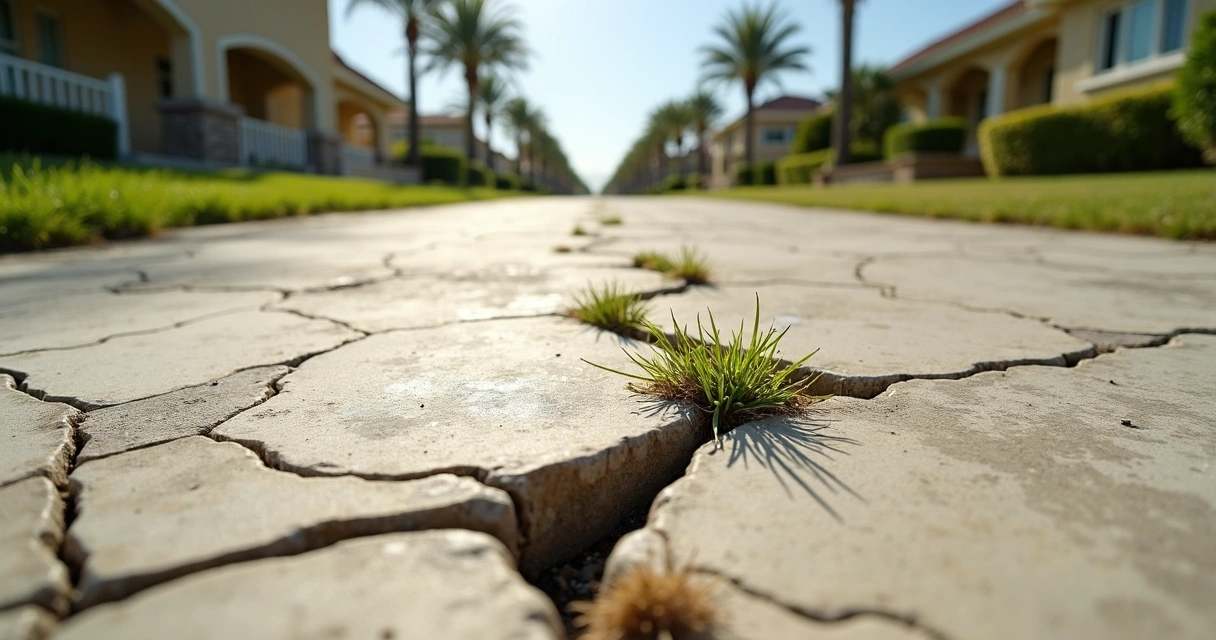
Why the condition of your patio or driveway matters
Most driveways and patios in Central Florida are exposed to relentless sun, heavy rain, shifting soils, and frequent vehicle traffic. Over time, these combined forces can break down even well-built surfaces. According to the Washington State Department of Ecology, modern concrete structures last about 50–100 years depending on use and environment, but factors like water damage or poor maintenance can dramatically shorten that lifespan.
It isn’t just about appearance—surface damage can impact water drainage, create tripping hazards, and even cause property value loss. We’ve seen families hesitate to let kids play outdoors or guests park along a rough driveway. In our experience, knowing and acting on key warning signs can prevent those frustrations and expenses.
The 8 warning signs it’s time to replace: what should you look for?
Let’s look closer at the eight most reliable indicators that your old patio or driveway needs replacement—not just repair or a temporary fix.
1. Widespread cracking—more than just surface blemishes
Cracks are the top indicator of aging surfaces. But the type, width, and spread of cracks tell you everything about the health of your patio or driveway. Hairline cracks are normal and common, especially after years of hot Florida summers. These usually don’t signal deep trouble.
The warning comes when you notice:
- Cracks that cross the entire width or length
- Multiple intersecting cracks forming “spiderweb” or “alligator” patterns
- Edges breaking off or crumbling at crack lines
- Crack widths greater than 1/4 inch
Widespread or deep cracks indicate severe movement below the surface. In these cases, patching won’t last, as proper sub-base and control joints must address underlying soil or drainage problems. We’ve replaced many surfaces where patches only delayed the inevitable.
2. Sinking, heaving, or uneven areas
If parts of your driveway or patio dip, tilt, or bulge upwards, the sub-base has failed—often due to poor drainage, tree roots, or compacted Florida soils shifting over time. Sinking areas collect water, create trip hazards, damage vehicles, and will worsen each rainy season. Heaving sections can actually push into your home’s foundation if not corrected.
The best solution is to rebuild with proper compaction, reinforced bases, and improved drainage design, which is a standard at GCM Best Services. Addressing root causes during replacement saves you endless headaches down the road.
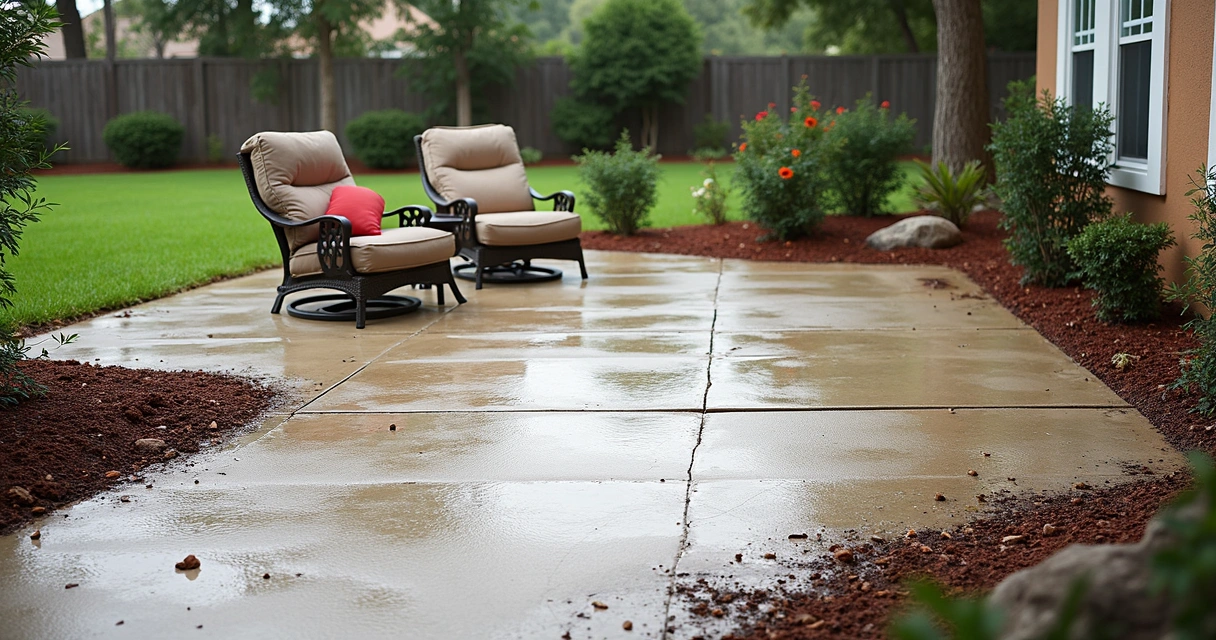
3. Major drainage issues or pooling water
Consistent puddles or water flowing back toward your house are never “normal.” Poor drainage is a sign that your surfaces no longer have the right slope or structure. Stagnant water erodes joints, grows mold, attracts mosquitoes, and threatens nearby buildings. It is a major cause of early patio and driveway failure throughout Orlando and the greater Central Florida area.
We design every new driveway or patio with careful drainage calculations—and document all grading changes with clear photos. If your old surface traps water or no longer drains properly, consider it a top priority. Local building code also requires proper drainage to avoid fines or HOA concerns.
4. Worn-out surface finishes and exposed aggregate
Are you seeing rough, patchy, or gravel-like surfaces in high-traffic areas? Over years, sun and rain eat away thin “cream” layers that protect concrete and pavers. When this layer wears through, you’ll see sand, stones, or paver edges pop out. This looks bad and feels worse on bare feet and is slippery when wet.
Some homeowners try resealing or painting, but failing finishes often mean the substrate is also at the end of its life. In severe cases, the surface is too degraded for coatings or overlays to bond at all. That’s when it’s time to start fresh.
5. Tree roots and plant growth breaking through
Tree roots are relentless in Central Florida’s climate. Once they find a way under an old slab or paver path, the stubborn lifting and splitting won’t stop. You may also notice grass, weeds, or even small plants sprouting from cracks or joints.
When root problems progress far enough, you’ll see:
- Surface sections pushed upward or separated from the rest
- Pavers or slabs shifting out of alignment
- Repeated repairs failing quickly, as roots grow faster than patching can keep up
From our on-the-ground experience, the best fix is complete removal, root pruning, new compaction, and root barriers as part of your re-build. GCM Best Services always assesses root risk before starting a new job.
6. Staining that won’t come clean
Motor oil, rust, mold, mildew, and fertilizer stains soak in over decades. When pressure washing and professional cleaning can’t restore color or texture, the material has usually become too porous and degraded.
A truly tired surface never looks clean, even after hours of scrubbing.
This is especially true on driveways exposed to auto fluids or patios that have seen years of barbecue spills and Florida rain. Persistent stains on old surfaces can actually lower property value, according to multiple real estate agents we have worked with.
7. Edges breaking, spalling, or missing chunks
When the edges of a concrete pad or paver border break away, it’s a sign the material can’t handle even normal use. Spalling—where thin sheets flake off the top layer—is especially common in older patios and driveways that weren’t sealed or protected from the start.
Edge failures can mean the sub-base was always too thin or moisture has reacted with unprotected steel. Streets and driveways in areas with regular traffic are even more prone to these failures, as described in research from the University of Wisconsin–Milwaukee. Once this begins, the only lasting remedy is to remove and rebuild those weak sections to current construction standards.
8. Repairs become frequent, short-lived, or expensive
Have you found yourself patching the same area again and again? Temporary fixes work in the short term, but if your surfaces need repeat repairs every few months or don’t hold after storms, the underlying issues have won.
We’ve seen families spend more on patchwork over three years than a full replacement would have cost. When estimates for new work begin to rival repeat repairs—or repairs simply don’t last—replacement provides value, reliability, and lasting warranty coverage. Our team always points out when repairs are no longer cost-effective for owners.
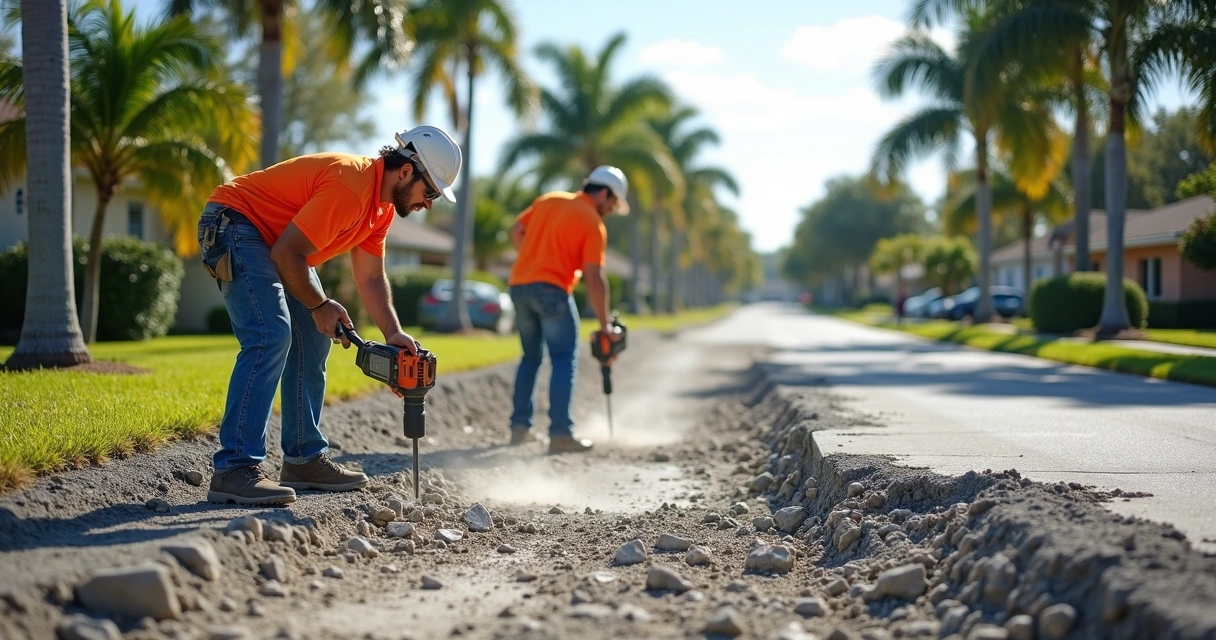
When should you repair, resurface, or replace?
This is the top question for anyone facing aging outdoor surfaces. Repair is a good choice for small, isolated problems on relatively new installations—thin cracks, chips, or stains on well-built bases. Resurfacing with overlays or coatings can help when the base is still solid but the top layer looks tired.
Replacement is necessary when any of the following are true:
- Surface problems affect more than 25% of the area
- Drainage, sub-base, or root issues are the main cause
- Multiple signs from the list above show up at once
- Repairs or overlays have failed before
At GCM Best Services, we always assess the whole picture—soil, drainage, base, traffic load, and local code—before recommending replacement. For an in-depth breakdown of what’s included in a true replacement, see our licensed contractors’ guide and our explanation of complete brick paver installation estimates.
How long should a new driveway or patio last?
Every owner wants a lasting surface. As cited by the Washington State Department of Ecology, well-built concrete structures often last up to 50 years or more. Weather, drainage, and traffic make a difference—while studies from the University of Wisconsin–Milwaukee note that some busy roads and reinforced decks may show issues sooner, especially in high-traffic or challenging conditions.
We’ve found that the right mix, proper compaction, rebar or mesh, and solid drainage (see our installation guide for Central Florida) keep new patios and driveways performing for two decades or longer with minimal maintenance. That’s one reason we offer written warranties and maintenance guidance at project completion.
Choosing the right solution for Orlando and Central Florida
Climate, soil, and usage all influence which material and design are best for your property. For example, colored and stamped concrete is beautiful but may need more protection to handle sun and rain. Brick pavers offer flexibility and drainage but require a skilled install to keep sand and roots at bay. Artificial turf bordered by pavers is a smart option for any area needing drainage, play space, or a modern look—and all are available from GCM Best Services.
When we visit sites in Orlando, Winter Park, St. Cloud, and throughout the area, we notice each site has a different set of challenges. In humid areas, we focus on moisture barriers and extra drainage. In high-traffic driveways, we use higher-strength mixes and edge protection. Our process covers every detail—from assessment and permits to cleanup, walkthrough, and warranty.
Replacing your driveway or patio is an investment. But it pays returns in lower maintenance, improved safety, better drainage, and greater property value for years to come. If you’re seeing several of the warning signs above, our team can help recommend a solution tailored to your exact space and needs, and you’ll know exactly what you’re getting before work begins.
Real results: what to expect from a replacement
We remind homeowners that a new patio or driveway means more than a smooth surface. Here’s what has made the biggest difference for our clients:
- No more tripping or puddles—kids and guests are safe again
- Fresh curb appeal, which can help with resale value and HOA satisfaction
- Easy snow removal or leaf cleanup—smoothness matters even in Florida
- A written warranty, so you know the job was done right, to local code standards
- Photos and clear communication, so you’re in control at every step
Our process—beginning with a free on-site assessment and ending with a complete walkthrough—is designed to minimize disturbance and keep you informed from start to finish. Whether you want simple concrete, decorative pavers, or integrated lighting and drainage, we have the expertise you need.
For more ideas and tips on updating your outdoor areas, take a look at our driveway and patio paving services or connect with us for a personal quote.
Conclusion: Taking the next step for your home
We see time and again that ignoring warning signs leads to bigger repairs, higher costs, and, sometimes, home insurance problems. If you recognize several signals from our list—wide cracks, settling, draining water, stubborn stains—your patio or driveway is likely ready for more than just a patch. At GCM Best Services, we help hundreds of Central Florida families regain pride and peace of mind with new, warrantied surfaces built for our unique climate and soils.
Are you ready to reclaim safety, boost your home’s value, or simply enjoy a more comfortable outdoor space? Contact us for a no-obligation assessment and see what a professional solution can do for your property. Ready for a professional quote? 📞 (407) 250-1948 • 24–48h • Orlando, Tampa & area.
Frequently Asked Questions
What are signs of a damaged driveway?
Major cracks, uneven or sunken spots, frequent puddling or standing water, surface spalling, persistent stains, and crumbling edges are the most common signs of a damaged driveway. Other top indicators include shifting pavers or joints, tree roots breaking through, or repairs that don’t last more than a season. When multiple signs show up at once, full replacement is usually needed for safety and appearance.
How much does driveway replacement cost?
Costs for replacement depend on size, material choice (concrete, pavers, specialty coatings), site access, drainage needs, and local permitting. In Central Florida, typical costs range from $7–$15 per square foot for standard concrete, with pavers or decorative finishes adding to the price. We provide detailed, written estimates after a free site visit so you know exactly what’s included—site prep, removal, base compaction, drainage adjustments, materials, and finish. No two jobs are the same, and we always explain your options in detail.
Is it worth it to resurface instead?
Resurfacing or overlay coatings can work for younger surfaces with minor wear, good structure, and no major drainage or base problems. If the surface is mostly intact, with only cosmetic flaws, resurfacing can add new life. But if there are large cracks, settling, or repeated issues, replacement is a better value and will last much longer. Our on-site assessment will guide you to the right call for your property.
How long does a new patio last?
With the right base, drainage, and materials, most new patios in Central Florida last between 20 and 40 years before major work is needed. Local conditions like soil stability, sun exposure, and traffic load affect this range. We follow latest research, such as Washington State Department of Ecology’s notes on concrete durability and local construction best practices, to make sure your patio lasts as long as possible.
Where to find the best contractors?
Look for licensed, insured local contractors who offer clear estimates, detailed photos, proper permitting, HOA support, and written warranties. GCM Best Services provides all of this for Central Florida homeowners. We believe the best results come when you’re informed, the process is transparent, and every step is aligned with current codes and local climate needs. We invite you to request a no-obligation onsite visit so we can help you make the right call for your space.