As homeowners in Florida, we know how fast a wet patio or a mossy sidewalk can go from safe to hazardous—just one rainstorm, and suddenly you’re treading carefully. At GCM Best Services, we’ve seen firsthand how the right approach to outdoor surfaces can protect families, guests, and even pets from unexpected falls. And with so many ways to give your walkways, patios, and porches an upgrade, there’s no need to settle for risky steps or slippery driveways any longer.
Safety doesn’t have to be a compromise—good design can look great and protect.
Let’s walk through eight ways to make your outdoor spaces resistant to slipping, pooling water, and sun-baked breakdown. We’ll share what matters for real Florida conditions, and when to reach for professional support. We’ll also lean on key research about accessible outdoor surfaces and mix in our decades of on-the-ground experience. If you’re planning a project in Orlando or the broader Central Florida area, this guide is for you.
Why slip-resistance matters in Central Florida
Our region has hot sun, sudden thunderstorms, and humidity that lingers for months. These factors break down outdoor surfaces fast—especially those that see a lot of foot traffic, like pool decks and entrance walks. Moss, algae, and plain old rainwater can all spell trouble.
According to the U.S. Access Board’s research, outdoor walking surfaces need to be stable, firm, and slip-resistant for safety and accessibility. The Occupational Safety and Health Administration, or OSHA guidance, recommends targeting a static coefficient of friction of about 0.5 as a practical benchmark for reducing slip hazards.
What does this mean for your home? The right design choices help protect everyone—from kids running to the mailbox to older adults on the porch. Plus, enhancing slip-resistance adds lasting value and peace of mind.
Eight ways to protect your home with slip-resistant surfaces
We work with a variety of outdoor materials at GCM Best Services. Here, we focus on practical options for making surfaces less slippery, more reliable, and better suited to Florida homes:
- Textured concrete for driveways, patios, and walkways
- Epoxy and polyaspartic coatings for non-slip finishes
- Slip-resistant brick and paver designs
- Professional cleaning and surface restoration
- Artificial turf for pet and play areas
- Drainage designs to prevent water pooling
- Resilient paint and elastomeric sealants
- Upgraded screen enclosures and access points
1. Textured concrete for driveways, patios, and walkways
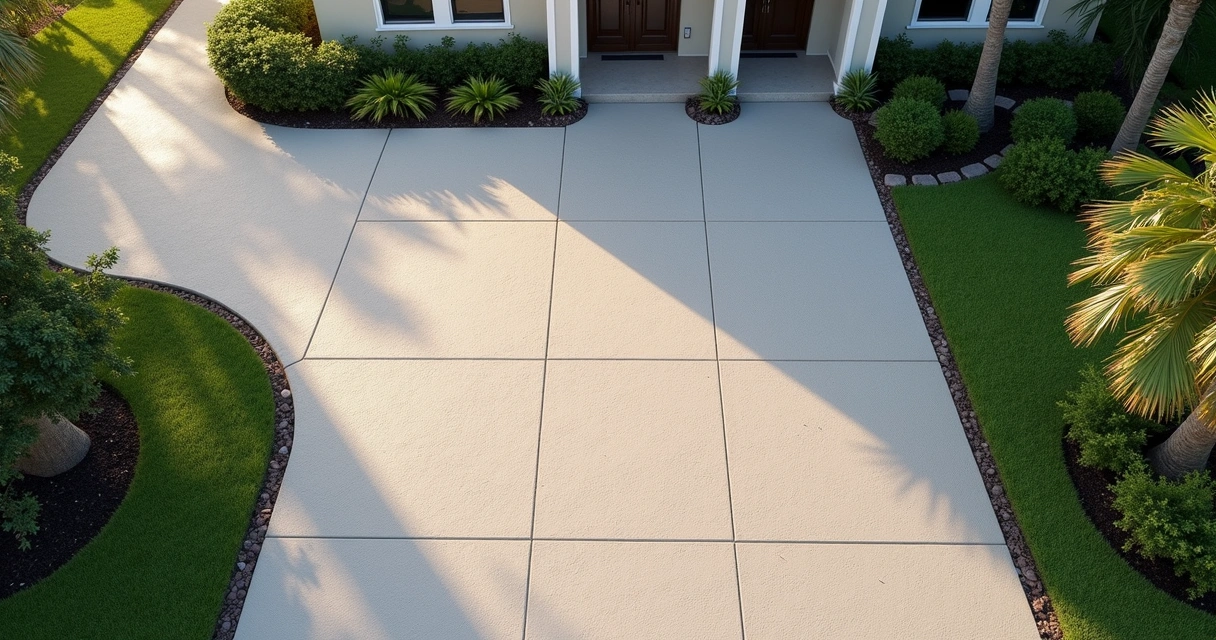
Smooth concrete is, unfortunately, one of the fastest ways to end up with a slipperier surface—especially after a rainstorm. When we pour driveways or patios, we always recommend a broom finish or exposed aggregate texture. This process leaves fine ridges on the surface, increasing grip underfoot.
Broom finishes create enough roughness to meaningfully reduce slips, without collecting debris or making cleaning harder. For high-end spaces, we sometimes use exposed aggregate, where small stones are made visible, offering both traction and a nice look.
We follow recommendations from OSHA and federal guidance for static coefficient of friction—aiming for values above 0.5, or even as high as 0.8 for ramps and steps.
- When resurfacing existing concrete, we’ll often grind and retexture the area, making sure to repair any cracks that could lead to water pooling and algae growth. For more about protecting concrete installations in Florida, our guide on avoiding cracks in Florida concrete is helpful here.
2. Epoxy and polyaspartic coatings for non-slip finishes
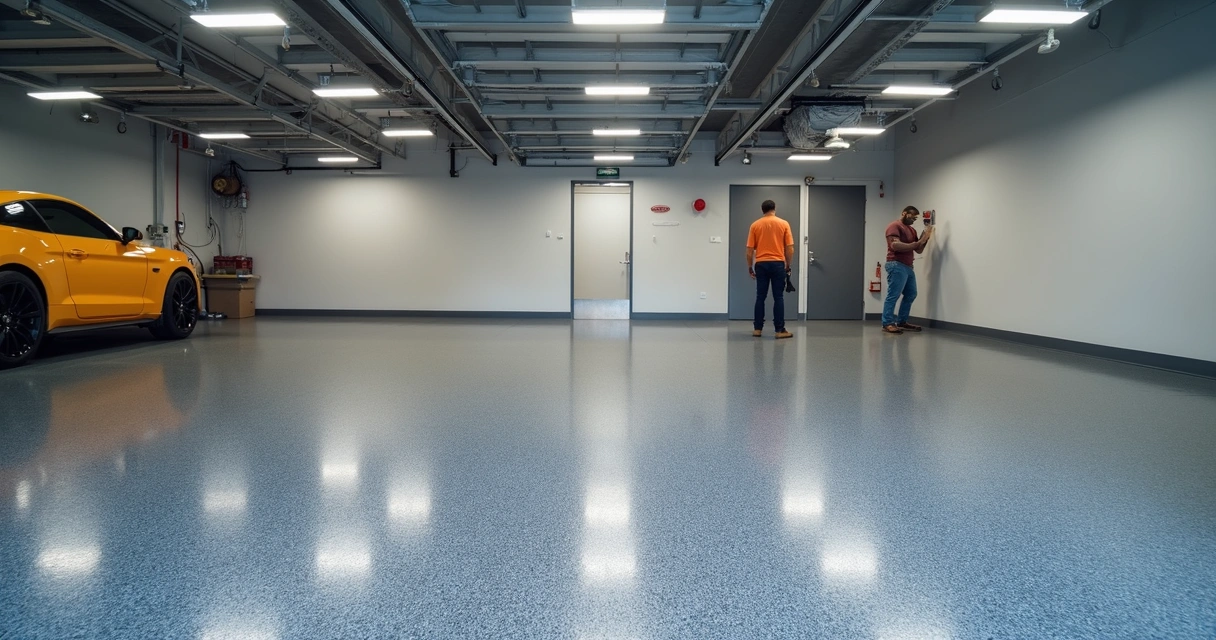
For garages, pool decks, or even commercial entrances, epoxy coatings and polyaspartic systems are some of the most versatile options for slip resistance. We’ve seen their popularity grow in Central Florida, and for good reason: they cure quickly, bond tight to concrete, and allow for custom textures using flakes or quartz.
- We prep these surfaces using grinders to open the pores, test for moisture, and repair cracks. Then, we broadcast anti-slip flakes or quartz before applying the top coat. This texture not only improves grip but can also hide minor wear over time.
- Solutions like these are well-suited to high-traffic areas, spots exposed to chemicals, and entrances where kids or customers may walk in with wet feet.
Not sure which finish to choose? We find that denser, more textured mixes tend to deliver a better feel. If quick turnaround and durability are priorities, polyaspartic coatings can return a space to use within a day or two.
3. Slip-resistant brick and paver designs
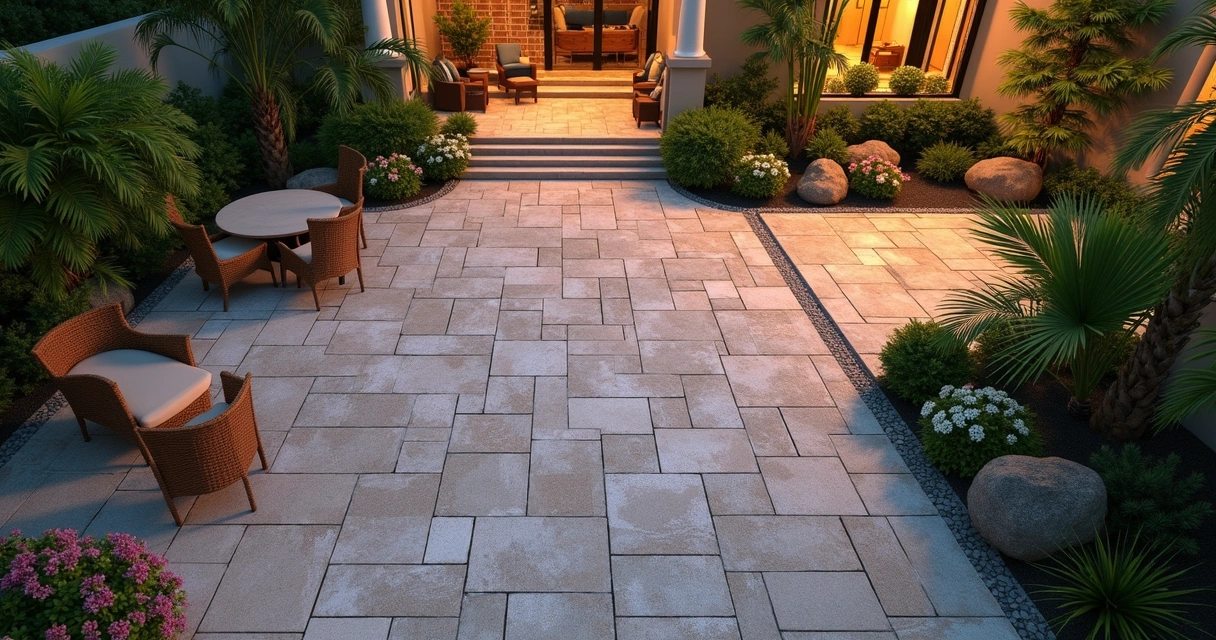
We design and build plenty of patios and walkways using brick and pavers throughout Orlando. Surface texture, grout choice, and laying pattern all contribute to whether your paver project is slip-resistant or just decorative.
- Choosing pavers with etched or textured surfaces is a first step. Tumbled finishes are less slippery than glazed or tumbled-smooth bricks.
- We install pavers over well-compacted, properly graded bases. If water pools along the edge, algae will grow—and grip will drop fast.
- Polymeric sand between pavers can stabilize joints, reduce weed growth, and add some grip (see more about this in our guide to preventing weeds in Orlando pavers).
If you’re tackling an upgrade or dealing with slippery pavers already, professional cleaning followed by commercial-grade sealing can add grip and protect for years. Drainage is key. We sometimes add trench drains or discrete strip drains when building or renovating, direct runoff away from areas where you walk most.
- Need more on the technical side? Our hardscape services explain in detail how we integrate drainage and lighting for safety and beauty.
- Want specifics for driveways and patios? We’ve outlined best practices at our driveway and patio paving page.
4. Professional cleaning and surface restoration
Even the best-textured surfaces can get slick if algae and grime are allowed to build up. In Central Florida’s climate, a spot that feels safe in spring can become treacherous by the end of a wet summer.
Regular pressure washing removes slick residues, mold, and even invisible biofilms that increase slip hazards. For stubborn areas—like shaded patios or brick steps—we sometimes apply biocidal treatments, then seal after cleaning to slow new growth.
- Uneven areas that trap water and encourage algae should be leveled or repaired—not just cleaned. If repairs are frequent, a permanent upgrade may be a better value in the long run.
Clean surfaces grip better, last longer, and look refreshed after a rainy season.
5. Artificial turf for pet and play areas
Some of the most fall-prone places in any yard are right where kids and dogs play. Artificial turf offers a dry, even, and generally slip-resistant surface—provided the right base and installation methods are used.
- We use permeable bases with stabilized edges, making sure drainage flows away fast, even after a heavy Central Florida thunderstorm.
- UV-stabilized turf fibers keep their dry, grippy feel year after year.
- Installers bond seams tightly to avoid trip hazards—a common oversight in DIY jobs.
Artificial turf can be paired with paver borders, strip drains, or even decorative stone to transition smoothly into walkways or patios.
6. Drainage designs to prevent water pooling
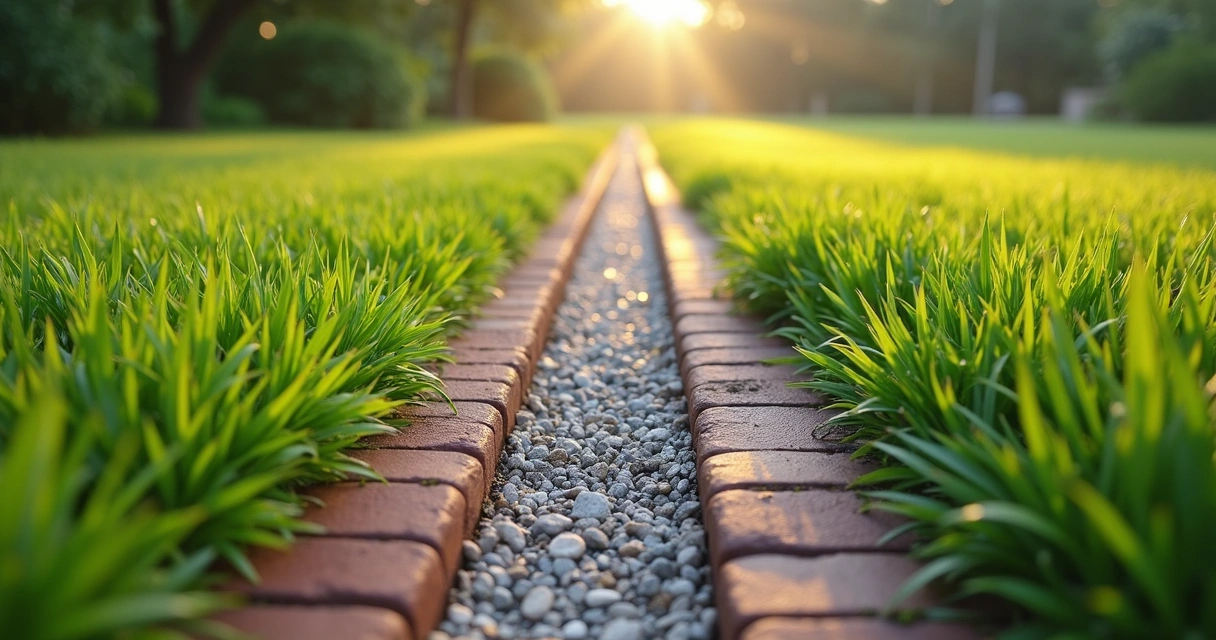
Sometimes, the most slip-resistant surface in the world will fail if water hangs around too long.
We’ve seen patios with beautiful anti-slip textures lose their grip thanks to clogged gutters, uneven drainage, or just poor grading. Proper drainage under and around surfaces ensures water doesn’t linger and allow slick growths to form.
- Grading slabs away from buildings and toward safe collection areas keeps traffic zones dry fast after the rain stops.
- Strip drains along the edge of patios and walks can direct water out to grassy areas or street drains—ideal for large lawns or pool decks.
- When working with pavers, subsurface drainage and permeable joint sand (like polymeric sand) provide quick-dry performance. More about this on our page on effective drainage for paver installations.
Good drainage is half the battle when it comes to keeping outdoor spaces safe.
7. Resilient paint and elastomeric sealants
Entry stairs, pool decks, and lanais often benefit from fresh paint—but not just any paint will do. Regular latex or oil-based paints offer little protection if they get wet.
Elastomeric coatings and properly formulated non-slip deck paints include fine aggregate or grit, curing into a surface that both resists water and provides grip—even on sloped walkways or steps.
- We prep surfaces thoroughly—power washing, minor repairs, spot priming—as this ensures adhesion and prevents peeling that could become a slipping hazard later.
- When we work on business entrances, retail, or public-facing fronts, we often finish at night to keep downtime (and brand impact) minimal.
When choosing a coating, look for options rated for exterior and slip resistance. It’s not a place to cut corners, since proper prep and the right finish can easily mean years of safe footing.
8. Upgraded screen enclosures and access points
Screened lanais, porches, and pool cages offer shade and bug protection, but they also filter just enough sunlight to encourage slippery moisture and organic growth if not built properly.
Modern screen enclosure upgrades use hardware and fasteners that meet wind-load codes, while also offering easy-access doors—often with “threshold-free” designs that reduce trip and slip risks. Matching walkway materials inside and outside the enclosure with anti-slip textures keeps people steady, even when tracking in water from the pool.
- Adding night lighting, tactile strips, and upgraded mats at doorways gives you better traction right at point-of-entry—something often overlooked but invaluable for safety.
Matching technique to need: what to prioritize?
In over 20 years of working on Florida homes, we’ve learned that no one-size-fits-all solution exists for slip-resistant surfaces. Walkways with steep grades may benefit most from extra-coarse textures, while patios prone to puddling demand drainage above all.
Peer-reviewed research on surface roughness and slip resistance shows that “rough” doesn’t always mean “safe.” The best results stem from using surface textures, coatings, and materials proven to deliver consistent grip—even when things get wet.
- Think about who uses the space most, where accidents have happened or nearly happened, and how your property drains after rain.
- An on-site assessment, like the one we always offer at GCM Best Services, can pinpoint which approaches will deliver the greatest improvement with the least disruption.
Our process: safe results, every time
When you choose us, it starts with a free on-site assessment. We walk the property, point out potential trouble spots, and talk budget and preferences. From there, we prepare a clear estimate—backed with options for finishes, drainage, and ongoing maintenance.
We pull required permits, coordinate Homeowners Association (HOA) paperwork, and schedule city inspections where needed. Each project comes with written warranties and a maintenance guide, so you know your investment is protected against Florida’s weather and wear.
How we keep it real with safety: small tips that make a big difference
- Routine cleaning, especially after spring and summer rains, can prevent surprise slip spots.
- Rugs and mats can help in a pinch, but they’re not a replacement for proper surface prep.
- Upgrade step edges or transitions with high-contrast paint or tactile strips—it’s a quick win for night safety.
- If you spot water pooling after installation, don’t just sweep it off—the underlying drainage may not be right.
Final thoughts: safer spaces invite everyone in
At GCM Best Services, we believe homes should offer comfort and welcome. That starts with safe outdoor spaces. Whether you live in a bustling part of Orlando or out where the lawns stretch toward the horizon, slip-resistant solutions extend the life of your investment and make every gathering a little more relaxed.
Ready for a professional quote? 📞 (407) 250-1948 • 24–48h • Orlando, Tampa & area.
We encourage you to explore more about our full range of hardscape and drainage solutions, or connect with us to schedule your free on-site visit.
Frequently asked questions
What is a slip-resistant outdoor surface?
A slip-resistant outdoor surface is a walkway, patio, driveway, or other outdoor area treated or constructed to give extra grip underfoot, even when wet or dirty. These surfaces often rely on surface textures (like broom finishes, anti-slip coatings, or textured pavers) as well as good drainage to prevent pooling water and organic growth that could cause slips. According to U.S. Access Board research, such surfaces are safer and more accessible, especially for people with mobility challenges.
How to make patios less slippery?
You can improve patio grip by using textured or non-slip finishes, adding outdoor rugs with non-skid backing, keeping the area clean from algae and moss, or applying anti-slip coatings designed for outdoor use.At GCM Best Services, we find that options like broom-finished concrete, textured pavers, polymeric sand in joints, and regular power washing make a significant difference for Central Florida patios. Drainage improvements (like adding strip drains) may also be needed for spots that stay wet.
What are the best non-slip coatings?
The best non-slip coatings for outdoor surfaces in Florida usually include heavy-duty epoxy systems with anti-slip flakes, polyaspartic topcoats, or elastomeric deck paints with embedded sand or grit.These finishes provide both waterproofing and long-lasting texture. We always recommend prepping surfaces well—grinding, cleaning, and fixing cracks first—for the best results. For information about safe slip resistance, OSHA guidance suggests aiming for a surface with a coefficient of friction above 0.5.
Is slip-resistant treatment worth it?
In our opinion, slip-resistant treatments are a wise investment for any family with kids, older adults, or frequent guests—especially in regions like Orlando where rain is so frequent. These upgrades protect against injuries, reduce liability, and extend the life of your outdoor areas. They also align with federal safety guidelines and help create spaces that welcome everyone safely.
Where to buy slip-resistant materials?
You can find slip-resistant materials—like commercial epoxy systems, textured pavers, or anti-slip deck paints—through professional contractors like GCM Best Services, or at specialty building supply stores. We recommend working with licensed, experienced providers who can match products to your specific needs and climate, ensuring you get long-term durability and a finished look that suits your home.