Florida’s climate and soil conditions can be both rewarding and challenging for building. Sunshine, sandy terrain, heat, and heavy rains create a specific environment where the right concrete mix matters. At GCM Best Services, we have seen what works for Central Florida homeowners and businesses—because poorly chosen mixes crack, shift, or even wash out before their time. In this guide, we’ll share how to choose the right concrete mix for Florida soils and why each choice matters for driveways, patios, slabs, and more.
Florida’s weather waits for no one. Concrete must be ready for anything.
Understanding Florida soils and their impact on concrete performance
Before looking at specific mixes, we need to consider the soil first. Florida soils are unlike those in most other states—mostly sandy, with pockets of clay, silty loam, organic muck, and occasional limestone outcrops. According to the University of Florida overview of Florida’s agricultural soils, local soil properties drive nearly every choice we make during site preparation and mix selection.
How soils shape the job site
- High sand content means soils drain fast, but offer little support, making compaction prior to concrete work extremely necessary.
- Pockets of clay or muck hold water, causing shifting and settlement below your slab or driveway.
- Undisturbed soils in rural areas have a lower density than those compacted during urban development.
Research on urban soils in Gainesville, Florida shows bulk densities can range from less than 0.13 g/cm³ to over 1.46 g/cm³. Higher densities happen in developed areas and can actually make water infiltration worse, raising risks for puddling and future concrete failure.

Compaction and drainage
We’ve observed firsthand the impact of poor compaction on concrete performance. Even heavy concrete can crack or settle over loosely packed ground. According to University of Florida Extension study, soil compaction during construction sometimes raises bulk density up to 2.2 g/cm³, harming both drainage and load-bearing strength. When we see “soft” spots, we know that wants addressing before concrete is even considered.
Key properties of the right concrete mix for Florida
Once the soil is ready, choosing the right mix for Florida’s distinct needs means prioritizing certain properties:
- Strength (compressive and flexural)
- Durability against heat, rain, and humidity
- Resistance to shrinkage and cracking
- Ease of finishing for slip resistance and appearance
Not all concrete is made the same way. In our experience, even small changes to cement content, water ratio, or additives can mean the difference between a slab that lasts a decade and one that fails in the first year.
Mix design basics for Florida’s conditions
Strength requirements and Florida Building Code
In Florida, concrete driveway, patio, and sidewalk mixes typically range from 3,000 PSI to 4,000 PSI in compressive strength. The Florida Building Code provides standards, stating that concrete strength is considered adequate when the average of three core tests is at least 85% of the specified strength and no single core is less than 75%. (Florida Building Code guidance)
- 3,000 PSI: Minimum for patios, walks, and most driveways outside of heavy truck traffic.
- 3,500–4,000 PSI: For garage slabs, city sidewalks and driveways expected to bear heavier vehicles or those built atop questionable soil.
We recommend discussing the use and traffic expectations before pouring. After all, a residential walkway doesn’t face the same demands as a commercial loading dock or warehouse floor.
Water-cement ratio considerations
Our concrete must be dry enough to cure strong, but workable for getting a quality finish. A water-cement ratio of 0.45 to 0.55 is usually ideal in Florida’s climate—higher water means weaker concrete, extra shrinkage, and more cracks.
Aggregate selection and sizing
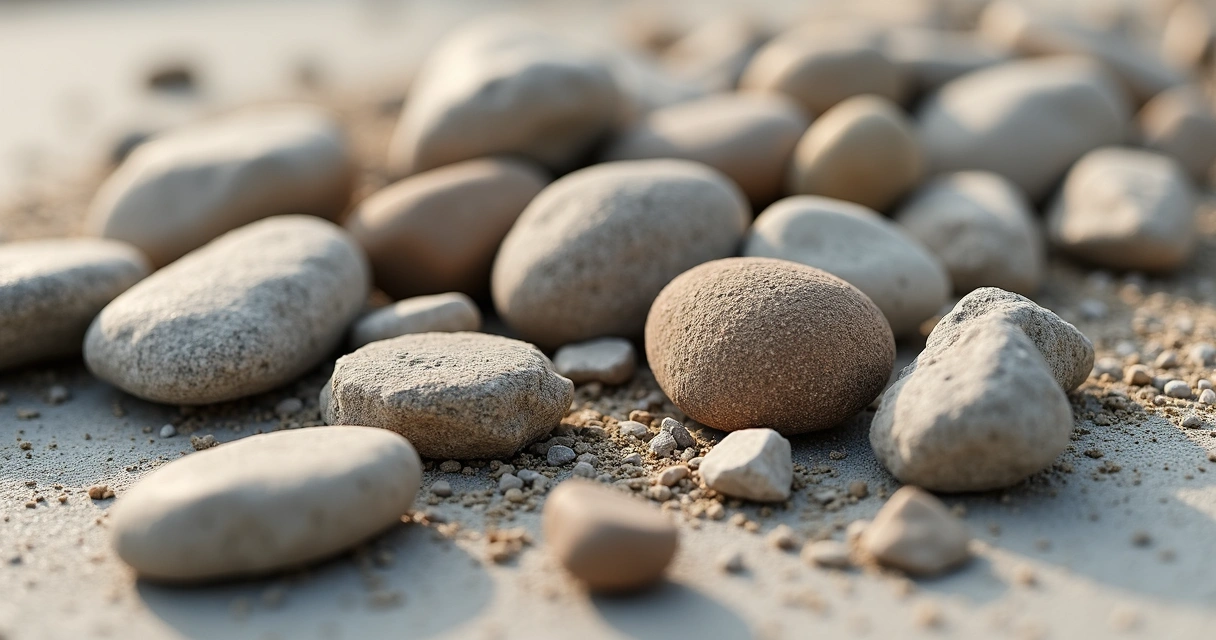
Sandy soils sometimes tempt projects to use more sand in the mix. We do not take this shortcut. Instead, we use properly-sized and washed coarse aggregate (like granite or limestone) to create a stable, dense matrix. Fine aggregates help with finishing, but too much brings shrinkage and reduces durability. Each market has preferred local materials, so our projects are always aligned with University of Florida Design and Construction Standards.
Air entrainment and chemical admixtures
Florida rarely faces deep freezes, but air-entraining admixtures can still improve concrete’s resistance to cycles of heavy rain and drying. Air-entrainment helps trap tiny bubbles, which eases internal stress during temperature swings and heavy soaking. Other admixtures, such as water reducers and plasticizers, tweak performance further.
- Air-entrainment (4–6%): Minimizes cracking risk and eases freeze-thaw cycles in north Florida and shaded, irrigation-heavy settings.
- Water reducers: Help keep mix strong without more cement, especially when finishing in humid weather.
- Retarders: Can slow down the set in summer heat, preventing ugly surface cracks or crazing on large pours.
Additives are not always essential, but a well-chosen admixture tailored to our site can pay big dividends in long-term slab integrity.
Adapt concrete mixes for common Florida projects
Driveways
- Typically 3,000–4,000 PSI
- 6–8″ compacted sub-base (crushed limestone or graded aggregate)
- No. 4 rebar spaced 18-24″, or 6×6 mesh on wider areas
- Broom or exposed aggregate finish for slip resistance
- Expansion joints every 10–12 feet; control joints at least every 5–6 feet
We always include a minimum 6″ compacted base, and we may increase thickness where truck parking, large SUVs, or sloped driveways are expected. Our teams know that the Florida clay lurking beneath new subdivisions can surprise you with shifting ground or poor drainage. That’s where solid base prep and the right concrete strength offer peace of mind.
Patios and pool decks
- 3,000 PSI is normal, but we prefer 3,500+ for pool decks and large entertainment patios
- Focus on slip-resistant finishes (broom, exposed, or textured stamp)
- Edges protected with steel or paver border
- Drains, slopes, and joint layout designed to move water away from structures
Our experience building pool decks in Orlando backs what research has shown: neglecting drainage on patios and decks causes standing water, future cracks, and sometimes slippery algae growth. Drainage comes first, then mix selection and surface finishing.
Sidewalks and walkways
- 3,000–3,500 PSI, 4–5” thickness
- Mesh reinforcement to control cracks
- Well-compacted and leveled sub-base, especially over old roots or fill
- Finish must be safe for pedestrians and ADA compliant where needed
Sometimes, in older neighborhoods, sidewalks may be poured over uneven, patchy fill with shells or construction debris hidden underneath. We always inspect and replace any soft or loose sub-base before pouring, as this reduces the risk of cracks and settlements in years to come. We’ve outlined even more about this process in our St. Cloud installation guide.
Soil testing and base preparation—the silent heroes
Concrete can only be as good as what’s underneath it. We find that many failures in Central Florida come not from the mix, but from poor soil preparation beneath the slab. Proper soil testing and compaction are at least as important as selecting the right mix design.
“Test, compact, and repeat—never hope for good luck from Florida’s sandy soils.”
We take these steps on every project:
- Remove all organic matter, plants, or loose fill from the site.
- Excavate down to dense, undisturbed soil or engineered fill.
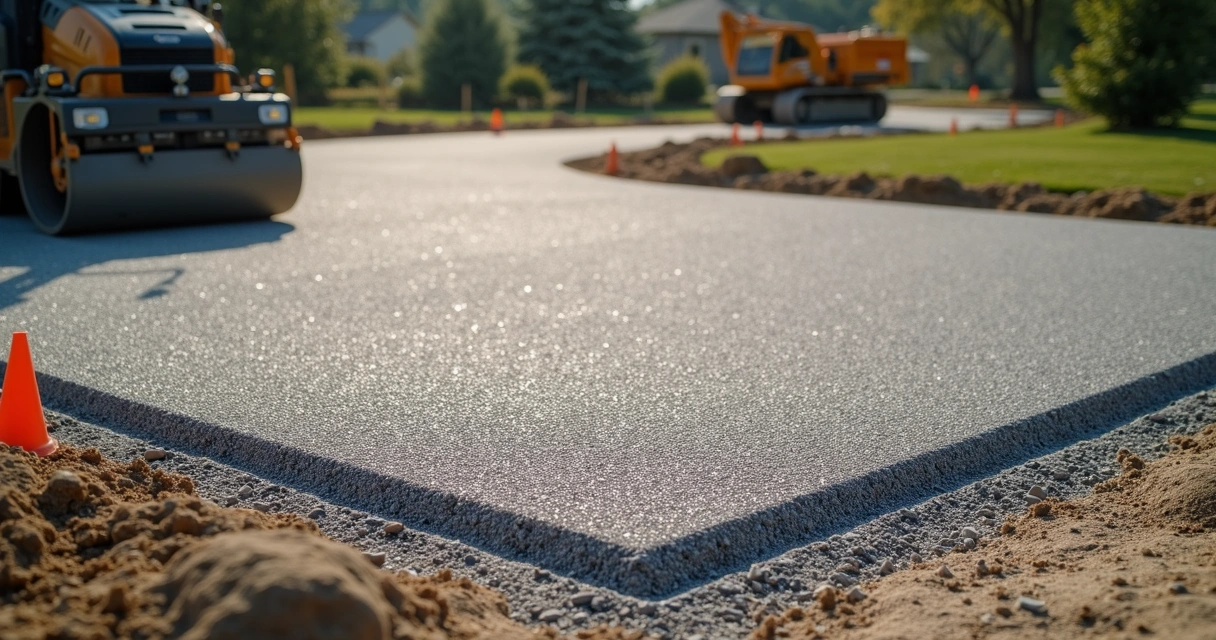
- Install at least 6–8″ layer of compacted base (gravel, crushed stone, or engineered fill per UF guidelines).
- Test compaction with a hand tamper or plate compactor, achieving “solid” feel with minimal give.
- Ensure base slopes away from buildings to support drainage.
- Check soil conditions after heavy rain—soils may shift or sink, so let it dry then verify stability again. It’s worth an extra day.
Skipping any of these steps is the fastest route to regret—future cracks, uneven surfaces, and sinking slabs. There’s no shortcut that lasts.
Joint layout, reinforcement, and finishing touches
Joints: expansion and control
Florida’s sun and summer rains cause concrete to move—expanding during heat, contracting as it cools or dries. Skipping or misplacing joints leads to unpredictable, ugly cracks. Our projects include:
- Expansion joints at drive abutments, garage doors, and wherever large slabs meet rigid structures
- Control (contraction) joints to encourage concrete to “crack” in straight, hidden lines—ideally placed one slab length or less apart, usually about every 10–12 feet for driveways
Reinforcement (steel rebar or welded wire mesh) spreads loads and holds concrete together if cracks do appear. We use No. 4 rebar (1/2”) whenever the subgrade seems questionable or for driveways/garage slabs expecting heavy loads.
Finishing concrete in Florida
Heat and humidity speed up curing, so we use:
- Broom finish for slip resistance, especially after summer storms
- Exposed aggregate for style and reduced heat retention
- Stamped or colored finishes when aesthetics matter
In our experience at GCM Best Services, fast or improper finishing in the Florida heat leads to surface crazing, scaling, and shortened slab life. Even with perfect mix design, poor timing in finishing and curing can undo all the benefits of a well-chosen mix.
What can go wrong with the wrong mix?
We sometimes see projects where the wrong mix wasn’t just a little off—it completely failed:
- Driveways that crumble under pickup trucks after one hurricane season.
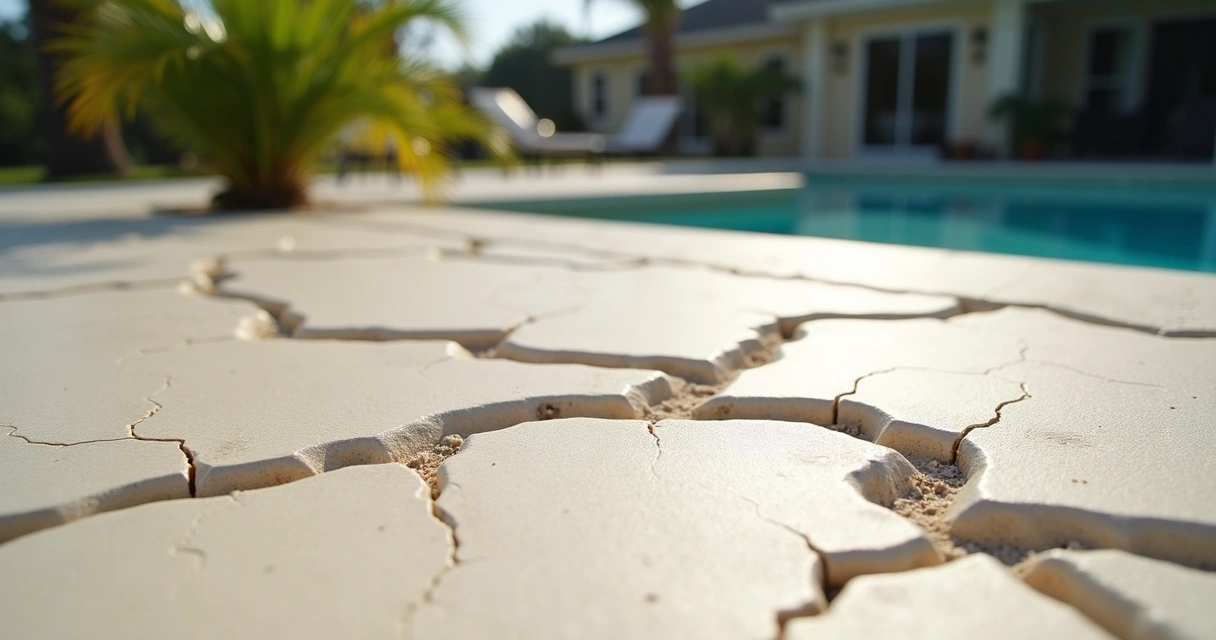
- Patios that pond, then crack in spider-web patterns a year later.
- Pool decks where handrails loosen because concrete never reached full strength.
- Sidewalks “pop” or heave after a single week of heavy rain because clay pockets under thin concrete weren’t found early.
The bottom line? Best practices—soil prep, right PSI, correct aggregates, joint layout, and reinforcement—protect your investment far more than cutting costs on mix design.
Best practices for code compliance and local expectations
Every city will have its preferred standards. We follow both Florida Building Code rules on strength testing, and the more practical recommendations found in guides to preventing cracks in Florida patios and driveways. Inspections may require proof of:
- Mix tickets, showing delivered PSI and admixtures
- Soil compaction tests for commercial and multifamily jobs
- Joint layout and reinforcement diagrams before pour
- Cure times before sealing or loading the slab
HOAs sometimes request supplemental drainage or edge restraints. Our experience suggests anticipating these asks to avoid delays or confusion. Clear, regular communication is part of our service—and it makes a real difference in project satisfaction.
The role of warranties and ongoing maintenance
Concrete is a long-term commitment. A well-chosen mix, poured with care and matched to the soil, will last for decades with basic upkeep. At GCM Best Services, our written warranty covers not just materials but workmanship, and we give clients a maintenance guide for routine sealing, cleaning, and spotting early signs of movement or settlement.
If you’re unsure about your particular soil, existing sub-base, or slab thickness, we recommend arranging an on-site visit. Florida’s variety in soils means what worked for one block may not work across the street—let alone the next county.
For more on choosing professionals who understand Florida’s climate, you can find tips for selecting the right company in Orlando.
Summing up the Florida approach to concrete mix selection
It isn’t a guessing game—successful projects start with the soil. Whether you are replacing a tired driveway or building a new patio, every Florida concrete job depends on:
- Understanding site-specific soil properties
- Prioritizing drainage and compaction long before concrete arrives
- Choosing the right PSI, water ratio, aggregate, and admixtures
- Having a joint and reinforcement plan
- Finishing and curing at the right pace for Florida’s sun and humidity
If you’re considering new concrete, want to renew old slabs, or need help with permits and specifications, GCM Best Services is here with practical experience for Central Florida conditions. The choices you make at the beginning affect results for decades after.
Ready for a professional quote? 📞 (407) 250-1948 • 24–48h • Orlando, Tampa & area.
Curious about other topics? Take a look at our advice on concrete project guidance and check out our concrete repair advice for Central Florida.
Frequently asked questions
What is the best concrete mix for Florida?
For most Florida driveways, patios, and sidewalks, the best mix is 3,000–4,000 PSI concrete with washed coarse aggregate, minimal water (0.45–0.55 water-cement ratio), and sometimes air-entrainment or water reducer admixtures. Reinforcement and proper joint spacing matter as much as the mix. Always tailor the mix to fit your specific soil and use case—no single recipe fits every job.
How does Florida soil affect concrete choices?
Florida soils are sandy, drain quickly, and often shift unless well compacted before concrete is poured. The mix—and the thickness and reinforcement—need to be chosen based on site-specific drainage, clay content, and expected loads. If you’re unsure, soil testing and base prep are key to avoiding cracks and slab movement.
What type of concrete resists Florida weather?
A 3,500–4,000 PSI mix with quality aggregate, air-entrainment, and limited water content stands up best to Florida’s heat, humidity, and rain. For outdoor slabs, a broom, exposed aggregate, or textured finish improves resistance to slip and surface wear. Curing and sealing add extra protection.
Is it worth it to use additives?
Certain additives, like air-entrainment, water reducers, or retarders, can improve finishing, strength, and crack resistance for Florida jobs. Admixtures should be matched to weather, site needs, and project scale. Not every job needs them, but when chosen with care, they add lasting value to most Florida concrete.
Where to buy quality concrete in Florida?
Quality concrete comes from local ready-mix suppliers who understand Florida soils and weather. Choose providers who can tailor mixes for your PSI, aggregate, admixture, and drainage needs. For expert advice and installation in Central Florida, GCM Best Services handles mix design and finish from start to warranty, all with local experience and clear communication.