Epoxy garage flooring offers a seamless, hard-wearing surface prized for its durability and brilliant finish—when it’s cared for correctly. Yet, what surprises many homeowners and business clients across Orlando and Central Florida is how easy it is to shorten the life of their investment by just a few common missteps involving daily traffic. We at GCM Best Services have seen countless beautiful floors dulled, chipped, or even ruined simply by not knowing which habits do harm, and which protect your garage or workspace.
In our experience, understanding how traffic interacts with epoxy surfaces is not just about preserving a showroom shine—it’s about making sure your floor remains safe, attractive, and cost-effective for years to come. We’ll share stories, real experiences, and practical know-how straight from our project teams, so you avoid these big seven mistakes that, frankly, we wish more owners knew about.
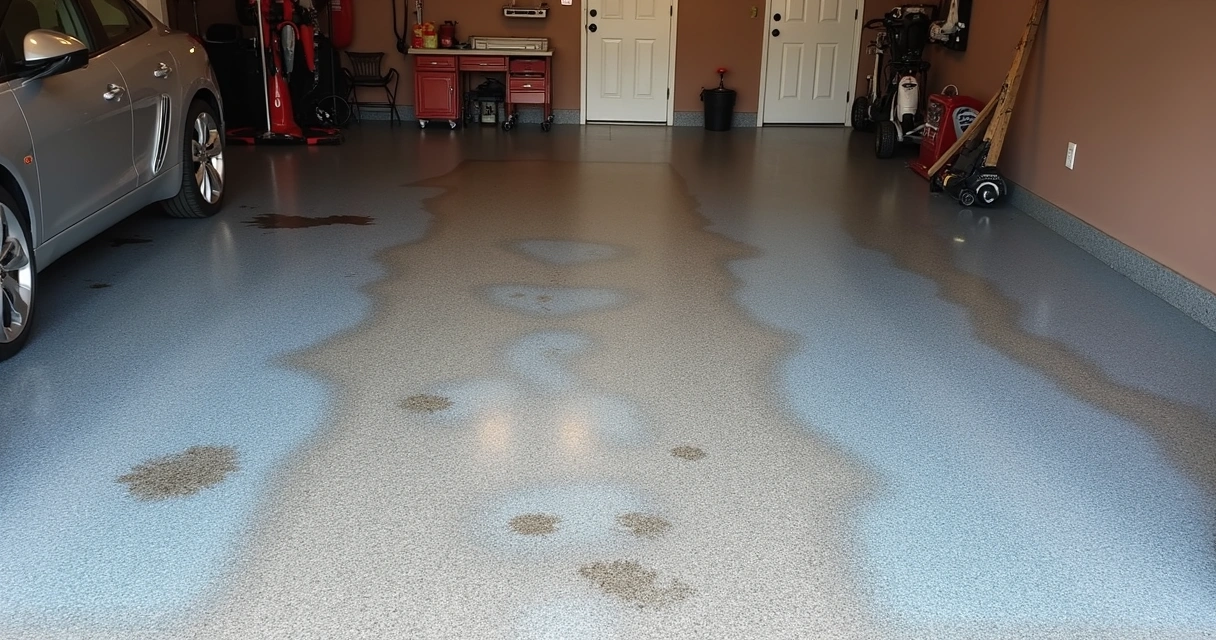
What makes epoxy floors unique in garages?
We often find that clients expect any garage coating to behave like concrete—sturdy, indifferent, almost invincible. Epoxy flooring, despite its celebrated resilience, has its own behavior under stress. Its molecular structure forms a dense, non-porous surface, offering strong protection against oil stains, water penetration, and surface abrasions. Yet it can still develop issues, especially when exposed to the wrong types of movement, excessive loading, or environmental stress.
According to studies from Monash University, epoxy-based surfaces show excellent impermeability, but their grip may decrease at higher speeds or with certain types of repeated motion. While your garage may not see racing traffic, patterns of regular car entry, sharp turns, and pedestrian shortcuts can quickly take a toll.
Let’s get specific: here are the seven most common mistakes we see, ones that can sabotage even the best epoxy floors.
The seven traffic mistakes that destroy epoxy garage floors
- Turning wheels in place (especially with heavy vehicles)
Maybe you’re in a rush, or perhaps your garage is a tight fit. It’s as simple as cranking the wheel while the car is stationary—yet this action dramatically increases the shearing force between tire rubber and the floor surface. Over time, repeated “dry steering” can scuff, dull, or delaminate epoxy.
Don’t twist wheels on the spot. Always let the car roll slightly as you turn.
In our jobs across Central Florida, we’ve noticed that luxury and performance vehicles tend to have softer, wider tires. These can be more aggressive on the floor, especially when maneuvering in compact spaces. Did you know that sharp tire pivots can tear up even a fully-cured 100% solids epoxy finish over time?
- Dragging sharp or metal objects
Epoxy is tough, but it’s not a match for dragging a steel jack, appliance dolly, or the unprotected feet of your snow blower (yes, we sometimes see those here for storage). Heavy tools or metal ladders moved without lifting can create fine scratches that accumulate fast. The smallest break in the surface can admit contaminants and water, much faster than you might think.
Lift, don’t drag—especially with heavy metal equipment.
Scratches don’t just ruin looks. Studies from Brigham Young University found epoxy treatments provide lasting protection against chemicals only when the surface remains intact. Once breached, the barrier effect is lost.
- Ignoring the risk of hot tires
Coming home on a summer afternoon, your car tires are extremely hot—up to 150°F, sometimes more, especially on blacktop roads in Florida. If the tire sits on the epoxy, then cools and contracts, it can “lift” sections of the coating through a process called plasticizer migration. What begins as a tiny area of discoloration can quickly become a patch that peels or chips away.
Hot tires are a silent enemy for unprepared garage floors.
Our installers always recommend waiting for your vehicle to cool, or using parking mats if stopping immediately is unavoidable. Not all epoxies respond equally to heat, but parking in the exact same spot, day after day, multiplies the risk of premature wear. And, from our Orlando projects, this is especially true where afternoon sun directly heats the driveway and floor area.
- Allowing oil, salt, or chemicals to sit for too long
While epoxy handles many household chemicals, it’s not immune to everything. Common sources of trouble in a garage include de-icing salts (brought undercarriage from roadways), oil drips, battery acid leaks, and even simple brake or power steering fluid. Left untreated, these can cause discoloration and, if they find a way underneath, can break the bond with the concrete.
Clean up spills as soon as you see them. Quick action saves repairs.
Research in the Polymers journal showed that epoxy with added polymers remains durable in tropical climates unless it faces long exposure to contaminated water and high temps. In Central Florida, that exposure risk is real, between hurricane season leaks and hot garages year-round).
We remind our clients: No sealer, not even epoxy, is fully invincible to repeated neglect.
- High-speed driving or abrupt stops inside the garage
It might sound odd, but we see this mistake in stores, workshops, and even residential garages with kids behind the wheel. Driving in quickly, spinning tires, or slamming the brakes doesn’t give epoxy time to buffer the force—especially not compared to slow, controlled entries. Micro-abrasions result, often appearing as dull circles or “burns” near entryways.
The Monash study on epoxy asphalt concrete confirmed that skid resistance diminishes with speed. In practical terms: fast entries and sudden stops wear down epoxy coatings noticeably faster than steady, slow traffic. Most damage occurs near the garage door threshold, a spot we’r often asked to repair.
- Running heavy-duty machinery not suited for coated surfaces
We get it. The garage is not just for cars. It’s sometimes a woodshop, gym, or rehearsal space. But running rolling tool chests with steel wheels, using floor jacks with non-padded feet, or moving snowblowers/pressure washers not designed for coated floors, places all the load on thin lines, rather than distributing it evenly. That creates pressure points that can leave gouges or even punch through the coating into the concrete slab below.
Weight matters, but so does the shape and material of what’s moving across your floor.
If you ever find yourself needing advice about equipment or prep for your workspace, ask us. We founded GCM Best Services on the promise that we’d explain these details, not just handle the install.
- Exposure to floodwaters or steam cleaning without adequate drainage
This last issue is sadly common. Garage floors, especially older ones, often lack adequate drainage. If standing water or steam cleaning leaves puddles, over time water can find the tiniest flaw and work under the epoxy, eating at the bond. Once water gets in, especially in Florida’s humid climate, it accelerates peeling, blistering, and staining.
Never leave puddles; standing water is the enemy of every floor finish.
If you’re considering a new installation, choosing a company that thinks proactively about drainage and flood risk is invaluable.
Why common habits put your investment at risk
We believe that most garage floor damage happens slowly, almost invisibly, until one day you can’t ignore it. Epoxy isn’t fragile, but it asks only for a few good habits to outlast traditional paint or bare concrete. Owners who sweep or mop routinely, manage heavy items carefully, and keep an eye on the entry point where hot tires land—a spot that gets the most abuse—almost always enjoy floors that look new longer and require fewer repairs.
But even one overlooked mistake, repeated often, can weaken the coating. That’s why we stress not just professional installation, but lifelong support, including our written guides and walkthroughs after every project. Our clients in Orlando, Tampa, and throughout Central Florida see the difference, even years on.
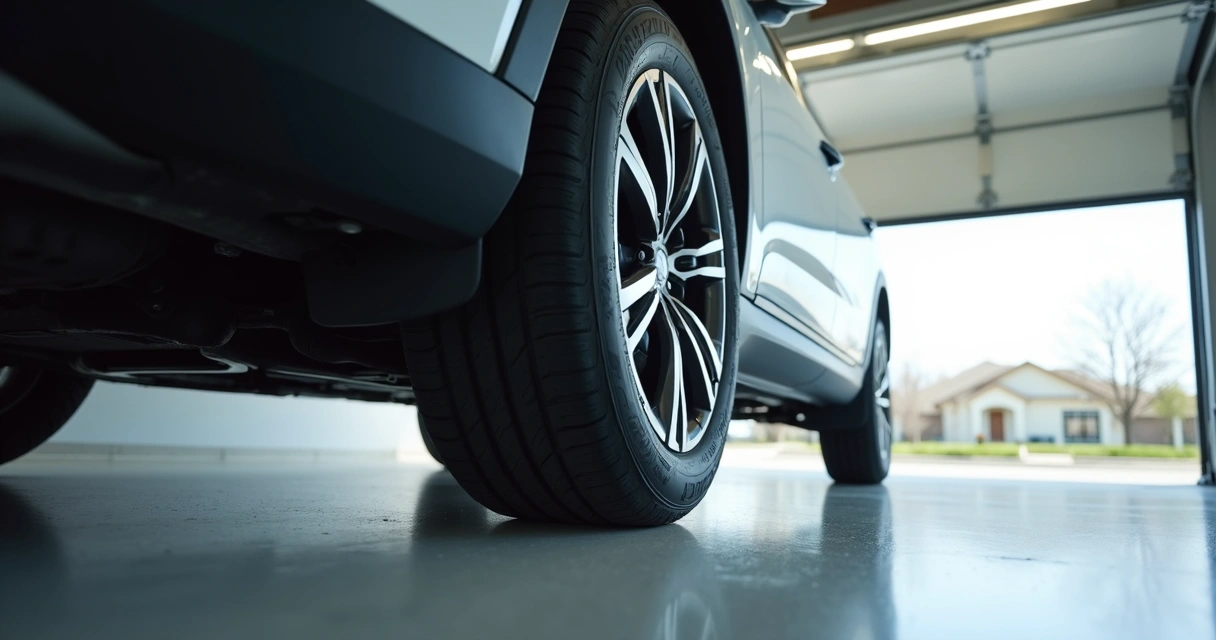
Is epoxy the right choice for your Florida garage?
We’re often asked if epoxy is the right solution, given our weather, humidity, and the level of foot and car traffic our clients see. Epoxy coatings, when applied right, excel in both residential and commercial garages—but only when paired with prep, installation, and aftercare designed specifically for Florida conditions.
Our team follows a process built on moisture testing, surface grinding, precise crack repairs, and options like slip-resistant textures or quick-curing polyaspartics for rush projects. We see each garage floor as a system, one that needs to handle weather swings, high humidity, and, often, unexpected flooding. For more details, our guides like what to consider for concrete repair may help answer common surface prep questions.
Importantly, adding features like baseboard cove coatings, light or dark color blends, and even integrating branded designs is now part of many homeowners’ wish lists in Central Florida. We advise honestly—sometimes, for extremely heavy-duty shops, there may be better fits. But for 95% of garages, modern epoxy with the right topcoat is more than equal to the task.
Signs your epoxy floor is suffering traffic damage
If you’re wondering whether your floor already shows the early stages of wear, check for:
- Gray, brown, or black “shadow” marks around frequently used parking spots
- Fine scratches or swirling just beyond the garage door threshold
- Peeling or bubbling at edges or in the center of wheel tracks
- Oil, brake fluid, or rust stains you can’t remove with garage cleaners
- Areas that feel sticky or softer underfoot (often early sign of failed bonding)
If any of these appear, act sooner rather than later. Small repairs now can prevent larger, more expensive fixes later.
Don’t forget, you can learn more about how professional concrete care matters for longevity by browsing our concrete resources, including specific advice for Central Florida homes and businesses.
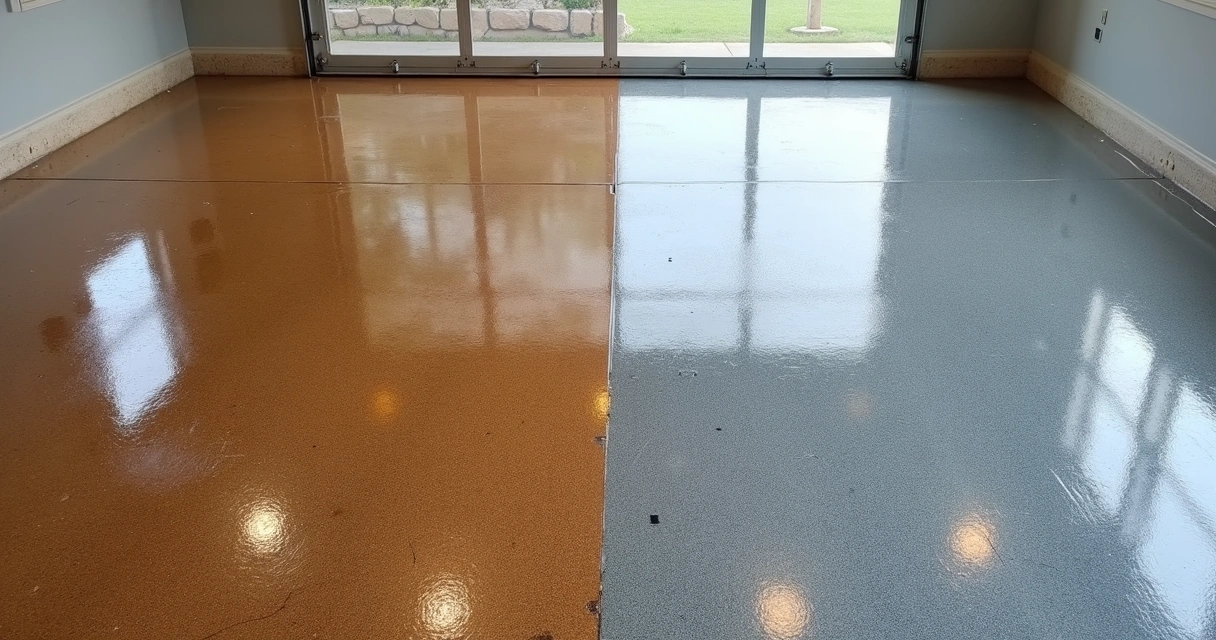
How to protect your garage floor from everyday harm
As much as we focus on mistakes, our mission as a licensed Florida contractor is to empower clients with the right habits:
- Clean spills immediately, especially oils, acids, and salts.
- Use parking mats in high-temperature areas or if you routinely park hot vehicles.
- Lift heavy items—never drag them. Pads under steel feet or furniture go a long way.
- Give your tires a moment to cool off outside or in the driveway when possible.
- Install entry thresholds or mats at the garage door to reduce abrasion.
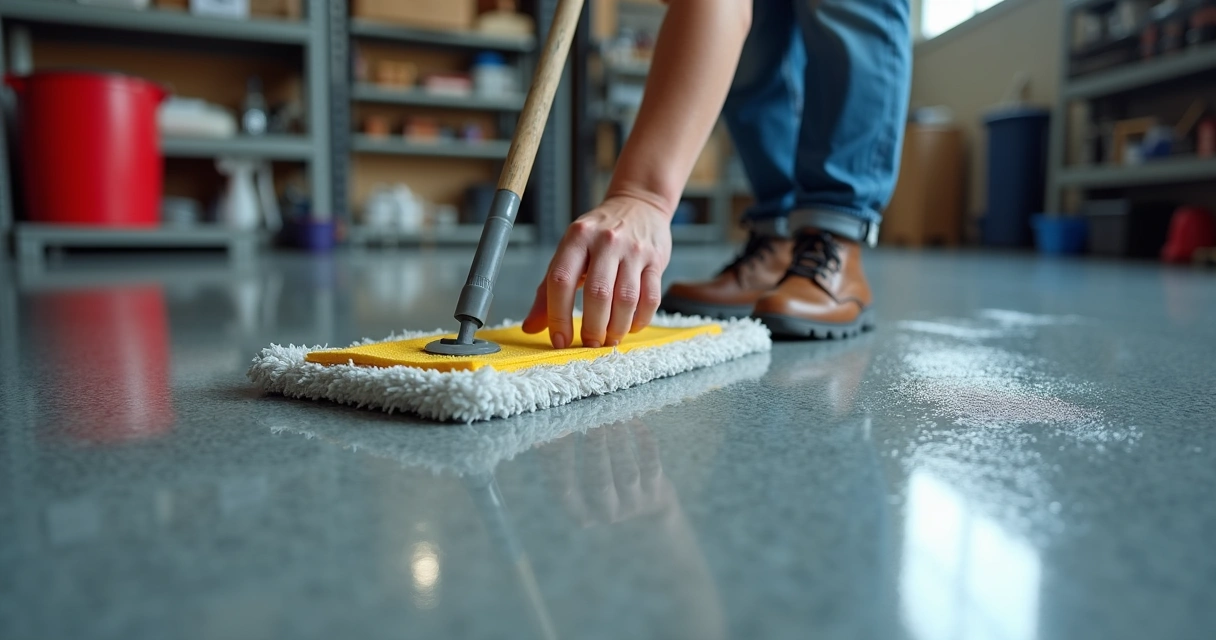
- Mop and sweep regularly; fine sand is a hidden enemy in Florida.
- If flood or water table issues exist, get a drainage assessment. Our team can advise and even handle HOA concerns and permits.
These steps mirror what we’ve seen succeed over hundreds of installs, from small homes to retail spaces and working shops in the area. It takes moments, but the effect is long-lasting—and far cheaper than a full resurface.
Why choose a professional for installation and repair?
Many Florida garages suffer because of improper installation—lack of surface prep, the wrong epoxy formula for the climate, or skipping final clear coats. In our Orlando and Tampa projects, we’ve fixed floors with unbonded layers or mismatched blends that simply didn’t hold up. A professional, experienced installer accounts for drainage, humidity, sub-base compaction, and even the exact finish (from broadcast flake to anti-slip quartz) to suit your specific habits.
GCM Best Services offers not just execution, but a maintenance guide, a written warranty, project photos, and advice as needed—long after our crew leaves. If you want to see what matters in choosing a concrete and epoxy pro in this area, our resource page is packed with tips.
Planning a new home, commercial property, or just want your garage to be more than a parking space? We’ll work with you to design, install, and maintain a floor you’re proud of—avoiding mistakes that cost so many Central Florida owners dearly. See our guide for integrated concrete and hardscape projects in St. Cloud and surrounding towns.
Conclusion: Secure your investment, enjoy your space
Epoxy garage floors, when treated with the respect they deserve, outlast and outperform most alternatives available for Orlando and Central Florida homeowners. Most mistakes, as we’ve found at GCM Best Services, stem from simple habits that are easy to correct once you know what to look for.
In short: roll as you steer, clean as you go, and keep water where it belongs. With the right guidance—whether at the time of install or years into usage—you can expect a finish that’s beautiful and practical in Florida’s demanding climate.
Ready for a professional quote? 📞 (407) 250-1948 • 24–48h • Orlando, Tampa & area.
If you want advice, service, or a full redesign, reach out and discover why so many in Central Florida trust our process and our people. We stand behind every project—photos, warranty, and support included.
Frequently asked questions
What is an epoxy garage floor?
An epoxy garage floor is a concrete surface coated with a durable, chemically-cured resin that forms a hard, glossy, non-porous finish. This coating protects the underlying concrete against spills, stains, abrasions, and many forms of wear common to garages. The process involves preparing the slab (through cleaning, grinding, and repairs), applying a primer, and layering epoxy or polyaspartic material—sometimes with decorative flakes or anti-slip granules. Once cured, the floor is seamless, easy to clean, and available in various colors and finishes. at GCM Best Services, we tailor each application to suit Central Florida’s unique climate and usage patterns.
How to prevent damage from car tires?
To prevent car tire damage on epoxy floors: avoid turning your steering wheel while parked, allow hot tires to cool briefly before entering the garage, use quality parking mats under frequent tire spots, and keep the floor clean of sand and debris that might cause micro-abrasion. If possible, alternate parking positions slightly every so often to distribute load and heat. All these steps help stop hot tire pickup and reduce surface wear—especially in Florida’s hot summers.
Is epoxy flooring worth it for garages?
Epoxy coatings are generally a sound investment for garage floors when installed and maintained properly. They outperform traditional paints, minimize dust, protect against stains, and create a professional-looking space that’s easy to wash. Their longevity—especially in homes where cars, tools, and occasional flooding are common—makes them an especially popular choice in Central Florida. At GCM Best Services, we feel that, with the right care, epoxy is a great value for most homeowners.
How much does epoxy garage flooring cost?
The cost of epoxy garage flooring in Central Florida ranges widely, typically from $4–$8 per square foot for residential installations, depending on floor condition, coating thickness, preparation, and finish options. Unique colors, patterns, rapid cure systems, or heavy repairs may increase costs. Accurate quotes are best given after a site visit. We provide free, detailed estimates for all projects, so Orlando and Tampa clients know exactly what to expect—with no obligation.
What are common mistakes with epoxy floors?
The biggest mistakes we see are dry steering (turning wheels without moving), dragging heavy or metal objects, leaving hot tires parked in the same spot every day, neglecting chemical spills, and running high-speed or abrupt traffic through the space. Improper installation—such as failure to prep the concrete, using incorrect epoxy blends, or skipping clear coats—also reduces floor life. Being aware of these, and working with an experienced team such as GCM Best Services, helps ensure your floor stays stunning and robust for years.
Thank you for your sharing. I am worried that I lack creative ideas. It is your article that makes me full of hope. Thank you. But, I have a question, can you help me?