Homeowners and property managers in Central Florida often start backyard concrete projects with visions of smooth patios or sturdy driveways. But there’s a side to these improvements that rarely gets discussed before the first shovel hits the soil: the “hidden costs.” At GCM Best Services, we’ve seen how expectations can clash with reality. Sometimes the true price of concrete work only becomes clear after problems show up, or the budget stretches well beyond the first estimate.
In this guide, we’ll outline where these unexpected costs come from, why they matter, and how to plan so your backyard concrete investment doesn’t lead to frustration. We will share stories that illustrate real-life challenges, walk step by step through overlooked expenses, and detail the questions we always ask before starting a concrete project. If you’re planning a new slab, patio, pathway, or pool deck in the Orlando area, you’ll want to read this entire article.
Why do backyard concrete costs seem to grow?
One day, you’re excited about a new backyard patio. A week later, you might find yourself facing invoices for things you never even considered—extra material, repair work, or special inspections. Why does this happen? After decades in the business, we’ve tracked the sources of these surprises.
- Initial quotes can sound lower than your final bill, especially if details are vague.
- Local soils and drainage in Florida can require more preparation than most expect.
- Poor weather or missed permits can delay work, costing more in both money and time.
Hidden costs often appear when the work site reveals issues that weren’t obvious during the walk-through, or if the chosen contractor isn’t transparent about what’s included in their price.
“Surprises on a concrete project hurt more than you expect. Upfront clarity matters.”
Soil, base preparation, and subgrade surprises
Not all ground is created equal. In Central Florida, our unique sandy soils require careful handling to keep concrete driveways and patios performing for years. We at GCM Best Services never skip these vital steps, but not every project starts with the right groundwork. And any shortcuts here will lead to real extra costs down the line.
Why proper soil prep is non-negotiable
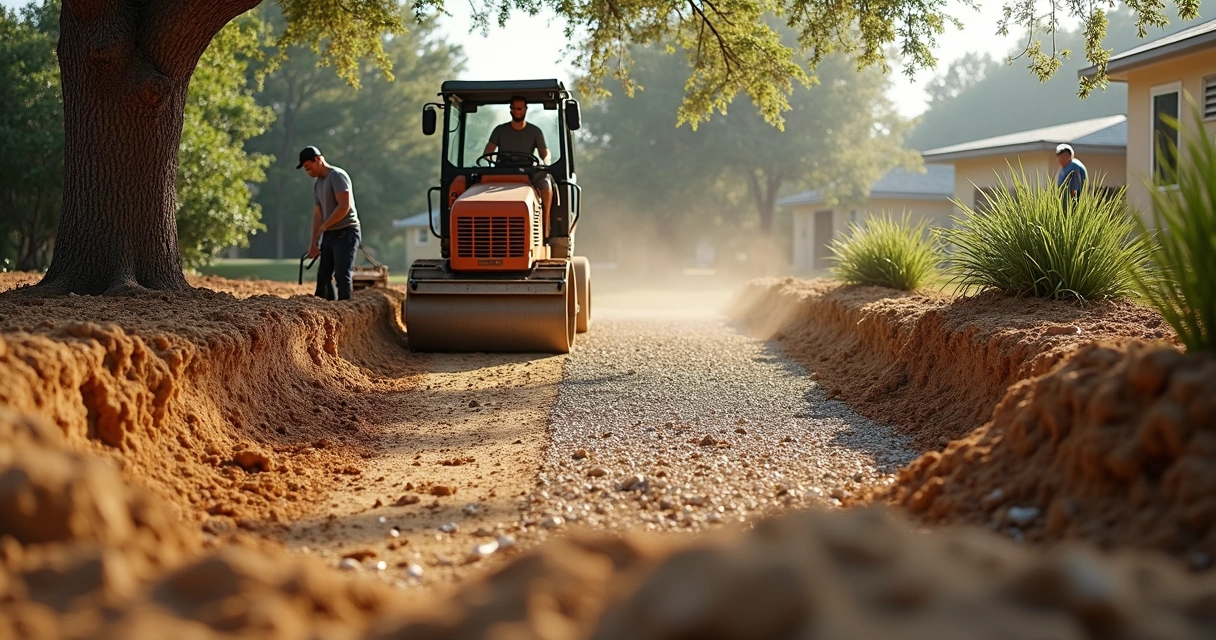
Before concrete goes in, the subgrade needs to be stable, compacted, and graded to ensure proper support and drainage. Skipping soil compaction, underestimating organic matter, or assuming your site drains well is risky. Common surprises include:
- Discovery of weak or unsuitable soils that require extra excavation
- Uneven ground needing professional grading, adding time and rental fees
- Surprises like tree roots, buried debris, or hidden irrigation lines that hinder compaction
We often recommend 6–8 inches of compacted sub-base for Florida’s shifting sands. Cutting corners on this stage to save money can quickly backfire.
Permits, inspections, and regulatory expenses
Navigating city and county rules is an invisible cost that’s easy to overlook. Central Florida requires permits for most new slabs, patios, and driveways, especially if your concrete will support a structure, connect to the road, or exceed certain sizes.
The cost of compliance
Here are some potential expenses tied to regulations:
- City or county permit application fees (can run from $100 to $600+ depending on scope)
- Mandatory site plan drawings or certified surveys
- HOA approvals for neighborhoods in Orlando, which may add paperwork and time
- Building inspector re-inspection fees if a project fails the first check
If permits and HOA approvals aren’t done right, you may face delays, stop-work orders, or even penalties. We include all the paperwork when we quote a job at GCM Best Services, but some homeowners don’t realize how these steps add not just cost, but time, to a project.
Drainage and water management: The invisible threat
“Concrete looks solid, but too much water or poor grading turns beauty into a maintenance headache.”
Many backyard slabs in Florida later develop ponding and cracks because water isn’t managed well. Overlooking drainage design is a quick way to invite trouble—and extra expense.
What makes drainage tricky in Florida?
Our region gets intense downpours. If the slab isn’t sloped and surrounded by well-drained soil, water can pool, leading to staining, mold, or even structural problems.
- Poor surface slope causes puddles on your patio or driveway
- Water flowing toward your home’s foundation threatens both the concrete and your home’s stability
- Hidden plumbing or irrigation lines damaged during concrete work
Remedying these problems after the fact is far costlier than getting drainage right from the start. We often integrate channel drains or re-grade sites, building these essentials into our quotes from the beginning. For more details on how to prevent concrete cracks in Florida, take a look at our guide on avoiding cracks and drainage issues.
The role of concrete mix, thickness, and reinforcement
A common cost-cutting mistake is using a weaker mix or thinner slab than Florida conditions require. While a thin slab may look good at first, it’s likely to crack or shift much sooner. Reinforcement is another non-obvious cost that can make or break your project in the long run.
Choosing the right concrete
For patios and driveways, we specify a 3,000-4,000 PSI strength mix, with rebar or wire mesh reinforcement, and minimum slab thicknesses appropriate for Florida’s soils. Sometimes project budgets are built using national averages, ignoring our region’s specific soil and rainfall challenges.
- Cheaper mixes can result in early cracking, spalling, or color variations
- Unreinforced slabs might move or settle unevenly, especially if used for vehicle traffic
- Broom finish, exposed aggregate, or stamped patterns each have their own material and labor costs
When choosing design features or reinforcement methods, ask your contractor for itemized costs and local references. And remember, the lowest bid often skips these steps—leading to headaches and repairs within just a few years. Our concrete service resources help clarify which approaches actually make sense for your goals.
Access, demolition, and site obstacles
Some properties have easy access from the street or alley for equipment and trucks. Others have narrow gates, mature landscaping, or small yards filled with obstacles. These access issues can lead to extra costs fast.
Site factors that aren’t always obvious at first
- Narrow driveways or fences requiring removal and re-installation
- Existing concrete, sheds, or plantings that need demolition
- Hauling debris offsite, which can add dumping fees
We always physically walk the project site and account for these variables in our estimates. If your first quote doesn’t mention these factors, double-check before agreeing to a contract.
Weather delays and concrete curing factors
Florida’s climate is one of a kind. Afternoon thunderstorms, high temperatures, and humidity can disrupt even the best-planned schedules. These aren’t just inconvenient—they can lead directly to higher bills.
How weather impacts backyard concrete work
Concrete isn’t just poured and forgotten—it has to cure under safe, controlled conditions for strength and longevity. Rain delays, temperature swings, or even unexpected cold snaps add variables.
- Cost of tarps or curing blankets if rain hits a fresh pour
- Return trips to a project because weather stalls progress
- Potential need for additives or adjusting the mix design for high heat or humidity
Communication is key when the forecast shifts. We always budget extra time in our schedules to allow for such slowdowns, and we keep our clients informed when unexpected weather hits.
Decorative finishes, add-ons, and last-minute design changes
It’s common for homeowners to dream big when discussing concrete finishes—maybe stamped patios, exposed aggregate, or hand-troweled borders. Each custom treatment can add real value, but each also comes with more labor and materials. Sometimes clients opt for these “extras” after the project starts, which causes scope—and cost—to grow.
Choosing value, not just appearance
- Stamped or colored concrete often doubles finishing costs
- Adding expansion joints or control cuts as design elements
- Decorative edges or custom surface textures
We always encourage budget discussions prior to starting so clients know the real price of each upgrade, not just the base slab price. Changing finishes after concrete is ordered leads to wasted material and crew downtime—a classic source of hidden expense.
Warranty, long-term maintenance, and repair risk
The end of the job isn’t the end of your costs. Unexpected repairs, joint resealing, or solving minor settlement issues can pop up if the concrete isn’t installed with best practices and high-quality materials.
Long-term value costs less than quick fixes
When you read a quote, look for written warranties and a clear maintenance guide. Are there guarantees against cracking, spalling, or settling? Can you reach your contractor a year later if you see issues? Our team at GCM Best Services provides written guarantees and photo documentation of every step, and our guide to repairing concrete correctly is based on helping property owners avoid future headaches.
- Proper joint sealing reduces future repair bills
- Routine resealing for decorative finishes maintains appearance and strength
- Ignoring maintenance can lead to expensive structural repairs within only a few seasons

The true value of clear communication and project planning
“Every dollar spent understanding your project is a dollar saved after the work ends.”
A good contractor will lean into discussion about all these “what ifs.” The best projects start with a no-obligation site visit, an open conversation about budget, and a line-by-line quote spelling out every item. At GCM Best Services, we’ve honed a process that makes every step visible and predictable.
If you want even more tips on picking the right concrete company in Orlando, we offer a detailed guide on what to look for in a contractor and what questions to ask. For St. Cloud projects, our local installation guide points out specific concerns for that area.
How can homeowners avoid backyard concrete budget blowouts?
Over the years, we’ve helped families and businesses recover from projects that ran amok. In most cases, the fix was simple: bring everything out in the open at the start. Here’s the approach we recommend to all our clients:
- Get a thorough onsite assessment, including investigation of access, utilities, and drainage
- Ask for itemized, written quotes covering every step—demolition, base prep, finishing, and cleanup
- Request permits and warranty information in writing
- Ask about ongoing maintenance requirements and expected future repair costs
- Set aside a contingency fund, typically 10-15% above the quoted price, to cover any surprises
We always encourage clients not to accept vague or verbal-only estimates. Every agreement should spell out what happens if conditions change or last-minute extra work is needed.
Conclusion: Get clarity for every backyard concrete project
No matter your budget or experience, backyard concrete can introduce sudden costs if you don’t ask the right questions and plan the work thoroughly. We believe that transparency reduces surprises, which keeps your project on track and your property value high. When you work with a professional team like GCM Best Services, from the first assessment through the final walkthrough, you get clear communication and real peace of mind.
Are you ready for a backyard upgrade, or just want to know what your real costs might look like for your next project? Reach out to our team for a free, no-obligation estimate—let’s plan your perfect space together.
Frequently asked questions about hidden costs in backyard concrete projects
What are hidden costs of concrete projects?
Hidden costs are unplanned expenses that can arise during a concrete project, such as additional soil preparation, permit fees, extra material for proper thickness, drainage fixes, or costs from improper access and weather delays. These can include charges for demolition, debris disposal, warranty items, or site-specific challenges not found in the original quote.
How much does backyard concrete really cost?
The final cost for backyard concrete varies widely depending on size, thickness, design features, site conditions, and local permitting. In Florida, basic patios or driveways may start at $8 to $15 per square foot, but with factors like extensive prep, drainage, access issues, or decorative finishes, this cost can climb. It’s wise to budget an extra 10-15% for contingencies.
Is it worth it to DIY concrete?
DIY concrete can seem less expensive up front but carries risks of extra costs due to error, failed inspections, or lack of equipment for compaction and finishing. Many homeowners end up spending more correcting mistakes or bringing in professionals after problems arise. If you are not experienced with Florida soils and local codes, it’s usually better to bring in a licensed contractor.
What permits do I need for concrete work?
You may need a city or county building permit for new backyard slabs, patios, walkways, or driveways, especially if they involve structural support, are over certain sizes, or affect drainage. Many communities in Central Florida also require HOA review and approval before work starts, along with possible surveys and site plans.
How can I avoid extra concrete expenses?
Plan ahead with a thorough onsite assessment, get written quotes detailing every step (preparation, permits, drainage), and choose a contractor who explains what is included. Always budget a little extra. Reading reviews, checking references, and reviewing guides like ours can help prevent those hidden costs.