Floors, patios, driveways, and walkways all face wear in Florida’s climate. Rain, sun, heat, humidity, and daily use can take their toll. Property owners in Central Florida search for ways to restore these surfaces without a total replacement. Polymer concrete overlays are an answer worth understanding. We bring two decades of field experience to this detailed guide. Here, you’ll find everything you need to know about polymer overlays, where they fit, how they’re installed, what to expect, and how GCM Best Services approaches them for solid, attractive results in our region.
What is a polymer concrete overlay?
Polymer concrete overlays are special coatings that use a mix of cement, mineral aggregates, and polymer resins. These overlays are applied as a new top layer over existing concrete surfaces. Their purpose: to provide improved durability, lasting color, and resistance to damages that ordinary concrete can’t always stand up to.
Polymer overlays bond to old concrete, creating a strong, thin, weather-resistant surface that brings new life to tired slabs.
Unlike standard concrete, which mixes cement with water, polymer overlays use resins like epoxy, acrylic, or polyester to enhance the mix. These resins fill in pore spaces, increase bonding, and allow the overlay to flex a little more than brittle plain concrete.
Why choose a polymer concrete overlay?
We often meet property owners weighing the choices between patching, resurfacing, or full demolition. Each has pros and cons. In our experience, a polymer overlay offers several benefits for homes and businesses:
- Extends the usable life of existing concrete at a lower cost than replacement
- Improves slip resistance for pool decks, patios, and walkways
- Adds decorative effects—colors, textures, and patterns—from a simple broom finish to stone- or tile-like looks
- Resists stains from tires, oil, leaves, or Florida mud
- Reduces future cracks, chips, and dusting
In one case, after a summer kitchen project in a Central Florida backyard, the concrete patio was spotted with grease and faded. Rather than break out and replace it, we restored it with a thin stamped polymer overlay. The result? A fresh look with better grip—finished in days, at a fraction of full demo work.
Polymer overlays repair, refresh, and protect surfaces—without starting over.
How does a polymer overlay work?
All overlays depend on creating a tight bond to the concrete below. If the bond fails, the new layer can peel, chip, or delaminate. Polymer overlays use resins to form strong adhesive bridges between the existing substrate and the new layer.
Here’s what makes them effective:
- Penetration: The resin soaks into small cracks and pores, sealing out moisture and contaminants.
- Flexibility: Polymer-cement mixes can move slightly as concrete expands or contracts in heat and moisture.
- Strength: When fully cured, overlays provide compressive strength similar to traditional concrete—sometimes higher.
Many overlays are troweled, sprayed, or squeegeed on at a thickness of 3/16″ to 1/4″, with custom textures added before curing.
Studies by the Institute for Transportation at Iowa State University show overlays perform well when surfaces are properly prepared and mixes are accurately blended with the right proportion of polymer. Failures were linked more to bad prep than to the overlay material itself.
In our own work at GCM Best Services around Orlando, we stress prep and mix accuracy as the keys to a long-lasting result.
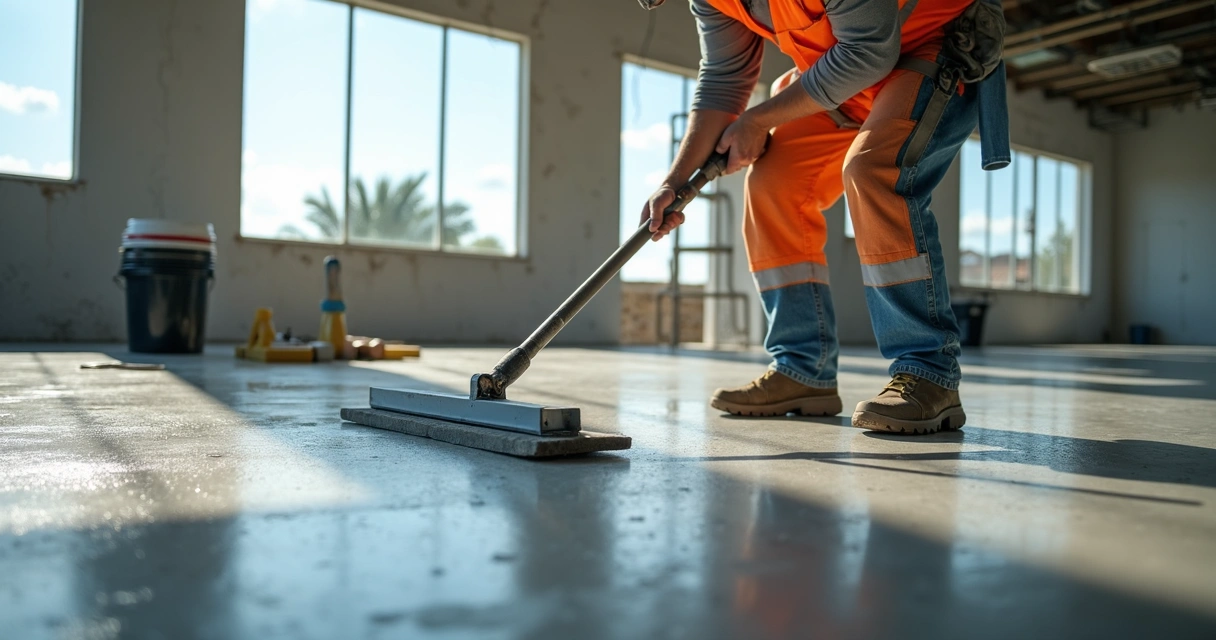
Types of polymer overlays and their uses
There isn’t only one kind of overlay. Each is tailored by mixing different resins and aggregates for certain results. Here are the most common:
- Acrylic-based overlays: Good for decorative work and moderate wear, often used around pools
- Epoxy overlays: Deliver high chemical and abrasion resistance—best for garages, warehouses, and commercial areas where tire traffic or chemical spills occur (learn more about epoxy from our concrete solutions section)
- Polyester/Polyaspartic overlays: Known for fast curing and UV stability, great for both indoor and outdoor use in Florida’s sun
You should pick a system based on both surface condition and what you want from your finish—grip, color, strength, or chemical resistance. We adjust our recommendations to fit your needs and your property’s setting.
A thesis from Brigham Young University provides technical field and lab data on polyester polymer concrete used in overlays. It highlights careful mixture selection and testing as a big factor in getting consistent, long-lasting performance.
Preparing a concrete surface for overlay installation
Preparation is where overlays succeed or fail. We never skip or shortcut these steps:
- Assessment: Testing the slab for cracks, moisture, dusting, or old coatings
- Cleaning: Removing dirt, grease, paint, and loose material
- Repairs: Filling spalls or deep cracks with patching compounds
- Profiling: Using grinding or shot-blasting to create a slightly rough but clean surface for bonding
- Moisture check: Confirming slab is dry enough to prevent bubbling or debonding
If the substrate is weak, contaminated, or moves due to ongoing settlement, overlay results suffer. In our guide to concrete repair, we dig deeper into inspection and prep steps that help overlays last.
Surface prep sets the stage for success. Every hour here protects years of overlay life.
Overlay installation: the process step by step
After prep, the overlay can be installed. Here’s our usual approach:
- Mask and protect walls, landscaping, drains, and sensitive areas
- Mix resin, cement, and chosen aggregate with precision—timing and tools matter
- Pour or spread the fresh overlay to create the desired thickness
- Apply texture—broom, trowel, stamp, or spray effect (depending on slip requirements and appearance goals)
- Add decorative color, chips, or flakes as needed
- Allow cure time—usually several hours to a full day for light foot traffic, and longer for vehicle use
- Seal the surface if required by system specs (some polymer overlays are self-sealing)
Every job varies, but we track weather, temperature, and humidity. Those can impact set times and final strength. In Florida, rapid summer storms and variable heat challenge our scheduling and curing steps, so we keep crews ready and informed to respond during installation.
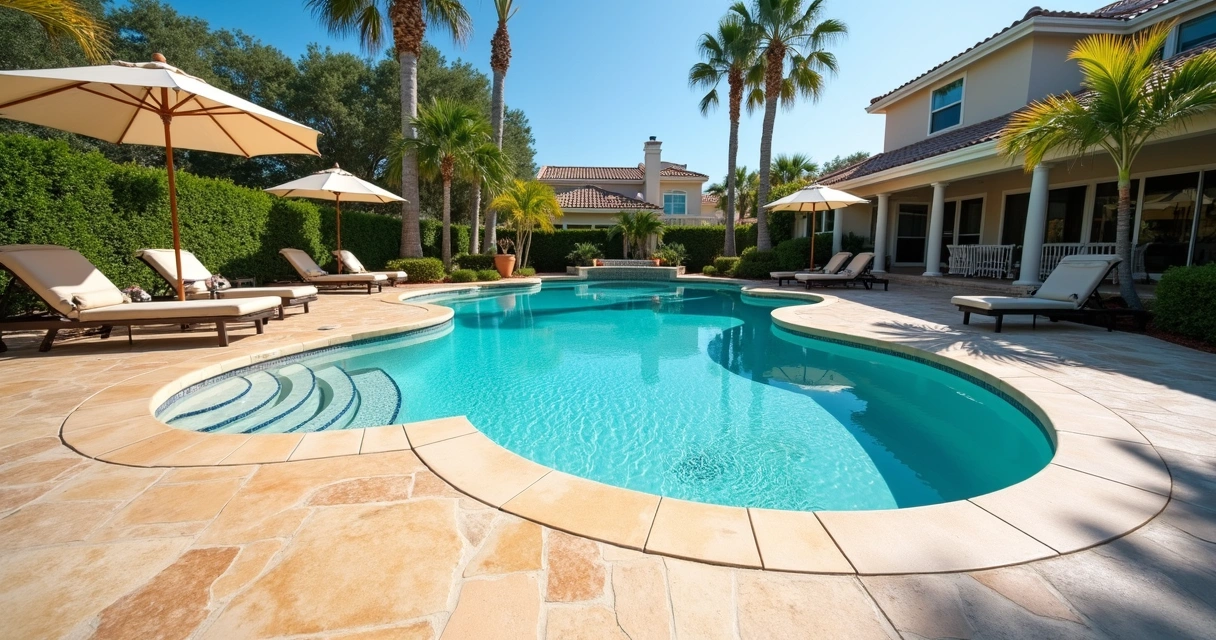
Advantages and some limits of polymer overlays
We believe in setting clear expectations. Polymer overlays aren’t fit for every single situation. Here’s how we sort their benefits and limits:
- Advantages: Quick to install, lower cost than full replacement, minimal disruption, wide range of finishes, durable in Florida’s climate, protects against new stains and some cracks
- Limits: Can’t solve severe structural damage or deep-moving cracks, require good base concrete, performance depends on perfect prep, not always ideal for surfaces with frequent flooding or strong chemical exposure
People often ask if overlays are just for looks. The answer is no—the right polymer system withstands heavy use, including forklifts and traffic, as proven by studies from the Virginia Transportation Research Council. Some overlays may show changes in permeability or slip resistance after years outdoors, but the right resins and regular resealing reduce these issues.
Polymer overlays in Central Florida—what makes them special?
Weather and soil in Central Florida set unique rules. Regular, steamy rain, strong sun, sandy soils, and hurricanes all stress concrete work in ways other regions don’t experience. In our jobs across Orlando, Tampa, and the surrounding area, we’ve seen overlays solve many recurring problems:
- Ponding: Polymer overlays can be used to fine-tune existing slopes, helping to correct shallow areas that collect water and breed mold or algae. Our approach may involve custom-built slopes and drainage channels—covered in our guide to preventing cracks in Florida concrete.
- UV exposure: Modern acrylic and polyaspartic overlays resist fading even with full sun, sometimes for 10+ years with basic care.
- Moisture and humidity: By filling pores and tiny cracks, overlays slow down water intrusion and minimize freeze-thaw or expansion issues.
- Quick cure times: Many polymer overlays can be walked on within a day—even faster for some fast-cure products. This allows for business and home routines to stay on track with little interruption.
Color and decorative effects possible with overlays
One advantage we appreciate with polymer overlays is their creative range. Unlike the gray slab you might expect, overlays can be crafted in:
- Solid colors or subtle tinting to match existing décor
- Stained, mottled, or textured effects for a natural stone, tile, or brick look
- Exposed aggregate or quartz for pool decks and patios
- Custom patterns—logos, borders, geometric shapes—all made during the installation
We’ve used overlays to refresh dull sidewalks, create bold retail entrances, and restore historic surfaces with period styling. Each project allows property owners to select the look and feel, whether conservative or eye-catching. You’ll see many finished examples in our guide to driveways and patios.
Your surface, your style—without rip-out or big construction mess.
How long does a polymer overlay last?
This is one of the top questions we hear. Most well-installed overlays last 7-15 years on concrete in residential or commercial use. Some systems may reach past 20 years with cleaning and resealing. Here’s what makes a difference:
- Quality of prep and installation—the biggest factor across all studies and field reports
- Type and thickness of overlay—thin decorative overlays for light foot traffic can’t match the life of thick, heavy-duty epoxy on garage floors
- Weather and exposure—heavy sun, standing water, chemicals, and de-icing salts can speed up wear, so periodic inspection and resealing help
- Crack and joint movement—overlays can bridge small cracks but won’t fix problems caused by shifting soils or large moving joints
Both the Iowa State University and Virginia Transportation Research Council studies link the best lifespan results to surfaces that are dry, oil-free, properly profiled, and selected for the right traffic type.
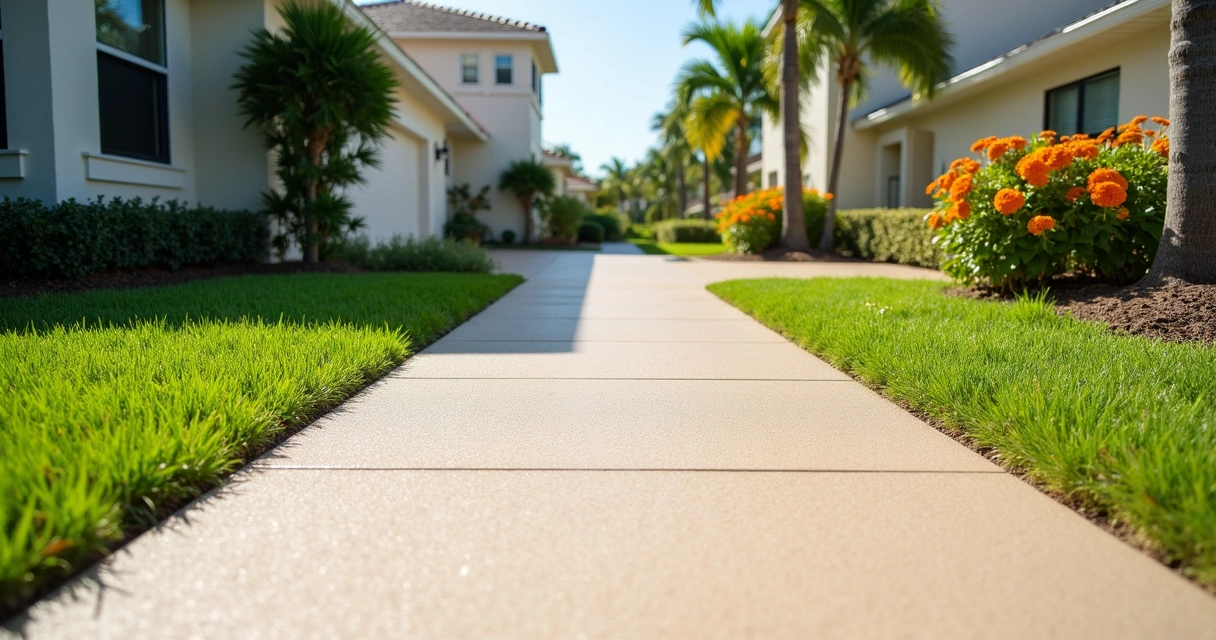
How to keep polymer overlays looking and working their best
A few habits keep overlays like new for years:
- Sweep or rinse surfaces weekly to stop dust and grit build-up
- Avoid harsh acids or metal shovels, which can nick or dull the finish
- Sealers need refreshment every 2–5 years, depending on use and exposure
- Address leaks, constant puddling, or nearby irrigation sprays that may keep surfaces wet
For driveways and garage floors, rubber tire marks tend to clean up with mild soap. For pool decks, a light pressure wash once a month is often enough—no need for harsh power washing.
Choosing the right contractor for polymer overlays
Success depends as much on skill and planning as on materials. In our two decades in Central Florida concrete work, we’ve seen do-it-yourself attempts that peel and fail within months. The right crew:
- Inspects site conditions and matches overlay type to surface
- Performs comprehensive prep, including moisture checks and structural repairs
- Explains the process and sets realistic expectations for cure times, appearance, and upkeep
- Works with photos, written agreements, and warranty as GCM Best Services always does
You deserve a surface that lasts and looks its best, without guesswork or hidden surprises. Our team is always ready to recommend the most fitting system for Orlando, Tampa, and beyond. You can read more about selecting a quality concrete company on our tips for choosing contractors page.
Conclusion: bring new life to your concrete
Polymer concrete overlays let you transform worn or plain concrete into safe, colorful, strong surfaces—with less mess, cost, or disruption than total replacement. With the right installation and products, most property owners get an upgrade that pays off for years, both in looks and function.
If you want to renew a patio, driveway, walkway, or entry, we can provide a free on-site assessment and design. Every project is managed with care, using proven methods and written warranty. Ready to see what polymer overlays can do for your space in Central Florida? Reach out to GCM Best Services for an expert quote and trusted service.
Frequently asked questions
What is polymer concrete overlay?
A polymer concrete overlay is a thin, durable layer of polymer-modified cement applied directly on top of an existing concrete surface to improve appearance, durability, and performance. The mix contains resins that give it higher strength, better bonding, and more resistance to stains and weather than ordinary concrete. Applications include patios, pool decks, driveways, sidewalks, and even indoor floors.
How long does polymer concrete last?
Polymer concrete overlays often last 7–15 years or more when properly installed and maintained, with some projects reaching 20 years. The actual lifespan depends on preparation, overlay thickness, type of resin, usage conditions, and exposure to Florida’s sun or moisture. Occasional resealing can extend the service life and appearance of your overlay for longer.
Is polymer concrete overlay worth it?
For many property owners, polymer concrete overlays are an excellent value because they restore and protect surfaces at a fraction of the cost and time of replacement. They work especially well on structurally sound concrete that needs cosmetic or mild surface repair. The benefits are even greater when overlays are used for slip resistance, decorative style, or ease of cleaning in high-traffic areas.
How much does polymer concrete cost?
Costs depend on several factors including the overlay type, thickness, decorative effects, prep needs, and total area covered. Most polymer overlays in Central Florida range from $6–$15 per square foot for professional installation. Large, simple jobs cost less per square foot than small, intricate ones. Exact pricing for your space is always provided in our detailed estimate after an on-site assessment.
Where can I use polymer concrete overlays?
Polymer concrete overlays work on a variety of surfaces, including driveways, patios, sidewalks, pool decks, garage floors, commercial spaces, and entries—anywhere with sound underlying concrete in need of renewal or protection. They’re especially popular in Florida around pools and patios for their slip resistance, style choices, and resilience to local weather.