Living in Central Florida, especially across Orlando, means our exterior concrete driveways, patios, and sidewalks are exposed to a subtropical climate that’s perfect for algae. Humidity, warm temperatures, and afternoon rains set the stage. At GCM Best Services, we see this firsthand—green stains creeping across concrete, making beautiful outdoor spaces look tired, slippery, and less inviting. But it doesn’t have to be this way.
We want to walk you through the seven most effective steps we’ve learned—on hundreds of local projects—for keeping algae off your exterior concrete surfaces. These are not shortcuts, but rather a simple, practical routine that can make a real difference. If you want long-lasting curb appeal and safer walkways, you’ll benefit from putting these steps into practice.
Consistency beats effort. Algae prevention is mostly about regular care.
Why does algae grow on exterior concrete?
Before we examine the steps, it helps to know how algae gets started. Algae flourishes where water lingers and sunlight is plentiful. That means shaded, damp, and north-facing areas of your driveway, patio, or walkways act as magnets for these green invaders.
Local research (such as NOAA/NCCOS fact sheet on harmful algal blooms) has shown that algae can be more than a visual nuisance: it impacts safety, property value, and even health when left unchecked. While harmful algal blooms are often discussed in the context of water bodies, similar environments on solid surfaces can foster micro-ecosystems of algae, mold, and bacteria. Here in Florida, our concrete is susceptible.
The impact of algae on concrete and homes
On exterior concrete, algae is much more than a harmless stain. It can:
- Increase the risk of slip and fall accidents
- Hasten surface wear, causing premature aging and spalling
- Stain and discolor finishes, especially decorative or colored concrete
- Cause the home exterior to appear neglected and reduce curb appeal
As a bonus, controlling algae also helps slow the growth of more stubborn problems—like mold, mildew, and lichen.
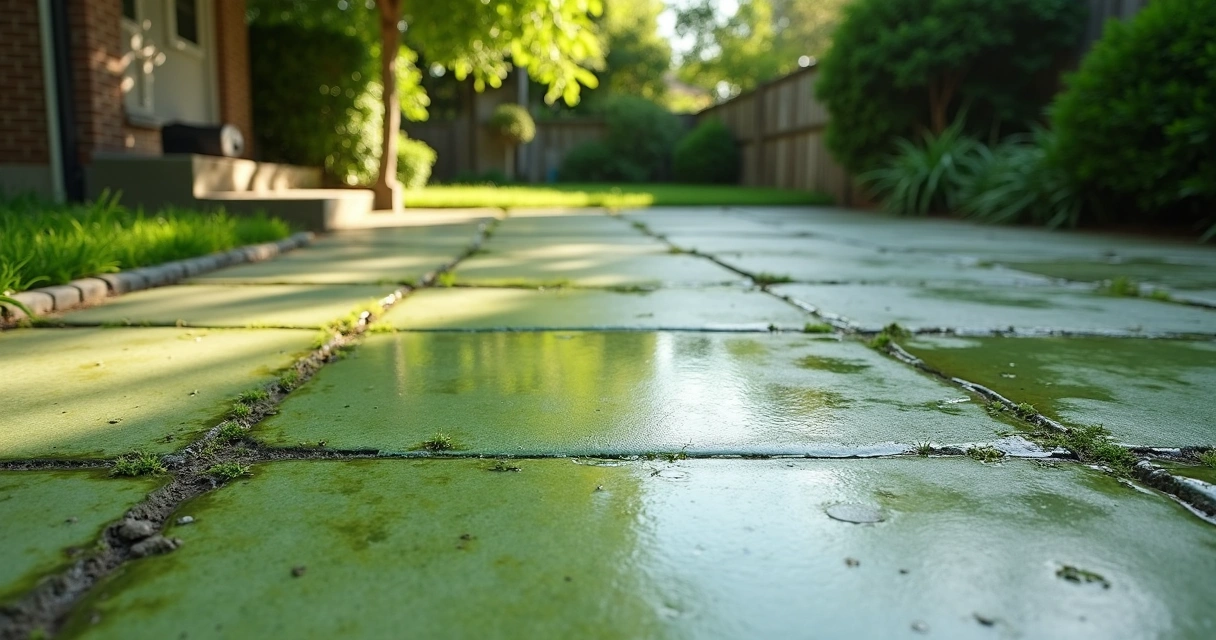
Step 1: Identify and reduce moisture sources
The most effective way to prevent algae is to eliminate the damp conditions it thrives in. We always begin with moisture control.
- Look for downspouts or gutters spilling water onto your concrete. Extend them so runoff is directed well away from driveways and patios.
- Fix leaky faucets, hoses, or irrigation that drip onto the pavement.
- Check the grade—concrete should slope away from structures and not puddle anywhere for more than a couple of hours.
In our experience, clients are often surprised that something as minor as a slow-dripping hose or poor grading by landscaping can create “algae hot spots.” The GSA technical guidance places solving moisture problems as the foundation for all algae and biological growth treatment on exteriors.
If you discover low spots, don’t ignore them. Sometimes, correct drainage design can be more achievable than you think. Our team at GCM Best Services always addresses drainage in every concrete installation for long service life.
Concrete that dries quickly stays cleaner, longer.
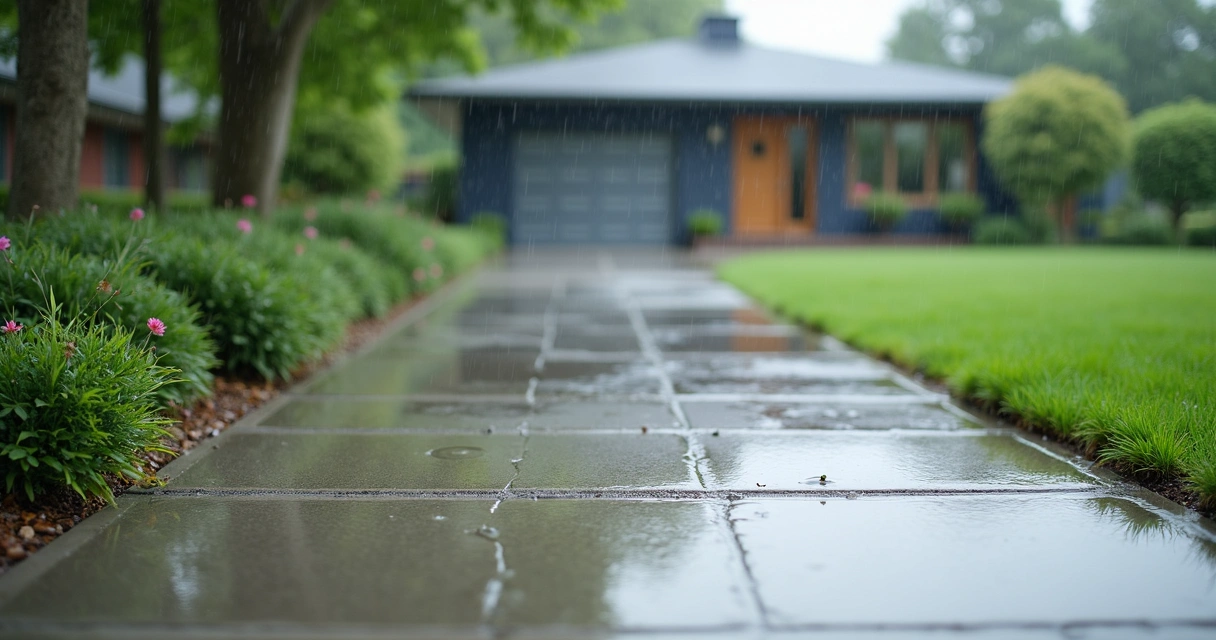
Step 2: Increase sunlight and encourage air flow
Next, we focus on sunlight and air flow, as algae can’t take hold where sun and breeze keep surfaces dry. It’s not always possible to remove every shade source, but even trimming tree branches and shrubs near paths and patios can make a huge difference.
- Prune back overhanging limbs—pay extra attention to the north and east sides (often the shadiest in Florida yards).
- Clear away dense shrubbery, leaves, or mulch piling up near the slab edge.
- Keep fences, screens, and storage bins at least a few inches from concrete, so air can move freely.
In our years in Central Florida, we’ve seen that homes that maintain good air and light access to exterior concrete need less frequent cleaning. This holds up in studies on algal and cyanobacterial biofilms on historic masonry—exposed, well-lit areas grow fewer biofilms.
Algae hates sunlight and dry surfaces.
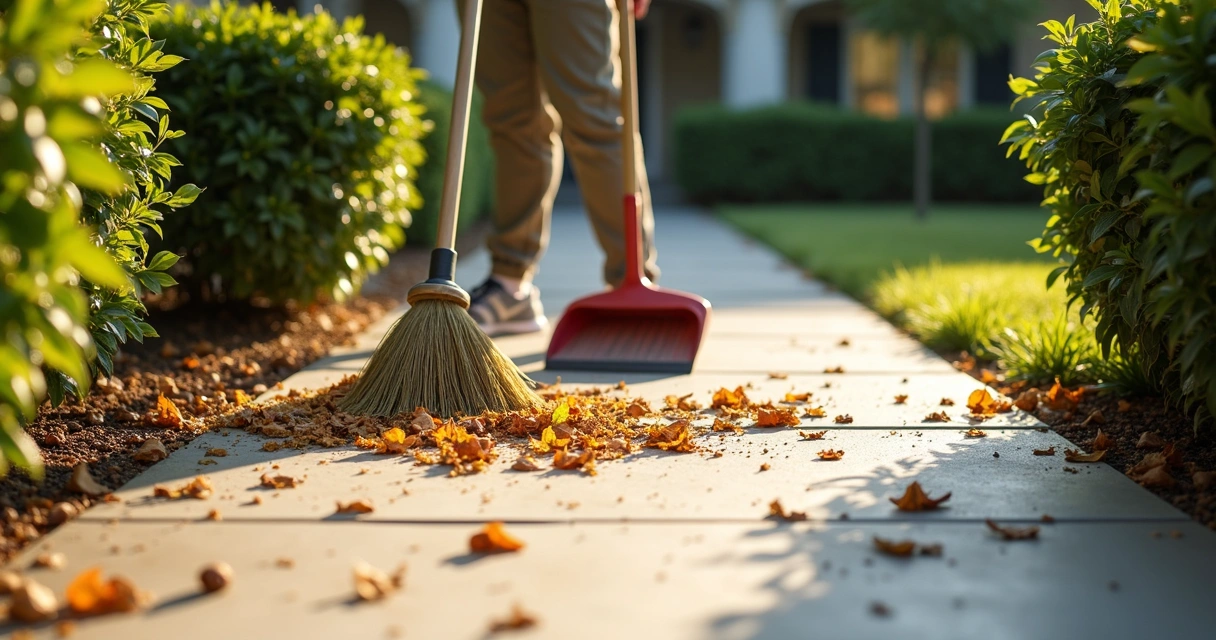
Step 3: Maintain clean surfaces with regular sweeping
We often remind our clients of this simple fact: a clean, dry concrete surface is the enemy of algae. Pollen, leaves, grass clippings, and dirt provide nutrients and shade for algae, and trap moisture against the concrete.
- Sweep driveways, patios, and walkways at least once per week—more often in spring and fall.
- Blow off grass clippings after you mow. This prevents buildup in expansion joints and corners.
- If you see silt, sand, or soil accumulating, sweep or rinse it away promptly.
For commercial sites, warehouses, or retail settings, the principle is the same, but you may need to sweep daily. Why repeat this step? Because without food (organic debris), algae has little to grow on.
Sweeping today beats scraping tomorrow.
Step 4: Wash, rinse, and treat with a safe cleaning solution
Even with the best habits, Florida’s weather means algae will still try to make an appearance. We recommend giving exterior concrete a thorough wash and rinse when you notice a green, slippery film, or every few months as a routine step.
- Start by rinsing the area, loosening dirt with a garden hose or a gentle spray setting on a pressure washer (careful—avoid high pressure, which can damage concrete surface paste).
- Mix a cleaning solution that targets algae. The GSA recommends a mix of trisodium phosphate, detergent, and a small amount of bleach for biological growth on masonry. Always rinse thoroughly.
- For high-traffic or commercial settings, follow EPA guidelines for sanitizing exterior surfaces: pre-clean, apply a labelled cleaning solution, let it sit (contact time is key), then rinse completely.
- Scrub stubborn spots with a stiff brush—nothing metal or sharp, which could scratch or expose aggregate.
In most cases, especially on sealed decorative concrete, less is more. Strong chemicals or excessive scrubbing may erode finishes or weaken slab durability.
Scrub with patience, rinse with care.
Step 5: Consider sealing the concrete for easier cleaning
Once concrete is clean and dry, sealing it can make future upkeep much simpler. A quality penetrating or film-forming sealer creates a barrier that keeps water, dirt, and algae spores on the surface, where they can be easily swept or rinsed away.
- Penetrating sealers (like silanes/siloxanes) soak in, helping concrete resist moisture and algae from below.
- Film-forming sealers add a subtle gloss and repel water. Choose a slip-resistant finish for walkways and pool decks.
- Always let fresh concrete cure for at least 28 days before applying a sealer.
GCM Best Services always recommends integrated solutions for long-term protection. With careful sealing, algae removal between annual cleanings is often just a hose rinse.
If you’re considering installing a new patio or driveway, design it for drainage and seal soon after curing. For technical tips, see our guide to preventing cracks in Florida concrete as a companion resource.
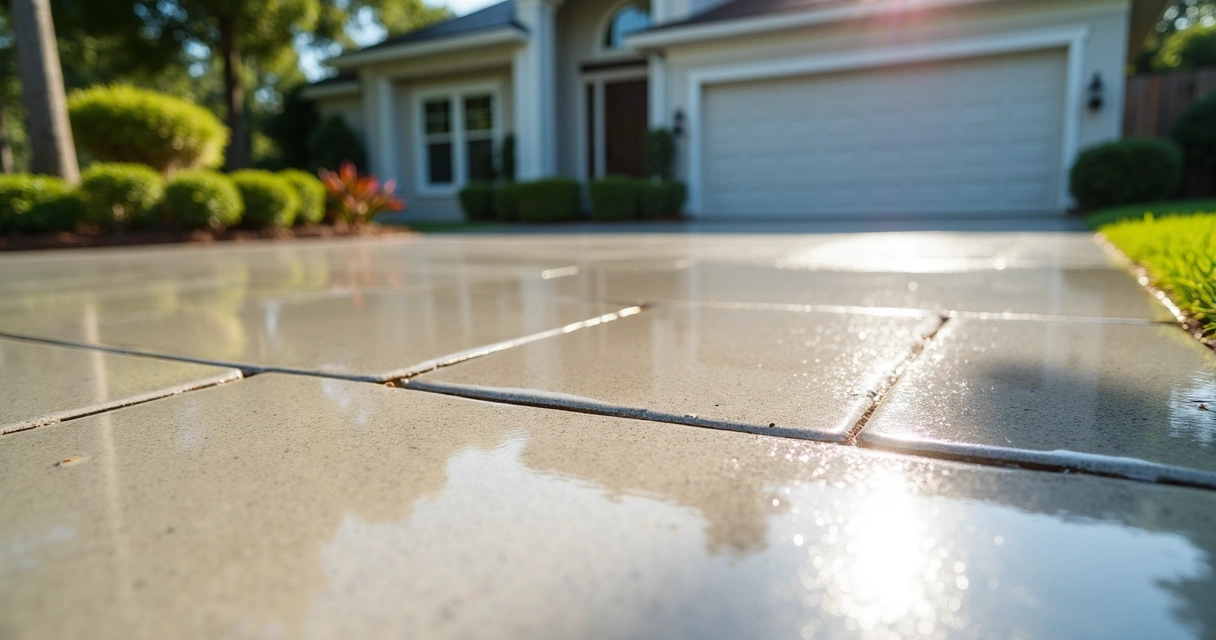
Step 6: Select concrete and finishes with algae resistance in mind
Sometimes, prevention starts before concrete is even poured. Some mixes, additives, and finishes naturally resist algae colonization better than others, as demonstrated in Arizona State University research on algae-resistant cement systems.
- Select higher density concrete mixes (3,000–4,000 PSI) as they offer fewer pores for moisture and algae.
- Consider exposed aggregate, broom, or stamped finishes that dry faster and prevent water pooling.
- When practical, add a gentle slope (1–2% pitch) to driveways and patios so water drains away from the surface.
- Use reinforcing steel (rebar or mesh) where necessary to avoid slab cracking, which traps water and algae.
If a new slab is on your wish list, see our advice for choosing a reliable concrete contractor in Orlando for pointers on material choices and finishes that make future care simpler.
Our workflow at GCM Best Services always factors in surface longevity and ease of care, especially for high-traffic or shaded areas.
Smart concrete choices now mean less trouble later.
Step 7: Keep an eye out and act fast on new growth
Once you’ve set up these six steps, algae shouldn’t be a major concern. But let’s be honest, Florida’s damp and humid seasons can surprise you. So, the best response is to treat growth as soon as you spot it.
- Check shady corners, expansion joints, and wherever water tends to linger every few weeks.
- If you see a small patch of algae, clean it right away. Waiting only makes removal harder.
- Keep a mild detergent and brush on hand, so you can address spots quickly on a dry day.
What happens if you fall behind? Most growths are still manageable if caught within a month or two. If concrete is neglected for seasons at a time, roots and spores may embed, making full restoration more difficult. In that case, we always recommend an assessment from licensed professionals, as outlined in our licensed contractors’ guide to concrete repair.
Quick action saves time, money, and hassle.
What if you’re dealing with old or persistent algae issues?
If algae has left stains, etched surfaces, or caused slipperiness you can’t seem to resolve, the problem may run deeper. Long-term neglect lets biofilms and sometimes cyanobacteria bond with or damage the surface, as shown by peer-reviewed studies on historic buildings and monuments. This is especially common in Florida’s older concrete or shaded pool decks.
For stubborn cases, we often recommend a professional cleaning, deeper chemical treatment, or even surface refinishing. Sometimes it’s wiser to re-coat, repair, or resurface concrete that’s suffered permanent algae-related wear.
Our team at GCM Best Services handles these situations with the right blend of technique and products, restoring safety, appearance, and functionality. And we always offer a detailed assessment and warranty for St. Cloud and the surrounding Orlando area.
How does GCM Best Services approach algae prevention for Central Florida?
With every concrete project, we build for Florida’s climate. Our process:
- Designs drainage and grading to shed water from surfaces.
- Uses recommended PSI mixes and finishes to reduce risk.
- Applies appropriate sealers and guides clients on maintenance.
- Offers written warranties and photo documentation of finished work—so you know what to expect, and what’s covered.
- Supports HOA and permit requirements to keep properties compliant.
As local contractors, we combine technical expertise with hands-on, practical Florida know-how. If you’re in Orlando, Tampa, St. Cloud, or nearby, and want a lasting solution for your exterior concrete, we’d love to help.
Conclusion: Lasting results with simple, steady care
We’ve seen that algae is a challenge, but not a disaster. When you follow these steps—control moisture, maximize light, sweep regularly, wash and seal, select strong concrete, and respond promptly—algae has a hard time sticking around. You don’t need high-pressure chemicals or endless scrubbing. Most of the battle is simply about noticing and acting on changes early, before they become a chore.
GCM Best Services is always here for Central Florida families and businesses who want safer, cleaner, more attractive exterior concrete. Whether you want advice, a free assessment, or a complete concrete makeover, our door is open. Ready to see your outdoor concrete free of algae year-round?
Reach out for a professional quote today: 📞 (407) 250-1948 • 24–48h • Orlando, Tampa & area.
Frequently asked questions about algae prevention on exterior concrete
What causes algae on concrete surfaces?
Algae on concrete surfaces is mainly caused by lingering moisture, warmth, and organic debris. These conditions allow microscopic spores to settle and multiply, especially in shaded and poorly drained spots. In Florida, high humidity and frequent rainfall make exterior concrete especially inviting for algae, as confirmed in several NOAA/NCCOS research findings. Overhanging trees, leaky irrigation, and dirt buildup also raise the risk.
How to clean algae off concrete?
The safest way is to sweep the surface first, rinse with water, then use a cleaning solution that combines mild detergent and a bit of bleach—following directions like the GSA’s technical guidance. Scrub stubborn spots with a stiff-bristle brush, then rinse thoroughly. Avoid excess pressure washing, as this can damage the concrete finish. Always wear gloves and protect nearby plants.
What are the best algae prevention products?
The best prevention products are quality penetrating or film-forming sealers—not just surface cleaners. They block water and organic matter from entering pores, making it tougher for algae spores to attach. Safe household detergents and labeled algaecides that follow EPA recommendations are effective in routine maintenance. New concrete additives with anti-algae properties (as described in Arizona State University studies) are effective for new installations.
How often should I treat concrete for algae?
Frequency depends on shade, moisture, and weather patterns. We recommend inspecting your concrete every couple of weeks during rainy or humid months, and cleaning visible algae at least every few months, or as soon as you spot it. Sealed concrete may only need annual or semi-annual treatment. Problem areas benefit from extra attention after storms or during pollen season.
Is pressure washing safe for concrete?
Pressure washing can be safe on exterior concrete if done gently—use a wide fan tip and keep pressure settings low (typically under 2,500 PSI). Always keep the nozzle several inches from the surface and move steadily to prevent cutting or pitting the slab. It’s best for removing stubborn dirt rather than algae alone, since scrubbing and cleaning agents are more effective, especially for bacteria and biofilm removal as detailed in peer-reviewed studies.
Your article helped me a lot, is there any more related content? Thanks!