Choosing the right finish for a driveway is not just about appearance. It also touches durability, safety, maintenance, and local climate concerns. Exposed aggregate, with its natural pebble-like surface, is a popular option in Central Florida and other regions. But is it truly the best fit for every homeowner or business? As GCM Best Services, with years of field experience on Florida soils, we want to break down both sides—good and not-so-good—of the exposed aggregate finish for driveways. Let’s look at real-world facts, credible research, practical stories, and what property owners ought to know before deciding.
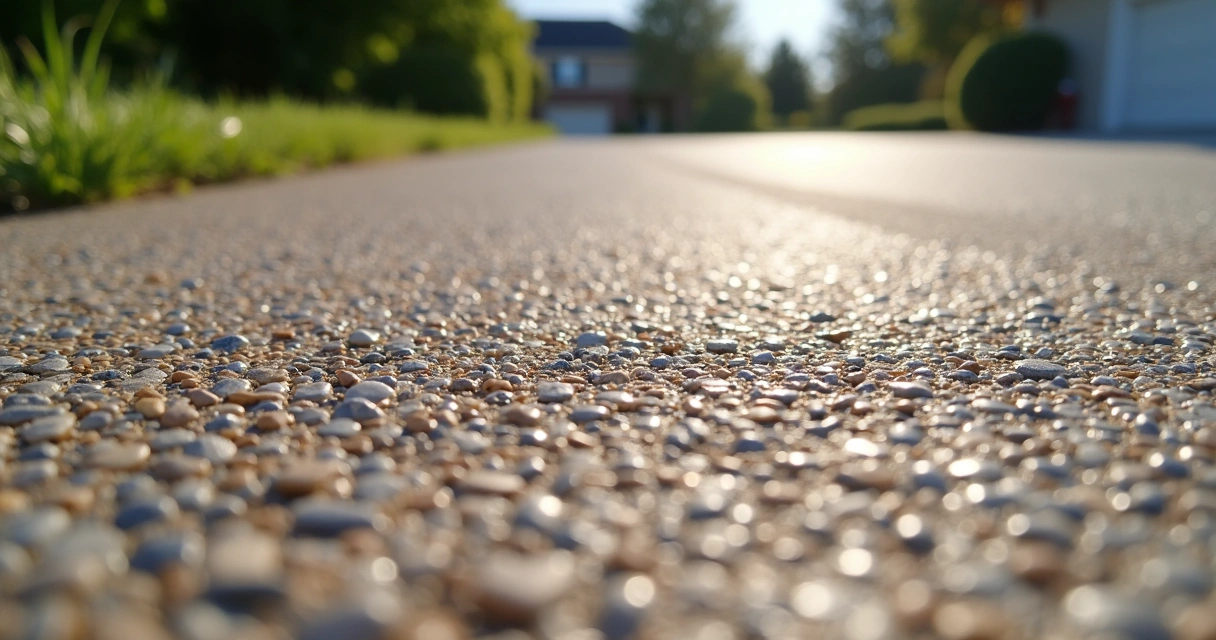
What is an exposed aggregate driveway finish?
Exposed aggregate is a type of decorative concrete where the upper cement layer is removed to reveal small stones, pebbles, or decorative gravel mixed into the base concrete. Imagine a natural, speckled look with a touch of custom flair—that’s the essence. We’ve seen this finish used for driveways, walkways, patios, and even pool decks across Central Florida.
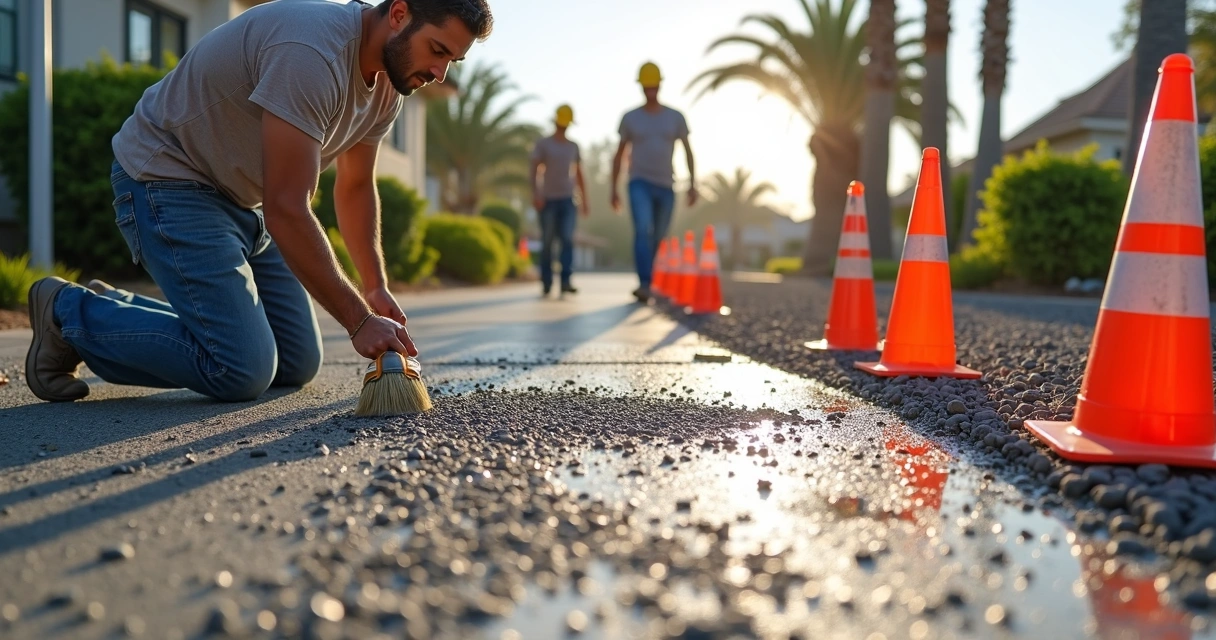
The process itself seems straightforward but demands timing and proper materials. After pouring regular concrete (but with selected aggregate), surface cement paste is “exposed” with chemicals or water, then gently washed and brushed away. What’s left is a slip-resistant, patterned, and colorful finish.
For more on how exposed aggregate compares to other paving methods, check our driveway paving guide for Orlando and Tampa area.
Pros of exposed aggregate driveways
Durability in high-traffic areas
When properly installed, exposed aggregate concrete can handle the demanding loads of vehicles and typical Florida conditions. In our experience, using aggregates like granite, quartz, or river pebbles sharply improves surface toughness compared to plain broom-finished concrete. A well-executed exposed aggregate driveway can resist chipping, denting, or spalling far longer than many colored or brushed alternatives, given good construction practices.
Large review projects from the Federal Highway Administration point out that these surfaces, when specified and built correctly, frequently provide better durability, reduced noise, and minimized splash or spray during rain. We notice these advantages especially in heavily trafficked areas or shared residential driveways.
There’s something reassuring about how small stones help shield the underlying concrete from wear.
Slip resistance and safety
One of the main reasons property owners choose exposed aggregate is for traction. The pebbled surface texture increases friction underfoot and under tires. Studies summarized by the National Library of Medicine have confirmed that exposed aggregate textures create improved skid resistance, reducing the risk of slips—particularly important in Central Florida’s rainy months.
Safety on wet driveways isn’t negotiable.
We think this matters for busy homes with small children, elderly visitors, or businesses with heavy foot traffic. While all driveways need care, an exposed aggregate driveway can help reduce the chance of dangerous falls or tire slips during storms.
Aesthetic variety and curb appeal
Unlike plain concrete, exposed aggregate offers a wide palette of colors, patterns, and aggregate blends. We regularly help clients choose natural stones or colored glass that complement surrounding landscaping, the home’s paint scheme, or even match nearby walkways. There’s flexibility to blend various pebble sizes, tones, and even create borders or patterns.
In our experience, this finish adds both visual texture and instant curb appeal—sometimes even increasing perceived property value. A beautiful driveway can catch attention without being flashy, and it tends to work with many Florida architectural styles.

Low to moderate maintenance requirements
Exposed aggregate driveways are considered easier to maintain compared to porous paving or intricate brickwork, at least in terms of routine cleaning. Periodic rinsing, occasional resealing, and removing debris tend to be sufficient for most residential driveways.
Based on what clients tell us, stains and tire marks tend to be less glaring than on smooth gray concrete. The varied surface camouflages the little imperfections that happen over time.
- Pressure washing (with care) helps keep aggregates sparkling
- Rinsing after storms reduces dirt accumulation
- Topical sealers are recommended every few years for color retention
For more on keeping your Florida driveway in shape, see our advice on crack prevention and driveway care.
Improved drainage potential with thoughtful design
When combined with correct sub-base preparation and joint placement, exposed aggregate can shed water well—helping avoid puddles or ponding. The slight texture encourages runoff, and proper grading (which we offer as standard at GCM Best Services) is key to keeping the slab dry and extending lifespan.
We also sometimes integrate drains or slope the driveway subtly, a practice supported by durability guidance from the California Department of Transportation construction manual.
Fade and weather resistance
Well-chosen aggregates will not lose their color or smoothness as quickly as plain, broomed surfaces might. Natural stone or glass tends to keep its look for the long run, even under the punishment of Central Florida sunlight and humidity. Sealing helps, but even unsealed finishes retain a quality look if maintained with ordinary care.
This type of weather resistance is particularly helpful in areas where intense sun and sudden storms can challenge patio and driveway surfaces.
Eco-friendly options
For those interested in greener choices, various aggregates can be sourced from recycled glass or stone. Locally sourced materials cut down on transportation impact. The longevity of these finishes means reduced need for replacement and less concrete waste over the years.
Nearly three-fourths of a concrete slab is aggregate by volume, as reported in Texas Department of Transportation materials bulletins. Carefully selecting these aggregates is a practical eco step, and one we’re glad to advise on.
Cons and potential drawbacks of exposed aggregate driveways
Installation complexity and dependence on skilled contractors
Exposed aggregate requires more than just pouring and finishing concrete. Timing, aggregate selection, surface removal technique, and even weather can make or break the project. Poor installation leads to problems like uneven exposure, bald spots, or excessive loosening of stones.
Not every “concrete pro” knows the exposed aggregate process.
Teams without enough experience may leave patchy results or shortcuts in preparation, which is why licensing, insurance, and local expertise—such as what we provide at GCM Best Services—truly matter. At times, we’ve been called to correct projects where aggregates popped out, leaving unsightly holes or roughness.
There is a real difference between a well-blended, professionally exposed surface and a hasty job that cracks too soon.
Higher upfront cost compared to basic finishes
Exposed aggregate usually costs more per square foot than plain, broom-finished concrete. Factors affecting price include:
- Aggregate type and color (rare pebbles or glass can be premium-priced)
- Additional labor for surface exposure and finishing
- Permit, design, and drainage requirements (especially for sloped lots)
Homeowners looking to stretch budgets might find the upfront investment noticeable, although the long-term value and curb appeal often offset this initial cost.
For a detailed understanding of Florida driveway replacement and construction, review our installation guide for Central Florida concrete driveways.
Potential for surface roughness and comfort issues
The natural texture of exposed aggregate offers great traction, but it’s somewhat rougher under bare feet or soft-shoe use. Households with small children or users who prefer walking barefoot might notice the difference compared to smooth finishes.
We have seen some clients, especially with pets or sensitive feet, opt for smaller-aggregate blends or a very light exposure to soften the surface feel. Even so, exposed aggregate remains less “cozy” than polished or swept concrete. Comfort is a subjective thing, but it’s something to test before making the commitment.
The need for regular resealing
To preserve the color and prevent stains or water intrusion, exposed aggregate should be sealed every couple of years—sometimes more often in direct sun or high-traffic conditions. Without this low-sheen sealer, some aggregates can become dull or susceptible to mildew and algae growth.
We always recommend clients budget for professional resealing as part of their driveway upkeep plan. While not a major effort, it is more frequent than for troweled finishes. For DIY types, applying a high-quality sealer is manageable, but surface must be cleaned and dry beforehand.
Risk of stone pop-out and freeze/thaw cycles
Although Florida doesn’t face deep freezes, occasional cold snaps and heavy rain can loosen poorly embedded aggregates. Studies in the California Department of Transportation construction guidance re-emphasize aggregate selection and cleanliness as decisive factors. Stones with poor bond to cement or contaminated with clay/silt are more likely to pop out, especially in climates with wider temperature swings than Central Florida’s.
While we usually see minimal issues locally, we select and test aggregates carefully in line with industry best practices for long-term confidence.
Color inconsistency and patch repairs
If a section of driveway must be patched, matching the aggregate color and distribution can be difficult—unlike plain gray concrete. Repairs tend to be more obvious, unless done with access to the original material and a gentle exposure technique. Homeowners who anticipate frequent patching, or who want a seamlessly uniform look regardless of repairs, may want to consider this risk.
This is one reason we track suppliers closely and document finish details during installation for all our clients. Thoughtful planning now makes a world of difference years down the road.
Specialized cleaning challenges
The rough surface collects more grime and moss (in shady spots) compared to completely smooth surfaces. It can be a little trickier to sweep, and pressure washing must be more gentle to avoid damaging the exposed stones. Oil spills can seep deeper into the texture. Certain stains may require a special cleaner meant for textured concrete.
Despite these cleaning quirks, most clients report that visible dirt is less of a bother compared to plain concrete, as the pattern hides marks naturally.
Choosing the right aggregate for your driveway
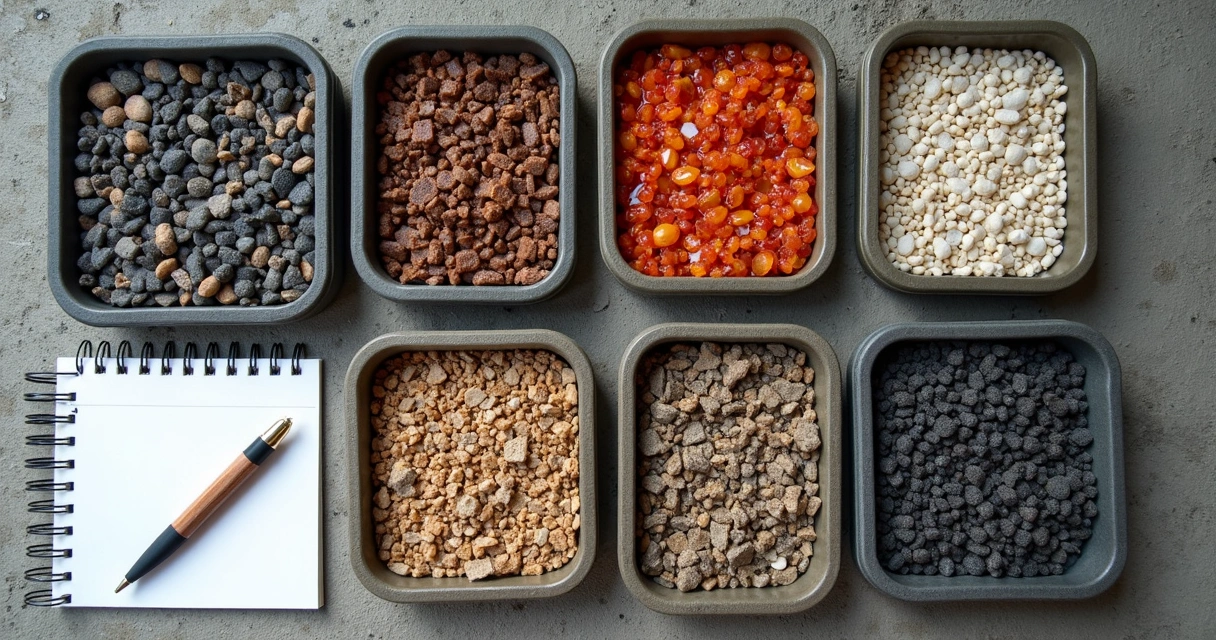
The success of an exposed aggregate driveway depends on proper material specification as much as on finishing skill. The FHWA’s technical guidance notes that a full range of particle sizes is key; missing mid-sized pieces increases water demand and shrinkage, risking future cracks. This also affects the drive’s workability and durability, especially important on Florida soils, where sand and moisture demand close attention.
We always review project requirements, environmental exposure, and traffic loads when helping clients select aggregates and base preparation options. Whether it’s natural river pebbles, granite chips, or recycled glass, material selection makes a visible difference for years. If the wrong type of aggregate is specified for the climate or load the driveway will bear, problems quickly surface.
The right material blend turns ordinary concrete into a lifetime surface.
To see examples of correct base prep, aggregate selection, and practical ideas, check out our articles under the concrete advice section of our site.
Permitting, drainage, and installation: What owners should ask
Concrete driveway projects in the Orlando and Tampa regions must meet local permitting rules, HOA requirements, and municipal drainage codes. At GCM Best Services, we coordinate these behind the scenes so our clients stay informed but not overwhelmed. Careful design is needed to avoid ponding, manage both natural rain and irrigation runoff, and ensure that the finish is both attractive and functional.
We recommend prospective clients ask their contractor:
- How will drainage be managed and what slope is planned?
- What written specifications (aggregate type, PSI mix, rebar, joint layout) will be followed?
- How will exposed aggregate samples be reviewed before full pour?
- Is there a warranty on both finish and underlying structure?
This list isn’t exhaustive, but it’s a basis for informed decision-making before any concrete hits the formwork.
Real stories from Central Florida clients
We see patterns in what clients want. Some love the natural, slightly rustic look and slip resistance for sloped driveways; others are drawn by how maintenance hides little blemishes. Every now and then, a customer will call after a storm, glad that their driveway resisted algae growth, or report a near-miss on a rainy morning where the extra traction truly mattered.
It’s not all rosy—sometimes patch repairs show, or a home’s newest pet finds the stones don’t feel kind under tender paws. But overwhelmingly, exposed aggregate driveways, when designed and installed deliberately, deliver both the function and eye-appeal most owners seek for the long term.
Conclusion: Is an exposed aggregate driveway right for you?
Choosing exposed aggregate for your driveway is a balance of looks, safety, and practicality, shaped by both climate and lifestyle. It brings color, texture, and proven toughness—but comes with special installation and care demands.If you’re in Central Florida, especially Orlando or Tampa area, and want a driveway that is both tough and distinctive, we think exposed aggregate deserves serious consideration. At GCM Best Services, our approach is built around clear communication, careful design, and skilled workmanship with documented warranties—a project with us is about more than just a concrete finish.If you are curious how exposed aggregate would look for your home or want guidance on material choices, permits, or cost, let’s talk. See why more property owners in our area trust us to shape their first impression—right at the curb.Ready for a professional quote? 📞 (407) 250-1948 • 24–48h • Orlando, Tampa & area.
Frequently asked questions about exposed aggregate driveways
What is an exposed aggregate finish?
An exposed aggregate finish is created by removing the top layer of cement from fresh concrete to reveal colorful stones or pebbles embedded beneath the surface. This process leaves a textured, slip-resistant look and is often chosen for its visual appeal and extra traction compared to smooth concrete.
How long does exposed aggregate last?
With proper installation and periodic sealing, exposed aggregate driveways can last as long as traditional concrete driveways, often 25 to 40 years or more. Durability depends on factors like the quality of sub-base, aggregate selection, climate, and ongoing maintenance, all part of our standard process at GCM Best Services.
How much does exposed aggregate cost?
The cost of exposed aggregate driveways is typically higher than basic broom-finished concrete, reflecting extra labor, specialty materials, and desired pattern or color. Variations in aggregate type, surface area, and local requirements make price ranges broad but expect to invest more upfront for this premium look. Our team is happy to review your needs and offer a fast, detailed quote.
Is exposed aggregate slippery when wet?
No, exposed aggregate is generally less slippery than smooth concrete due to its textured surface, which increases traction for both feet and vehicles—even when wet. This slip-resistant quality is one reason many Florida homeowners and businesses choose it, especially for sloped driveways or poolside areas. Research compiled by the National Library of Medicine and the Federal Highway Administration supports this slip resistance benefit.
How do I maintain exposed aggregate?
Maintaining exposed aggregate involves occasional sweeping or rinsing, prompt removal of spills or stains, and reapplying a concrete sealer every couple of years. Gentle pressure washing is safe, but avoid too much force to prevent aggregate loss. For stubborn marks, use a cleaner designed for textured concrete. Our maintenance guide provides steps for keeping your driveway beautiful year after year.