Concrete is everywhere in Central Florida, from driveways and patios to walkways and foundations. Yet, for all its strength and convenience, traditional concrete has a heavy environmental cost. At GCM Best Services, we believe that building the future means respecting our environment, too. The growing use of recycled materials in concrete is not just a trend, but a real shift toward responsible construction. In this article, we share our insights on how recycled materials improve eco-friendly concrete mixes, backed by science and our hands-on experience in Orlando and the surrounding communities.
Concrete can be strong for generations, and gentle on the planet.
We see every project as a chance to improve, and that includes making choices that are smarter for your property and for the world we share. Let’s break down how recycled materials are reshaping the concrete industry and why this matters for both the environment and your next project.
Why eco-friendly concrete matters now
We constantly hear from clients who want durable surfaces without having to compromise on environmental responsibility. This is especially true in Central Florida, where our unique soils, climate, and local codes demand customized solutions. But why should we care about green concrete mixes in the first place?
Traditional concrete is made with cement, sand, gravel, and water. The most energy-intensive part is the production of cement, it releases significant quantities of CO2 into the atmosphere. According to research in Frontiers in Built Environment, the use of recycled cement and aggregates can cut concrete’s carbon footprint by 50% to 60% while also saving natural resources.
- Reduces the use of virgin materials
- Cuts greenhouse gas emissions
- Minimizes construction waste in landfills
GCM Best Services has made it a priority to incorporate these principles into our exterior projects. We’ve witnessed firsthand how recycled content can be worked into concrete without sacrificing the strength or longevity our clients expect. There’s peace of mind in knowing that your new driveway or patio is not just sturdy, but also contributing to a healthier local environment.
What recycled materials are used in concrete?
Not all recycled materials are equal. In recent years, several types have proven themselves in construction. The most common recycled materials in concrete mixes include:
- Recycled concrete aggregate (RCA): Crushed concrete from demolished buildings or pavements
- Recycled glass: Usually ground into sand- or powder-sized particles
- Fly ash and slag: Byproducts from coal combustion or steel production
- Recycled plastics and rubber crumbs: Typically from bottles, tires, or industrial scrap
At GCM Best Services, our concrete team pays close attention to both the quality of recycled materials and their impact on performance. Modern recycling technology lets us get materials that meet reliable gradation, cleanliness, and chemical standards, especially when working on demanding jobs like driveways and pool decks.
The role of recycled concrete aggregate (RCA)
RCA is one of the most popular choices. Old concrete is collected, crushed, cleaned, and re-sized as a replacement for natural coarse aggregates. In our Orlando projects, we’ve seen RCA work well in sub-bases and, with good quality control, in slabs and pavement layers. According to research from IIETA, RCA does tend to reduce workability and mechanical performance in self-compacting concrete, but the right additives or other recycled materials can offset these effects.
Ground glass and pozzolanic action
Recycled glass, especially when ground to a fine powder, acts as a pozzolan. When we blend this into concrete, it reacts with the calcium hydroxide in cement to form additional binder, improving the strength and durability. Nano recycled glass, in particular, has been shown to boost flowability and compressive strength due to its fine particle size and shape (same study).
Industrial byproducts: Fly ash and slag
These materials offer both economic and performance benefits. Instead of heading to landfills, they are used to partially replace cement in the mix. The results?
Fly ash and slag can improve workability, strength, and chemical resistance while locking in waste products that would otherwise pollute our environment.
In our experience, these materials perform well in Florida’s humid, sulfate-rich soils and provide enhanced durability, especially for slabs and exposed surfaces.
Recycled plastics and rubber additions
We occasionally encounter mixes that use ground plastic or rubber. While these do not replace the core strength-providing aggregates or cement, they shine when you want lighter-weight or flexible concrete, such as shock-absorbent pavement, walkways, or playground pads. However, we recommend careful mix design and testing, as too much plastic or rubber can reduce compressive strength.
How recycled materials change concrete performance
When we introduce recycled materials into concrete, we must always consider:
- Workability and slump
- Compressive, tensile, and flexural strength
- Durability in harsh weather (heat, rain, salts)
- Long-term maintenance requirements
It’s crucial to realize that not all recycled mixes perform the same. In our projects, we tailor mixes to each job, considering things like traffic loads, drainage, and HOA requirements. Let’s see how recycled components shape the most critical properties.
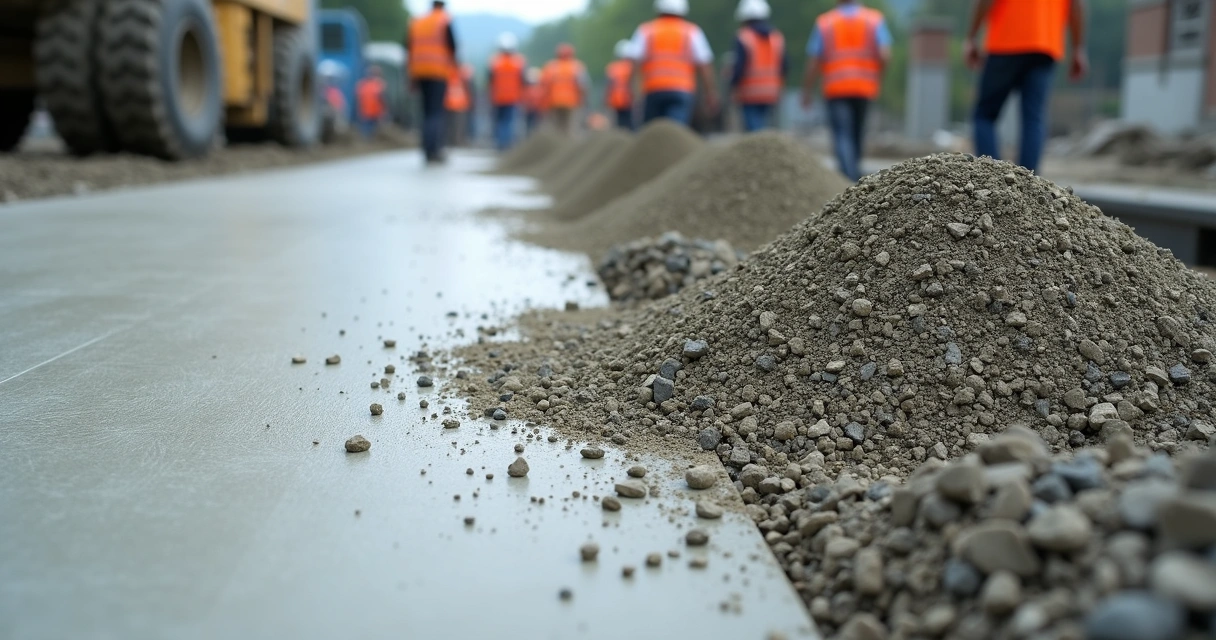
Strength: compressive, tensile, and flexural
A big concern is always, will the mix support driveways, patios, or slabs for years? We follow engineering standards, aiming for 3,000–4,000 PSI mixes as specified for Florida soils. As shown in IIETA’s 2023 study on NRG and RCA, nano recycled glass increases compressive strength, while RCA by itself can lower it slightly. The trick is the blend: using ground glass balances out some loss from RCA, delivering acceptable performance even at high rates of recycled content.
Recycled concrete mixes can reach the same or even higher strength as all-new mixes, if they are designed and cured correctly.
This is where experience matters. We carefully check the material proportions and perform slump and strength tests, especially when the concrete must bear heavy vehicles or pool decks.
Durability and weather resistance
Central Florida’s climate means water intrusion is a daily concern. RCA’s increased porosity can let in more moisture, but when we introduce pozzolanic materials like glass or fly ash, we see tighter, less permeable concrete. This can boost resistance to surface abrasion, sulfates, and water penetration, lowering the risk of cracks or ponding, both common repair issues in our region.
We’ve done work for homeowners who had cracks develop in slabs that did not properly account for drainage or the materials used. By specifying the correct recycled mix and drainage details, we greatly reduce callbacks for these issues. For more tips on prevention, see our post on preventing cracks in Florida concrete.
Workability and finishing
Sometimes, adding recycled aggregates can make concrete harder to pour, spread, or finish (workability drops). However, fine recycled glass particles often work as lubricants, helping the concrete to flow much like a high-performance mix. We always check that texture, setting time, and finish options (broom, exposed, or stamped) are just as attractive and functional as with conventional mixes.
Environmental impact and certifications
The most powerful results show up in the numbers:
- Cuts CO2 emissions from cement by 50–60% (see environmental benefits in concrete)
- Reduces landfill waste by recycling demolition debris
- Conserves sand, gravel, and other finite resources
At GCM Best Services, we’re seeing more property owners requesting materials that will qualify for LEED credits or similar certifications, especially for commercial and HOA projects in Orlando and St. Cloud.
Working with recycled concrete: what we’ve learned
After years of hands-on concrete installations, we can share some lessons about using recycled content:
- Check your source. Not all recycled materials are processed or sorted with the same care. We always inspect supplier certifications and quality records before accepting RCA or similar inputs.
- Match the mix to the job. For driveways and patios, we focus on sub-base compaction, correct joint placement, and often recommend adding pozzolanic additives if the recycled content is high.
- Communication matters. We help our customers understand the slight color or texture differences they might see in recycled mixes. These are usually minor, but it’s best to plan finishes (such as decorative concrete) with the final look in mind.
- Expect great drainage. Recycled mixes with adjustable permeability are ideal in Florida, where ponding and soft soils are common problems.
- Stay on schedule. Some recycled materials can modify setting time. Our crews plan accordingly, especially for large slab pours or slab-on-grade installations.
If you’re interested in how this works in practice, see our guide for installing driveways and patios in St. Cloud, we detail how we plan every step to ensure both performance and sustainability.
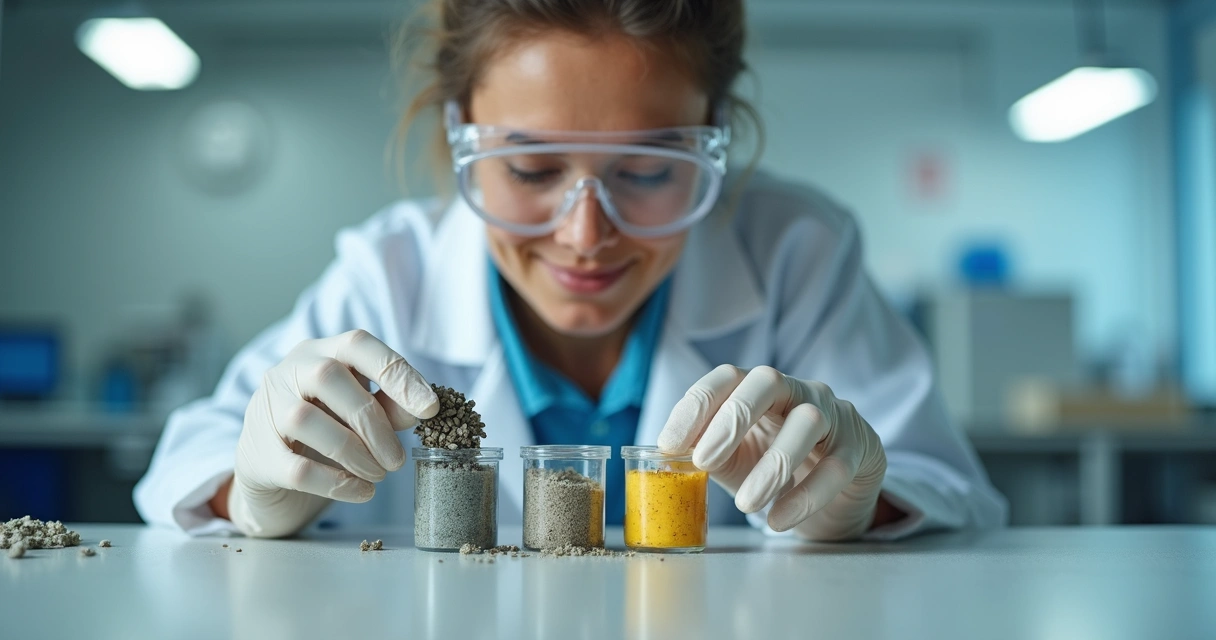
Best practices for eco-friendly concrete installation
So how do we guarantee that using recycled materials delivers real benefits? Here are steps we take, backed by both research and fieldwork:
- Start with proper assessment. Before suggesting a recycled mix, we evaluate site conditions, intended use, and drainage. This helps determine which recycled materials make sense.
- Source from reputable suppliers. Quality and gradation of recycled aggregates determine strength and finish.
- Use lab-tested mix designs. Following or exceeding ASTM and local code requirements is not optional.
- Add pozzolanic materials like ground glass if needed. This can restore flowability and strength, even at high RCA levels.
- Manage placing and finishing carefully. Extra attention to compacting, striking off, and curing is a must. Well-managed jobs set strong, avoid future repairs, and minimize waste on site.
- Document everything. At GCM Best Services, we record photo evidence, use written warranties, and walk clients through maintenance tips for recycled-content surfaces.
Every step of our process is designed to ensure you get a surface that lasts, saves energy, and fits local regulations.
Where does eco-friendly concrete make the biggest impact?
You might think that “green” concrete is only for large commercial jobs. In reality, recycled-content concrete can benefit any scale:
- Residential driveways, patios, and sidewalks
- Commercial loading bays, warehouse slabs
- Community walkways, plazas, and playgrounds
- Permeable pavement and drainage features
We bring this expertise to a range of services at GCM Best Services, always tailoring the mix to property needs, HOA or city requirements, and even aesthetic concerns. For details on the design and permit process, visit our in-depth guide to choosing a concrete company in Orlando.
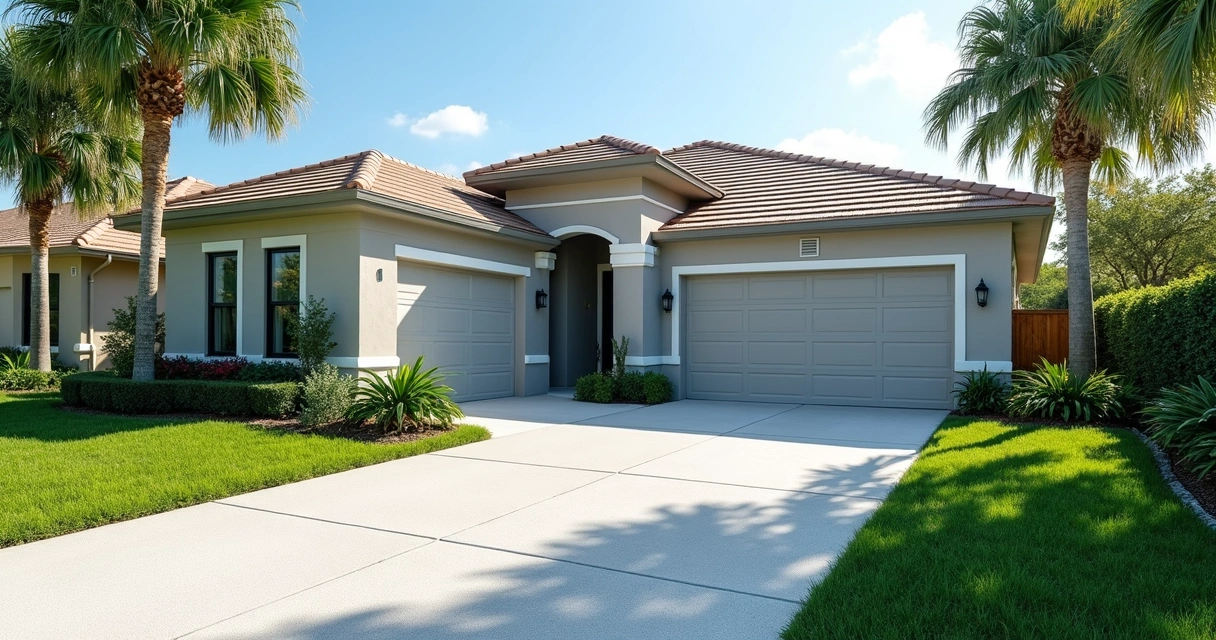
Saving money and resources with recycled concrete
Another question homeowners and property managers ask is whether using recycled materials will break the budget. In our experience, costs are usually very similar to traditional concrete, and sometimes even lower, especially if recycling facilities are nearby. The real savings show up over time through:
- Lower landfill and transportation fees for demolition debris
- Potential local and federal sustainability incentives for new construction
- Reduced repair cycles, thanks to improved durability in wet or salt-prone soils
We always provide clear, up-front estimates detailing what materials are included, their benefits, and how they affect maintenance and warranty coverage. For clients focused on repairs, our licensed concrete repair guide can help in planning restoration with a green mindset.
Frequently asked questions about recycled concrete mixes
What are recycled materials in concrete?
Recycled materials in concrete are substances that originate from previously used or discarded industrial and construction waste, like crushed concrete, ground recycled glass, fly ash, and slag, which are reborn as ingredients in new concrete mixes. They serve as partial or complete substitutes for natural aggregates or cement, giving new life to what would otherwise fill landfills.
How do recycled materials affect concrete strength?
The effect depends on the material and its proportion in the mix. Crushed recycled concrete can lower compressive strength slightly, but this is often balanced by adding pozzolanic agents like nano recycled glass or fly ash, which improve binding and final strength. With the right design, recycled-content mixes can match or even exceed the strength of traditional concrete.
Is using recycled concrete more expensive?
In our experience, using recycled concrete is usually cost-competitive with, or even less costly than, traditional concrete, especially where recycling facilities are close by. Savings may come from reduced transportation and landfill costs, and sometimes there are incentives for using green materials, depending on local programs and project size.
Where to buy eco-friendly concrete mixes?
We recommend working with licensed, insured contractors like GCM Best Services, who have access to reliable recycled-material suppliers and can design custom mixes for your location. Always look for companies that provide documentation about their materials and stand behind their installations with written warranties.
What are the benefits of recycled concrete?
Benefits include reduced environmental footprint, conservation of natural resources, less landfill waste, and a concrete surface that performs as well as, or better than, conventional options when properly designed. Additionally, you may become eligible for green building or LEED certifications, and contribute positively to your community’s sustainability goals.
Conclusion: Build for the future with every project
Central Florida is growing, and so are our responsibilities. By incorporating recycled materials into our concrete mixes, we’re not just meeting environmental standards; we’re building a lasting legacy for our clients and the region. These mixes can stand up to tough Florida weather, meet strict code requirements, and still look beautiful for decades. If you’re curious about the options for your next project, or how you can make a positive change with your property, we invite you to connect with our expert team. At GCM Best Services, we’ll help you find the right eco-friendly solution, backed by strong science and strong results.
Ready to make your next project sustainable and strong? GCM Best Services brings proven experience in eco-friendly concrete for Orlando, Tampa, St. Cloud, and beyond.
Contact us for a no-obligation assessment, and start building for a cleaner, greener future.
Ready for a professional quote? 📞 (407) 250-1948 • 24–48h • Orlando, Tampa & area.