If you have an aging patio in Central Florida, you’re probably well aware of the challenges: relentless sun, sudden downpours, humidity, shifting soil, mildew stains, and sometimes a maze of cracks. We know the feeling—those blemishes can make your outdoor living areas less inviting and even reduce your property’s value. That’s why we decided to write this simple, practical guide to resurfacing old patios in Florida. We want to help you reclaim your outdoor space and enjoy it, season after season.
Florida patios can lose their charm… but restoration is always possible.
Let’s go step by step—from diagnosing issues, selecting the right resurfacing approach, preparing properly, to getting the longest life and best look from your “new” patio. In our experience at GCM Best Services, the right process and products really matter, especially when you consider Florida’s climate and building requirements. As licensed and insured contractors serving Orlando and Central Florida, we’ve helped hundreds of homeowners revive patios—concrete, paver, stone, or even mixed surfaces—for safer, brighter, and more enjoyable spaces. Here’s how we do it.
Why patios in Florida deteriorate faster
Florida is unique—beautiful, but hardly gentle on patios. The combination of heat, humidity, clay soils, and tropical storms can lead to:
- Concrete cracks from swelling and shrinking soils
- Faded, stained, or slippery surfaces from mildew, pollen, and UV light
- Pitting or spalling caused by moisture cycles and heavy rains
- Loss of color and texture in pavers and overlays
- Drainage issues, which speed up the damage
Even the best patios need some help after years of exposure. Without the right maintenance or finishing, problems can escalate. For homeowners, this creates not only an eyesore but also safety risks from slick algae, uneven slabs, or pooled water.
According to building moisture control research from the University of Florida, reducing ongoing water infiltration and using surface treatments that resist Florida’s moisture helps minimize long-term damage. But what about patios that already look tired or damaged? This is where resurfacing comes in as a powerful solution.
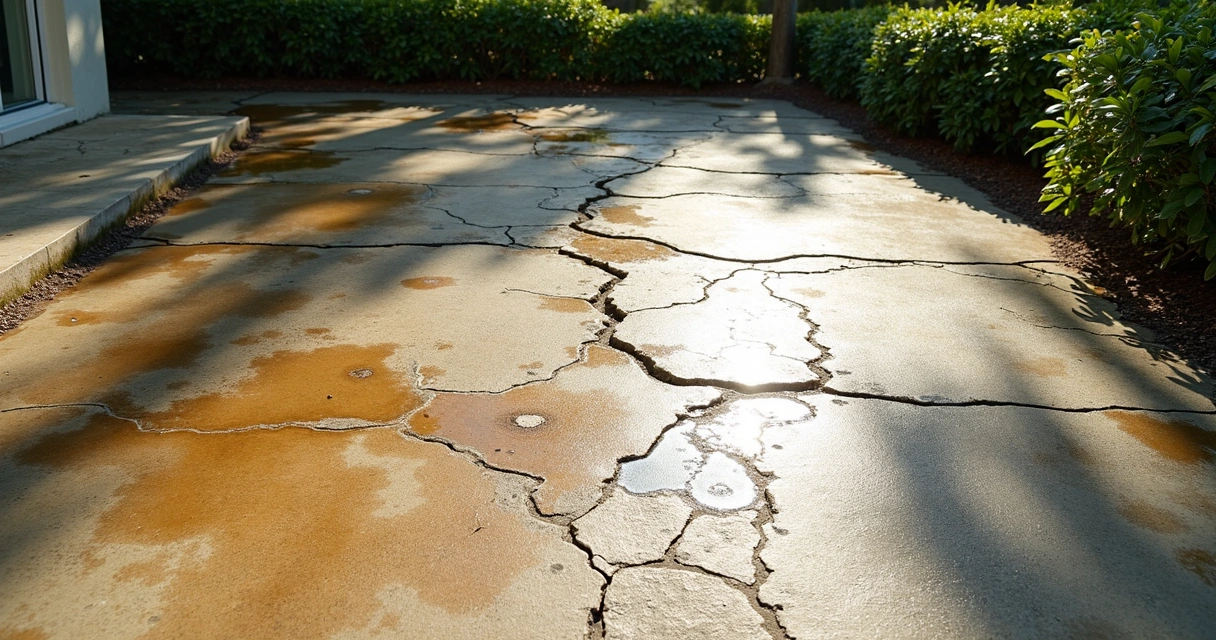
Is patio resurfacing the right choice?
Not every old patio needs to be demolished and replaced. In our work, we find that resurfacing can restore both beauty and structure for most patios, unless the underlying slab is extremely unstable or has severe root damage. If you’re unsure, consider these signs that resurfacing might work:
- The surface is stained, pitted, or cracked, but not badly heaved or broken apart.
- Drainage issues are minor—water doesn’t pool heavily for more than an hour after rain.
- There are no issues with foundation settling or tree roots pushing up more than an inch or two.
If you tick all those boxes, resurfacing not only saves you money but also reduces debris and landfill waste, fitting well with sustainable building practices recommended for Florida by the University of Florida. We think this eco-friendly angle matters as much as the price tag.
Choosing the right resurfacing method
The method you pick will shape the look, durability, and ease of care for years to come. Here are the most popular options and when they work best:
Overlay concrete coatings
These are thin layers (usually 1/8″ to 1/2″) of high-strength polymer-modified concrete rolled or troweled directly over old concrete. They can be colored, stamped, broom finished, or even made to look like stone or tile. We use these to bring new life to slabs with cosmetic issues, minor cracks, or surface scaling—all problems common in Florida patios.
Stamped or decorative overlays
If you want to go a step further, decorative overlays let you replicate the look of slate, pavers, or wood planks for much less than a full rebuild. They add texture and slip resistance as well, which can be a real plus in a climate that’s often wet.
Epoxy and polyaspartic coatings
For garages or covered patios where a super-durable, colorful surface matters, these coatings are unbeatable. They bond tightly to prepared slabs, resist hot tire pickup, and shrug off spills. At GCM Best Services, we use 100% solids coatings that are moisture-tolerant and UV resistant—an absolute must under Central Florida’s sun.
Paver overlay systems
Do you want the look of pavers without massive demolition? Thin paver systems are designed to go right over old concrete, so long as the base is solid and there are no major heaves. These give you a classic look and are popular for pool decks and patios that need fast makeovers. Our team often blends these solutions with professional sealing, which keeps weeds and stains from becoming a problem again.
Microsurfacing and color stains
Some patios just need a face-lift, not a full transformation. Color stains and clear sealers refresh faded or patchy concrete. Though less dramatic, they can prolong the life of a patio and protect it from future sun and moisture damage.
When choosing, consider heat, slip resistance, cleaning, and whether you want a natural stone look or a seamless finish. For guidance, our detailed installation guide for Florida patios explains the technical details involved in choosing and applying each finish.
Proper preparation: Why it matters more in Florida
Many resurfacing failures we’ve seen weren’t about the product—they were about prep. Poorly prepared surfaces lead to peeling, bubbling, or recurring cracks. We’re strict about prep because:
- Florida’s humidity leads to trapped moisture unless the surface is thoroughly dried.
- Mildew and algae are stubborn; if not removed, they break the bond with new materials.
- Older slabs may still be moving; cracks must be addressed and joints honored.
According to the Florida Building Commission’s Energy and Humidity Forum Report, using moisture-tolerant primers and construction methods is necessary for lasting results in this climate. It’s not just about cleaning—it’s about building in resilience from the start.
Treat preparation as seriously as the finish. It’s the hidden step that decides longevity.
Key steps to patio prep
- Inspection: We start with a close look—any loose or hollow spots, major cracks, or drainage concerns decide our next move. Small cracks can usually be bridged or filled; widespread spalling often means it’s best to resurface.
- Cleaning: Pressure washing is not optional in Florida. It removes mold, algae, dust, and chalky old sealer that would prevent good adhesion.
- Repairs: We fill cracks with flexible patching material and grind down high spots. If a slab has settled unevenly, polyurethane foam lifting can sometimes be used. It’s rare to see a patio in Florida without at least one crack needing attention—often from tree roots or shifting clay beneath.
- Priming: Moisture-blocking primers are used if ground dampness is likely. This keeps coatings from bubbling or peeling. Certified sustainable buildings literature also advises that low-VOC, eco-safe primers are a plus, particularly for patios close to gardens, play areas, or pools.
- Joints and drains: We always maintain expansion joints. Sometimes, adding drainage channels can solve recurring puddles and reduce future repairs.
If you’re interested in a more technical view of patio repair and resurfacing, our prevent cracks in Florida patios article covers more on sub-base preparation, drainage, and climate factors.
Best practices for patio resurfacing in Florida
You might think a quick DIY kit could do the job, but Florida patios really benefit from a more professional approach—because one rainy spell can undo poor work. Here’s what we’ve learned over decades working in Central Florida:
Timing matters
Weather is key. We avoid resurfacing during rainy seasons or when dew points are high, since excess moisture trapped in the concrete can cause coatings to fail. Typically, fall and early spring are prime times for this work.
Materials and mix design
We prefer overlay mixes with a little flex—polymer-modified blends that can “move” a bit with the slab beneath, instead of brittle materials that might crack again. For topcoats, we look for UV-stable options so the Florida sun doesn’t bleach your color away. Stamped overlays and modern acrylics are both good options here.
Adhering to local codes and current tech
The Powell Center for Construction & Environment at UF highlights the need for climate-adapted practices in all outdoor construction—something we make a point of adopting. Slip resistance, permeability for rain, and proper bonding all matter, both for safety and for longevity.
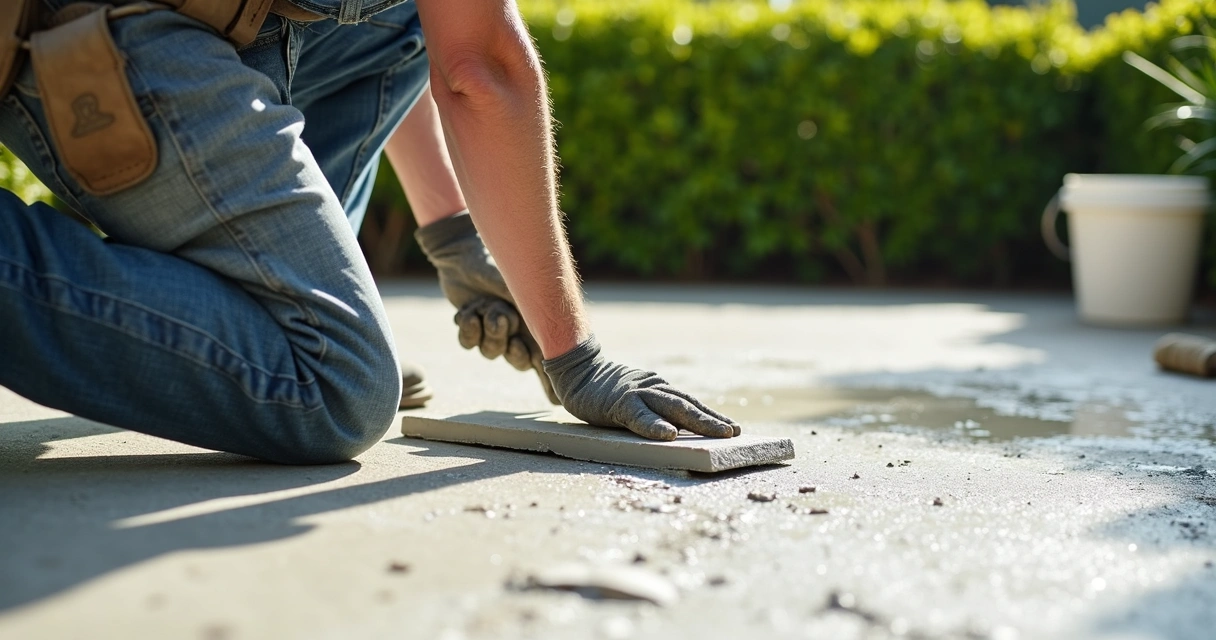
Finishing and sealing
Finishing is where you decide if you want a texture (broom, exposed, stamped), a color, or a pattern. We always follow with a quality sealer, preferably penetrating or high-build acrylic, to resist mildew and moisture. In high-traffic areas, a slip-resistant additive can prevent falls after rainstorms. With patio paving, adding a surface sealer can nearly double the useful lifespan in our climate.
Design ideas and customization
Resurfacing isn’t just for fixing—it’s a chance for an upgrade. Want a cool gray neutral for a modern look? Earth tones to blend in with landscaping? Or maybe a stenciled boardwalk pattern for a touch of fun?
This is where we get creative. In addition to color and texture, borders can be added, or patterns can separate “zones” for grilling, dining, or sunbathing. If you want pavers, consider integrating turf strips for a soft play area or inset lighting for safety at night. For even more design inspiration—ideas that blend hardscapes, pavers, and synthetic turf—our hardscape page shares some of our favorite combinations used around Orlando.
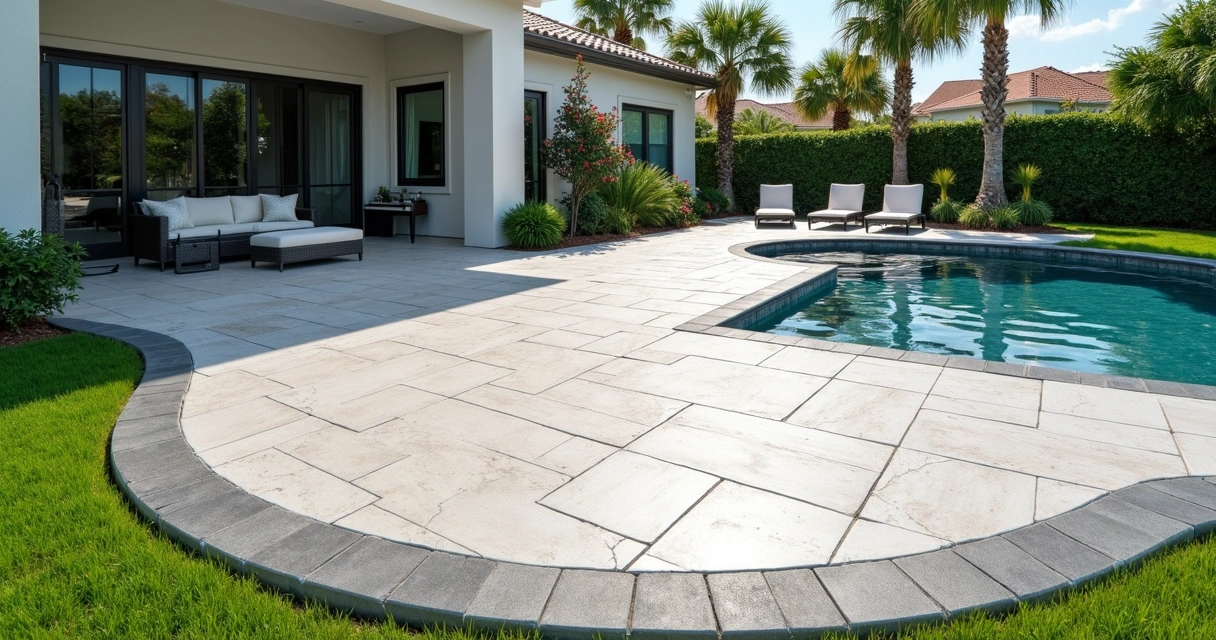
Patio resurfacing and sustainability in Florida
We believe in reducing waste and respecting the landscape we live in. By resurfacing instead of replacing, you keep tons of concrete out of Florida landfills and minimize disruption to your yard. It may not seem dramatic, but it fits exactly with University of Florida’s guidelines for green home improvement—use what’s there, upgrade materials to last longer, and reduce the energy input and waste output at every chance.
In many cases, we offer eco-friendly overlays and sealers that use recycled content, low VOCs, and formulas that are gentle on pets and plants. In pairing resurfacing with smart design, you prove that restoration can look sharp, last long, and tread lightly on the earth. Our concrete service category covers sustainable options for most patio projects.
What if my patio has pavers or tiles?
Here’s something we see a lot: a patio with faded, stained pavers, or loose tiles—maybe even a mix of both. Can these be resurfaced? Usually, yes—with a little more prep. At GCM Best Services, when we resurface paver or tile patios, we:
- Clean all surfaces thoroughly to remove moss, sand, and any loose material.
- Re-set any pavers/tiles that have lifted or tilted, fixing the base and adding new polymeric sand or grout.
- Add a binder or bonding primer over the tiles to ensure the overlay grips tight.
- Finish with a decorative overlay or tinted sealer for a cohesive, fresh look, or with professional paver sealing as needed.
The result is a surface that looks (and feels) like new, and it’s safe, level, and much easier to clean after our frequent rainstorms.
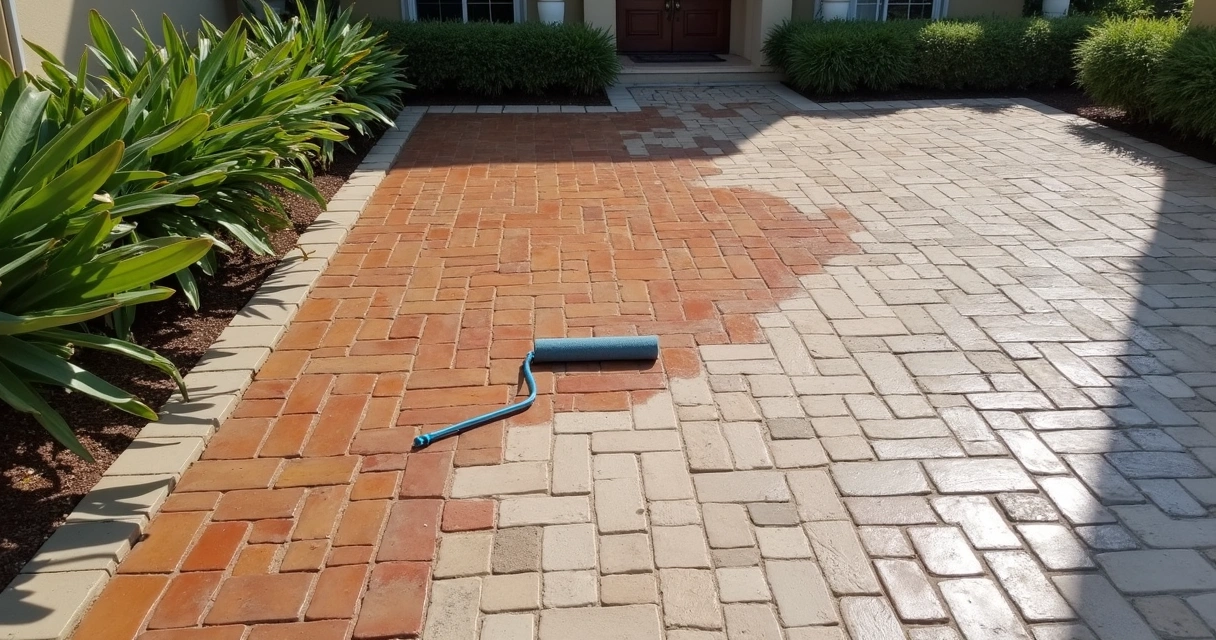
Resurfacing patio process: A step-by-step summary
- Assessment: We inspect for cracks, spalling, stains, drainage, movement, and underlying base condition. Photos and measurements help us estimate materials and prep.
- Preparation: All loose, dirty, or weakened areas are removed or repaired. Pressure washing, crack filling, and priming, as discussed, prepare the “canvas.”
- Application: Concrete overlay, decorative coating, epoxy, or sealer is installed according to product and climate specifications. Textures and patterns are added now.
- Curing and Sealing: Coatings cure for 24–48 hours (sometimes less, depending on formula). Sealer is applied as the last step, locking in the color and improving durability.
- Final walk-through and care tips: We walk the patio with you, point out all upgrades, and leave a simple care guide—typically, just periodic cleaning and resealing every few years.
How to care for your resurfaced patio
Proper maintenance can keep your patio looking great for years. Here are a few tips we always share:
- Clean frequently—sweep away leaves and hose off dirt to prevent grime buildup.
- Use a pH-neutral cleaner for deeper cleaning; tough stains can be tackled with a little diluted bleach, but rinse thoroughly.
- Apply a fresh coat of sealer every 2–5 years—this is typically all it takes for overlays.
- Check for cracks annually—catching them early means fast, nearly invisible repairs.
It’s also smart to check irrigation and gutters so water never sits near patio edges, which can contribute to surface damage.
When to call a professional
Sometimes, the best intentions are not enough—if you see evidence of shifting, major heaves, or deeper structural issues, it’s wiser not to risk a failed DIY. At GCM Best Services, we’re always happy to provide a free assessment and honest advice. Our team manages all details—permits, HOA paperwork, and inspections. We can recommend drainage upgrades or even suggest integrating turf or a screen enclosure if you want a broader transformation.
The peace of mind from a professional job, backed by a written warranty and photos, cannot be overstated. Outdoor spaces are meant to be enjoyed, not worried over.
For more on our process, warranty, and service area, visit our main website or browse recent patio and concrete projects in Central Florida. If you’re thinking about a bigger upgrade, like a driveway makeover, we handle all concrete and paving jobs, integrating drainage solutions as needed for the Florida climate.
Conclusion: Your path to a better patio starts here
Patio resurfacing in Florida opens the door to color, comfort, and a welcoming outdoor space without the need for a full replacement. With the right prep, materials, and design vision, your patio can withstand the toughest Central Florida climate—not just for a season, but for many years.
We believe every homeowner deserves a safe, beautiful outdoor retreat. Resurfacing your patio is a sustainable, cost-smart step in achieving that. If your old patio is bringing you down, we’re here to lift it back up—literally and figuratively.
Your patio’s best days could still be ahead.
Ready for a professional quote? 📞 (407) 250-1948 • 24–48h • Orlando, Tampa & area. Connect with GCM Best Services to transform your patio and discover just how much more inviting your Florida home can be.
Frequently asked questions
What is patio resurfacing?
Patio resurfacing is the process of applying a new layer or coating over an existing concrete, paver, or stone patio to repair, protect, and enhance its appearance and performance. This includes options like concrete overlays, decorative coatings, paver overlays, color stains, or epoxy finishes. The purpose is to cover imperfections, extend the patio’s life, and update its style without full demolition.
How much does patio resurfacing cost?
The cost varies based on size, method, and condition of the current patio, but in Central Florida, prices often range from $3 to $12 per square foot. Simple stains and sealers are on the lower end, while decorative overlays, stamped finishes, or epoxy/polyaspartic coatings land on the higher side. Specialized work to repair drainage or heavy prep may add to the investment.
Is it worth it to resurface patios?
We find patio resurfacing is almost always worth it if the underlying surface is sound. It’s less expensive and faster than a total replacement, reduces landfill waste, and allows for complete design customization. Plus, resurfaced patios typically last as long as new installations when done with quality materials and preparation, especially in Florida’s climate.
How long does resurfacing a patio last?
With proper techniques and care, a resurfaced patio will last 10–20 years or more in Florida conditions. Maintenance—like resealing every few years and prompt cleaning—adds even more life. Failure rates are higher when surfaces weren’t prepped or installed properly, which is why choosing an experienced contractor matters.
What are the best materials for resurfacing?
The best patio resurfacing materials in Florida are polymer-modified concrete overlays, stamped decorative overlays, high-build acrylic coatings, and 100% solids epoxy or polyaspartic coatings. Each offers a balance of durability, slip resistance, and climate adaptability. Low-VOC, eco-friendly products are also widely recommended for safety and sustainability, according to current research on sustainable building practices.
Thank you for your sharing. I am worried that I lack creative ideas. It is your article that makes me full of hope. Thank you. But, I have a question, can you help me? https://accounts.binance.com/pt-BR/register-person?ref=GJY4VW8W