Adding outdoor power outlets brings incredible convenience to patios and summer kitchens. It powers grills, refrigerators, lighting, entertainment, and cleaning equipment—transforming simple spaces into multi-functional, inviting places to gather. Still, outdoor electricity must be handled with focus on safety, code, materials, and workmanship, especially in Central Florida’s wet, storm-prone climate. Drawing from our experience at GCM Best Services, we share an exact, step-by-step approach for lasting, compliant, and visually integrated outdoor power.
Outdoor electricity must always put safety first.
Why outdoor outlets matter for patios and kitchens
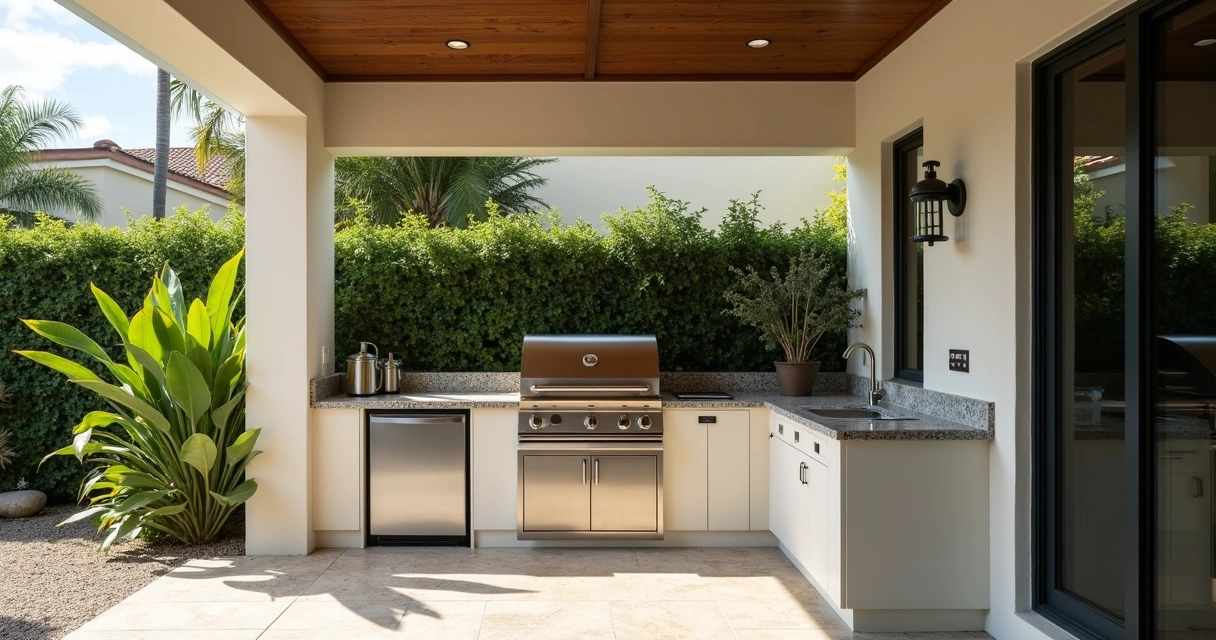
Imagine a patio kitchen without outdoor outlets: How would you safely plug in a smoker, blender, or festive string lights? Extension cords snaking under doors aren’t just inconvenient—they’re unsafe. Modern patios, lanais, and outdoor kitchens need weather-ready outlets built to code, tucked into the design. We regularly see Orlando homeowners wanting to:
- Plug in outdoor TVs or speakers without running cables everywhere
- Supply power for grills, electric cooktops, or fridge units in a summer kitchen
- Charge garden tools or even outdoor appliances like air pumps
- Allow holiday and party lighting with quick, safe hookups
These uses aren’t just about comfort. Safe wiring reduces tripping risks, electrical overload, and exposure to the region’s frequent rain. The National Fire Protection Association (NFPA) reports over 70,000 residential fires per year from electrical issues, urging proper installation and maintenance for every home (see electrical safety data).
Understanding outdoor electrical codes for Central Florida
Working outdoors introduces moisture, temperature swings, and pests—factors not present indoors. Building codes in Central Florida echo the National Electrical Code (NEC) requirements. At GCM Best Services, we always recommend homeowners and business clients understand these basics before any installation:
- GFCI Protection: All exterior outlets must be Ground Fault Circuit Interrupter (GFCI) protected. This is the gold standard for shock prevention in damp environments.
- Weather-resistant (WR) devices: Outlets, boxes, and wiring need WR ratings for reliability through storms and humidity.
- Tamper-resistant (TR) outlets: Especially recommended for homes with children, TR outlets prevent accidental shocks.
- Proper mounting height: Electrical code generally calls for outlets at least 12–18 inches above finished grade. This keeps them above typical water runoff levels.
- While-in-use covers: Exterior outlets exposed to rain must have covers that protect cords even while devices are plugged in.
- Permit and inspection: Orange, Osceola, Seminole, and Lake Counties (as well as most HOAs) require permits, inspections, and, in some cases, approved site plans. We manage this process for our clients—improperly permitted outlets can delay appraisals and home sales later.
For more details about safe hardscape improvements, see our full guide to concrete patios and installations in St. Cloud.
Planning your outdoor power: assessing needs and layout
Before we install anything, we advise starting with a clear map of your outdoor space and a list of everything you want to power—now or in the future. In our workload, patios with under-planned outlets often require costly rework later on.
A practical outdoor outlet plan always includes:
- Locations for grills, fridges, ice machines, sinks, and other kitchen elements
- Where entertainment (TVs, speakers, fans) will be installed
- Task lighting and accent lighting positions
- Charging spots for tools or lawn equipment
- Futureproofing—perhaps for a spa, EV charger, garden fountain, or extra lighting
We often use colored marker flags and chalk to visualize outlet spots on new concrete, pavers, or turf. This helps spot any obstacles: irrigation lines, drainage slopes, or HOA boundaries. Collaborative planning boosts both design and safety.
Think ahead—one extra outlet costs little now and saves hassle later.
Step-by-step: how to safely add outdoor power outlets
Choosing the right outlet type and box
The outlet itself is only a part of a safe installation. We only use products labeled “WR” (weather resistant). This means their construction won’t crack or corrode. Outlets with “TR” (tamper resistant) are also smart, especially for patios where kids or visitors might explore.
Boxes and covers must be designed for the outdoors—meaning gasketed, non-metallic, rust-resistant, and able to close over a plugged-in cord. Metal boxes may be needed for special locations or as required by code. Painted finishes match the concrete, stucco, or siding so outlets blend in.
Running conduit and wiring
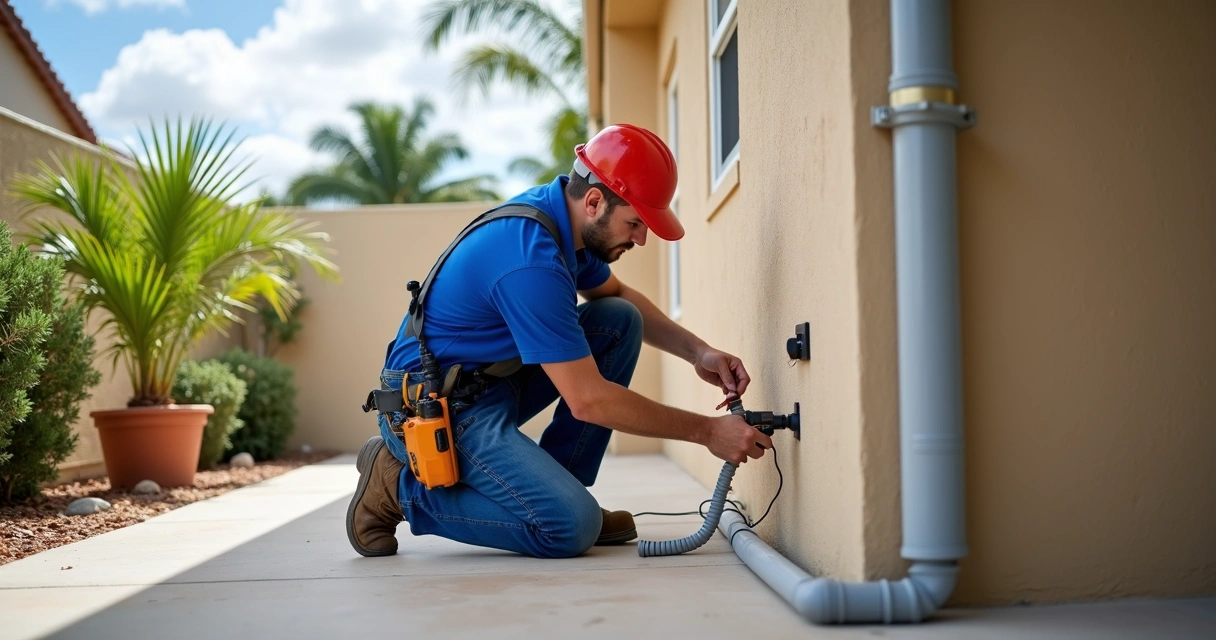
Outdoor wiring is exposed to sunlight, weather, insects, lawn equipment, and accidental impact from furniture or tools. That’s why we always:
- Use PVC conduit (gray, Schedule 40 minimum) for underground runs—never direct-bury Romex cable
- Use UF-B (underground feeder) or THWN-2 individual conductors when pulling wires through conduit
- Seal all entry points into boxes and walls to keep out water and ants
For patios slab-on-grade, we often core through concrete edges to run conduit out discreetly, avoiding surface-mount conduit unless required. Details like this are discussed in our driveway and patio paving tips.
Connecting to the main panel
Extending a new outdoor circuit almost always means running a new, dedicated breaker from the main panel. We size the amperage based on your anticipated load—rarely less than 15 amps for kitchens, sometimes up to 20 or more for full-featured setups. Only copper wire, never undersized, is used. Aluminum is not acceptable for residential branch circuits.
All work must be grounded: this means not just the outlet itself but the box, conduit, and any metal covers. A home’s main panel grounding system must connect to the new run. This helps circuits trip safely if there’s ever a fault.
Testing GFCI protection
After we terminate all conductors, we check ground-fault circuits at both the outlet and back at the panel. GFCIs are tested with built-in buttons and external testers to ensure a quick disconnect if moisture intrudes.
A GFCI breaker or outlet should “trip” the instant water, a fault, or direct contact is detected. This helps prevent serious shocks or fire risks, as outlined in NFPA safety research.
Mounting and sealing
We ensure all mounting screws are stainless steel, preventing rust stains or freeze issues. Caulk with exterior-grade silicone seals the tops and sides of boxes without trapping water inside. The box face should be flush with the wall, column, or post for a tidy finish and to comply with code.
Labeling and documenting
For every project—whether a basic outlet or a full summer kitchen—we photograph pre-closure stages. Locations, circuits, and panel breakers are all labeled for future clients and home inspectors.
If a problem ever arises, clear records speed repairs and protect your warranty.
We cover this process in detail in our hardscape project guides, showing how electrical integrates with patios, pavers, and outdoor features for long-term peace of mind.
Special safety tips for Florida climate
Central Florida experiences heavy rains, summer storms, humidity, and occasional hurricanes. Outdoor electrical outlets here demand even stricter attention:
- Flood risk: Avoid installing outlets in low spots where water may pool. Raise boxes or consider eave-mounted options if landscape drainage is slow.
- Wind-driven rain: Use extra-gasketed covers for exposed lanai or patio installations, especially on windward walls.
- UV exposure: Cables and boxes must be rated for direct sunlight—using anything else risks brittle insulation and eventual failure.
- Salt, sand, insects: For homes near the coast, select hardware with extra corrosion resistance. Seal gaps to avoid ants and wasps building inside boxes.
We plan proper drainage and install edge barriers for pavers or turf to keep water away from electrical boxes. More details are available in our hardscaping information center.
Integrating outlets with patios, kitchens, and enclosures
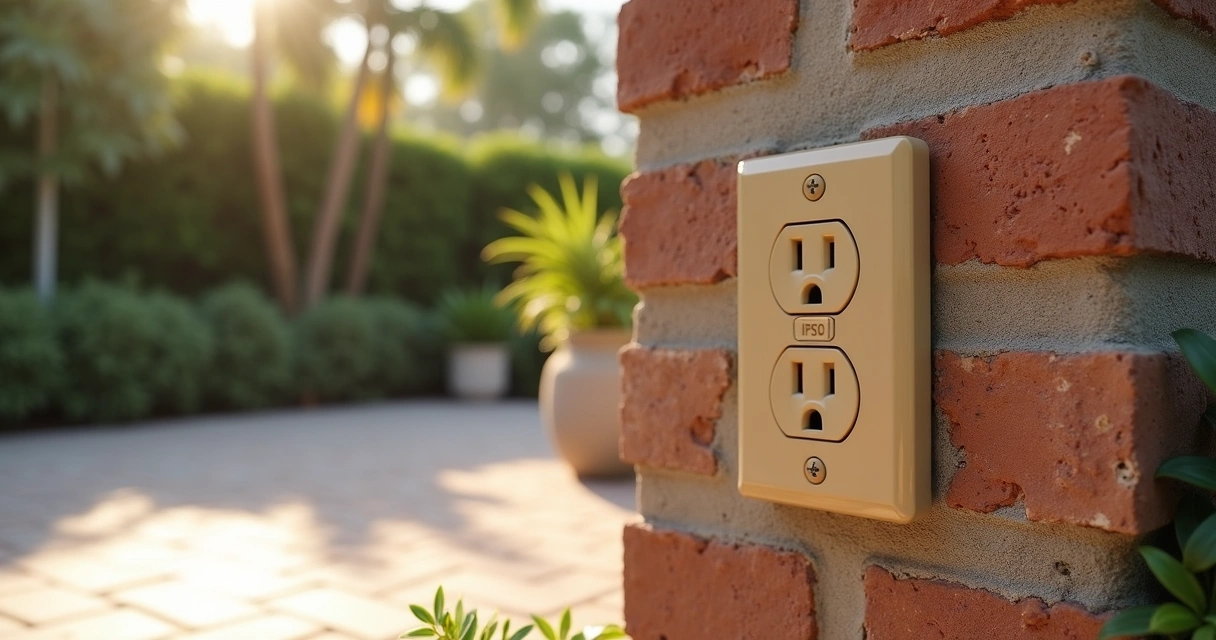
Nothing disrupts a beautiful stamped concrete patio or brick pool deck more than exposed, mismatched outlets and clunky conduit. An experienced contractor integrates power outlets with design: matching colors, recessing boxes into columns, and coordinating with screen enclosure posts or outdoor cabinetry. We often recommend:
- Painting receptacle and box covers to match wall, post, or stonework colors
- Placing outlets beside posts or cabinetry edges—never across walking paths
- Using flip-up power “towers” in islands or peninsulas where permanent boxes would risk water entry
- Coordinating with paver and concrete installations so boxes are flush and watertight, not tripping hazards
- Including blank locations for easy addition of lights, heaters, or fountains in the future
We encourage you to reference our deeper guide to driveway and patio paving in Orlando to see examples of well-integrated installations.
Common pitfalls and how we avoid them
After many projects, we’ve seen where outdoor outlet jobs go wrong—and how to fix or prevent those problems:
- Poor weatherproofing that allows leaks, corrosion, or shorts
- Box placement too low, leading to water entry during rain pooling
- No GFCI protection, exposing users to shock risk
- Running inexpensive interior-grade cable instead of conduit and UF/THWN wire
- Improperly sealed stucco or paver cuts, letting insects or moisture inside
- Loose or unmarked connections in the electrical panel, making future troubleshooting unsafe or confusing
- Permitting or HOA violations—an easy way to fail inspections or be forced to undo new work
At GCM Best Services, we use a detailed checklist and after-install photo documentation. This helps us deliver consistent, code-aligned work with every project, plus clear records for homeowners and inspectors alike.
When to call a professional for outdoor electrical work
While many skilled DIYers can tackle simple indoor electrical work, all exterior outlets introduce more variables. Here in Central Florida, with our humid climate and strict local codes, we always recommend professional installation in these cases:
- Patio or kitchen remodels requiring several new outlets
- Extending dedicated circuits from panels or subpanels
- Outlets near pools, spas, or water features—a specialty code area
- Integration with new pavers, concrete, screen enclosures, or artificial turf installations
- Troubleshooting outdoor circuits that trip or show signs of corrosion
Our site assessments include checking load calculations, existing panel sizing, landscape grade, and HOA requirements. That’s one way we remove surprises and delays, providing a smooth start-to-finish process for every job, all backed by written warranties and aftercare guidance.
Warranty, inspection, and documentation
For peace of mind, every GCM Best Services project includes a warranty—always in writing—plus inspection sign-offs when needed. We also provide a simple maintenance guide: how to test your GFCI, clean covers, and spot early signs of weather damage. Digital “before and after” photos help validate your investment for appraisers, insurance, or future homebuyers.
Our process always ends with a walk-through and a final checklist so you know exactly what was installed and where.
Outdoor outlet care and future upgrades
Outdoor power is not “set and forget.” Even with the best products, Florida weather is tough on hardware. We advise:
- Test GFCI outlets every 3 months by pressing the “test” and “reset” buttons
- Check cover gaskets seasonally—replace if cracked or stiff
- Keep weeds and furniture away from boxes to reduce impact risk
- Freshen paint or caulk every couple of years as finishes age
Planning a patio or kitchen expansion? Most safe installations are built to allow one or more future outlets. Document what you have now so upgrades are easy and code-compliant.
Conclusion
Bringing power outdoors transforms how you use your patio or summer kitchen, but it must be done with an unwavering focus on safety, code—and a look that blends with your space. From selecting the right GFCI outlets and weatherproof boxes, to using the right wire in proper conduit, to following Central Florida’s permitting and inspection process, the steps we’ve shared put your family’s safety first.
If you’re considering a new patio, kitchen, hardscape, or outdoor living upgrade in Central Florida, we’d love to show you how we make every project seamless, safe, and beautiful. From free assessments to written warranties and documented code compliance, GCM Best Services is at your side.
Ready for a professional quote? 📞 (407) 250-1948 • 24–48h • Orlando, Tampa & area.
Frequently Asked Questions
How to install outdoor power outlets safely?
Install outdoor outlets safely by using GFCI protection, weather-resistant and tamper-resistant outlets, and weatherproof boxes with while-in-use covers. Always run wiring in conduit, mount boxes at least 12–18 inches above ground, seal connections, and follow local code—including permits and inspections for compliance and safety. Most importantly, power must be shut off before any electrical work, and only copper wire of proper size should be used for new circuits.
What type of outlet is best outdoors?
Weather-resistant (WR) GFCI outlets are the best choice for outdoor use, and tamper-resistant (TR) models add further protection against accidental shocks. These outlets resist moisture and UV exposure while complying with code requirements for safety in wet environments. For areas near children or where extra safety is needed, always select a WR + TR labeled product.
Do outdoor outlets need special covers?
Yes, outdoor outlets require “while-in-use” weatherproof covers that fully protect the outlet and any plugged-in cords from rain and debris. These covers close tightly over the plug, ensuring continued shield even when a device is connected. This prevents short circuits and water ingress during operation, which is required by national and Florida building codes.
How much does outdoor outlet installation cost?
Outdoor outlet installation costs depend on number, distance from the main panel, necessary trenching, and finish requirements, but typically range from a few hundred to over a thousand dollars per outlet for custom patio or kitchen builds. The cost may rise with complex hardscape cutting, new dedicated circuits, or HOA/permit paperwork. Professional installation is recommended due to safety and code compliance.
Can I install outdoor outlets myself?
While handy homeowners can tackle simple outdoor outlet work, most installations require detailed code knowledge and should be done by a licensed electrician for safety and local compliance. Projects involving new circuits, advanced weatherproofing, or integration with patios and kitchens are best left to professionals. DIY work can void insurance and lead to code violations, especially in Central Florida’s regulated environment.