Primary keyword: water damage under patios
- Hidden water damage patio
- Patio repair water problems
- Fix moisture under patio slab
Audience: Homeowners and property managers in Orlando and Central Florida worried about patio longevity and surprise repair bills.
Pain/benefit: Stop hidden water issues before they cause costly repairs, mold, or structural risk—protect your investment and family health.
Summary: Hidden water damage under patios is a quiet but serious problem across Central Florida. We’ll show you how to spot the subtle signs, what causes the damage, and step-by-step fixes—based on our hands-on experience as GCM Best Services, with guidance from leading building science research. Don’t let moisture go unnoticed; learn practical prevention and repair suited to the local climate and code.
Outline
- Why hidden patio water damage matters in Central Florida
- How moisture sneaks under patios: causes and risk factors
- Soil conditions and water tables
- Improper grading and drainage
- Materials matter: concrete, pavers, turf, and screen enclosures
- Spotting the signs: how to detect hidden water under patios
- Visual clues on surface and edges
- Touch, sound, and smell
- Moisture testing and tech tools
- Evaluating the damage: when it’s minor, moderate, or major
- Step-by-step fixes for hidden water damage
- Solving drainage issues
- Addressing cracks, joints, and structural repairs
- Special approaches for pavers, turf, slabs, and enclosures
- Mold management and safety
- Prevention: smart design and construction for lasting results
- Base prep, mixing, reinforcement
- Drainage systems and waterproofing
- Regular inspection schedules
- When to call in a pro: recognizing limits
Ready for a professional quote? 📞 (407) 250-1948 • 24–48h • Orlando, Tampa & area.
Why hidden patio water damage matters in Central Florida
It’s easy to overlook water sneaking in below your patio—no puddles, no problem, right? That’s rarely the case in Central Florida’s climate. We’ve seen the headaches: cracked slabs, loose pavers, raised turf seams, and the telltale earthy smell of hidden mold. Under those patio stones and slabs, water can slowly erode soil, foster mold, and even invite pests. One day, a spot feels soft underfoot. By then, you have a problem that could require major repair. Early detection and proper construction practices save money and hassle, as proven by research in moisture control (EPA’s Moisture Control Guidance).
A dry patio is a healthy patio.
How moisture sneaks under patios: causes and risk factors
Soil conditions and water tables
Central Florida’s flat terrain and sandy soils sound forgiving, but that’s misleading. When the water table rises after storms, or soil doesn’t compact properly during installation, water can collect under your patio. Poor sub-base compaction leaves air pockets, which fill with water and weaken structural support over time. Relevant research from studies of humidity effects on concrete structures supports that improper preparation invites hidden water retention.
Improper grading and drainage
Even a slight slope towards your home or patio can encourage water to flow and puddle beneath the hard surface. It doesn’t have to be dramatic. Just a bit of backward tilt, clogged drains, or downspouts aimed the wrong way are enough to cause trouble. Without a drainage plan (such as French drains or gravel beds), patios in Central Florida can become water traps. The right drainage solutions for pavers provide long-lasting value.
Materials matter: concrete, pavers, turf, and screen enclosures
Surface choice affects risk. Concrete slabs are prone to cracks from soil movement if a moisture issue stays hidden, while pavers can shift or become uneven as base material washes out. Artificial turf set atop the wrong base can hide saturated sand and mildew. Screen enclosures sometimes collect runoff at support posts, funneling water right where you can’t see it. According to guidance from the Building America Solution Center, even without visible markers, materials may hide damaging moisture. We at GCM Best Services always select materials and finishes that match the needs of each site and climate condition.
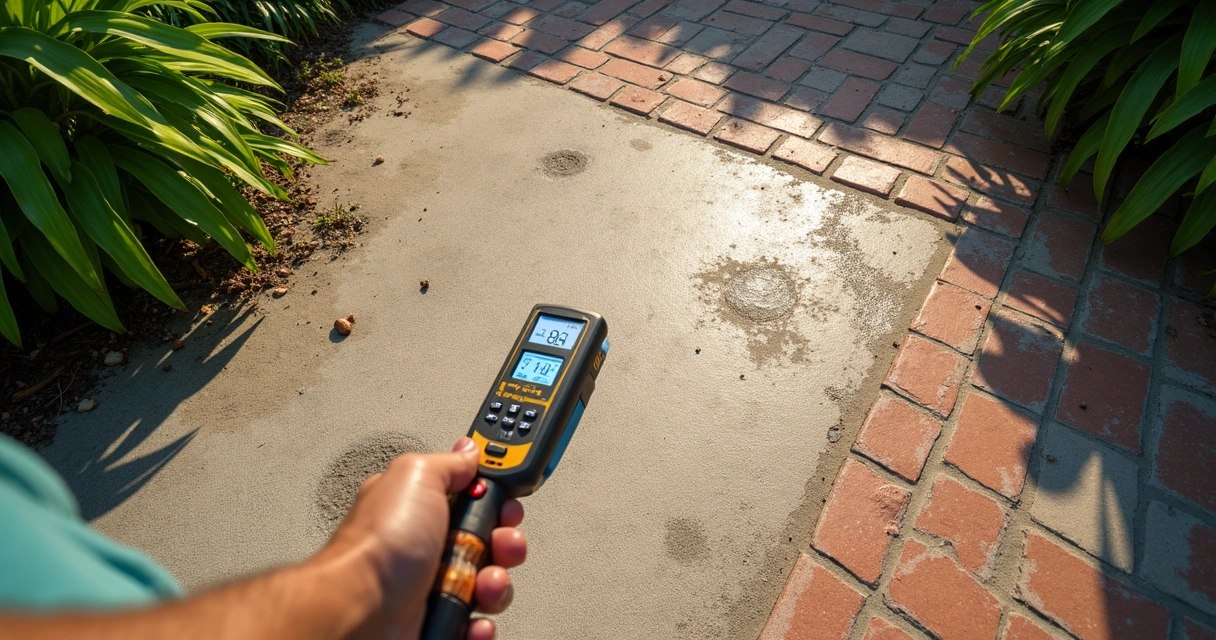
Spotting the signs: how to detect hidden water under patios
Spotting water issues early feels like detective work. Here’s what we watch for:
Visual clues on surface and edges
- Soft spots or dips where the slab or pavers seem to shift underweight
- Discoloration—dark patches, chalky streaks, or algae growth, even after dry periods
- Efflorescence (white powder) signaling moisture pushing salts out from below
- Edge gaps or separation from the house, especially after heavy rain
- Small cracks that expand or appear in unexpected places
If the patio finish stays damp long after rain, or weeds/fungus appear in joints, hidden water is likely at work. We see this a lot during repairs in older Orlando patios.
Touch, sound, and smell
- Walking the patio: soft, springy, or hollow spots suggest erosion underneath
- Mildew smell that persists in dry weather means possible mold growth
- Tapping with a tool: hollow sounds under hard slabs or pavers hint at lost support or water pockets below
Surface temperature differences may also be felt by bare feet—wet spots stay cooler for longer periods in sun.
Moisture testing and tech tools
Sometimes the old tricks aren’t enough. Technology helps:
- Pin and pinless moisture meters measure trapped dampness
- Thermal imaging cameras spot subtle temperature changes from moisture patterns under the surface
- Core samples or probing with a screwdriver reveal soft, saturated substrate
As seen in the EPA’s Water Damage Table, materials left wet for more than 48 hours can breed mold even if surface looks clean.
What you can’t see can hurt your patio.
Evaluating the damage: minor, moderate, or major?
Not all water issues are emergencies. We assess severity like this:
- Minor: Slight discoloration, no soft spots, small cracks, short-term dampness after rain. Likely needs improved drainage or mild repairs.
- Moderate: Visible surface shifts, hollow-sounding spots, ongoing musty odor, larger cracks or sunken areas. May require slab lifting, sub-base rebuilding, or partial replacement.
- Major: Wide, spreading cracks, many loose pavers, signs of structural sag, visible mold, or sudden patio movement. This often means a full demo and rebuild, and potential soil remediation underneath.
The faster we act, the simpler the solution—and usually, the lower your cost. This is why professional inspection is valuable, especially in areas prone to flooding or with complex patio layouts.
Step-by-step fixes for hidden water damage
Solving drainage issues
Everything starts here—get the water away, and you get ahead of most problems. We usually recommend:
- Regrading nearby soil to promote runoff
- Installing drains like French drains, channel drains, or surface grates
- Directing downspouts and irrigation away from the patio slab or paver fields
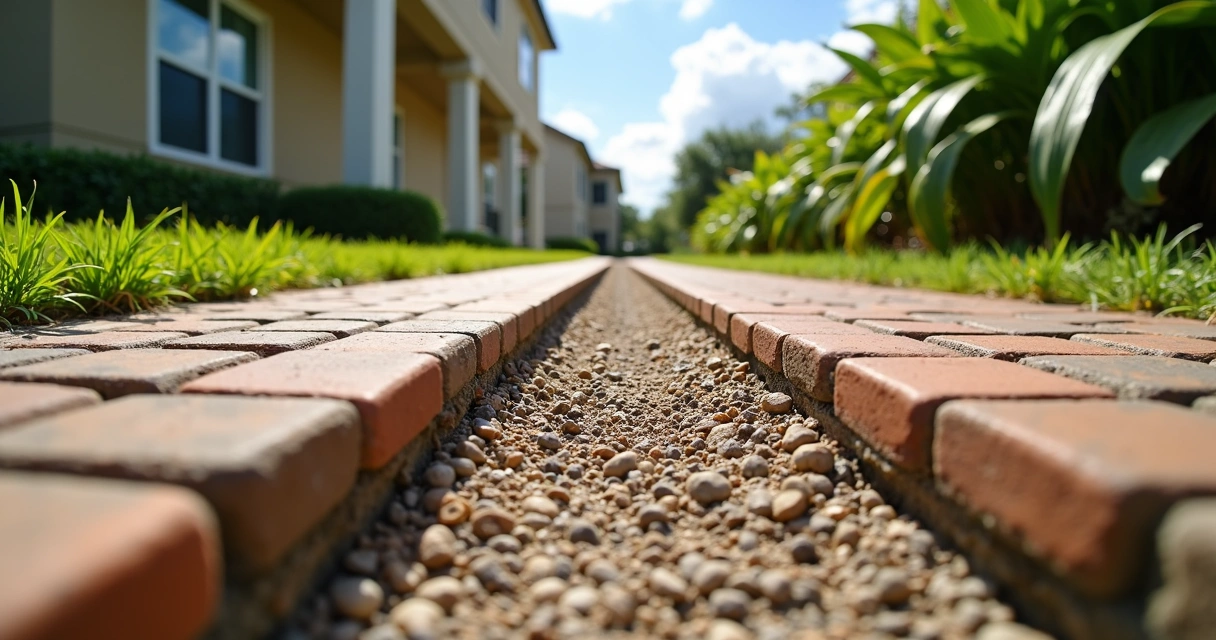
- Lifting and relaying pavers (if used) to include new gravel and drain mat layers
For more on how drainage keeps patios healthy in our region, see our deep guide on drainage solutions for Florida climate.
Addressing cracks, joints, and structural repairs
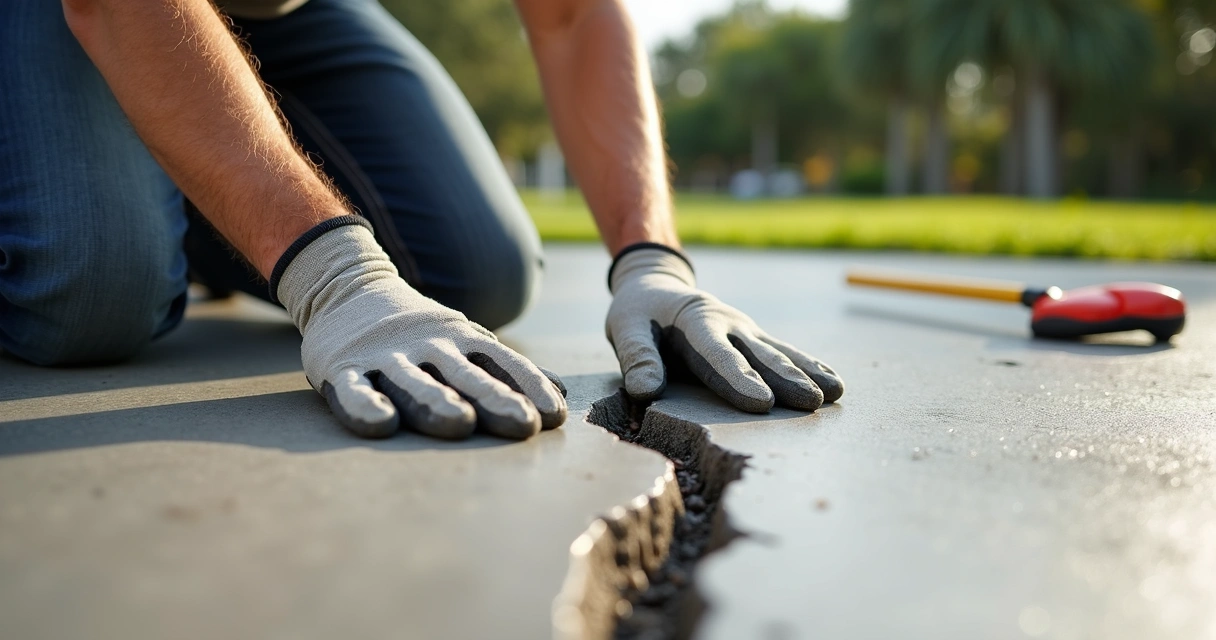
- Clean and fill small cracks with flexible, water-resistant sealants
- For larger cracks, assess if slab lifting or partial removal is needed—sometimes “mudjacking” or polyurethane foam injection can restore level
- Replace joint materials if they’ve decayed (especially in expansion joints between concrete sections)
- Reinforce with new mesh or rebar as needed for concrete slabs
We often find overlooked issues during these repairs—such as rotted foam joint backers or rusted reinforcement—so a careful audit is wise.
Special approaches for pavers, turf, slabs, and enclosures
- Pavers: Remove affected sections, correct base with compacted gravel and geotextile, relay, and add polymeric sand for joint sealing (learn more about professional paver restoration).
- Concrete slabs: Address drainage first, then sawcut and replace damaged panels, patch with compatible mixes, or overlay with bonded resurfacer if the damage is shallow.
- Artificial turf: Lift turf, scrape or vacuum out wet sand, allow to dry, recompact base with improved grading, and treat or replace infill.
- Screen enclosures: Check footings for water pooling, reseal anchor points, correct roof drainage, and upgrade enclosure fasteners to current code (especially for hurricane-prone sites).
We tailor each repair to the material and problem found—no single method fits all.
Mold management and safety
Hidden water nearly always means hidden mold. If you notice a persistent musty smell, visible stains, or health symptoms worsen at home, mold may have set in.
- Remove patio furniture and affected décor
- Ventilate the area, if possible, before working
- Wear personal protection: gloves, N95 mask, goggles
- Chlorine, hydrogen peroxide, or professional mold treatments can kill spores on surfaces, but deeply saturated areas may require removal and replacement
Long-term prevention always circles back to fixing the moisture entry, not just treating the symptom.
Prevention: smart design and construction for lasting results
Base prep, mixing, reinforcement
For us at GCM Best Services, durability starts before the first slab or paver is set. Proper site grading, a well-compacted sub-base, and using quality concrete mixes (3,000–4,000 PSI, as we do) help patios survive our rainy season. Pavers need edge restraints, thick bedding sand, and polymeric sand in joints for best results. We often reference our own guide to preventing cracks in Florida patios and driveways during client consultations.
Drainage systems and waterproofing
- Install drainage components beneath the patio, especially near downspouts and eaves
- Use membranes or sealers on concrete slabs, with careful attention to expansion joints
- Choose landscape designs that direct water away, like French drains or swales bordering the patio area
- Ensure screen enclosures have unobstructed water exits and sealed footings
Science supports these steps: EPA research confirms that building materials, especially wood or stucco used as edges, can absorb and hide water without immediate clues.
Regular inspection schedules
- Biannual inspection after heavy rains for cracks, stains, or shifting
- Check downspouts and nearby landscaping for new sources of runoff
- Annual check of joint integrity for pavers and caulking for concrete
Routine vigilance pays off. Discovering a new soft spot early can stop a small problem from becoming a big project.
When to call in a pro: recognizing limits
Some fixes require experience, tools, and knowledge of local permit and code requirements. If you encounter structural movement, extensive mold, or ongoing water entry after a repair, call a licensed contractor like GCM Best Services. We handle permits, design drainage, repair sub-surfaces, and offer written warranties—so the problem stays fixed. Our process, which you can learn more about at our guides for concrete repair by licensed contractors and driveways and patios installation, ensures no skipped steps. We stand by our assessments—the photo documentation and clear warrants give you peace of mind.
Safe patios start with smart repairs.
Prevention and repair work hand in hand
It’s not just about fixing what’s broken. Every repair is an opportunity to harden your outdoor spaces against future trouble. In our experience, the best patios are those built—and maintained—with sound, practical steps matched to the climate. We know what works in Central Florida because we live and work right here.
If you’re concerned about your patio or want to ensure a new installation is built right from the ground up, reach out to us at GCM Best Services. Protect your investment and your family’s peace of mind with a team that gets every detail right—from grading and sub-base to finishes and warranties.
Ready for a professional quote? 📞 (407) 250-1948 • 24–48h • Orlando, Tampa & area.
Frequently asked questions
What causes water damage under patios?
Water damage under patios is usually triggered by improper drainage, soil that stays too wet, or construction that traps moisture in the base layers. In Central Florida, frequent rains, high water tables, and flat terrain increase the risk. Poorly compacted soil, wrong drainage slope, and use of absorbent materials like wood or old stucco also make patios vulnerable to hidden trapped water. Reliable scientific sources such as the EPA’s Moisture Control Guidance and the Building America guides confirm that moisture can get trapped where there are no visible signs, leading to concealed damage beneath any hardscape.
How can I spot hidden water damage?
Look for subtle changes—soft or sinking spots, cracks that grow, chalky white residue (efflorescence), and persistent damp patches or musty smells are all early warning signs. If patio surfaces stay cooler or wet well after rain, or weeds and algae keep appearing in joints, hidden moisture may be a factor. Tech tools like pinless moisture meters and thermal cameras can offer deeper insight, but even old-fashioned tapping for hollow spots or smelling for mildew are useful first steps. For more detail about detection, see our advice earlier in the article.
How much does patio water repair cost?
Repair costs vary with the scale and severity of damage. Minor fixes like sealing cracks or correcting small drainage issues may run a few hundred dollars. Moderate repairs—addressing base erosion, relaying pavers, or partial slab replacement—often cost between $500 and $2,500, depending on size. Major structural or mold issues requiring demolition and full rebuild can sometimes go well beyond $5,000. Getting a site-specific estimate is best, since every property and patio layout differs.
Is it worth it to fix myself?
Small jobs, like sealing surface cracks or improving surface drainage, are within reach for many DIY-inclined homeowners—but hidden water issues can become complex quickly. If you find loose pavers, shifting slabs, or any sign of mold, heavy lifting or special tools may be needed, and risks increase. If in doubt, it’s safer to have an expert like GCM Best Services assess the situation. This is especially true if the patio supports structures or is connected to your home’s foundation.
What are the best ways to prevent it?
Prevention starts with a well-graded site, proper base material, and reliable drainage (both above and below your patio surface). Use compacted gravel beds, built-in drains, sealed concrete, and correct joint treatment for pavers. Regular inspection, especially after storms, helps catch early problems so they don’t escalate. For design-forward, code-aligned patio installations and repairs in Central Florida, GCM Best Services offers full assessment, design, and warranty—a proactive, worry-reducing approach homeowners trust.
I don’t think the title of your article matches the content lol. Just kidding, mainly because I had some doubts after reading the article.